Are 116 works enough to encompass nearly half a century of art history in Mexico? The Collection: Networks and Trajectories of Mexican Art, 1910–1950 believes it does.
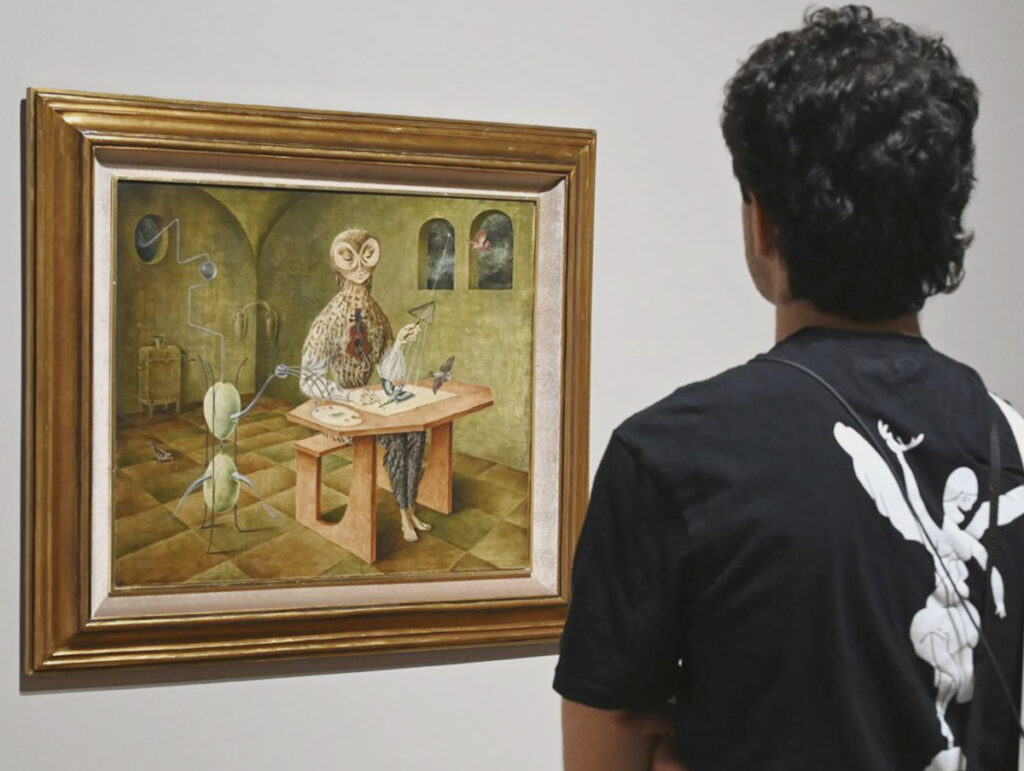
Through photographs, sculptures, paintings, sketches, and documents by 57 artists, the exhibition offers a retrospective of those pre- and post-revolutionary times—both politically and artistically speaking. These were years in which Mexican art flourished amid corridos, boleros, world wars, abstract expressionism, surrealism, and even rock and roll.
Beyond *The Two Fridas*
Although, given its popularity, the crown jewel of the exhibition is *The Two Fridas* by Frida Kahlo, the exhibition also features classic works. For example, pieces by María Izquierdo, Diego Rivera, David Alfaro Siqueiros, Remedios Varo, Rufino Tamayo, Olga Costa, Lola Álvarez Bravo, and Juan O’Gorman—creations that defined Mexican modern art.
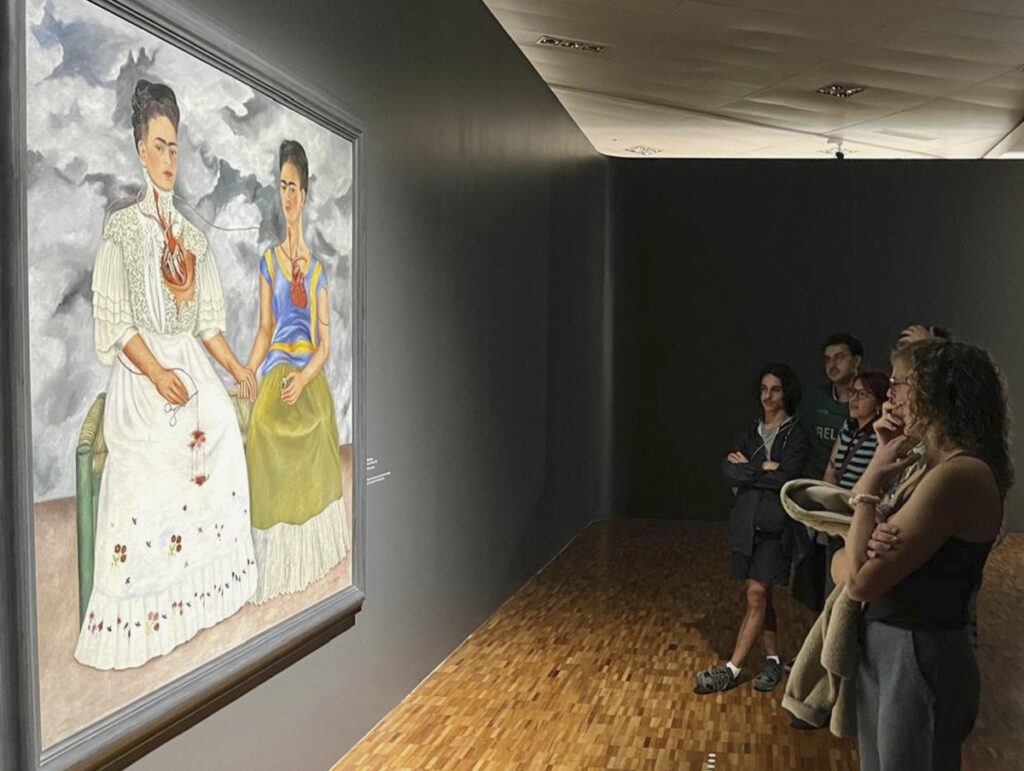
A New Perspective on the MAM Collection
The exhibition, organized around six themes, also offers a new critical interpretation of the Museo de Arte Moderno’s collection regarding the construction of discourses surrounding Mexican art and national identity that continue to shape the present.
During the opening, INBAL Director General Alejandra de la Paz Nájera remarked: “The exhibition is a celebration for both the MAM and the Institute, as it highlights the Institute’s responsibility to safeguard, preserve, research, and promote its collection of more than 65,000 works. The heart of our museums lies in bringing the collections to life, showcasing their value, and ensuring they remain relevant to present and future generations.”
The exhibition covers one of the most complex periods in national history: the Mexican Belle Époque, from the Porfiriato and the Mexican Revolution through the country’s modernization process. The exhibition also features magazines, photographs, posters, and documents that broaden the perspective beyond the artworks themselves and help visitors understand the visual and intellectual context in which they were produced.

A collection in constant evolution
Conceived as a permanent space for dialogue between the permanent collection and temporary exhibitions, the proposal aims to revitalize the collection through new questions and contemporary interpretations.
Through the relationships between artists, institutions, political discourses, and cultural imaginaries, The Collection: Networks and Trajectories of Mexican Art, 1910–1950 offers a reflection on how narratives of Mexican art have been constructed and how these continue to evolve over time. The exhibition demonstrates that artistic heritage is not a static archive.
MAM Director General María del Sol Argüelles also commented on the matter: “Safeguarding the collection is our greatest responsibility, but our true calling is to keep it dynamic. With this exhibition, the museum offers a fresh perspective on its collection to breathe new life into a collection of enduring relevance.”

“We are convinced that the art created by previous generations is not static, but rather transforms as the present changes. Today, there are new perspectives from which we can reinterpret this wonderful legacy.”
To question the past and doubt the present through the lens of art is to recognize that collections are not fixed entities.
Therefore, the answer to the article’s opening question lies here: with 3,614 pieces in the collection, the exhibition will allow for a constant rotation of the works on display, and the show will not be limited to the 116 pieces.
A Look Beyond the Work of Art
What sets curation apart is the “articulation of concepts,” as MAM curator Raúl Rueda explains: “The intention was to create a networked interpretation, and rather than simply bringing together a group of works, the exhibition presents starting points and connections between the exhibition and the collection,” he says.
The proposal also invites us to reflect on the projects, ideas, and possibilities that fell by the wayside but continue to engage—for better or for worse—with new generations of artists.
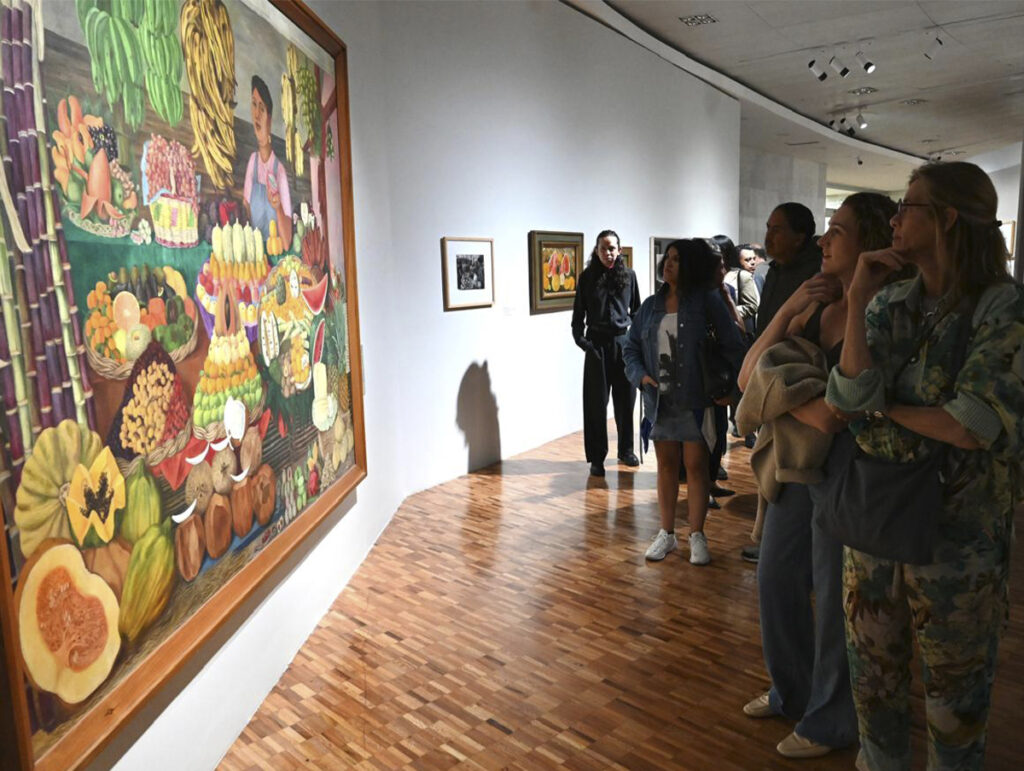
The Collection: Networks and Trajectories of Mexican Art, 1910–1950 is on view in Gallery B of the Museum of Modern Art, located at Paseo de la Reforma and Gandhi s/n, Bosque de Chapultepec.
The exhibition will be on view through September 6, 2026.
Discover more current exhibitions in Mexico, Spain, and Latin America in AW Magazine.