
Artists and intellectuals are human beings too: they get disappointed, they get angry, and sometimes they even come to blows. Art history isn’t just a collection of memorable works; it’s also a long story of quarrels and disagreements.
In AW Magazine, we bring you three legendary feuds between writers, filmmakers, and divas that have left their mark on the collective memory.

Vargas Llosa vs. García Márquez: The Story of a Punch
The friendship between Gabriel García Márquez and Mario Vargas Llosa began through correspondence in 1966. García Márquez wrote from Mexico, and Vargas Llosa replied from Paris. They exchanged ideas and even toyed with the idea of writing a novel together. In August 1967, they met for the first time. From that moment on, they became very close friends.
Vargas Llosa even wrote a study on the work of his friend, García Márquez: *The Story of a Deicide*. Their bond was close, but the political climate of the time would soon put it to the test.
In 1971, the so-called Padilla Affair in Cuba. The arrest of the poet Heberto Padilla divided the intellectual community. A group of writers signed letters openly critical of Fidel Castro’s government. Vargas Llosa was among the most outspoken. However, García Márquez’s signature was included without his prior knowledge. From that moment on, something began to fray between the two.
And here’s the crux of the matter: in the mid-1970s, Vargas Llosa left his wife Patricia. Months later, she traveled to Barcelona and was welcomed by the García Márquez family. Rumors began to circulate that Gabo had made advances toward her, perhaps in jest. After that, Mario and Patricia reconciled.
The most shocking part of the story took place on February 12, 1976, at the Palacio de Bellas Artes in Mexico City. A documentary written by Vargas Llosa was premiering. Before the screening, García Márquez approached him to say hello. Vargas Llosa punched him and screamed his wife’s name. They never spoke to each other again.
Buñuel vs. Dalí: From Collaboration to a Bitter Farewell
Luis Buñuel and Salvador Dalí were friends from a very young age. They shared books, stories, and a sense of irreverence. Together they created Un chien andalou and worked on the early stages of L’Âge d’Or, the first two films Buñuel directed.
Then the disagreements began. Buñuel didn’t get along with Gala, his friend’s partner. Even more seriously, the filmmaker was bothered by Dalí’s sympathy for the Franco regime.
The final break came in New York. Buñuel had already left Spain and was working at the Museum of Modern Art. Around that time, Dalí published The Secret Life of Salvador Dalí and described Buñuel as an atheist. In the American context, the label proved very uncomfortable. Then came the publication of an article in the magazine Motion Pictures Herald. It recalled the scandal caused by L’Âge d’Or. The atmosphere became too tense for Buñuel, who left his position at the museum.
Furious, Buñuel called Dalí out to a bar. He told him he was a pig and that it was his fault he was out on the street. The painter replied with a line that Buñuel could never forget: “I wrote that book to build a pedestal for myself, not for you.”
Furious, Buñuel called Dalí out to a bar. He told him he was a pig and that it was his fault he was out on the street. The painter replied with a line the other man could never forget: “I wrote that book to build a pedestal for myself, not for you.”
Buñuel felt like hitting him, but he held back. After that, they only saw each other once more.
María Félix vs. Carlos Fuentes: On the Importance of the Ego
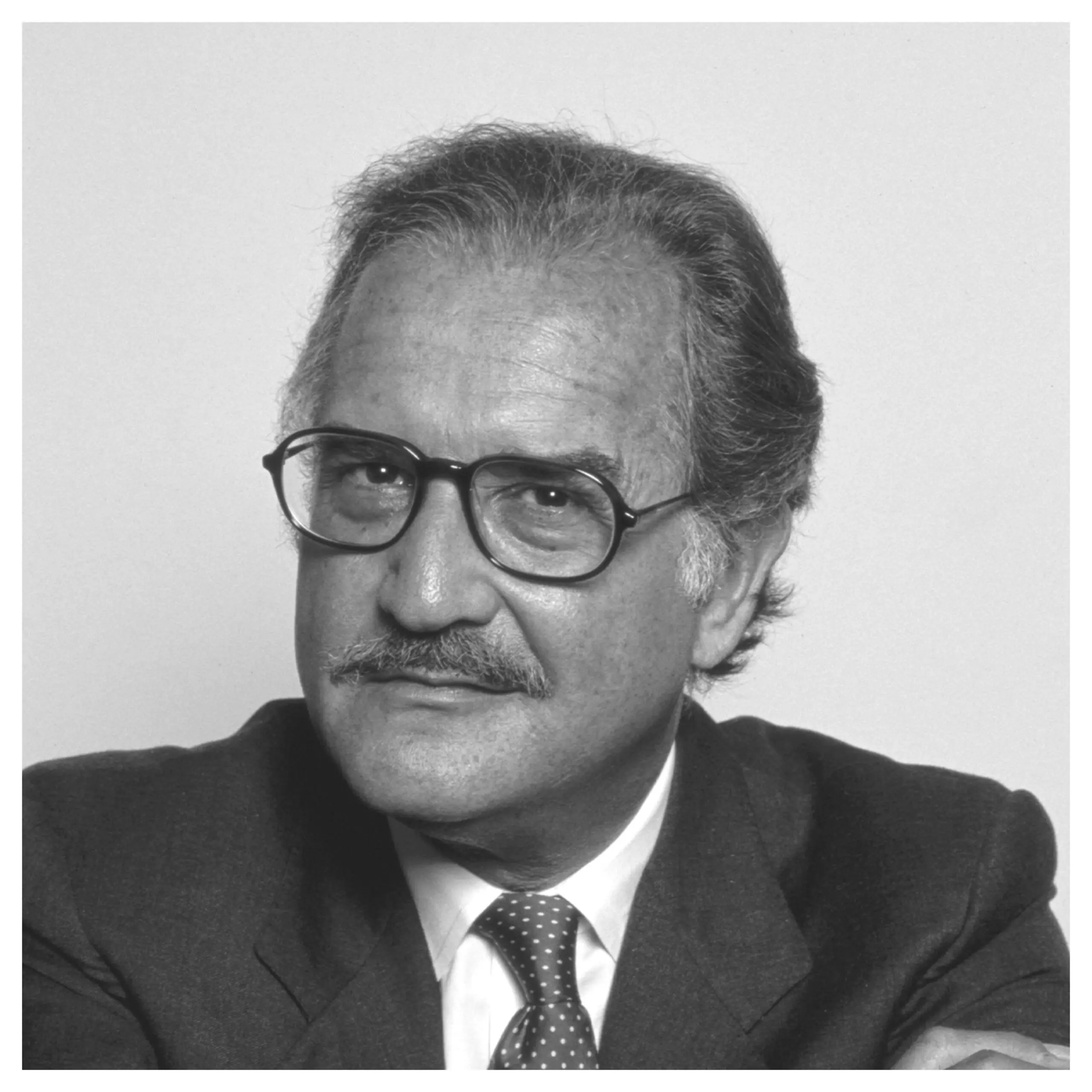
In the 1960s, Carlos Fuentes and María Félix were friends. They shared dinners and laughed together. They also spent time with Dolores del Río. It was a beautiful friendship. But Fuentes had the brilliant idea of writing a play, Orchids in the Moonlight, in which he imagined both divas aged, poor, and forgotten in Los Angeles. He asked them to star in it. Both rejected the idea and were offended.
The play premiered in 1986. The audience was sparse, and the production passed without much fanfare. On stage, the two characters wondered if they were still remembered. For Fuentes, it was a theatrical exercise. For them, it was a sign of disrespect.
María Félix initially chose to remain silent. She made no comment at the time of the premiere, as she did not want to give publicity to the play or to Fuentes himself. Years later, in an interview with Jacobo Zabludovsky, she lashed out at the writer. She accused him of seeking scandal. María Félix referredto Carlos Fuentes as a “womanizer” and said with contempt that he had a woman’s heart. The diva’s insult was openly misogynistic.
Final
Culture has also been shaped by disagreements. These stories show that at the heart of thought and creativity lie seeds of conflict. The prelude to these conflicts, at least in these cases, is friendship. Behind every genius are human beings.
To keep exploring this thread, visit Latin American culture.