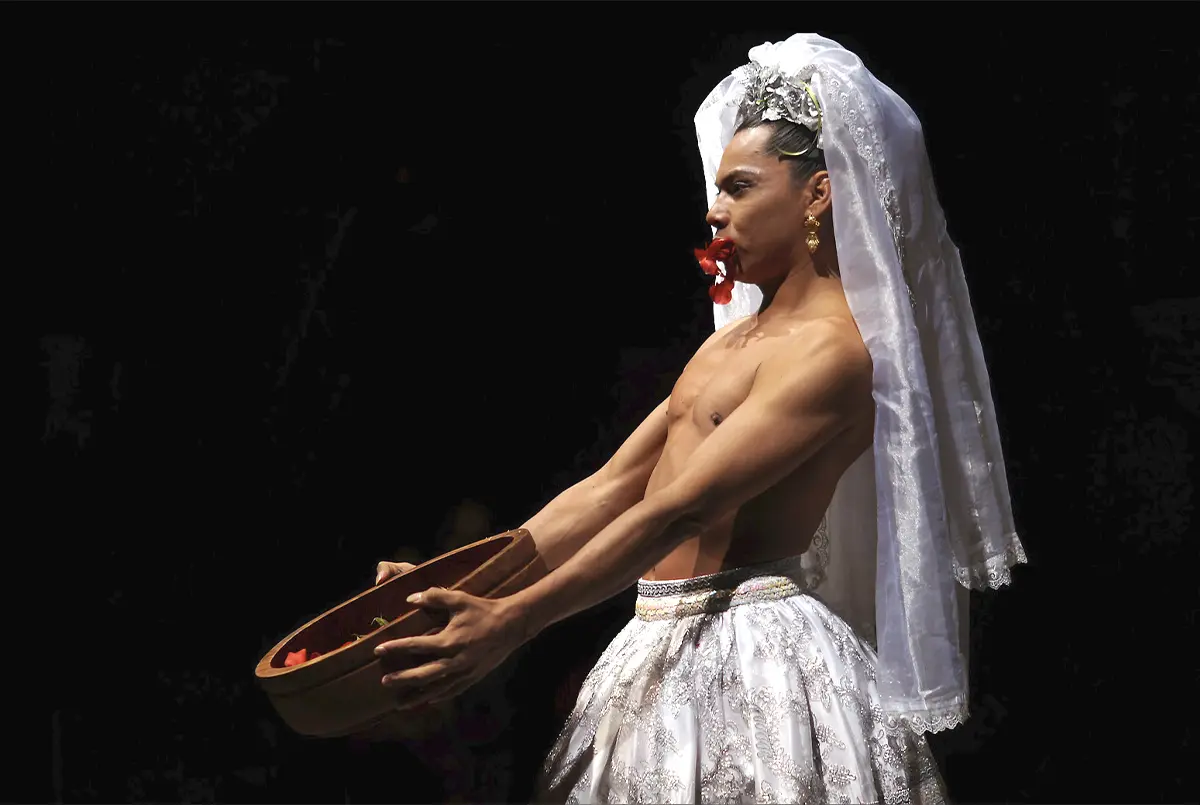
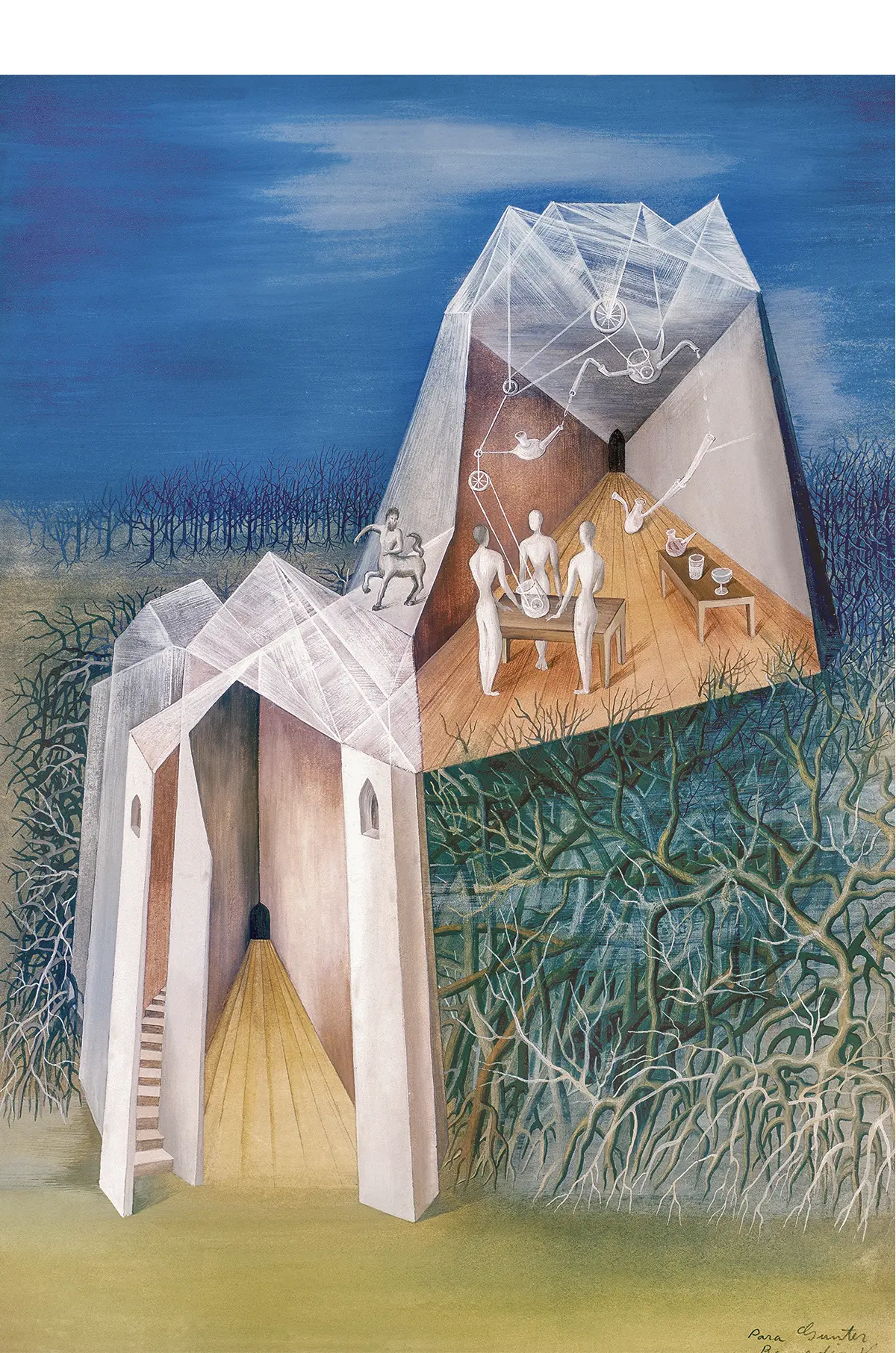
“It was very important for us to revisit a decisive period in our artistic history, marked by the transition to modern art, by avant-garde movements, and by new ways of portraying and representing the country—so that this heritage remains alive, accessible, and meaningful to everyone,” says Claudia Curiel de Icaza, Secretary of Culture for the Government of Mexico, regarding “Art and Visuality in Modern Mexico: The 20th-Century MUNAL Collection”.
This new permanent exhibition opened on July 8 at the National Art Museum (MUNAL).
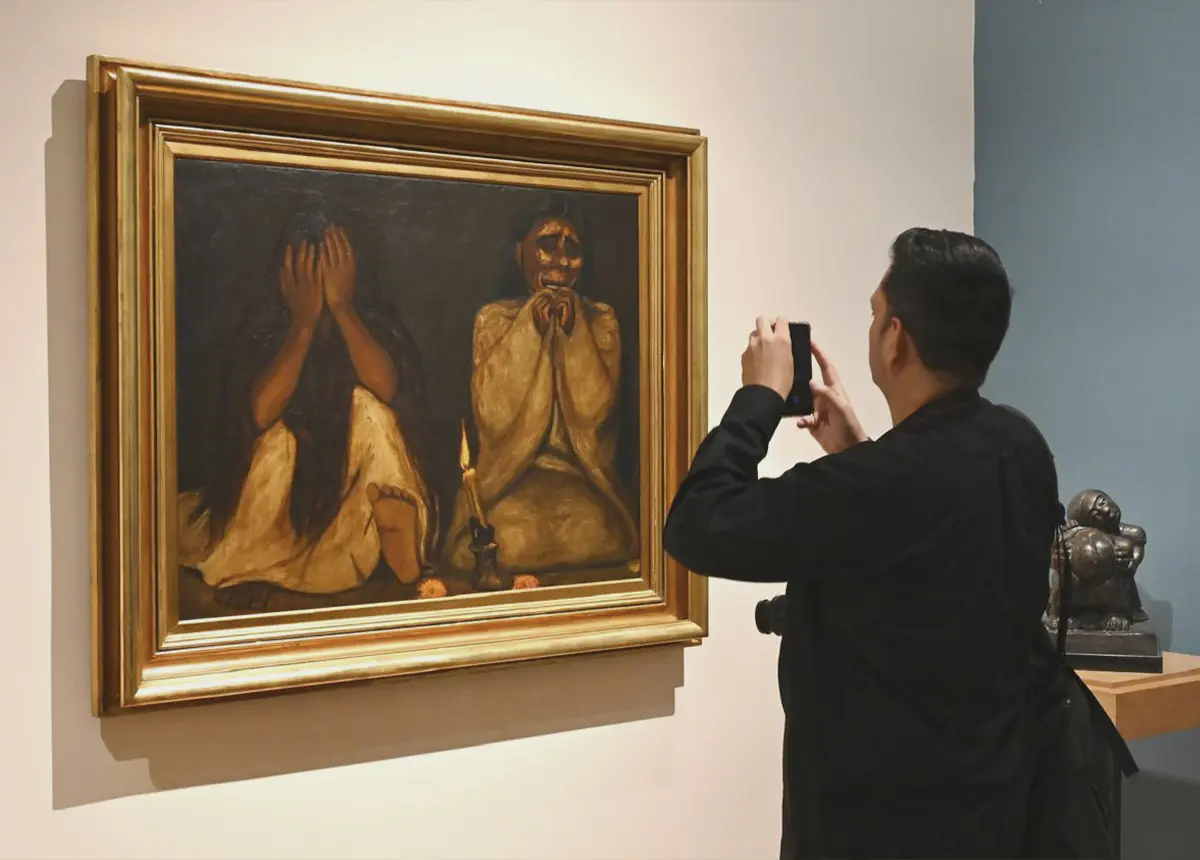
An exhibition that engages with the present
The exhibition comes at just the right time. In recent months, the fate of the Gelman Collection—one of the key private collections of modern Mexican art, now managed by Banco Santander—and works by iconic artists such as Frida Kahlo has reignited the debate over the preservation of the nation’s artistic heritage and the government’s role in safeguarding it.
In this context, the MUNAL’s new exhibition takes on special significance as it looks back at the period when Mexico’s visual modernity was forged through a publicly accessible collection.
Modernity from Another Perspective
Art and Visual Culture in Modern Mexico: The MUNAL 20th-Century Collection offers a critical reinterpretation of Mexican visual culture between 1890 and 1950. Drawing on perspectives from art history, cultural history, and the study of everyday life, this exhibition expands upon traditional narratives by incorporating not only painting and sculpture but also photography, graphic arts, film, publications, and printed materials as essential documents for understanding the past and present of art in Mexico. And indeed, there is much to see.

MUNAL Director Mireida Velázquez explains in a statement that the exhibition “expands the traditional notion of the fine arts by recognizing the role that various visual expressions played in shaping modern Mexico.” In this regard, the inclusion of female artists such as María Izquierdo, Lola Cueto, Tina Modotti, and Lola Álvarez Bravo takes on renewed prominence within the exhibition.
For his part, David Caliz, curator of the 20th-century collection, notes that “the exhibition seeks to establish a horizontal dialogue between paintings, photographs, documents, and printed materials, while incorporating underrepresented artists and historical processes, examining work produced outside Mexico City, and highlighting intellectual exchanges between different regions of the country.”
Nine Themes for Reflecting on the 20th Century
Organized around nine thematic areas, the exhibition explores the continuities and breaks between the 19th and 20th centuries; the abandonment of the academic model; art education after the Revolution; the representation of indigenous communities; the revival of folk arts; Estridentismo, the performing arts, and the Contemporáneos group; as well as the various ways of depicting the modern city, the landscape, and the contradictions of progress.

The exhibition brings together works by key figures in Mexican art, such as Diego Rivera, David Alfaro Siqueiros, José Clemente Orozco, María Izquierdo, Roberto Montenegro, Abraham Ángel, Dr. Atl, Tina Modotti, Lola Álvarez Bravo, and Lola Cueto, among other artists who shaped the visual arts in Mexico.
A collection open to new interpretations
“The works and objects gathered here form a mosaic of voices and styles that are today grouped under the category of ‘modern Mexican art.’ ‘In this context, many artists in the past sought the foundations for their own identity; they looked to the pre-Columbian and colonial worlds and to folk traditions, depicting the landscape and daily life to shape an image of what it means to be Mexican,’ states a document from the exhibition’s curatorial team.
The renovated galleries can be visited on the first floor of the National Art Museum, located at Tacuba 8 in Mexico City’s Historic Center. The museum is open Tuesday through Sunday, from 10:00 a.m. to 6:00 p.m. Without a doubt, Art and Visuality in Modern Mexico invites us to reflect on the role of public museums in preserving the country’s artistic memory, demonstrating that cultural heritage does not depend solely on the value of the works themselves.

The exhibition shows how to preserve cultural heritage while also building a broader and more inclusive vision of Mexican visual culture for future generations.
Furthermore, this is an evolving exhibition, as the curatorial committee itself notes: “This narrative does not aspire to be definitive, but is conceived as a starting point open to revision, debate, and the changes that new perspectives, discoveries, and questions will inevitably bring to a configuration of Mexican modern art that remains a work in progress.”
Discover more articles on Latin American art and history in AW Magazine.