The taco is the quintessential Mexican dish: portable, affordable, and capable of encapsulating an entire region in one or two tortillas. What makes this classic dish unique in Sonora?
The Sonoran taco: In the northern part of the country, and particularly in Sonora, the taco revolves around one central ingredient: beef, which is nationally renowned for its quality, flavor, and texture. But what does the wide variety of these tacos actually offer? How do they differ from other tacos across the country?
At AW Magazine, we’ve put together a list of five taquerías that, through their unique and sometimes daring styles,have carved out a distinctive niche within the world of tacos.
The Sonoran taco: key elements
Before discussing taquerías, we should take a moment to consider the unique characteristics of the Sonoran taco. It is not merely a regional variation, but a culinary tradition distinguished by its simplicity, precision, and the quality of its ingredients.
Meat is the cornerstone. Beef from Sonora is renowned nationwide for its quality, flavor, and juiciness. Outside the state, particularly in Mexico City, Sonoran cuisine is recognized as a distinct subgenre within the country’s culinary tradition. Its essence lies in an absolute respect for the ingredients.
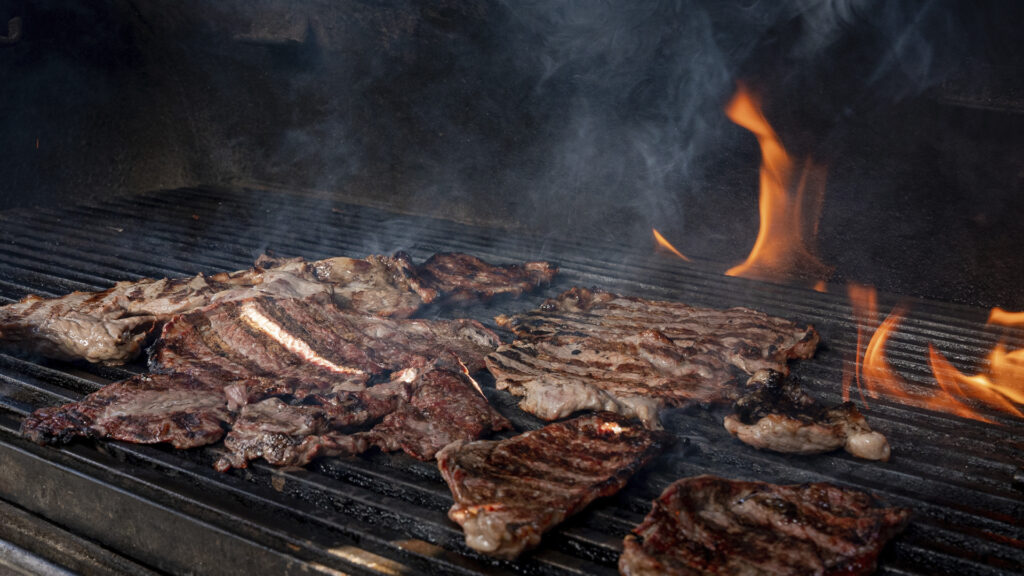
Added to this is the flour tortilla, a hallmark of northern Mexican cuisine. Larger and more pliable, it allows for generous portions and redefines the relationship between filling and wrapper.
The fusion of these elements paves the way for us to finally discuss specific approaches that engage with tradition through a variety of styles.
El Chambarete Tacos: Tradition, Family, and Memories
El Chambarete is the taqueria everyone knows. Its popularity among locals isn’t due to trends or hype, but rather to familiarity and tradition. Production is on an industrial scale, with between 70 and 90 kilos of grilled meat prepared each day.
The menu is strictly traditional. There are no deviations or reinterpretations. It features the most authentic Sonoran tacos, distinguished by their volume, consistency, and deep local roots. The restaurant’s identity stems precisely from this refusal to change—or rather, from the desire to preserve the very essence of the Sonoran taco. The best choice, almost always, is to order the carne asada taco.
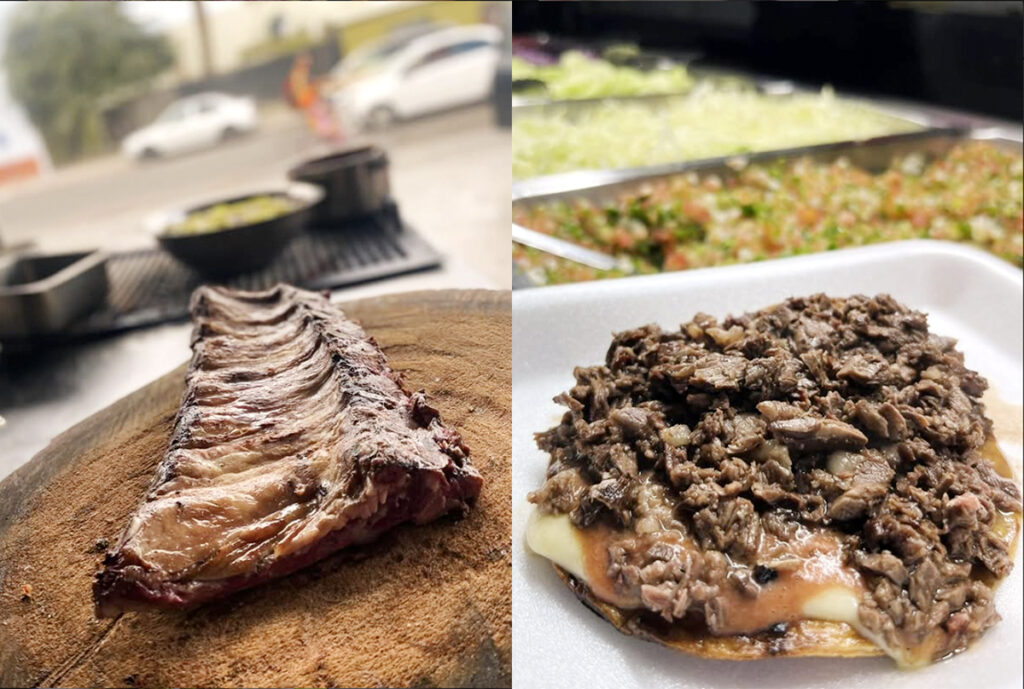
Armando’s Tacos: Tradition and Quality
Tacos de Armando began in 1986 as a food cart. Don Armando Rodríguez, its founder, worked as a butcher before opening the taco shop. His experience in that field is central to the spirit of Tacos de Armando. From the very beginning, the goal was to use the best cuts of meat. That ethic has remained unchanged ever since.
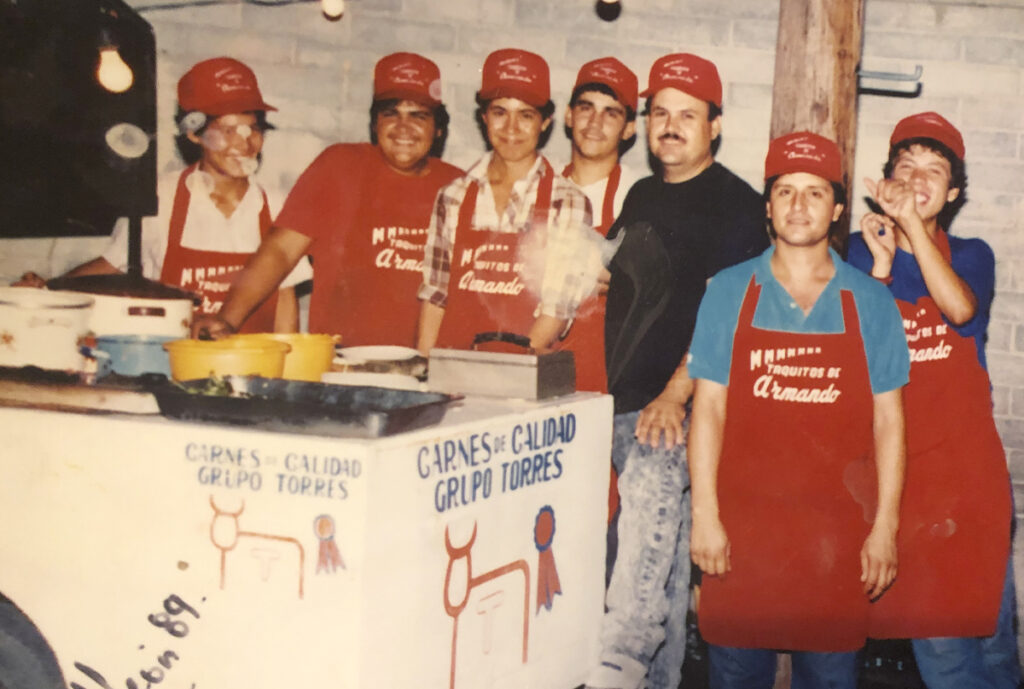
The transition from a street-side stall to a formal restaurant in 2004 did not alter the approach to making tacos. The steakhouse-style decor, open kitchen, and side-dish bar reinforce a sense of transparency, efficiency, and comfort.
What sets Tacos de Armando apart is its technical expertise and determination: making the same taco for decades, getting better at it every time.
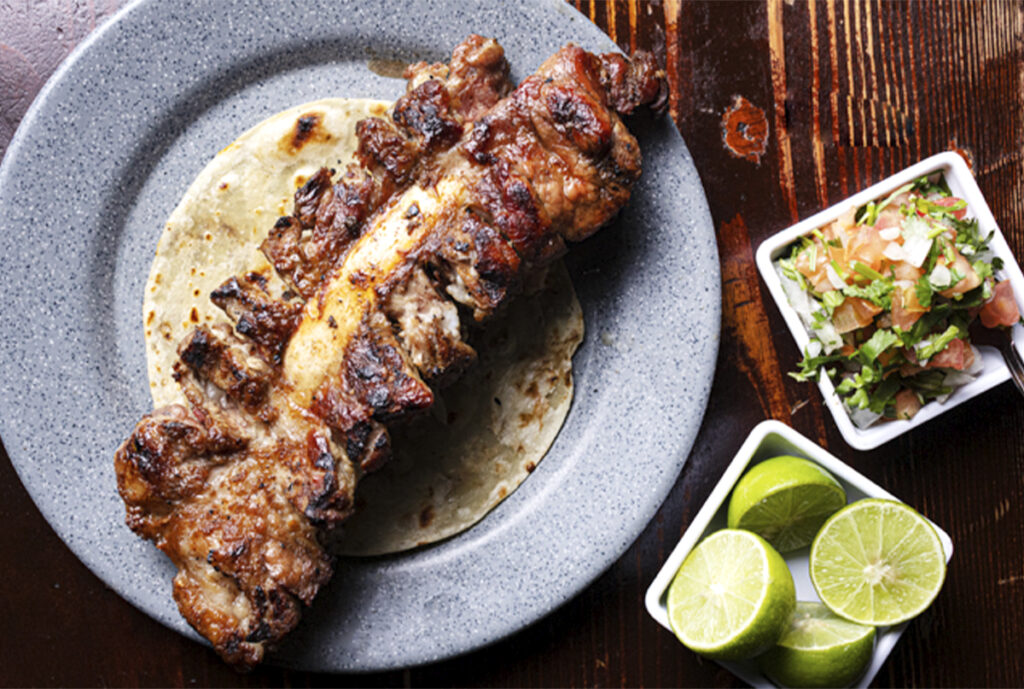
Arturo’s Tacos: between the taco and the ball
Tacos de Arturo is located in a prime spot, right next to the baseball and pickleball courts. There’s no physical or symbolic separation between the game and the food; we can move freely between the game and the charcoal grills.
The experience isn’t just about the food; it extends to the community. Between the taco and the field, attendees create a shared ritual where joy and play are just as important as the taste.
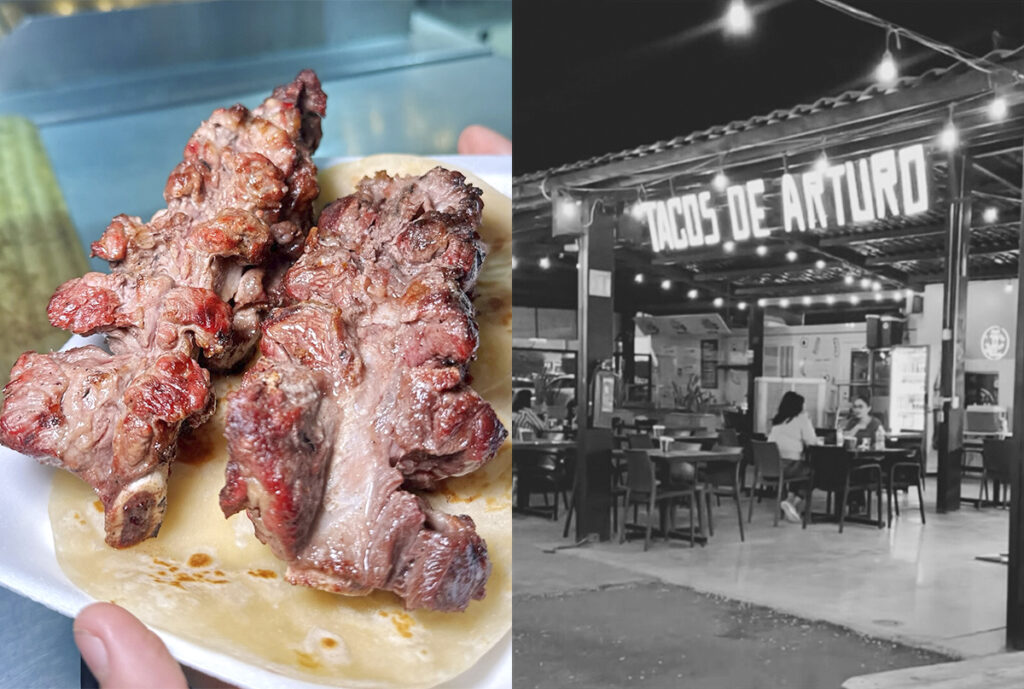
Large portions, thick cuts, and hearty dishes all follow this logic: food designed to accompany the wait, the noise, and the conversation.
Picaña Shrimp: Where Land Meets Sea
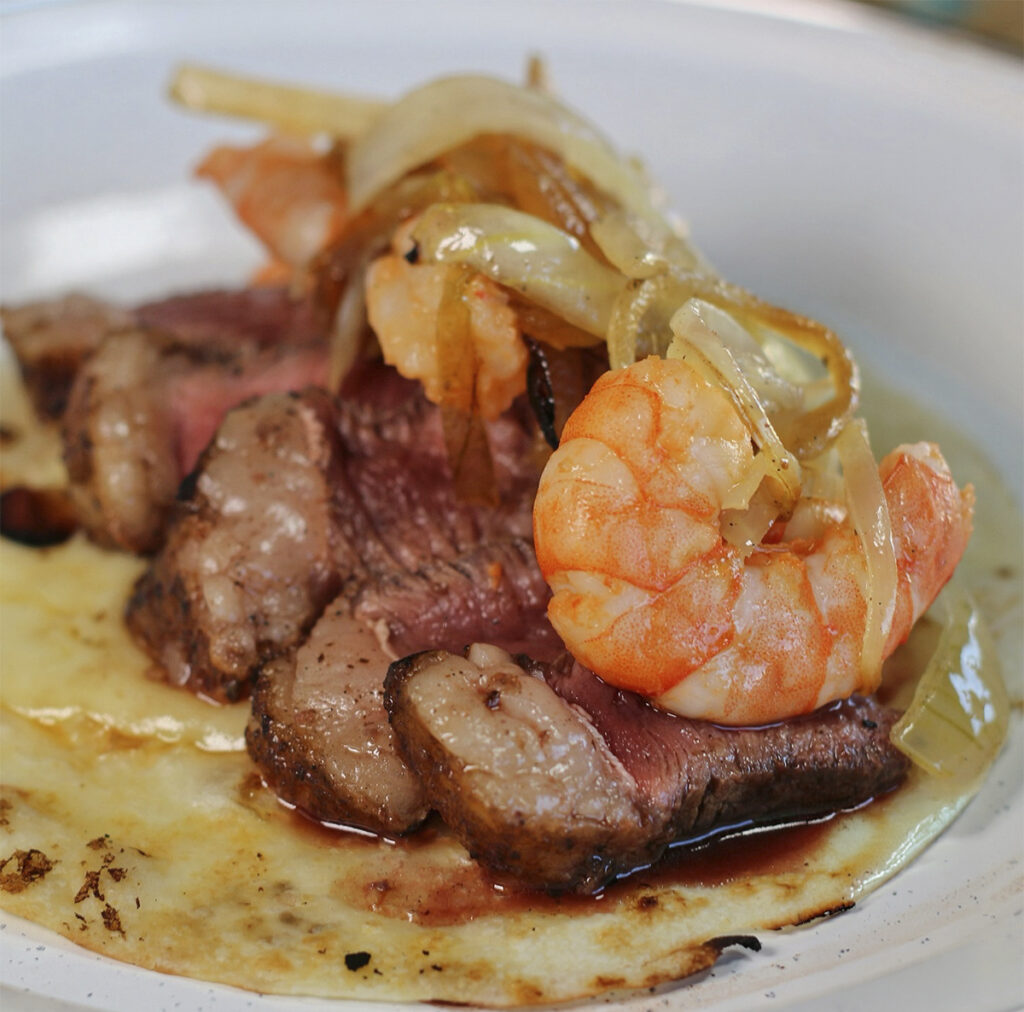
Camarón Picaña features a daring, playful, provocative—almost heretical—menu. The fusion of beef and seafood is its guiding principle. Picaña is systematically paired with shrimp. Two culinary worlds, which usually remain separate in Sonora,are forced to coexist here with the best possible result.
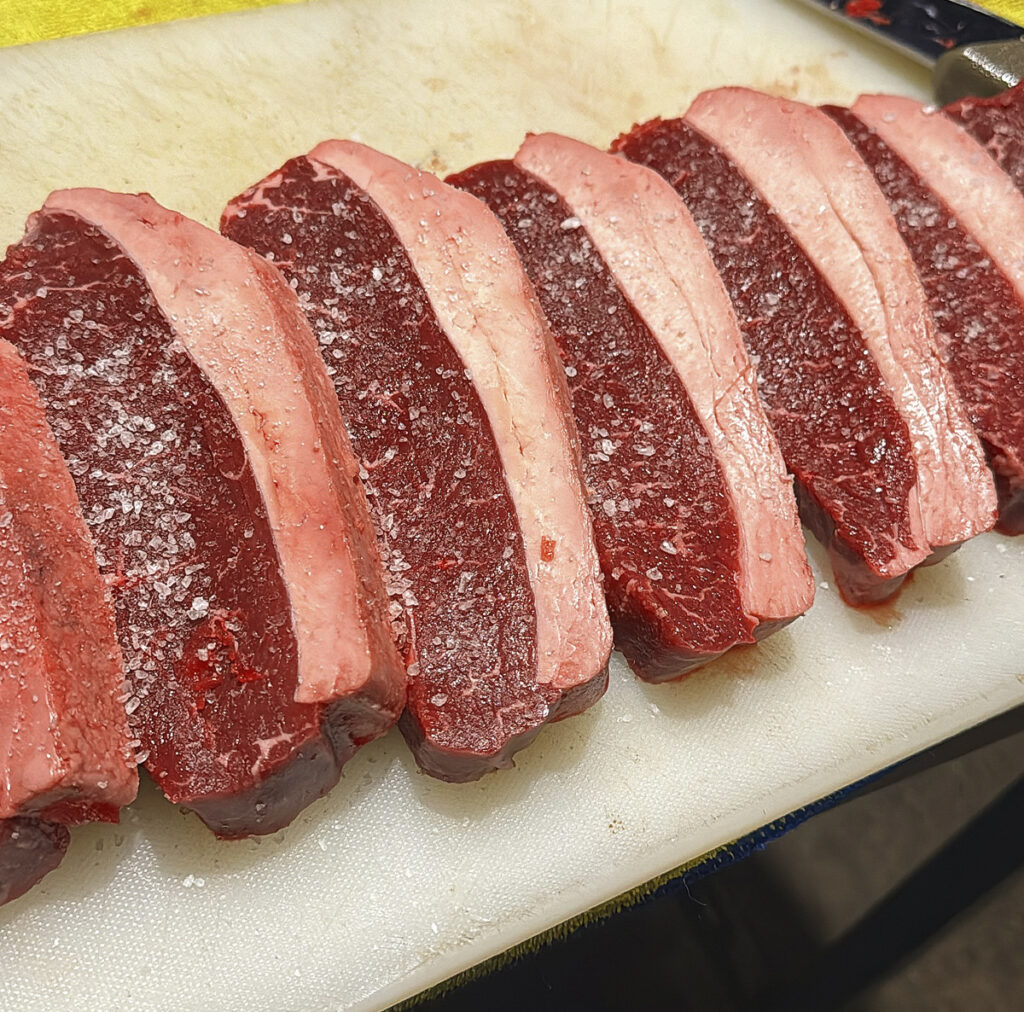
The result is a bold creation that pushes the boundaries of the country’s northern region. The Camarón Picaña taco is the signature dish: the cut of meat is served in a flour tortilla, topped with a generous helping of shrimp. As a suggestion, diners can finish the dish with garlic sauce.
Los Tizoncitos: Celebrating Excess
At Los Tizoncitos, the taco comes later. The centerpiece of the place is the sauce and condiment bar: an almost overflowing array of sauces, sides, and tempting treats.
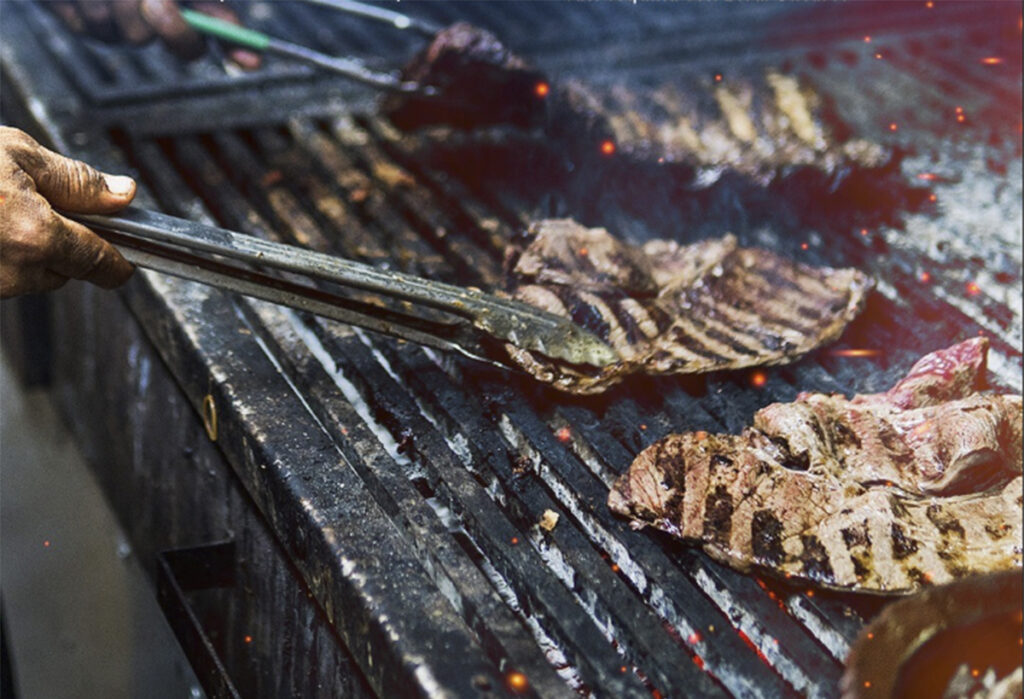
The diner is responsible for how they assemble their taco—in other words, they become a co-creator. The freshly served taco is a kind of blank canvas onto which the customer can add pineapple-habanero salsa, garlic mushrooms, rajas, cucumbers, salads, radishes, and various types of guacamole. One of them is topped with Doritos.
It is, therefore, a taqueria where customers can be as adventurous and eccentric as they like.
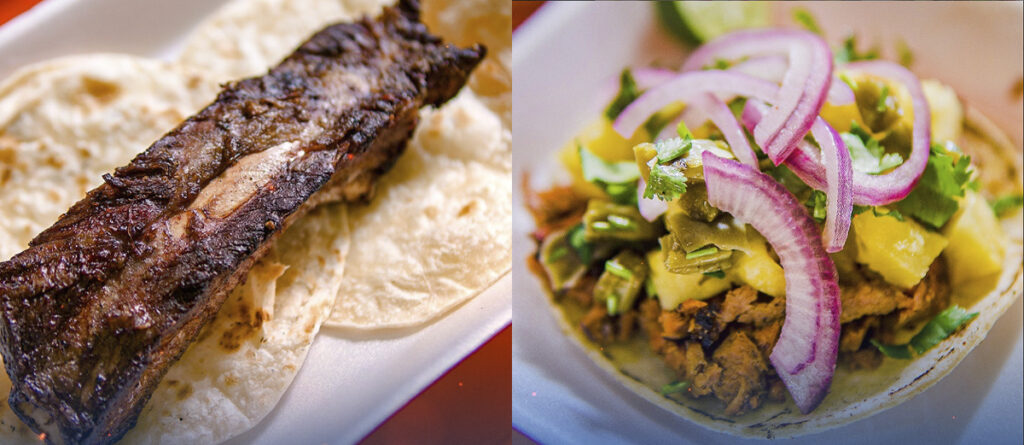
The taco: a never-ending experiment
These five taco joints show that the Sonoran taco isn’t a set formula, but rather a laboratory—a space where tradition coexists with playfulness and experimentation; a place where we can find refuge, but also have fun.
After all, the taco isn’t just a dish—it’s also a language.
Discover more restaurants in AW Magazine.