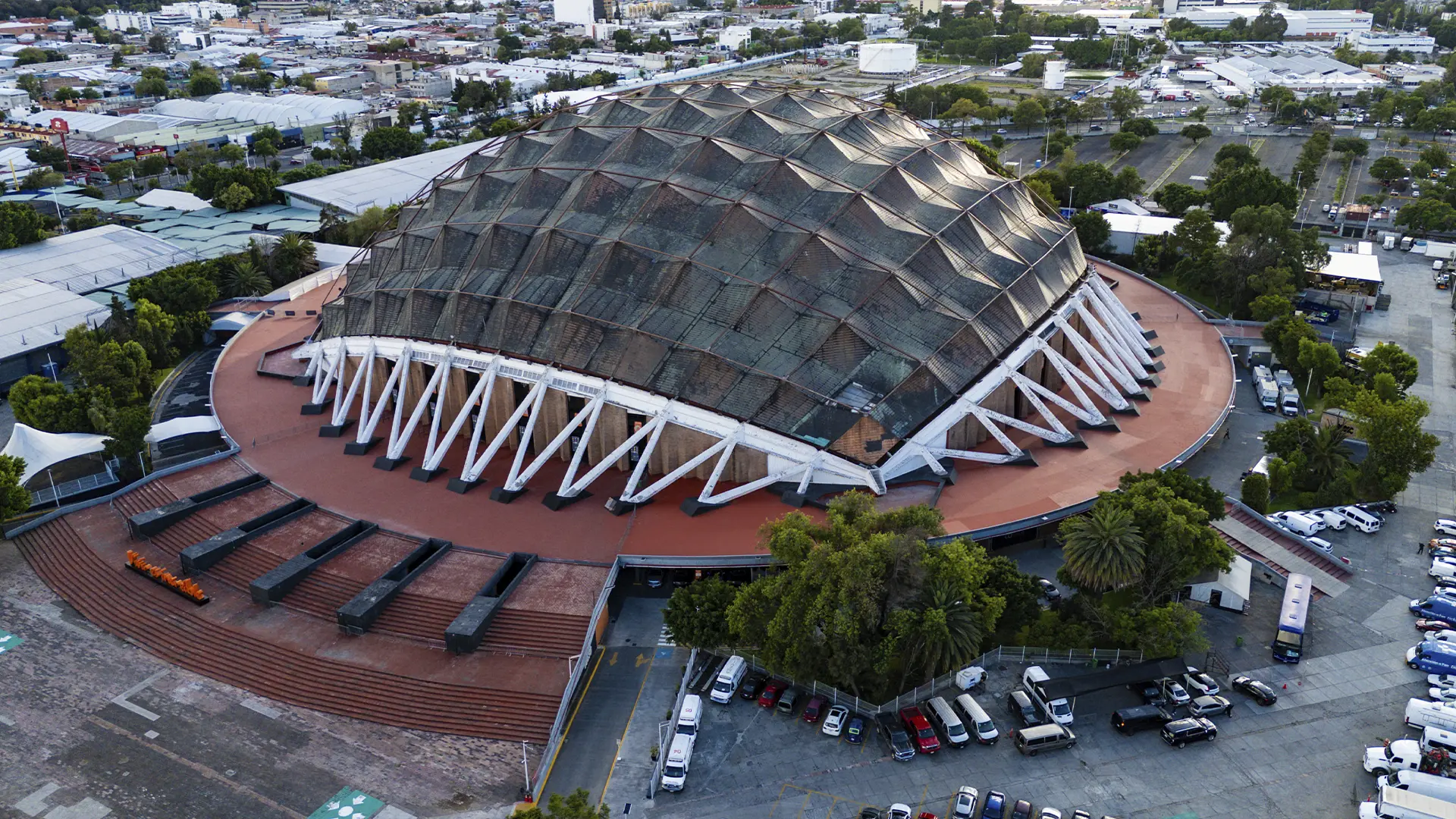

El exilio español que llegó a México tras la Guerra Civil tuvo una repercusión profunda en la vida nacional, especialmente en la vida cultural. Escritores, editores, artistas, científicos y técnicos encontraron en el país un espacio donde rehacer su vida y continuar su trabajo.
Entre esas disciplinas, la arquitectura ocupa un lugar singular: no sólo por los edificios que se levantaron, sino por cómo contribuyó a modelar la vida urbana de la Ciudad de México. La capital aún no se convertía en la meca de la modernidad que aspiraría a ser décadas después.

En AW Magazine recordamos a algunos de los arquitectos españoles más relevantes que llegaron a México después de la guerra y el ascenso del franquismo.
El contexto del exilio español en México
La Guerra Civil Española (1936–1939) no sólo destruyó un tejido social, sino que desarticuló una generación completa de profesionales e intelectuales formados en las corrientes más avanzadas del pensamiento europeo. Arquitectos vinculados a la vivienda social se vieron obligados a abandonar su país tras el triunfo del franquismo.
México, bajo el gobierno de Lázaro Cárdenas, adoptó una política de asilo sin precedentes. El Estado no sólo abrió sus fronteras, sino que reconoció títulos profesionales y facilitó la inserción laboral de los exiliados, en un momento en que el país vivía un proceso acelerado de crecimiento urbano y económico.
A México llegaron al menos dos generaciones de exiliados: por un lado, los adultos con carreras ya formadas en España; por otro, niños y jóvenes que crecieron y se educaron en México.
A partir de esta doble condición se puede trazar una cartografía diversa del exilio arquitectónico.
Félix Candela (1910–1997)
Formado en la Escuela Superior de Arquitectura de Madrid, Félix Candela llegó a México en 1939. Su perfil híbrido —a medio camino entre la arquitectura y la ingeniería— marcó desde el inicio una manera distinta de entender el proyecto arquitectónico.
En México fundó la empresa Cubiertas Ala, desde la que desarrolló las célebres estructuras laminares de concreto armado, conocidas como cascarones. Obras como el restaurante Los Manantiales en Xochimilco, la iglesia de la Medalla Milagrosa o el Laboratorio de Rayos Cósmicos en Ciudad Universitaria redefinieron la relación entre forma, cálculo y economía de medios.

Tomás Bilbao (1890–1954)
Arquitecto formado en Madrid, Tomás Bilbao desarrolló en España una carrera estrechamente ligada a la vivienda social y a los debates urbanos de la Segunda República. El triunfo franquista truncó de manera abrupta tanto su actividad política como su proyección profesional.
Tras un exilio especialmente complejo, Bilbao llegó a México en 1942, donde encontró condiciones muy distintas a las que habían dado sentido a su práctica en España. En territorio mexicano, su producción arquitectónica fue más acotada.
Trabajó en proyectos industriales y comerciales, y colaboró con otros arquitectos exiliados. Su figura representa a una generación de arquitectos para quienes el exilio no significó la continuidad del reconocimiento, sino la persistencia del oficio como forma de resistencia y coherencia vital.
Francisco Azorín (1885–1975)
Arquitecto y político socialista, Francisco Azorín llegó a México en 1939. A diferencia de otros colegas, logró una reinserción profesional sostenida, combinando la práctica arquitectónica con la docencia y la militancia política en el exilio.
En México participó en proyectos de vivienda económica a través de la Cooperativa Pablo Iglesias y ejerció como catedrático de hidráulica en la Universidad Autónoma de Puebla, lo que amplió su influencia más allá del diseño de espacios y edificios.
Su trayectoria muestra una arquitectura entendida como proyecto social, donde la vivienda, la enseñanza y la organización colectiva forman parte de una misma visión ética del espacio construido.
José Luis Benlliure Galán (1928–1994)
Benlliure Galán llegó a México siendo un niño, con apenas once años, y se formó en el país. Nieto del escultor Mariano Benlliure e hijo de un arquitecto, su obra está profundamente ligada a la Ciudad de México.
Es autor de edificios emblemáticos como el mencionado Conjunto Aristos. También participó en la recuperación de espacios públicos como la Plaza del Palacio de Bellas Artes.
Después del terremoto de 1985, trabajó en la conservación del patrimonio y en proyectos de reconstrucción. Su arquitectura se caracteriza por la atención al sitio, al detalle y por una voluntad de inserción respetuosa en el entorno urbano.

Bernardo Giner de los Ríos (1888–1970)
Llegó a México en 1941. Fue uno de los arquitectos más duramente sancionados por el franquismo. En México retomó su práctica profesional y realizó obras de arquitectura urbana como los cines Mariscala y México, al tiempo que se convirtió en una figura central del exilio institucional, ligado al Ateneo Español y al gobierno republicano en el exilio.
Su figura encarna una arquitectura entendida como servicio público, donde el diseño y la memoria política forman parte de un mismo compromiso con la vida colectiva.
Habitar el exilio
Más que un estilo o una escuela, estos arquitectos compartieron una forma de entender la arquitectura como respuesta a circunstancias históricas extremas.
El exilio no fue sólo un relato biográfico, sino una manera de habitar el espacio, de adaptarse a un nuevo territorio y de construir ciudad desde la experiencia de la pérdida. Sus obras, muchas veces integradas de forma silenciosa al paisaje urbano, nos recuerdan que la modernidad mexicana también se levantó desde el desplazamiento, la técnica y la voluntad de empezar de nuevo.
Conoce a otros arquitectos en AW Magazine.
Encuentra más historias como esta explorando arquitectura contemporánea y patrimonial.