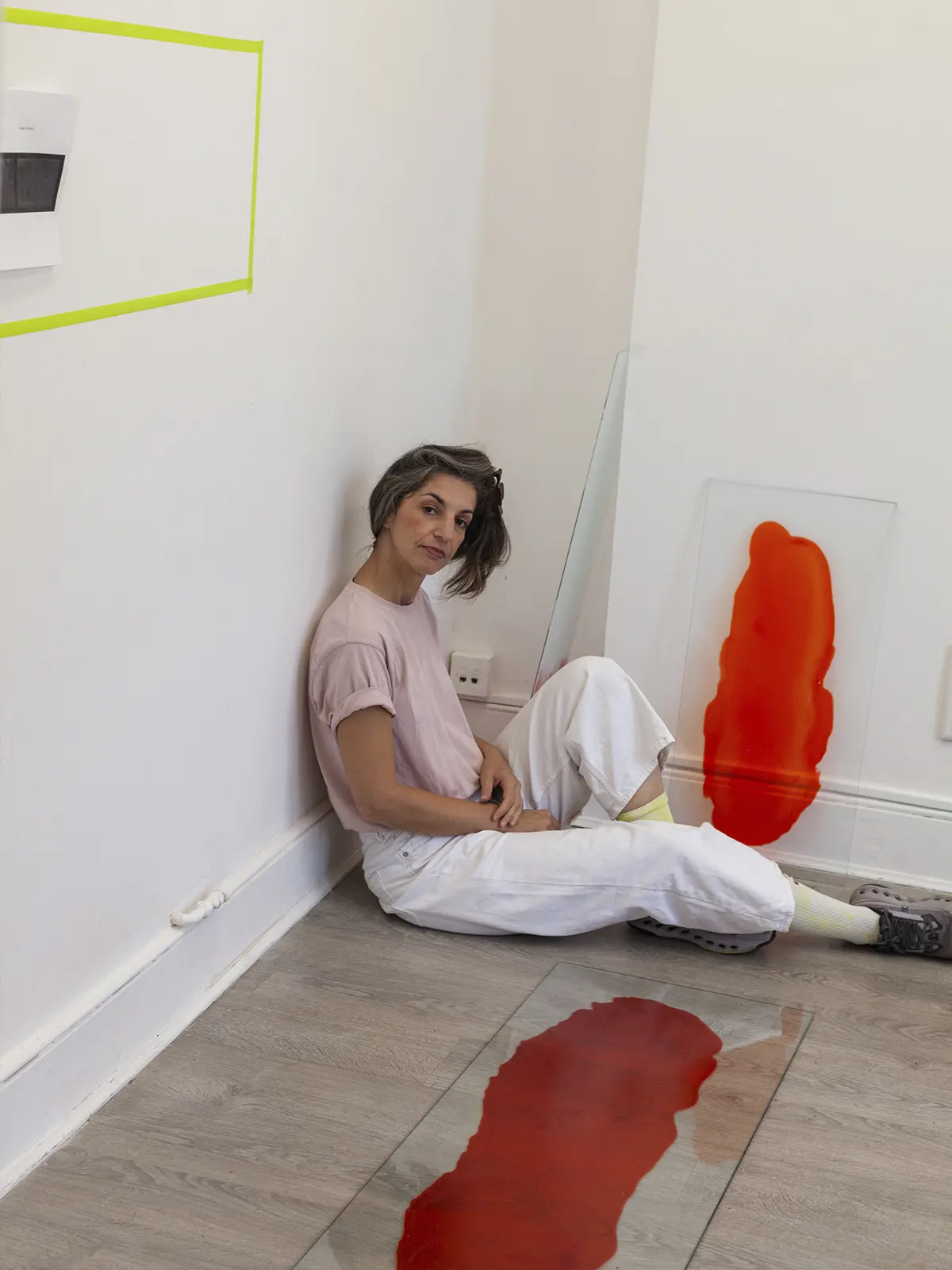
Curro Borrego, fundador de la galería CURRO, nos recibe en su espacio un día después de la temporada más vertiginosa del año para el mundo del arte en Guadalajara. Acaba de terminar la Semana del Arte y, en las paredes, aún resuenan los ecos de coleccionistas, visitantes y artistas que pasaron por el estudio como parte del evento.

Curro, como es más conocido por sus amigos y colegas, nos confiesa que padece “depresión postparto” por el bajón tras “un fin de semana que planeas con tanta anticipación y quieres que sea perfecto. Cada año esto crece exponencialmente de forma increíble, tanto que me abruma y no sé qué tanto visitar. Pero siempre tengo estos hitos a los que procuro no faltar. Cada añola Semana del Arte se convierte en un animal propio, que ya nadie controla, sino que es una cosa en sí misma”, asegura.
Justo estaba preparando las maletas para Zona Maco en CDMX. El planeta no se detiene, tampoco el amor al arte.
CURRO y el apetito por el arte en Jalisco y para el público internacional
En casi 20 años de historia, CURRO se ha convertido en un referente del arte contemporáneo de Guadalajara, Jalisco, para una audiencia internacional. Años en los que el espacio ha sido tanto protagonista como testigo de la escena.
“Después de tantos años, percibo al público con mucha hambre de consumir arte, de visitar espacios; además, en Guadalajara somos una ciudad muy pachanguera y eso también le gusta mucho a la gente que viene”, reconoce, “siempre y cuando siga existiendo ese apetito, pues hay que ser proveedores del mismo”.

CURRO: ¿Cómo son los coleccionistas actuales?
El nuevo coleccionista es parte de ese público y, precisamente, uno de los objetivos de CURRO es procurar satisfacer esa demanda: “Cuando estás empezando a coleccionar arte, a veces necesitas un pequeño impulso o un pretexto. En este caso, se trata de generar mucha confianza para que el entusiasmo venga acompañado de tranquilidad por parte del potencial coleccionista.
En CURRO hemos probado que, a lo largo de los años, hemos ofrecido mucha seriedad y un programa muy constante; eso también es importante a la hora de tomar decisiones. Que los coleccionistas se sientan muy seguros, porque saben que están apostando por cosas interesantes, novedosas, experimentales, pero que al mismo tiempo están acompañadas de una carrera importante”, asegura.
Sobre lo que significa ser una galería tapatía en un mundo globalizado y el diálogo con la identidad local en medio de la gran proyección internacional de CURRO, opina: “Es un reto, porque podría darse el caso de que, como ahora Guadalajara está en el centro de atención, la gente esperara que habláramos de un movimiento regional o específico, algo que jamás nos ha interesado. Nosotros siempre hemos intentado contar con un abanico global, sí con intereses similares, pero nunca hablamos desde la regionalidad”, afirma Curro.

Los desafíos de CURRO
“Es interesante el fenómeno y, obviamente, trabajamos con artistas locales porque es lo que tenemos alrededor, con lo que hemos crecido y que creo que hemos nutrido. Sin embargo, ese es un desafío que veo como galería de Guadalajara, y creemos que es importante que la gente empiece a ver el consumo, aunque sea visual, del arte de una forma más global, sin etiqueta geográfica o nacional”.
No obstante, para Curro es claro que hay una línea que distingue la curaduría de la galería: “Claro, tenemos bien definido lo que nos gusta, pero intentamos retarnos a nosotros mismos para no ser simplemente complacientes”.
«Si queremos ser líderes del discurso, también tenemos que animarnos a tomar riesgos con los que no siempre estamos cómodos, pero que sí son coherentes con nuestras intenciones y nuestra estética»— Curro
“Me interesan las soluciones elegantes para estas ideas complicadas”, afirma. “Estoy bastante interesado en que la solución sea igual de ingeniosa que el concepto. Y eso termina generando estéticas, casi siempre, quizá limpias. Es algo que hemos intentado hacer a lo largo de todos estos años y que a veces nos funciona más que otras; pero aquí seguimos: esa es la estética que nos ha distinguido”, explica.
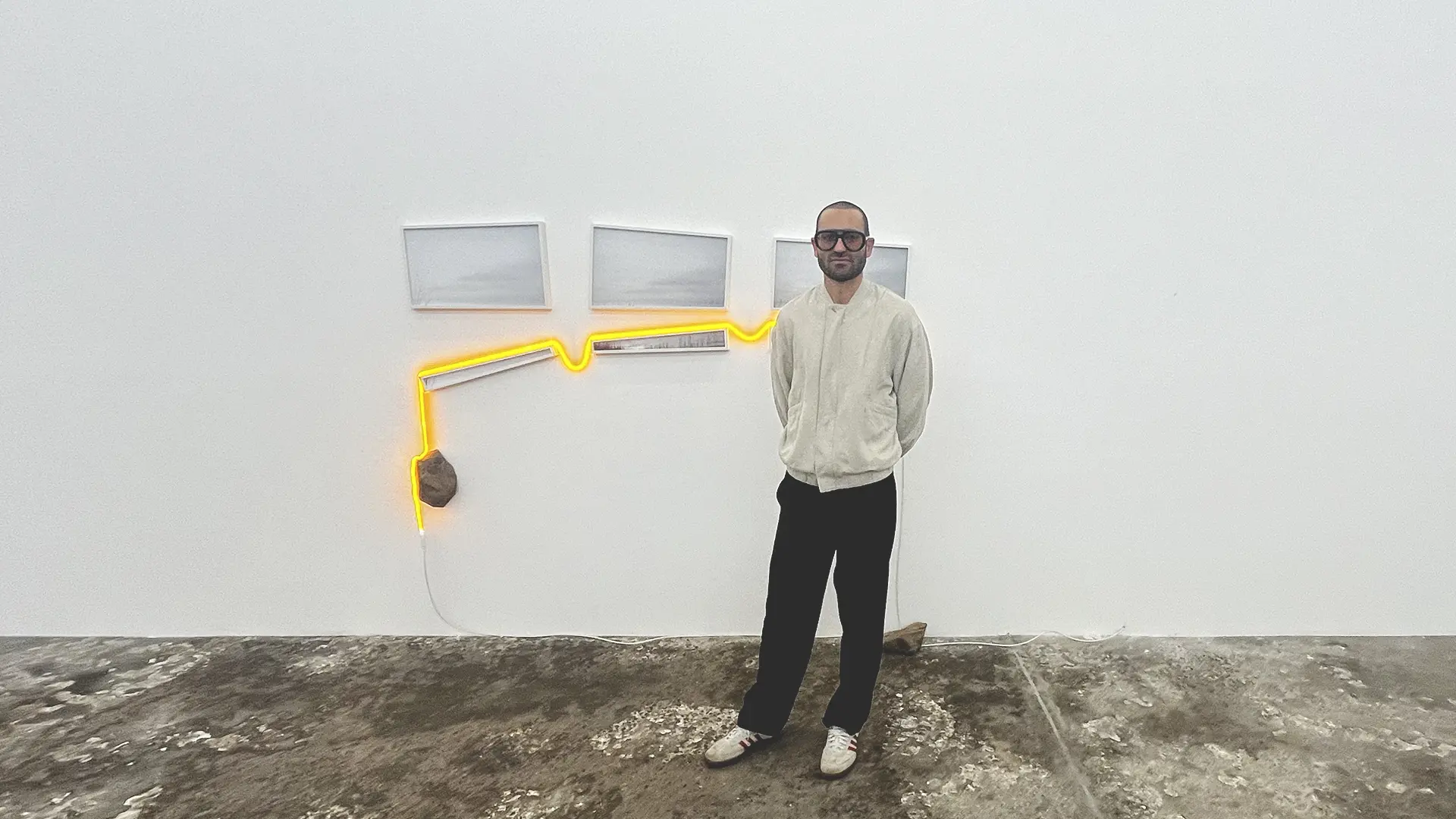
Lo más riesgoso que la galería ha enfrentado en estos años: existir. “Sí, porque cuando comenzamos no existía esta escena que hay ahora. Yo era muy joven, me costaba muchísimo trabajo lograr que los pocos coleccionistas me voltearan a ver y que los artistas me acompañaran en el camino. Y algo muy arriesgado también ha sido que siempre nos ha interesado el trabajo multidisciplinario: no le tenemos miedo a la instalación, al video, a la escultura, a la foto, lo que sea. Y eso obviamente es un reto, especialmente hoy con las tendencias que hay de mercado donde el enfoque está muy cargado a la pintura”.
El nuevo orden mundial del arte
Y esa tendencia, explica, tiene que ver con la economía. Los envíos de pinturas son más accesibles y el mercado los absorbe mejor. Para Curro, se avecina un cambio importante en la distribución del arte:“El nuevo orden mundial está complicando mucho los envíos, está complicando muchas cosas por las restricciones geográficas, lo cual también nos hace restarle interés a ciertas ferias de arte que antes eran trascendentales en nuestro calendario. De hecho, yo creo que muchas de estas ferias van a dejar de existir en los próximos años por esos temas de frontera”.
Frente a eso, Curro asegura que las galerías tendrán que inventar nuevas estrategias, y que una luz en el camino es apostar aún más por la globalización.

Balance & Shift en Galería CURRO
Actualmente, la galería cuenta con la exposición Balance & Shift, organizada por Richard T. Walker junto a Letha Wilson, y con la participación de Meg Lipke, Teresa Baker y Dion Lee. “Ni uno es mexicano, mucho menos tapatío, pero yo creo que la estética es muy de aquí, es muy espacial y elegante. La exploración del paisaje y cómo llevarlo a la plástica, igual representa un reto muy complicado”, zanja.
El encuentro dominical termina —el viaje a CDMX esperaba a Galería CURRO y su equipo— con algo claro: este consolidado espacio para el arte en el occidente de la república es más que lo que habita sus cuatro paredes, y más allá de las piezas, las instalaciones y su historia, detrás hay postura y una opinión sobre lo que sucede alrededor del mundo del arte tanto en Guadalajara como en México y el mundo.
CURRO | Andrés Terán 726, col Santa Teresita, Guadalajara
Conoce más de los galeristas y estudios que dictan la tendencia, en AW Magazine
Encuentra más historias como esta explorando el arte contemporáneo de Latinoamérica; también puedes continuar por las galerías que marcan agenda.