“Yo creo que no importa de dónde vengas, si vienes del coleccionismo o de un ámbito más académico; lo más importante es ese compromiso hacia los artistas y con la difusión del arte en general”. Livia Benavides abrió la galería que lleva su nombre hace ya 14 años, en el contexto de un Perú en el que en ese momento ya había una producción creativa vasta y potente. Livia, quien venía del mundo del coleccionismo previo a su incursión como gestora y galerista, vivía en ese momento en Alemania.

“Cuando regresé a Lima me di cuenta de que había poca representación y cero plataformas para artistas en Perú”, asegura.
“Ahora, yo no soy una gran coleccionista, pero es esa pasión que sentía y la forma en que me relaciono con el arte. El arte me habla, me hace reflexionar. Creo que, en ese sentido, te hace sensibilizarte a lo que pasa a tu alrededor y poder entender de dónde viene y quizás hacia dónde va”, confiesa.
El impulso de comprar arte
Su aventura comenzó, cuando compró su primera pieza con el cheque de su primer pago. Trabajaba en una compañía financiera en Houston y adquirió la obra en un café, una pintura, sin saber siquiera de quién era; en realidad, fue “más que nada un impulso”, recuerda. A la fecha. aunque tiene la pieza en casa, no tiene claro quién es el autor.
Antes de eso, todo su círculo de amistades terminaba vinculado al mundo de la producción creativa. Siempre estuvo muy relacionada con la producción artística y tuvo obras de arte de sus amigos desde la escuela, desde el colegio.

En realidad, la primera obra de arte que compró provenía de su propio círculo de amistades. Fue más bien un intercambio simbólico, casi un regalo. Considera que su primera obra, en un sentido más formal o reconocido, fue a través de un amigo, Esteban Igartua, pintor peruano radicado en Inglaterra. Esa fue, digamos, su primera obra reconocida.
El formato de Galería Livia Benavides
“Al inaugurar la galería en mi país, sentí que estaba dando vida a un espacio que aportaba algo a mi comunidad”, reconoce. Si bien al inicio la consigna fue representar a artistas locales, con el tiempo eso ha ido cambiando y ahora cuenta con un roster internacional que incluye creadores de Chile, Guatemala y Bolivia.
El formato de la galería sigue el modelo internacional de representación: “Nuestra misión es desarrollar la carrera a través de difundir el trabajo y tratar de crear vínculos institucionales y con el coleccionismo”, asegura.

Ante la pregunta sobre cómo ha evolucionado el sector en Perú, es clara: “Yo creo que cada vez, a través de esta proliferación de ferias de arte, la escena se ha vuelto más globalizada, lo cual trae ventajas porque Latinoamérica siempre ha estado un poco más en la periferia. Eso nos permite entrar a mercados más globales”.
Arte en una región politizada
En una zona tradicionalmente —y cada vez más— politizada y en pugna ideológica, Livia opina sobre la influencia de esos factores en la forma en que los artistas latinoamericanos crean y presentan su obra: “Siento que esos son los ejes por los cuales los artistas comienzan a desarrollar sus propias investigaciones a partir de sus preocupaciones. Eso nace inherentemente o inconscientemente del imaginario colectivo de cada región. Entonces tenemos muchos lugares comunes: el colonialismo, por ejemplo, y todos esos legados ancestrales”.
«Los artistas latinoamericanos suelen cargar con una densidad conceptual más fuerte, basada en su historia» — Livia Benavides
Para Livia, el arte contemporáneo manufacturado en Perú no se percibe de forma diferente dentro de sus fronteras que fuera de ellas: “Creo que los lenguajes al final terminan siendo universales, porque definitivamente también hay un factor de influencia que es la historia del arte, lo que es universal, pero que siempre lleva esos tonos individuales regidos por las propias historias y por el propio imaginario colectivo. A nivel estético, además”.
Los artistas de Galería Livia Benavides
En este periplo de casi una década y media de la galería, Livia Benavides ha logrado tener una presencia internacional destacada: Rita Ponce de León, Ximena Garrido-Lecca —quien este 2026 presentará una escultura en el High Line de Nueva York, lo que marcará un hito en su carrera. Además, este año participó en la Bienal de Santa Fe— o Fernando Bryce son algunos de los nombres que resuenan.
Algunos de los artistas de la galería han dialogado con circuitos institucionales de primer nivel como el MoMA, la Tate, el Guggenheim o el Reina Sofía. “Igual quiero agregar a Sandra Gamarra, quien estuvo en el pabellón de España en la Bienal de Venecia de 2024 y fue la primera no nacida española que tuvo la oportunidad de representar a ese país”, añade Livia.
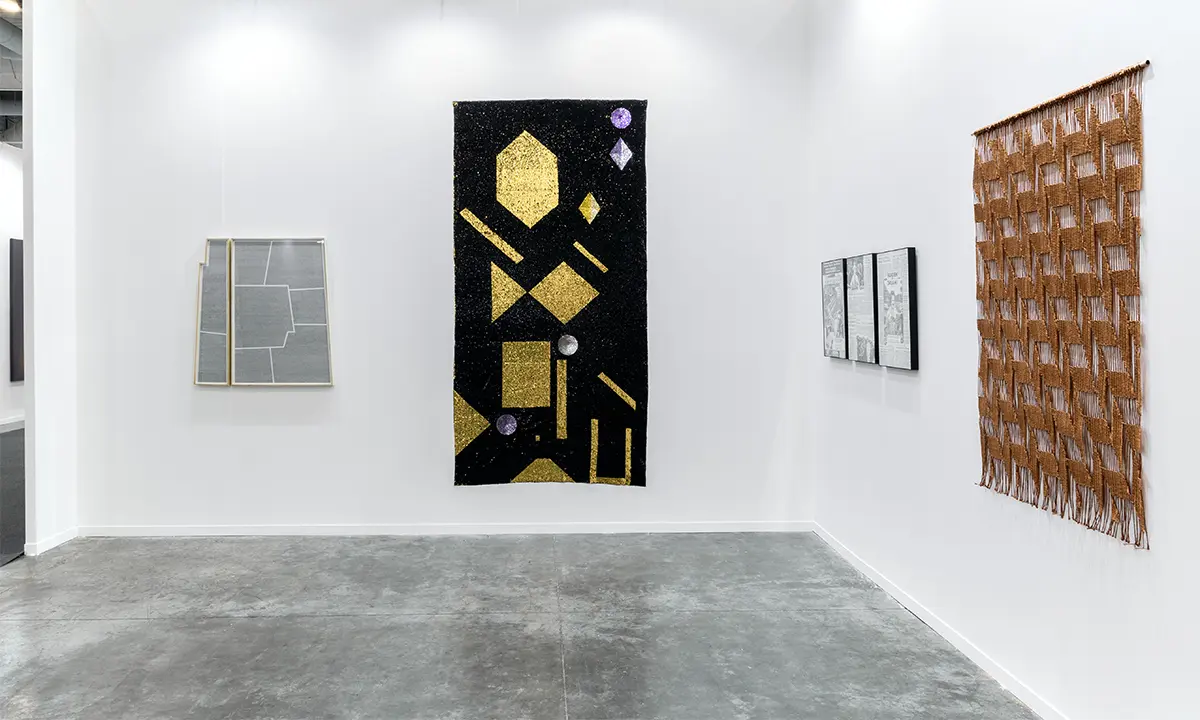
Para 2026, Galería Livia Benavides, que acaba de regresar de Zona Maco en México, continúa recorriendo el circuito principal de ferias iberoamericanas: Miami Basel, Frieze London y ARCOmadrid.
“En mi caso en particular, siendo una región que siempre está un poco en la periferia, especialmente en países como Perú, Chile, Ecuador y Bolivia, que no han tenido la oportunidad de acercarse a los mercados más importantes —como Estados Unidos, Europa y ahora Asia—, y también se está desarrollando el Medio Oriente con la nueva escena de Art Basel en Catar. Entonces creo que ese acercamiento es importante”, finaliza.
Encuentra más historias como esta explorando arte contemporáneo latinoamericano; también puedes continuar por galerías de arte contemporáneo en Latinoamérica.