Legendary Cocktails of Latin America: You can also explore the region through its drinks, which are a fundamental part of its culinary culture. These beverages hold stories of migration, ports, and bars. Each cocktail is a snapshot of the local climate, customs, and ingredients.
It’s already getting hot out, so it’s always a good idea to cool off with a homemade frozen drink shared with friends. At AW Magazine, we’re bringing you five legendary cocktails, complete with recipes, so you can make them yourself.
Enjoy them responsibly.
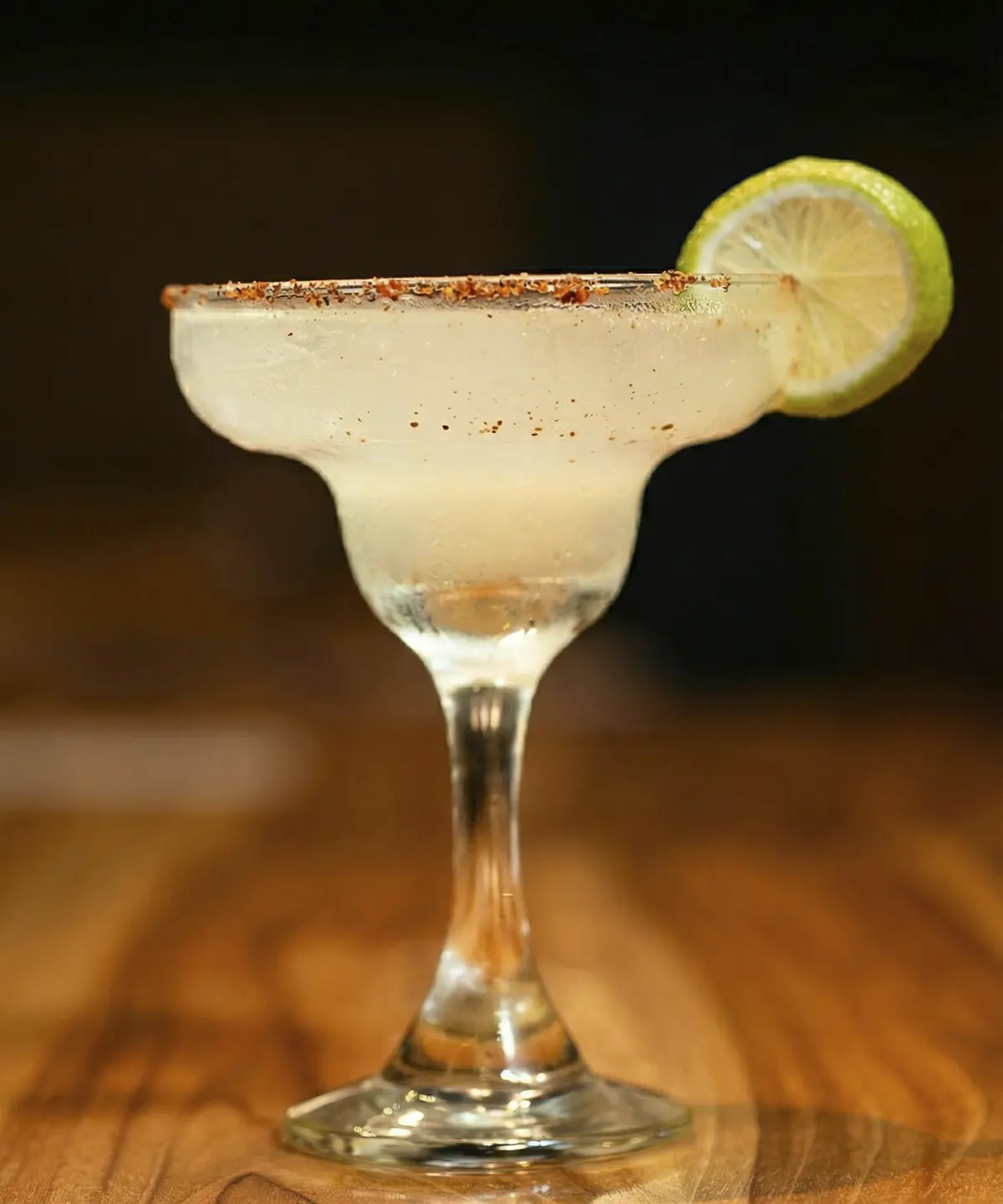
Margarita: Beautiful, Beloved Mexico
The origins of this drink are unclear. Some trace it back to bars in northern Mexico in the 1940s; other sources mention bartenders who improvised a drink using tequila and orange liqueur for a female customer named Margarita. There is also a more sophisticated variation made with mezcal.
However, there are two things we know for sure: the drink’s connection to Mexico and the fact that it’s delicious. The Margarita is a Mexican icon because its main ingredient is tequila, the country’s most iconic spirit alongside mezcal. It combines tequila with lime and salt—flavors that are staples of Mexican cuisine.
It’s a tart, slightly sweet drink that’s always served cold. Perfect for kicking off the afternoon.
Ingredients
60 ml (2 oz) white tequila or mezcal
30 ml (1 oz) triple sec
30 ml (1 oz) freshly squeezed lemon juice
15 ml (½ oz) simple syrup or agave syrup (optional)
Ice
Flaking salt
A slice or wedge of lemon
Preparation
Rim the edge of a glass with salt.
Place the tequila, triple sec, lemon juice, and simple syrup in a cocktail shaker.
Add ice and shake for 10–15 seconds.
Strain into the prepared glass.
Garnish with lemon.
Caipirinha: more Brazilian than Caetano Veloso
There are also vague accounts of its history: some say it originated in rural areas of São Paulo, while others claim that, before becoming a cocktail, it was a home remedy during the Spanish flu.
The truth is that it’s made with cachaça, a sugarcane spirit that’s typically Brazilian. The drink also contains lime, sugar, and ice.
The Caipirinha is the perfect drink for long afternoons. AW Magazine recommends pairing it with bossa nova.
Ingredients
1–2 seedless lemons
2 tablespoons of white sugar
60 (2 oz) of cachaça
Ice
Preparation
Cut the lemon into quarters and place them in an old-fashioned glass.
Add the sugar and gently stir.
Fill the glass with crushed ice.
Add the cachaça.
Stir gently before drinking.

Pisco Sour: Between Peru and Chile
Both countries dispute the origin and heritage of the Pisco Sour. For the same reason, accounts of its creation vary in terms of dates and locations.
It belongs to the “sour” family of cocktails, which combine spirits, citrus, and sweet ingredients. An egg white is added, giving it an incredible, frothy texture. It also features a few drops of Angostura bitters on top of the foam.
The result is well-balanced and full of character. A South American classic that has traveled the world.
Ingredients
90 ml (3 oz) pisco
30 ml (1 oz) freshly squeezed lemon juice
30 ml (1 oz) gum syrup
1 egg white
Ice
1–2 drops of bitters
Preparation
Place the pisco, lemon, syrup, and egg white in a cocktail shaker.
Add ice and shake vigorously for 10–15 seconds.
Strain into a chilled glass.
Add a few drops of bitters to the foam.

Mojito: Sipping Cuba Amid Fresh Grass
The Mojito always makes us think of Cuba and its bars in Havana. Some accounts of its origins link it to old cane spirits mixed with lime and herbs; other stories associate it with iconic bars of the 20th century.
It’s made with white rum and mint. It’s a long drink, perfect for the Caribbean heat.
Ingredients
60 ml (2 oz) white rum
30 ml (1 oz) lemon juice
2–3 teaspoons of sugar or 20 ml of simple syrup
8–15 fresh mint leaves
Ice
Sparkling water to top it off
Preparation
Place the mint, sugar, and lemon in a tall glass.
Gently crush.
Add the rum.
Fill with ice and top off with sparkling water.
Mix and garnish with mint.
Fernandito: The Heart and Soul of the Argentine Barbecue
The Fernandito, or Fernet mixed with cola, is an Argentine icon, especially in the province of Córdoba. It originated from the combination of the amaro brought over by Italian immigrants and the local drinking culture.
The drink became a part of everyday life in Argentina and then spread to neighboring countries.
It’s bitter, sweet, and served over plenty of ice.
Ingredients
60–90 ml of Fernet
Coca-Cola
A lot of ice
Preparation
Fill a tall glass with ice.
Add the Fernet (30–40% of the total volume).
Top it off with cola.
Stir gently.

Latin America and Responsible Drinking
This list is just a small sampling of the much larger world of Latin American beverages. Enjoy your choice responsibly. What are you in the mood for this weekend?
To keep exploring this thread, visit cultural destinations with soul; you can also continue through food with identity.