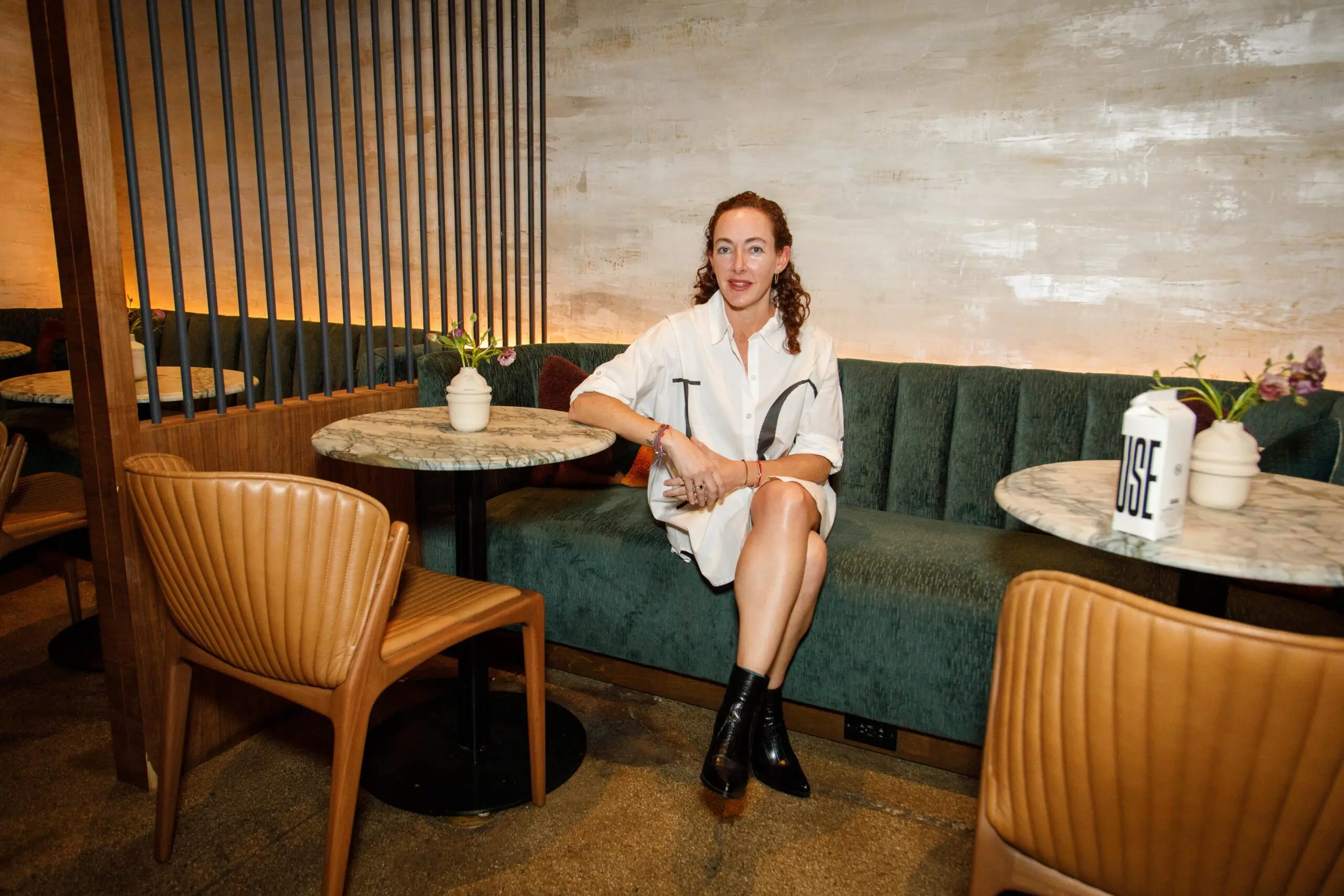

En 2014 nació la galería Karen Huber, fundada por la galerista mexicana del mismo nombre. Más de una década después, el espacio se ha consolidado como una referencia en pintura contemporánea. Elocuente y analítica, Huber trasciende el rol tradicional de galerista: su espacio es también un lugar de análisis, discusión y pensamiento en torno al arte. En 2016 se integró al Consejo Editorial de Cultura del periódico Reforma. Desde 2025, es curadora de la sección Arte Sur en la feria Art Toronto. En 2022 formó parte del comité de selección de la sección general de ZONAMACO. Platicamos con ella.

Me llama la atención que desde que surgió la galería mostró atención al análisis y al debate que se puede generar alrededor del arte. ¿Cómo ha cambiado lo que se muestra y lo que sucede alrededor?
Desde el momento en que decidí abrir la galería, allá por 2014, ya enfocada en la pintura contemporánea, sí predominaba la pintura, pero no era la que veíamos en los museos. Era más arte objeto, arte conceptual o dibujo. En ese momento el debate con muchos colegas era: ¿la pintura va a morir? Y mi respuesta era que no.
Desde el inicio, apostaste por la pintura, ¿cierto?
Desde el día uno, desde la primera exposición que hicimos en el edificio Vizcaya con la artista visual argentina, Ad Minoliti en septiembre de 2014, apostamos por la pintura. Pero ya estaba sucediendo desde otros medios: lo podemos ver incluso en la obra actual de la misma Minoliti y sus maneras de hablar de la pintura pero con video, con serigrafía, con impresiones, con diferentes técnicas que no son pictóricas.
Así fui armando el programa tomando en cuenta pintores y pintoras que venían del quehacer del estudio, de lo académico, pero también esta posibilidad de la pintura que hoy está explotando mucho más que nunca. En cada exposición siempre empiezo platicando desde la pintura, pero en la variedad de técnicas y posibilidades. A lo mejor no hay óleo o acrílico, pero hay pigmento, dibujo, profundidad, que al final hacen que sea una buena pintura.

¿Se puede decir que es una línea de Karen Huber?
Sí, seguimos una línea y para eso es muy importante tener en cada exposición alguna plática. Les llamamos hangouts a la idea reunir gente para hablar sobre la pintura en las exposiciones y con los artistas. Esa parte siempre ha acompañado a la galería. Tenemos ese compromiso de no solamente exhibir lo que se ve como buena pintura, sino también hablarlo, decir qué está pasando hoy y por qué se permite hablar de pintura cuando no hay un pincel involucrado, cuando el proceso creativo es distinto al pintor frente al canvas.
Mencionaste algo: la buena pintura. ¿Para ti qué es una buena pintura?
Para mí tiene mucho que ver con la manufactura. El producto final, la calidad del lienzo o del soporte, que tenga buena calidad, que se vean los materiales, que esté bien ejecutada. Pero también con que cumpla conceptualmente con la idea del artista, que esté muy pegada a esa idea. Que se pueda plasmar ahí todo lo que es el artista. Que tenga conocimiento, audacia, ingenio de mostrar algo diferente, pero bien hecho. Y eso, que esté siempre pegado con el statement o la idea de quien lo creó.
Que haya congruencia entre el discurso y lo que se ve físicamente.
Exacto. Y que te deje ver algo. Una buena pintura puede ser muy abstracta, que ni siquiera tenga forma, pero que te lleve a otros mundos cuando la ves, que tenga profundidad, que te lleve más allá del gusto, si te gusta o no. Que te emocione, que te mueva, que te deje viajar un rato.
¿Recuerdas la primera vez que sentiste eso con una pintura?
No me acuerdo de una pintura como tal, pero sí me acuerdo mucho cuando en Polanco estaba el museo en Campos Elíseos. Íbamos mucho en fines de semana a museos y a lugares culturales. Mis papás se encargaban de llevarnos, aunque no se dedicaran a eso. Yo creo que ese museo de Arte Contemporáneo me impactó mucho, recuerdo esa sensación de fascinación de entrar.

Después de tanta experiencia, ¿consideras que al arte contemporáneo mexicano le hace falta autocrítica?
Sí, totalmente. Estamos rodeados de nuevas generaciones, de directores de museos, curadoras excepcionales que están trabajando internacionalmente, pero sí falta crítica. Es difícil ahorita decir qué está bien o qué está mal, porque todo está cambiando y todo está muy permitido.
«La crítica se ha vuelto muy permisiva, muy observadora. Y ahí se olvida un poco agarrar la historia de lo que ha sucedido, con lo que está pasando hoy, y ver por qué esto sí es propositivo o qué hace falta en ciertos esquemas, o qué hace falta en un país como México» — Karen Huber
¿Qué falta en este momento de la historia?
Por ejemplo, que hay muy pocas colecciones institucionales. Está creciendo el mercado privado, pero falta mucha institución, incluso intereses de empresas que podrían hacer colecciones. Sí quieren ser parte, pero a su manera, y a su manera no funciona.
Has participado en muchas cosas fuera de México. ¿Cómo entiendes tu rol?
Sí, sin duda soy galerista, claro que sí, es mi proyecto y mi pasión, tiene mi nombre, es mi visión. Me encanta trabajar con artistas y con diferentes públicos. Pero también hay una parte muy importante que es la curatorial y la gestión. Me gustan los proyectos que van más allá de mi galería, sentirme en comunidad.
¿Con quienes trabajas más actualmente, con los artistas o con los curadores?
Me interesa trabajar con curadores, con instituciones, con los mismos artistas y con amigos artistas de ellos, porque son los que profundizan más en el día a día de lo que está sucediendo mientras la historia se está escribiendo.
Por eso me gusta ser parte del comité de GAMA —la asociación de galerías presidida por Enrique Guerrero—, o ser parte de una feria como ZONAMACO. A través de eso he tenido invitaciones de ferias como Art Toronto para curar una sección de galerías latinoamericanas. Es interesante porque un país como Canadá está buscando ser más inclusivo y mirar lo que pasa en el sur, en México. Poder ser parte de algo más grande es una necesidad mía.

En ese sentido, ¿se puede hablar de una identidad latinoamericana en el arte contemporáneo?
Muchos lo aplican, pero yo no quiero hacerlo porque es entrar en el cliché de lo latinoamericano. Ya vivimos en ciudades completamente cosmopolitas. Si vas a Brasil, claro que hay artistas trabajando con lo local, pero eso no es solo Latinoamérica. Hay muchas influencias: europeas, americanas, asiáticas. Lo que vemos es con lo que crecemos, los paisajes, los colores, pero muchos artistas tienen intereses más universales. Me gusta pensar lo latinoamericano como una mezcla. Como cuando ves talavera poblana con influencia china: ahí está la mezcla. Eso es Latinoamérica para mí.
¿Y en México hay escenas distinguibles?
Sí, claro. Estamos conviviendo, viendo lo que pasa en Monterrey, Guadalajara, museos del norte. Pero sí hay escenas. Una muy grande es la de la Ciudad de México. Y me gustaría ver más cosas pasando en otros estados, porque hay artistas en todo México. Es complejo crear todo el ecosistema: artistas, estudios, galerías, coleccionistas, museos, curadores. Aun así, tenemos un ecosistema muy potente, a la par de ciudades como Londres o Nueva York.
¿Qué viene próximamente en la galería Karen Huber?
Condo, una iniciativa que empezó en Londres y se autogestiona en cada país. Consiste en que una galería recibe a otra de fuera y exponen juntas. Inauguramos el 23 de abril, con horarios extendidos y muchas actividades para que la gente recorra distintas galerías. Es interesante porque puedes ir a una galería local y descubrir una de Francia o Japón sin salir de la ciudad.
¿Y de manera independiente a las ferias, qué viene?
Presentamos la primera exposición de Cristian Camacho, un artista conceptual que trabaja la pintura como mosaicos bizantinos, utilizando pinceles cuadrados con gran meticulosidad. La muestra, Santa Catarina, aborda paisajes industriales y la vida cotidiana en Monterrey.

En el Project Room recibiremos a Tiro al Blanco, galería de Guadalajara, con obra de Iza Carrillo. Además, continuamos con proyectos como el pop-up en Madrid durante la semana del arte, donde realizamos exposiciones colectivas. Me interesa mucho lo que está sucediendo allá y seguir colaborando con la escena española.
Descubre más entrevistas con quienes dan vida al arte contemporáneo en Latinoamérica, en AW Magazine.
Foto de portada: Santiago Maba
Encuentra más historias como esta explorando artistas y galerías contemporáneas; también puedes continuar por perfiles de artistas latinoamericanos.