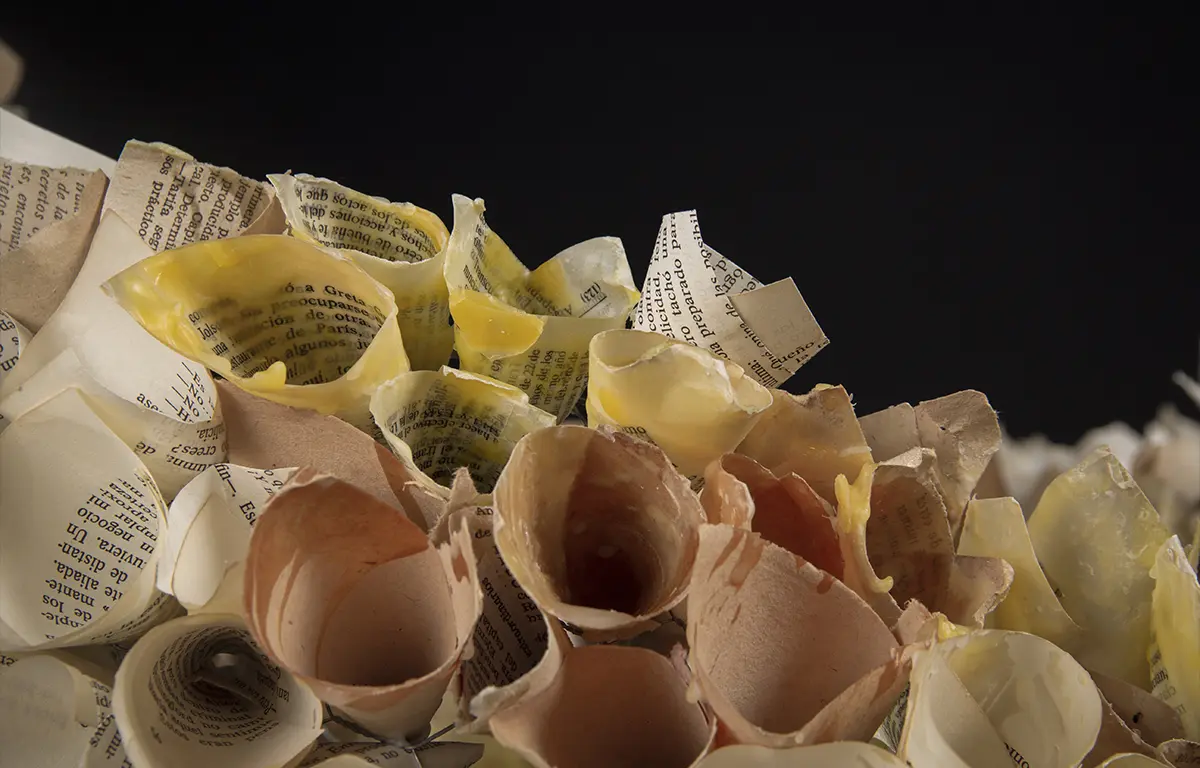
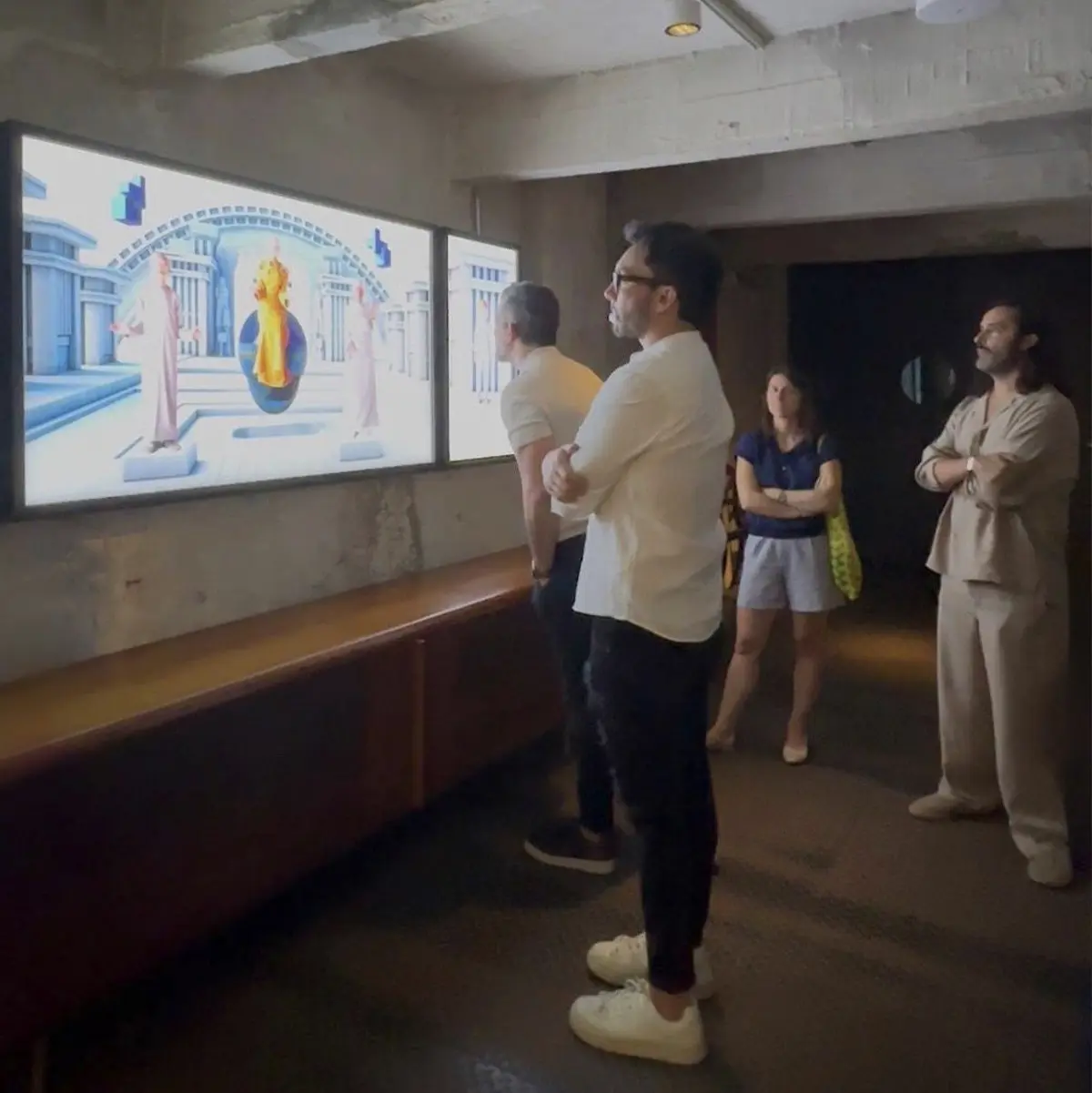
El coleccionismo joven en México está creciendo rápidamente y Flux/Lab se posiciona como una galería clave para guiar a nuevos compradores en arte contemporáneo.
Este texto explora las tendencias del mercado, el perfil del nuevo coleccionista y cómo Flux/Lab impulsa esta transformación.
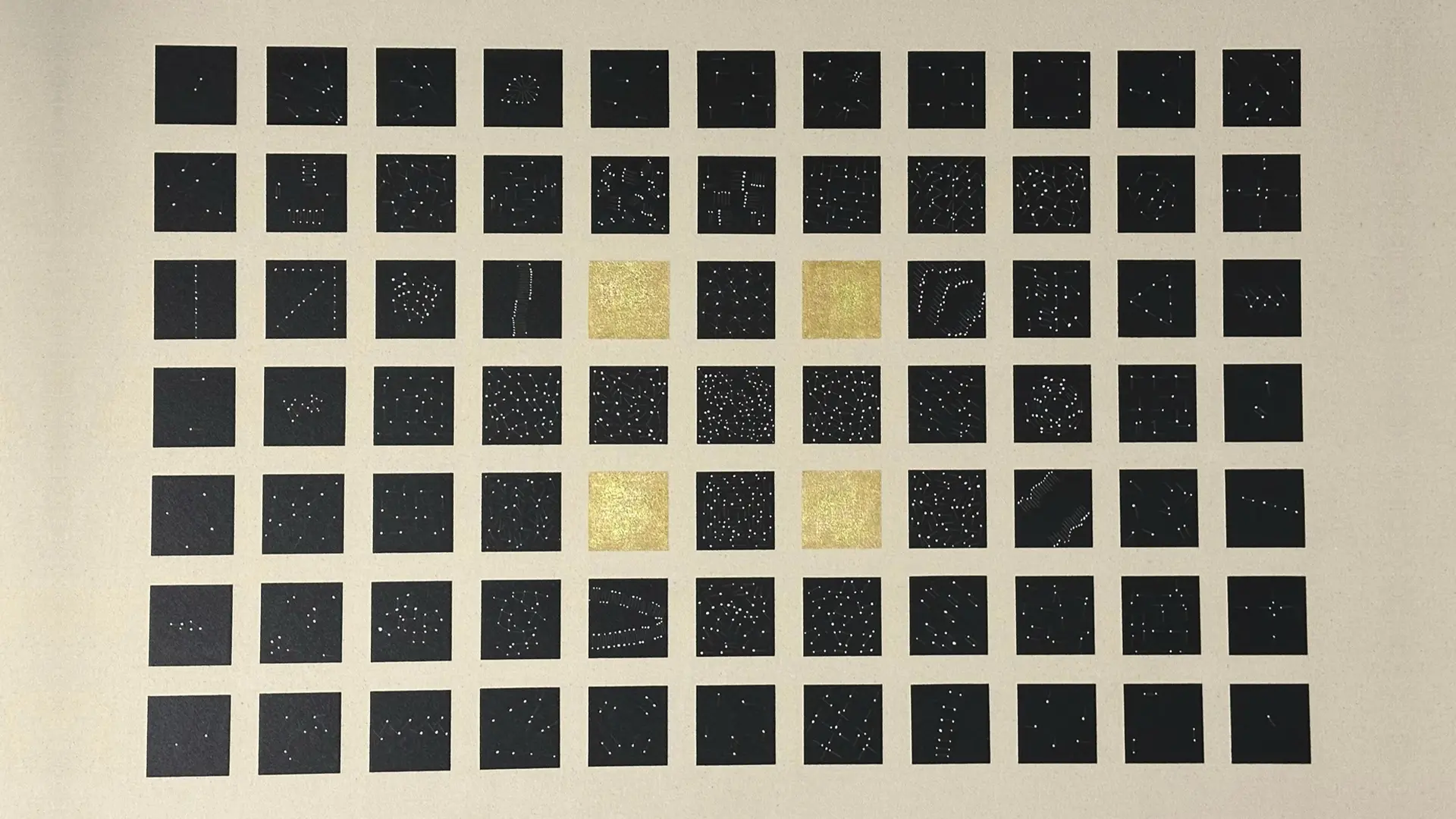
“¿Estoy haciendo una buena compra con esta pieza?”. Es la pregunta más recurrente que le hacen los nuevos coleccionistas a Manuel Aarón Jiménez Barragán, uno de los fundadores de la Flux/Lab Gallery de la CDMX, desde la calle Amargura 5, en la colonia San Ángel de la capital.
¿Cómo empezar una colección?
Este espacio realiza de forma periódica exhibiciones dedicadas a ese público —sobre todo entre lo que los dueños del espacio califican como “jóvenes ejecutivos interesados y apasionados en crear su propia colección”—, así como exposiciones y residencias artísticas. “Les decimos vengan a las muestras, que vayan a las ferias, asistan a los museos, no se pierdan buenas exposiciones”, asegura Manuel Aaron Jimenez Barragán.
“El segmento de compradores jóvenes que se inician en el coleccionismo de arte ha crecido en los últimos años. Flux/Lab es una de las galerías que han apuntado a este grupo de nuevos compradores que quieren iniciar una colección» — Manuel Aarón Jiménez Barragán
Un cambio generacional en el mercado creativo
En lo que va de la década hay una tendencia al alza de este segmento ávido de obras con las que adornar las paredes de sus departamentos y, a veces, su ego— y también de la certeza de estar tomando una buena decisión.
“Si bien la mayoría de los coleccionistas que se acercan a nosotros son personas entre 30 y 45 años, chemos notado un aumento de clientes interesados en aprender a apreciar y adquirir obras”, asegura Jiménez Barragán.
A esta tendencia se suma el auge de plataformas como Young Collectors México —lanzada en diciembre de 2021—, que han contribuido a que un público que antes quizá se habían sentido ajenos al mercado del arte se acerquen más a las galerías. “Existe un notable deseo entre los jóvenes por crear su propia colección, a veces como tréplica de una tradición familiar, lo hicieron, pero también desde su genuina pasión”.

Además, un reciente estudio de Arts Economics —empresa de investigación con sede en Irlanda— reveló que, en los últimos años, el mercado global, sobre todo el de la creación contemporánea, ha experimentado un incremento en la participación de “ventas privadas” y de nuevos compradores.
Sin embargo, algunos personajes como Enrique Guerrero, de la galería que lleva su nombre, difieren un poco al respecto: “Hoy en día, más que coleccionistas, creo que hay una ola de compradores eventuales. Coleccionistas, coleccionistas hay muy pocos en México. Un coleccionista es una persona que compra constantemente y que va llenando huecos en una colección, que no compra solo para tener un estatus”.
Educación estética y sensibilidad del coleccionista
En este contexto, Jiménez Barragán insiste en el valor personal de la compra. “Algo necesario para un coleccionista es que, si va a adquirir alguna pieza, lo haga porque sea algo que le guste. Que no lo vea únicamente como una inversión, porque nada está escrito en piedra”.
Según explica, lo esencial es que, dentro de su crecimiento como coleccionistas, desarrollen sensibilidad hacia la idea del artista, sus textos curatoriales, su esencia y su crecimiento. “Entonces también hay que guiarlos para tratar de que logremos que entiendan cómo ser poco mecenas”.
Flux/Lab y sus artistas en Zona Maco
Manuel cofundó Flux/Lab en 2014, al lado de la curadora Delmari Romero Keith, con “el deseo de reflexionar y reconocerse en el trabajo de sus artistas”. En 2025 presentaron Traces of Memory, una exposición centrada en la memoria, el tiempo y el territorio.
Ese mismo año, la galería impulsó una residencia —que se renovará en 2026—: Flux/Lab Itzimná, instalada en el barrio histórico de Itzimná, en Mérida, Yucatán, y cuyadirección está a cargo de la artista mexicana Daniela Zorrilla en colaboración con artesanos mayas.
En la pasada edición de Zona Maco, Flux/Lab presentó una propuesta en torno a La Tierra, El Mito y El Cosmos, con obras de Sergio Hernández, Edgar Ladrón de Guevara y Paloma Torres. Jiménez Barragán explica por qué estos creadores dialogan con la línea conceptual de la galería : “Sergio es uno de estos artistas plásticos oaxaqueños que continúa el legado que comenzaron Tamayo y el pintor surrealista Rodolfo Morales.

Como pintor preserva esa estética, aunque con un diálogo enteramente original. Edgar es un artista que, como decía Felguérez, es un ‘inventor de procesos’ que no deja de evolucionar; Paloma Torres trabaja con materiales de chatarra industrial, pero con una interesante expresión y terrenal”.
Con ello, la misión de la galería, afirma, se mantiene a tono: “Cruzar vertientes artísticas trabajando con artistas que estén innovando en técnicas y materiales y con un compromiso social”. Surge entonces la pregunta: ¿Lo han logrado? ¿Qué tan vigente está esa tarea en el arte actual?
El arte como herramienta de transformación social según Flux/Lab
En una entrevista de octubre de 2025, la fotógrafa Graciela Iturbide habló sobre el compromiso creativo con los problemas del planeta: “Somos la sociedad, nosotros, los que tenemos que cambiar al mundo, no las fotos ni la obra”.
Y aunque un sigiificativo cojunto de los artistas contemporáneos en México está comprometido socialmente —el quehacer en este país cuenta con una extensa historia de arte político y social, del muralismo a prácticas contemporáneas ligadas al territorio, la violencia o la memoria—, sigue en pie el debate sobre si ello debe ser una obligación.
¿Debe el Arte Contemporáneo tener un Compromiso Social? La Respuesta de Flux/Lab
Jiménez Barragán afirma que, desde Flux/Lab, creen firmemente en ello: “Creemos que el arte tiene un papel fundamental en el cambio social y de la humanidad. No es solo lo que te hace sentir y pensar. El arte son ideas. El arte es revolucionario.
Y es muy importante mantener esa esencia”. Jiménez Barragán reconoce también que algunos artistas no buscan una postura social explícita, lo cual es válido, pero considera que muchos terminan involucrándose en procesos de cambio “queriéndolo o no”.

Sin embargo, advierte que no todos los espacios cumplen con esta visión. “Muchos dicen: ‘yo tengo una galería’. Pero realmente no es así. Que en un lugar se vendan obras de distintos artistas no lo convierte en una galería, porque no están apoyando proyectos nuevos ni promoviendo nuevas ideas, ni generando zonas de debate”.
Si bien el fundador de Flux/ Lab acepta que es lícito que existan espacios meramente comerciales, insiste en que “hay una labor y un compromiso que tenemos los galeristas”, una responsabilidad que también quieren trasladar a los nuevos compradores, que suelen preguntarse, a veces con preocupación: “¡¿Quién me puede ayudar a comenzar a crear mi primera colección?!”.
Encuentra más historias como esta explorando el arte contemporáneo de Latinoamérica; también puedes continuar por las galerías que marcan agenda.