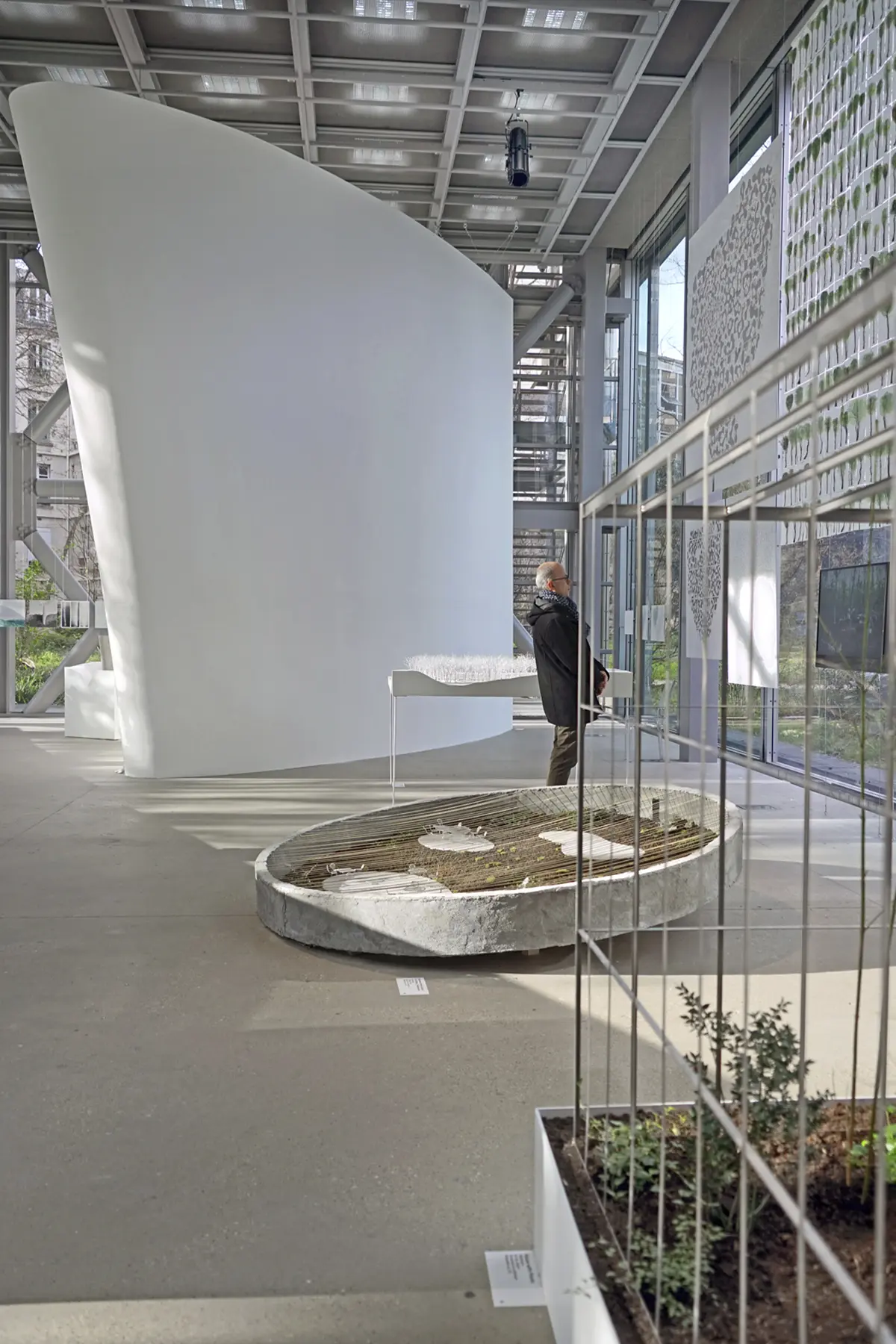
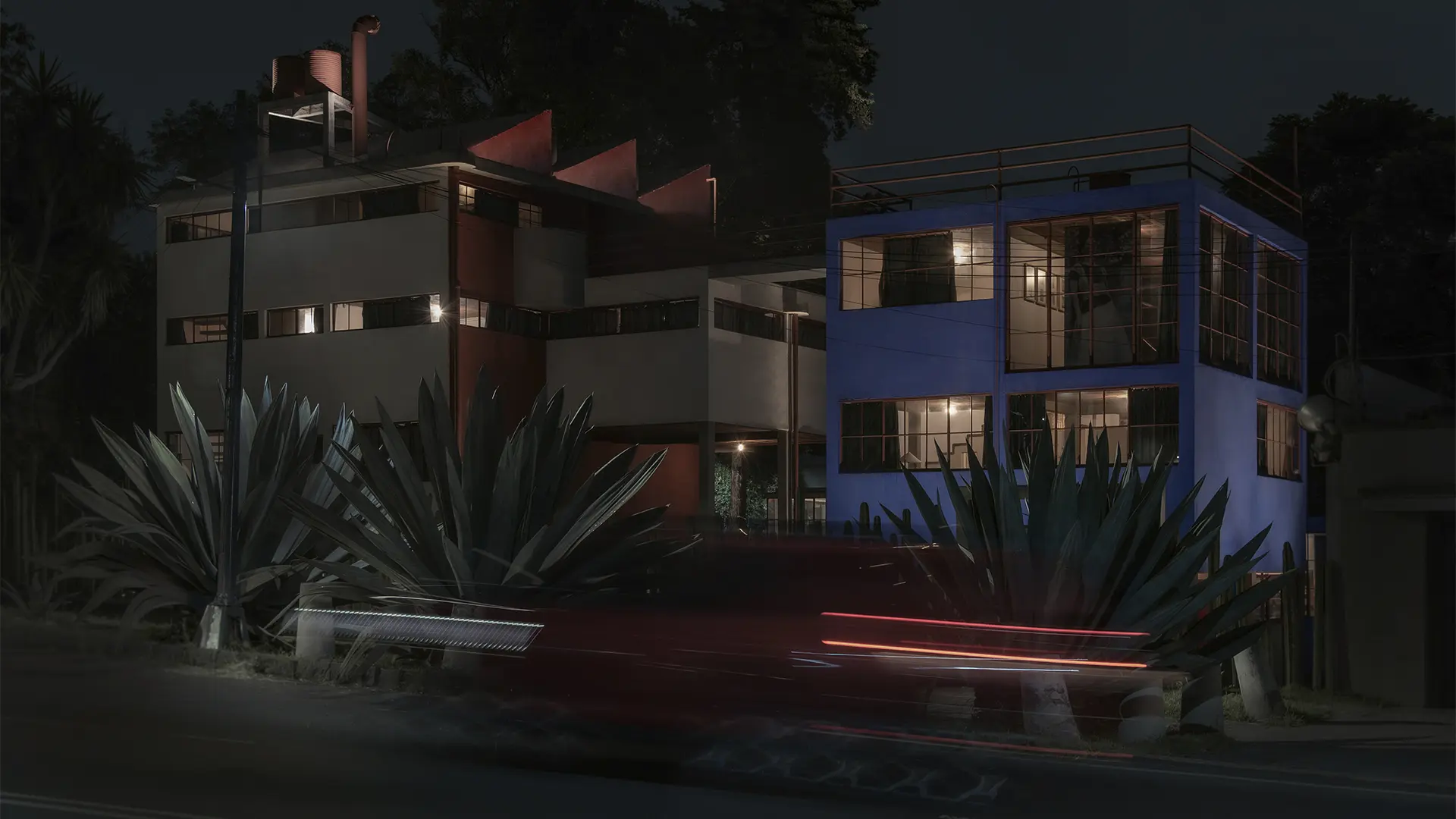
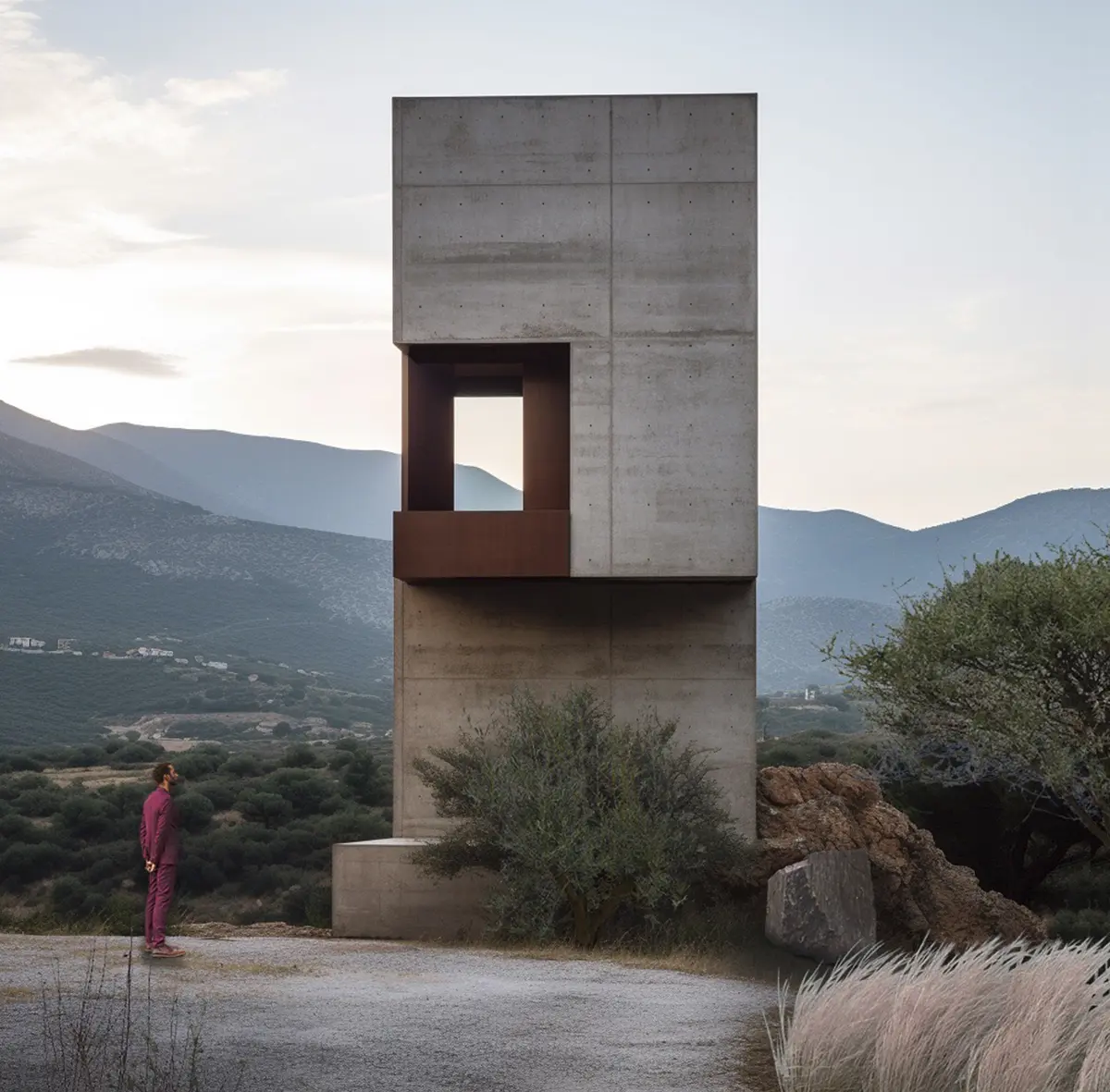
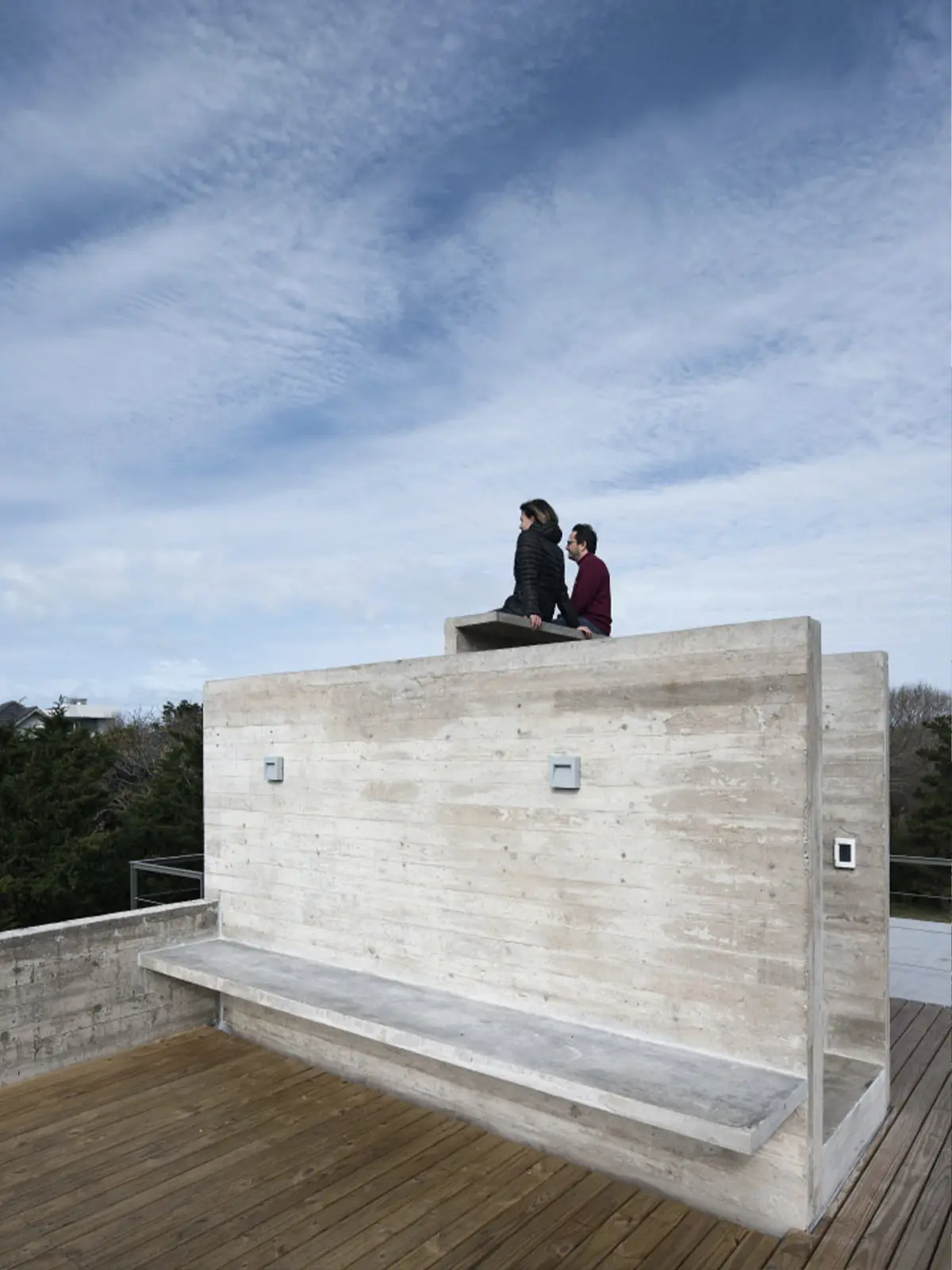
“No, we don’t fly in cars yet. But I think the future has already overtaken us,” says Mariela Martínez, director of Open House 2026. “Artificial intelligence, platforms, life on screens. No one imagined we’d experience something that seemed dystopian and that is now part of our reality.”
With just a few days to go before Open House 2026 CDMX—the festival that opens some of the city’s most iconic buildings and tours to the public—kicks off, and as she describes it, she’s reaching peak excitement, Mariela Martínez logs on —yes, to a screen— in front of stacked crates and a bag full of objects collected for one of the workshops.
Open House CDMX 2026: The Capital Unfolds
“What we want to discuss in this edition is the direction our city and architecture are heading: what technologies we are developing to address the challenges of climate change, geography, and local topography. We’re asking everyone to bring some waste materials and use them to create architecture,” he explains.
Mariela is referring to one of the two workshops—2026 marks the first year these activities have been held—that are part of Open House CDMX. “Architect Alejandro D’Acosta has a way of looking at construction that we find fascinating,” she says, “since he works with materials found in his surroundings.”
The second workshop in this sixth edition, also focused on sustainability, will be led by Karen Poulain—founder of Raíz Arquitectura. It will focus on earthen construction using a Japanese technique called dorodango.

But no, appearances can be deceiving, and Open House isn’t just for those who dream of architecture, T-squares, and tape measures. It’s an opportunity to appreciate the beauty and history of buildings from different perspectives. “And not only that, but also the streets you walk down, the history of the neighborhood where you live, or why that building exists,” says Mariela.
“Why our institutions are shaped this way, or the reason a certain building is constructed in a certain way,” he adds.
What Sets Open House 2026 Apart
The event offers an opportunity to piece together the parts of a mental puzzle and recognize how external architectural influences—including politics and social events—shape today’s urban landscape and how we inhabit it without questioning why it was built this way.
Open House is part of the global network of architecture festivals of the same name. The event was founded in London in 1992 and organizes free architecture festivals in more than 50 cities around the world to showcase iconic buildings and neighborhoods. Although it is part of a larger concept, the edition held in Mexico City has a distinguishing feature. “It’s all about the chilangos,” explains Mariela.

“Every city has its own personality, and that’s wonderful. But what we like most is getting to know the locals and their stories in particular”— Mariela Martínez
“Every city has its own personality, and that’s wonderful, but what I like most is getting to know the people and their stories.”
Open House CDMX envisions the city as a place where everything has happened. A land that has had to be rebuilt after several earthquakes. Where a colonial-era building stands alongside the ruins of the Mexica Empire, and next to it, a modernist building. The city runs on the rhythm of a delicate mechanism—like the Metro’s machinery—that’s worth seeing with fresh eyes on a tour.
Or, of course, at this open house, which will take us to more than 50 architectural sites and offer a variety of free tours.

Open House 2026: Adapting for the Future
This year’s theme is “Adaptations for the Future”—a future that the organizer claims has already caught up with them—and even surpassed them—and which invites reflection on how architecture and design are confronting the changes that, across various fields, are reshaping the way we inhabit spaces.
“The challenge is figuring out what technologies we’re developing to tackle the problems we face in areas like climate change. We need to find new ways of relating to the built environment, without losing sight of the fact that we are a society that keeps growing,” says Mariela. “We believe that community-based construction and self-build designs are the future in a country like ours,” she adds.
Architecture, renewable energy, and circular models
In that same spirit, Open House also opens the conversation to regenerative architecture, a movement that seeks to rethink the relationship between buildings and the city through renewable energy and circular models. One example in the program is Torres Bioparque, a project by Juan Pablo Serrano conceived according to circular energy principles, where offices from various disciplines related to architecture and design coexist.
This space is home to everything from creative studios to material suppliers, forming a small working ecosystem centered on the built environment.

Museums such as the University Museum of Contemporary Art, the Anahuacalli, and the Papalote Children’s Museum will open their doors. Alongside them will be venues dedicated to the visual arts, such as the National Film Archive and its new location in Chapultepec. There will also be private homes—such as the house where Leonora Carrington lived—and architecture firms that are normally off the public eye. Among them are the BBVA Tower, the Gutenberg Tower, Torre 41, and the ONTO Álvaro Obregón complex. You can find the complete list of activities and workshops here.
How to Understand the Places We Live In
Another project included in the tours is A Favor del Niño, a school with an unusual educational model focused on children’s holistic development—health, nutrition, and social well-being—which has attracted international interest. Recently recognized as one of the best schools in the world, it has received visits from academics and specialists from various institutions. Even from Stanford, who are interested in learning about a system that its creators are willing to openly share with others.
Beyond offering a chance to experience the beauty and functionality of these spaces up close and from the inside, Open House also invites us to understand how the places we inhabit actually work. The idea, Mariela explains, is that this knowledge shouldn’t stop at mere admiration, but rather open up the possibility of drawing inspiration and learning from what has already proven to work.

Open House 2026: The Future That’s Already Here
Unlike art, which is often appreciated without the intention of being replicated, in architecture, engineering, and the technologies of the built environment, it is necessary to replicate models that work. The goal is for these models to serve as a foundation for new solutions and better ways of living in the city.
Mariela said it right at the start: the future has already caught up with us, and we didn’t even realize it. Open House is an invitation to look at the city with fresh eyes: to understand why it is the way it is and to ask ourselves how we want to live in it tomorrow.
To keep exploring this thread, visit our architecture coverage; you can also continue through expanded architecture and art.