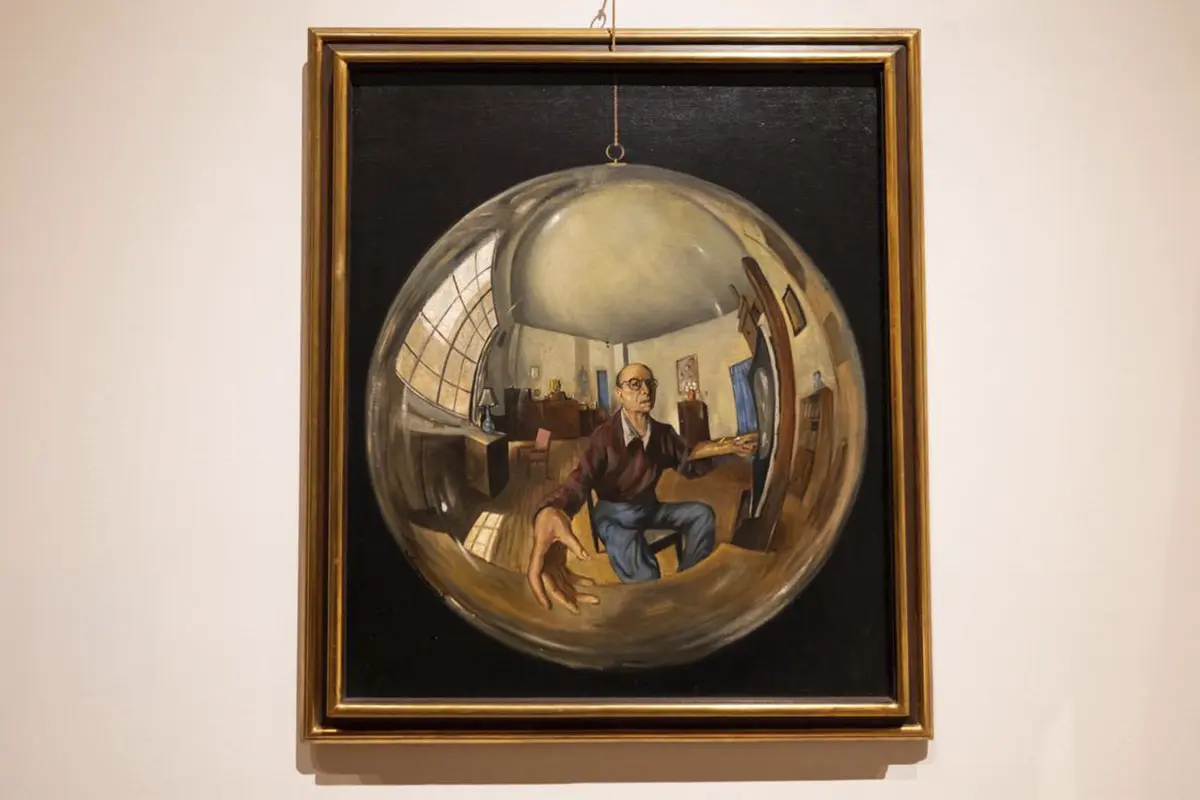

To be a pioneer and a precursor in any discipline, living outside the established order may be one of the requirements. How can one innovate while following established formulas? That is why the title of the exhibition dedicated to artist Roberto Montenegro feels so apt: Roberto Montenegro: Muralism Beyond the Norm.

The Mexican artist is a fundamental figure in this movement. Now, this exhibition recovers his legacy and brings back a history that his work helps tell.
The first mural of the modern Mexican movement
Montenegro painted what many consider the first mural of the modern Mexican movement. Titled “The Tree of Life”, it can still be seen at the former Colegio de San Pedro y San Pablo in Mexico City.
José Vasconcelos commissioned the mural, which is considered one of the earliest examples of post-revolutionary muralism, with the artist incorporating visual references from the country’s Indigenous peoples.

He also organized the first festival dedicated to muralism and founded the Museo de Artes Populares in the 1930s. His work reached millions of Mexicans after he illustrated the covers of the first free SEP textbooks, especially the remembered first-grade reading book.
How many works are included in Roberto Montenegro: Muralism Beyond the Norm?
The Ministry of Culture and INBAL present the exhibition at the Museo del Palacio de Bellas Artes. The show offers a historiographic review of Montenegro’s work and highlights his role in the construction of Mexican artistic modernity.
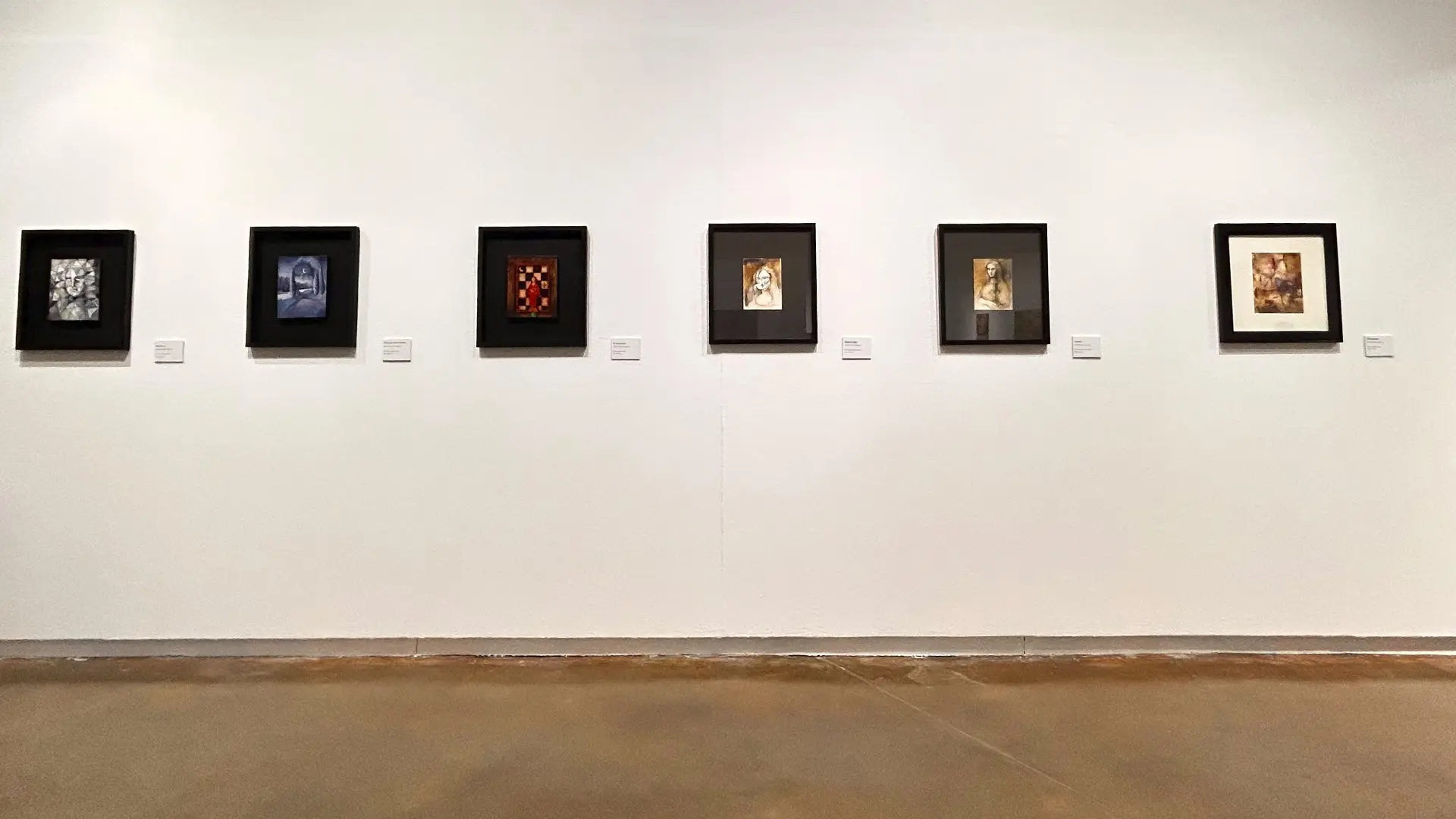
The exhibition brings together more than 90 works arranged across nine thematic sections. Through them, visitors can appreciate the symbolism, art deco, popular art and exploration of the male body that shaped Montenegro’s artistic production.
Among the works are some of the artist’s most representative pieces. The exhibition includes both his early mural explorations and works that challenged the aesthetic and moral conventions of his time through depictions of the male body and the use of homoerotic codes.
The muralist who challenged official censorship
These include the aforementioned The Tree of Life (1922), considered his foundational mural. The exhibition also presents three fragments of Reconstruction (1931-1933), recovered using the strappo technique; and Bar Papillon (The Life of Harlequin), part of the series Life, Passion and Death of Harlequin. The latter was censored at the time for the starkness of its visual proposal. Also on view is Industry, Commerce and Labor, a mural conceived for Banco de Comercio that challenged official censorship through explicit visual references.

The exhibition also includes Allegory of the Wind, the only surviving fragment of a mural ensemble made between 1926 and 1928, a testament to the richness and diversity of Montenegro’s artistic production.
It is worth noting that Roberto Montenegro: Muralism Beyond the Norm revives lesser-known aspects of the Jalisco-born artist’s career. “The exhibition shows his interest in different conceptions of masculinity, his support for Mexican popular art and his humanist positions in the face of 20th-century international conflicts,” the organizers state in a release.
“Montenegro occupies an essential place in understanding the evolution of muralism and its narratives, developing proposals that expanded the historical and political contents of post-revolutionary Mexico toward inquiries linked to other forms of artistic modernity”, Alejandra de la Paz Nájera, director general of INBAL.
Mauricio Maillé, director of the Museo del Palacio de Bellas Artes, added that “the exhibition invites us to rediscover in Roberto Montenegro’s work an artist who, despite limitations and censorship, knew how to subvert the official narrative of his time to create a style of his own.”
Under the curatorial direction of Daniel Garza Usabiaga, the exhibition brings together fragments of murals recovered using the strappo technique. Specialists from CENCROPAM carried out this process to preserve works damaged by the deterioration of the architectural structures that housed them.

The exhibition also reveals a lesser-known side of Roberto Montenegro: his humanist commitment and his interest in the international events of his time. Works such as Hecatombe (1939) and Synthesis express his concern over the rise of fascism and the devastating consequences of 20th-century wars. Other pieces reveal a critical stance toward authoritarian regimes and a clear defense of pacifist ideals.
The Museo del Palacio de Bellas Artes will present Roberto Montenegro: Muralism Beyond the Norm through September 6, 2026.
Explore more news about exhibitions and events in AW Magazine.
To keep exploring this thread, visit contemporary Latin American art; you can also continue through criticism and essays on contemporary art.