
As the Italian architectural theorist and critic Bruno Zevi once said: “Architecture is also read,” in his book *How to Read Architecture*, published in 1948. More than seven decades later, this premise remains as true as ever. That’s why today we’re presenting a series of book recommendations that analyze Latin American architecture and its history over time. They make the perfect companions for a transatlantic flight. By the time you land, you’ll know a little more about the past and present of Latin American architecture.

Contemporary Architecture in Colombia: Past and Present
Published by Parmenia, this literary work—co-authored by Pablo Andrés Gómez Granda and Giovanni Castellanos Garzón—examines Colombian architecture from the first two decades of the 20th century to the present. In a reflective style, the book examines moments such as the work of the Franco-Colombian architect Rogelio Salmona; the relationship between memory, city, and architecture at the Cinemateca Distrital in Bogotá; and the construction of El Dorado Airport. It also explores rural vernacular housing in different regions of the country. Furthermore, it reflects on the relationship between contemporaneity and heritage, a tension that often seems irresolvable in our modern world.

Venezuela Through Its Architecture
Austerity, tropicality, character, composition, openness, and plasticity. We’re willing to bet—unless you’re a Venezuelan architect—that you didn’t know these are the foundations of this country’s architectural tradition. Venezuela Through Its Architecture is a comprehensive anthology that, of course, does not overlook the political implications. Divided into four chronological chapters, it analyzes more than 100 works by Venezuelan architects who often challenged the powers that be by taking on a critical role through their buildings. The book, authored by Angel C. Ziems, begins with the Spanish colonial project between 1498 and 1830 and extends to the present day in a section aptly titled “Crisis and Contemporaneity. Surviving Lessons. 1975–Today.”

History of Mexican Architecture
What more could one ask for from a book on a subject as complex as Mexican architecture? In this narrative, the pre-Hispanic worldview coexists with modernism and a contemporary vision that is constantly reinventing itself. That is why the collection that the author, Enrique X. de Anda Alanís, presents as an intimate exercise is so rewarding. Can architecture truly be viewed through personal and subjective processes? This book, which has undergone several revisions since its first edition in 1995 up to the most recent in 2019, confirms that the narrative indeed continues and that one can view, from a particular perspective, the entire universe spanning from pre-Columbian times, the viceroyalty, the search for identity following the Revolution, and the present day. A descriptive and evocative work.

History of Argentine Architecture
Argentina has a rich architectural tradition that, as is well known, blends European techniques with local materials and labor. The result: the eternally splendid Buenos Aires and those River Plate roots that extend all the way to the construction of the Kavanagh Tower in the capital of the Gaucho region in 1936. The author, Alberto Galardi, explores the gaps and brilliance of architecture across various eras in Argentina, within the apt framework of the social and political context—a defining element in the construction of that historical urban reality. Published by the South American publisher Diseño Editorial in 2024.

Montevideo: An Illustrated History of Urban Development and Building Renovation
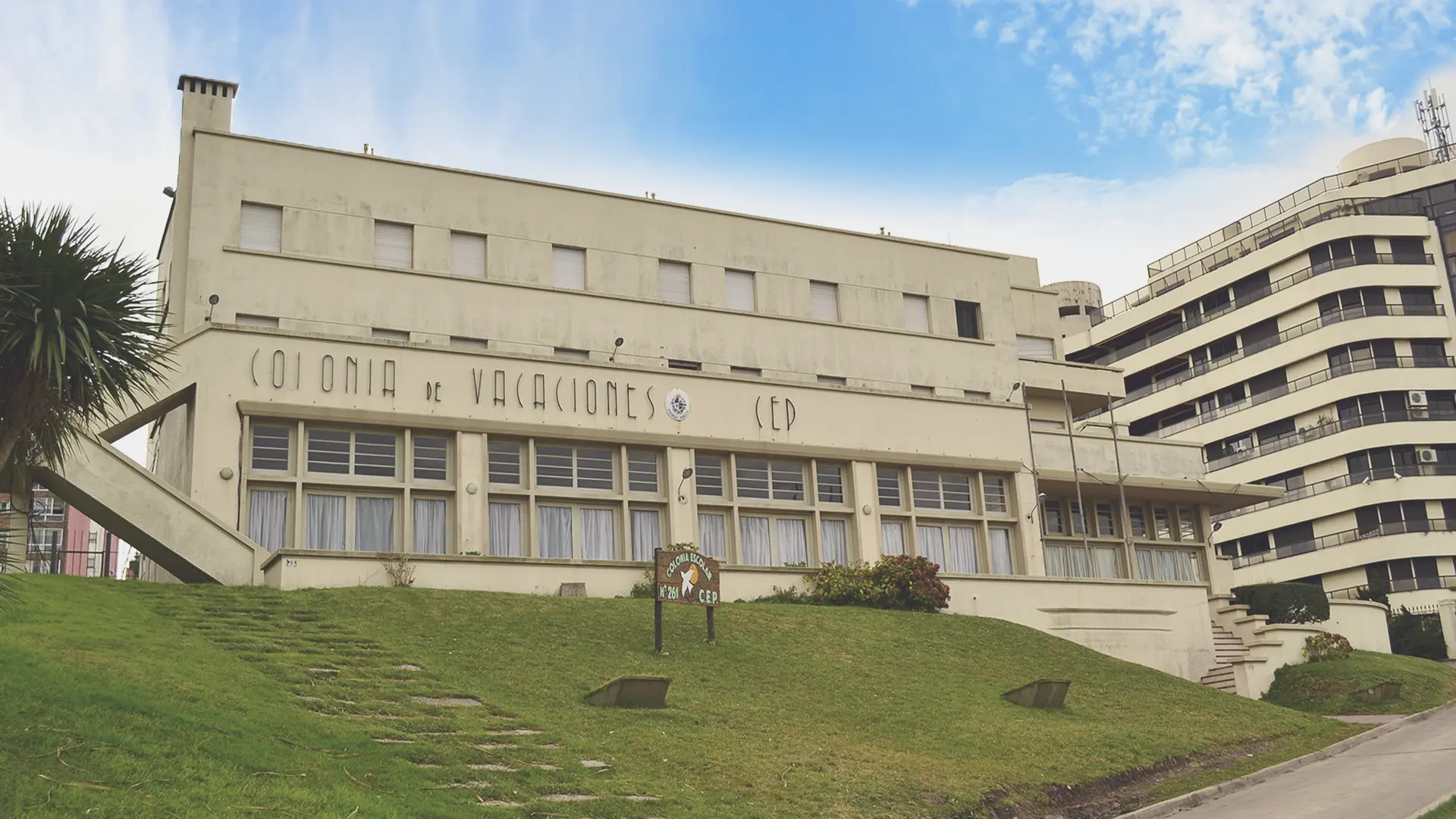
For more than half a century, architect León Kalansky has been compiling magazine and newspaper clippings that document the urban transformation of Montevideo. Now, the writer has brought together this vast archive in a book that aims to share and explore the history of the Uruguayan capital. The result is an evocative work that recovers episodes hard to find online and reconstructs a narrative in which buildings, maps, and even the streams that run through the city become storytellers. For those of us unfamiliar with Uruguay, this work offers a journey through Montevideo’s present and past, revealing the many layers that have shaped its urban identity. Published by Editorial Artemisa in 2026, the book also explores the influence of migration on the city’s architectural landscape.

As you read these pages, a new architectural project is taking shape somewhere in Latin America. However, no project emerges from nothing: all engage with centuries of history, memory, and urban transformation. These five publications allow us to explore that legacy and understand how architecture has helped shape the identity of our cities, from the major capitals and their grand, monumental works to the provinces, which also shape the continent’s landscape.
Discover more stories about Latin American architecture in AW Magazine.
To keep exploring this thread, visit contemporary and heritage architecture.