
At the time, The New York Times described him as a “rock star among architects.” Smiljan Radić is only the second Chilean to win the Pritzker Prize—after Alejandro Aravena in 2016. Yet his path, like his work, seems to follow a different course.
Is it Smiljan Radić’s ( Santiago, Chile, 1965) somewhat scattered family background that ultimately gave his work its identity? The architect has English roots on his mother’s side and Croatian roots on his father’s—hence the unusual pronunciation of his surname. From childhood, he questioned his cultural origins. That curiosity led him to construct his own roots and to capture in his work reinterpretations that do not adhere to a single discipline or history, but rather generate new contexts beyond the Latin American tradition.

The headache of winning the Pritzker Prize
“It’s a great honor. And perhaps, very soon, a bit of a headache, because it probably means a lot more media attention than I’d like,” reads part of the statement in which Radić expressed his gratitude for the award. And he’s right: the media—ourselves included—have thrown themselves into retrospectives, analyses of his work, and reporting on what, beyond his apparent misanthropy, the award granted by the Hyatt Foundation since 1979 represents for architecture on this side of the world.
Always true to his stylistic principles, Radić’s work rejects a formulaic architectural language. Instead, he approaches each project as a unique endeavor shaped by anthropological references. His works should be understood—from a critical perspective—as the result of the intersection of history, society, and political circumstances.

Radić’s radical originality
“I’m not on social media, and thanks to that, I can choose how to waste my time,” he told El País in 2025. Too bad, because we were going to tag him on Instagram. Without a doubt, Radić is a unique figure who, despite having once noted that Chilean architecture and art seemed to “walk in isolation,” has built a body of work that celebrates fragility. And one that also embodies a deeply Latin sensibility, very much of Santiago de Chile, which gives it that character and personality.
It is no surprise that he has been honored with this award—the most prestigious international prize in the field—thanks to the “radical originality” of his work, which, as the organizing committee noted, is “linked to material experimentation and cultural memory.”

Radić’s early works
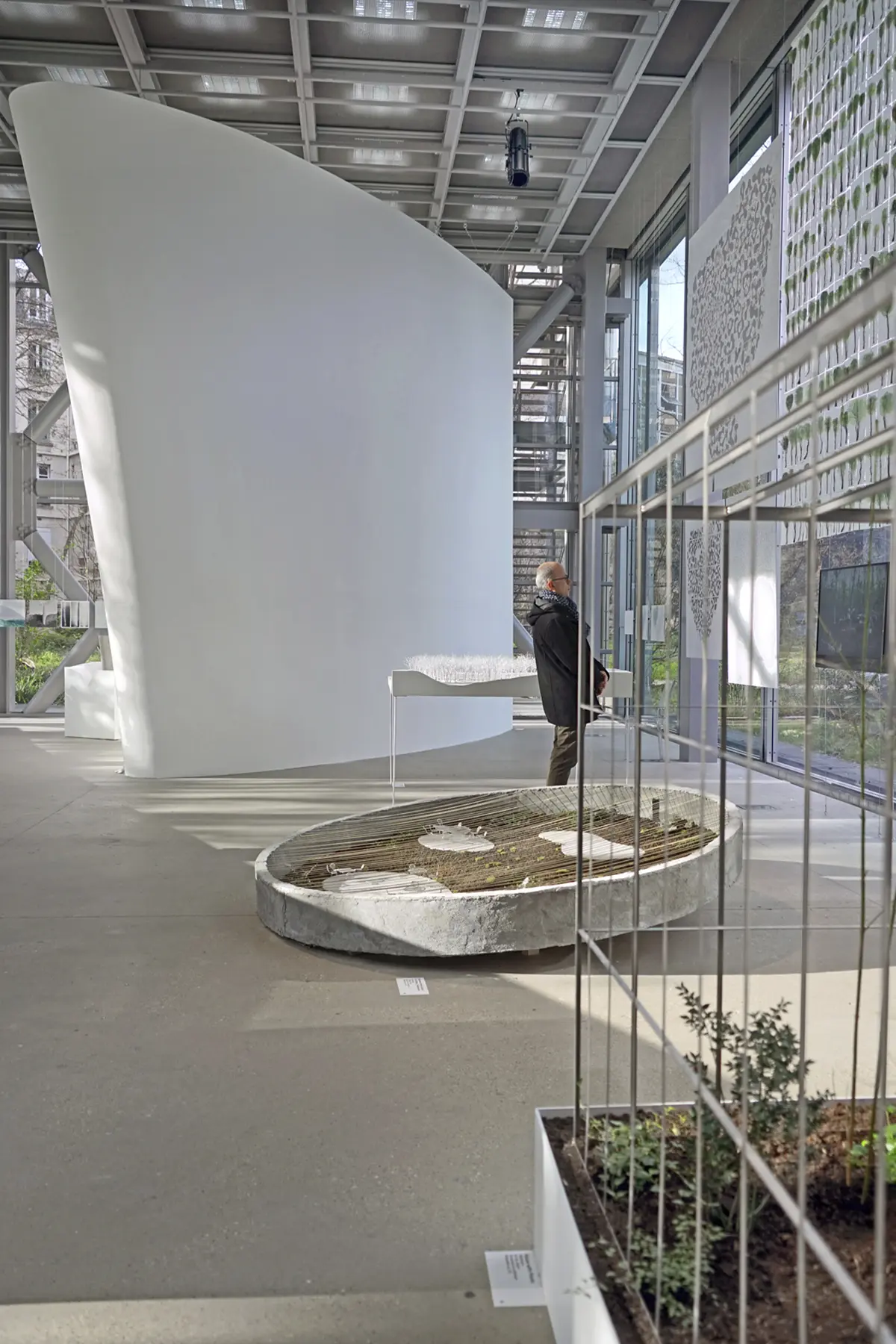
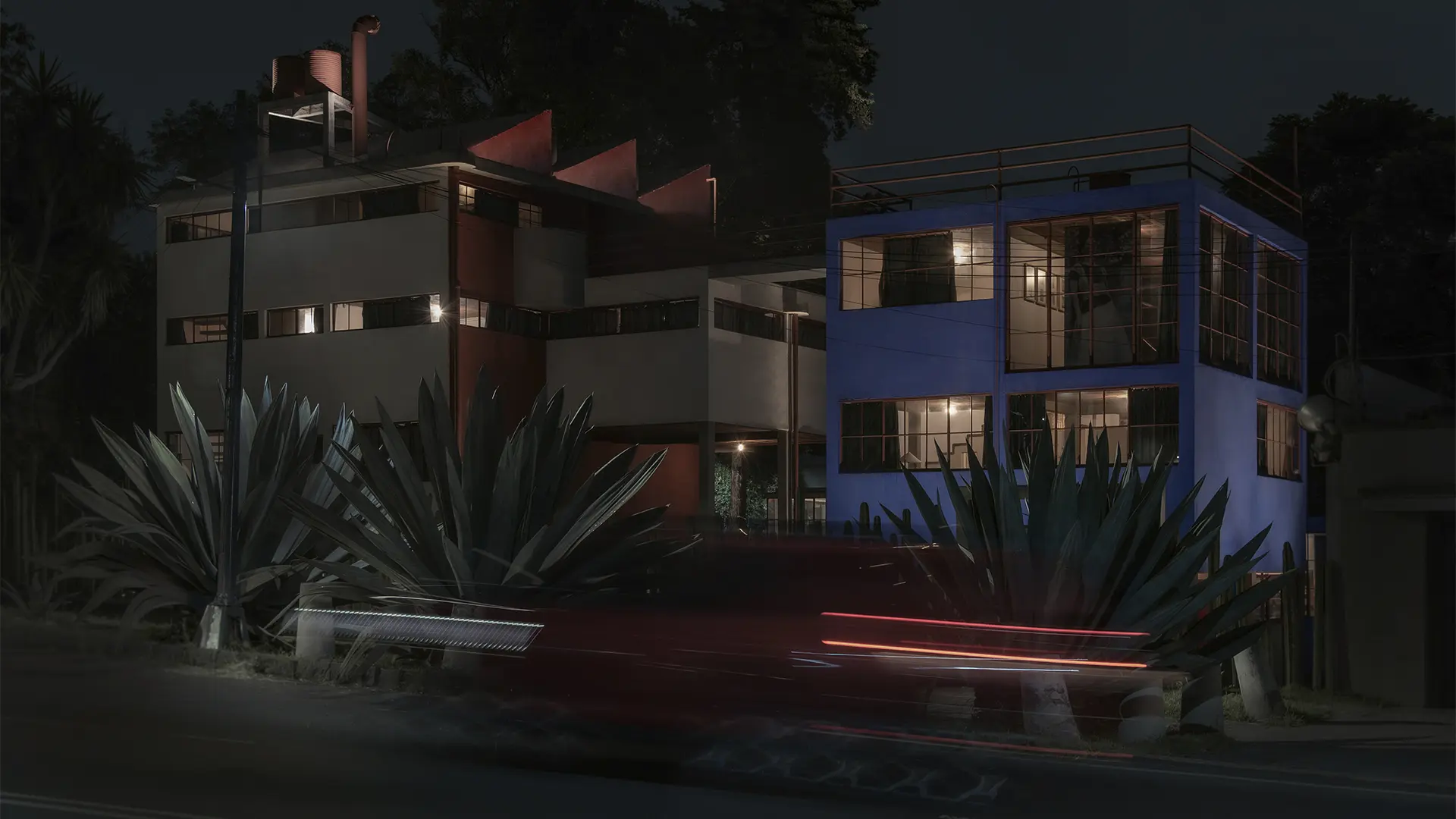
His early works operated in that blurred territory where architecture ceased to function as architecture and began to flirt with art installation. In 2010, Radić unveiled an angular black cedar house —*House for the Poem of the Right Angle*— which is half a tribute to the legendary Swiss architect Le Corbusier, half an intimate nod to his wife, the sculptor Marcela Correa (she does have an Instagram, in case you’d like to check her out). Two years later, he presented a home shrouded in total transparency. An artistic obsession he would never let go of: he would repeat it in a dome mounted on a rooftop for a 2021 fashion show by Alexander McQueen, his regular collaborator in that fusion of fashion, art, and architecture.
Radić’s most important works
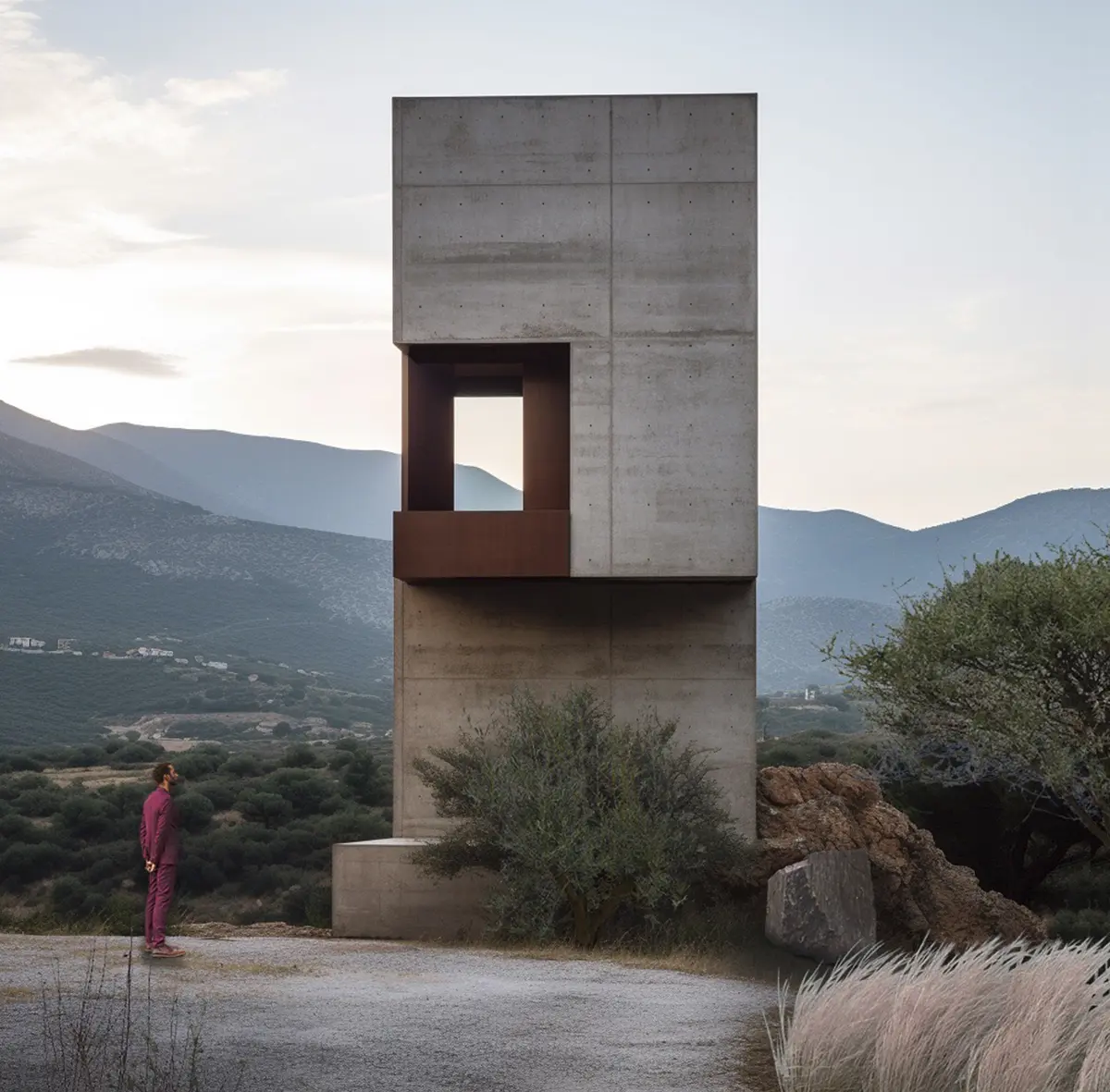
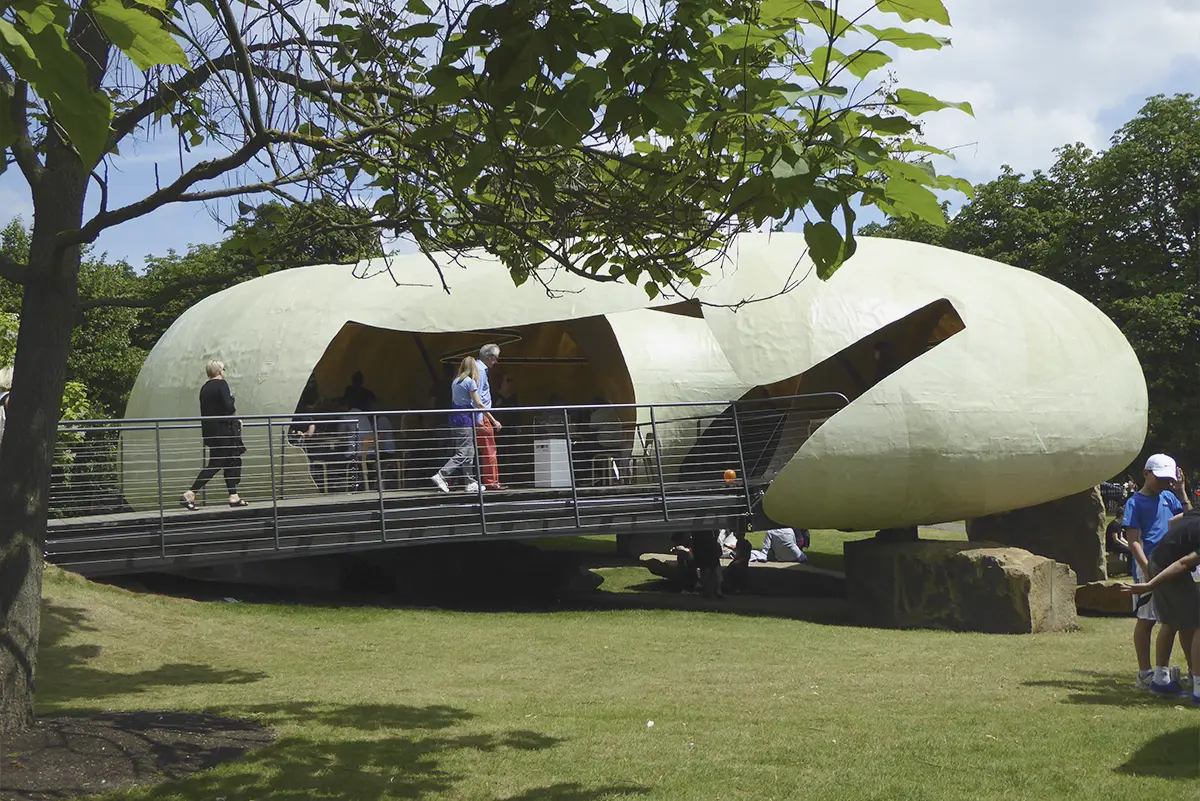
Among his most notable projects are the Serpentine Gallery Pavilion (London, 2014), conceived as a translucent fiberglass structure supported by large boulders. The Bío-Bío Regional Theater (Concepción, Chile, 2018), a volume wrapped in a semi-transparent skin designed to regulate both light and acoustics. Added to these are iconic works such as the Nave building, a space dedicated to creativity in Santiago. The expansion of the Museum of Pre-Columbian Art. The House for the Poem of the Right Angle (Vilches, Chile). The Viña VIK Winery. And the Mestizo Restaurant building, also in Chile.

In 2017, he founded the Fundación de Arquitectura Frágil in Santiago, an organization focused on experimental research and collaborative work, whose efforts have gained recognition through an exhibition currently on view at the Museo de Bellas Artes de Chile.
“Architecture exists between large, massive, and enduring forms—structures that stand under the sun for centuries, waiting for us to visit—and smaller, more fragile structures, as fleeting as the life of a fly,” the architect reflects in a lecture available on YouTube.
Today, at the age of 60, Radić has been honored with the equivalent of the Nobel Prize in Architecture. And we bet he’s been tempted to start a TikTok account to join the global conversation and find out what the world is saying about him.
Discover more stories about architecture in AW Magazine.
To keep exploring this thread, visit architecture in transit.