Rosalía’s not-so-recent album has sparked intense discussion in the contemporary cultural scene. On *Lux* (2025), the Barcelona-based artist—known for her ability to reinvent herself—takes a turn that some have described as risky. And even kamikaze, by integrating elements of electronic and classical music. A conceptual project that “redefining the boundaries of pop,” as one of those discerning music critics might say (and yes, we agree).

Lux and the Visual Arts of Canada
That said, *Lux* (2025), with all its echoes of the past—distant cousins of both opera and groups like Dead Can Dance or Madonna herself during the Like a Virgin—cannot be fully understood without considering one of the fundamental pillars of Rosalía’s creative universe: the CANADA studio.
The visual, narrative, and symbolic contributions of this group of filmmakers have been crucial, particularly in shaping the singer’s artistic identity. They have also helped position her releases in a space where music engages with film, fashion, and art.
And yes, while Rosalía’s relationship with art has become complex—due to the controversy surrounding her remarks about Pablo Picasso—and at the same time a source of activism—as seen at the start of her tour in Lyon, where she brought Francisco de Goya’s legacy to life with *El Aquelarre* (1798)—, CANADA’s role becomes even more central.
The History of Canada
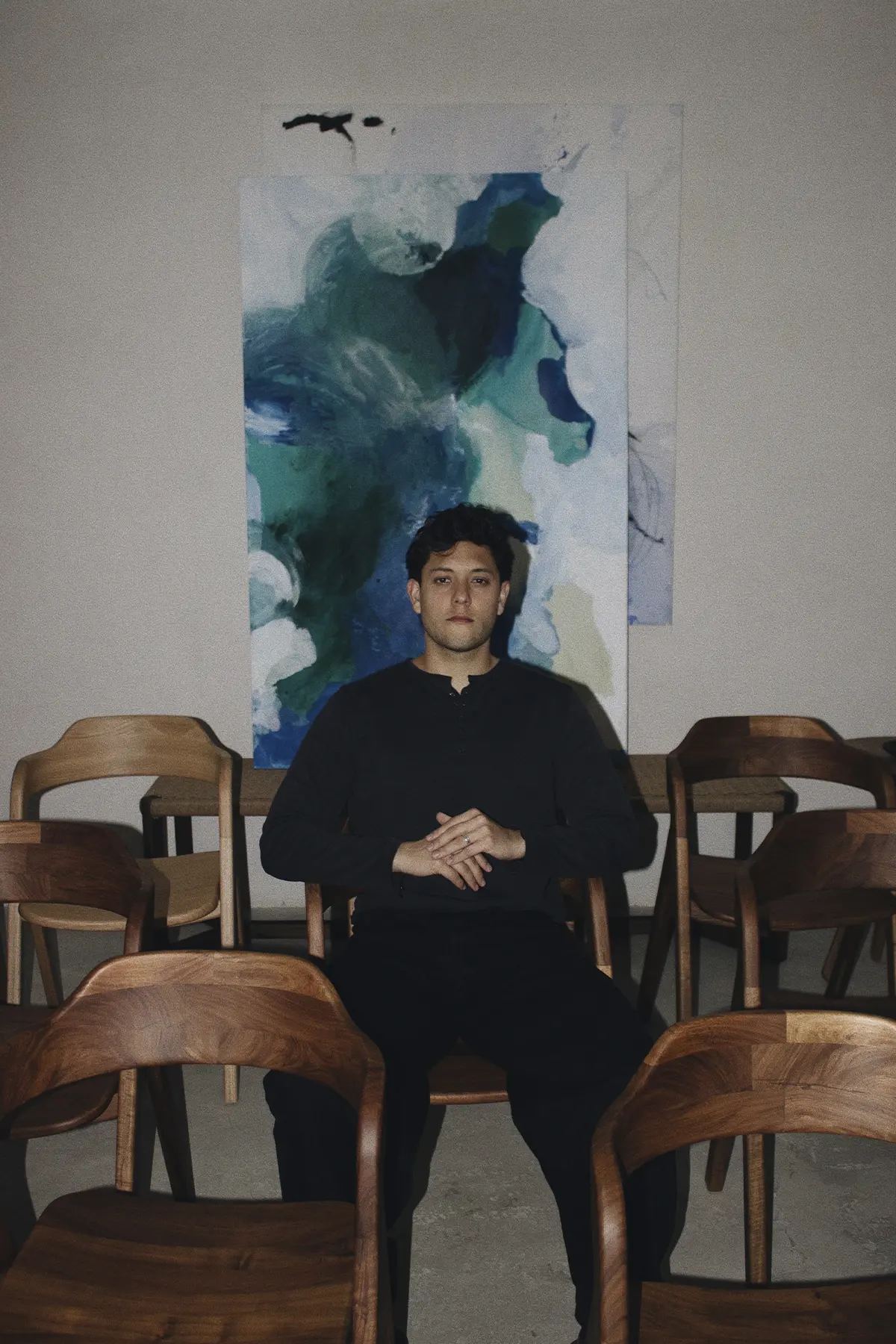
CANADA is a creative studio where video art, experimental film, music video aesthetics, and auteur-driven advertising come together. Founded by Nicolás Méndez, Lope Serrano, and Luis Cerveró—who left the team in 2013—the production company was established in Barcelona in 2008 more as a collective of audiovisual artists than as a conventional company.
They have come to define themselves as “a creative production company driven by the desire to connect with an audience through meaningful, well-crafted films.”
In their original ten commandments, CANADA rejected rigid commercial aesthetics and embraced symbolic narratives, a distinctive voice, dark humor, and references to both arthouse cinema and popular culture. Principles that, according to them, remain intact to this day.
Before Rosalía: El Guincho and CANADA are rewriting the rules
Before working with Rosalía, the studio made a splash with the video for “Bombay” by rapper El Guincho, directed by Nicolás Méndez. This 2010 project was the origin of what many have dubbed the “CANADA aesthetic.” Absurd choreography, surrealist symbolism, saturated colors, and pop culture that walks on the experimental side of the street.
“Bombay gave us visibility and allowed us to stop relying solely on the Spanish market. We started receiving job offers from all over the world, with all that entails on every level,” Nicolás Méndez explained to the Spanish newspaper El Diario about that pivotal moment.
So, once the industry had set its sights on the collective, CANADA expanded with offices in England and Los Angeles. Thus, it began producing videos for artists like Beck and Tame Impala. Undoubtedly, a move from the arty world to the mainstream—the kind that is no longer so common in this era of endless corporatism—seems to have no end.
“They pioneered this style; their early videos featured surrealist intertextual references at a pivotal moment, with an advertising twist, ranging from the abstract and the poetic to playing with the absurd,” says Julian Woodside, the Mexican researcher, essayist, and historian .

Rosalía’s videos with CANADA: history and controversy
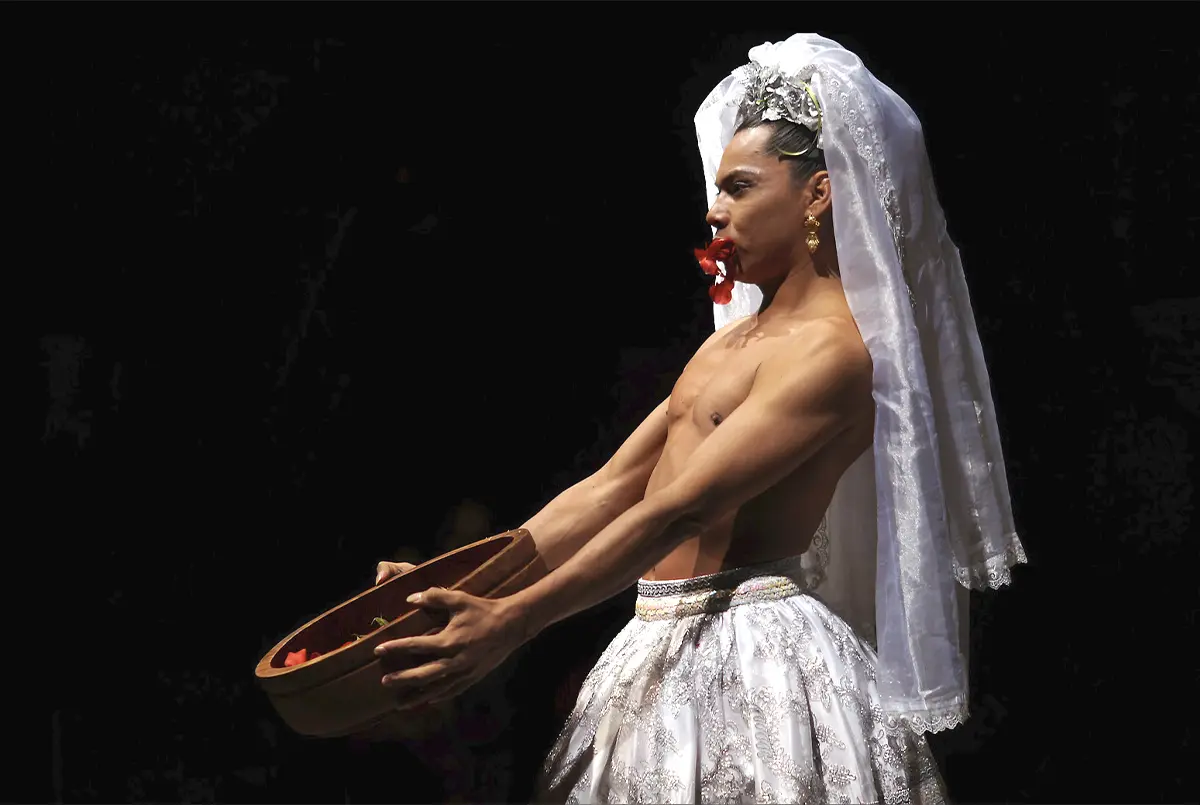
Her collaboration with Rosalía soon followed, beginning with the album *El Mal Querer* (2018). For this album, the producer directed key music videos such as “Malamente” and “Pienso en tu mirá.” These pieces shaped the Barcelona-based artist’s visual identity by blending Spanish iconography with contemporary symbolism.
Following this milestone, CANADA continued to collaborate with the artist and helped build her fragmented, hybrid, and experimental visual universe—one that was not without controversy. Indeed, some critics noted at the time that her videos seemed conceived from a “distinctly masculine” perspective. This was especially true in those where the figure of the woman appeared mythologized.
The use of reinterpreted Andalusian symbols and the aestheticization of bullfighting and religious iconography are other controversial aspects of the work of CANADA and Rosalía.
In a 2022 interview with APCP (the Association of Advertising Film Production and Post-Production Companies of Spain), Lope Serrano spoke about this commitment to tradition. “Sometimes the key is to look back in order to understand everything that has been done before and thus gain a deep understanding, as well as being able to approach things with irony,” he acknowledged regarding that association. Work that has reimagined certain Spanish traditions from a perspective we may or may not love—if we play one of those Rosalía videos without sound, the impact is often just as compelling—but whose cultural value is undeniable.
Rosalía’s “Berghain”: Fans and Critics
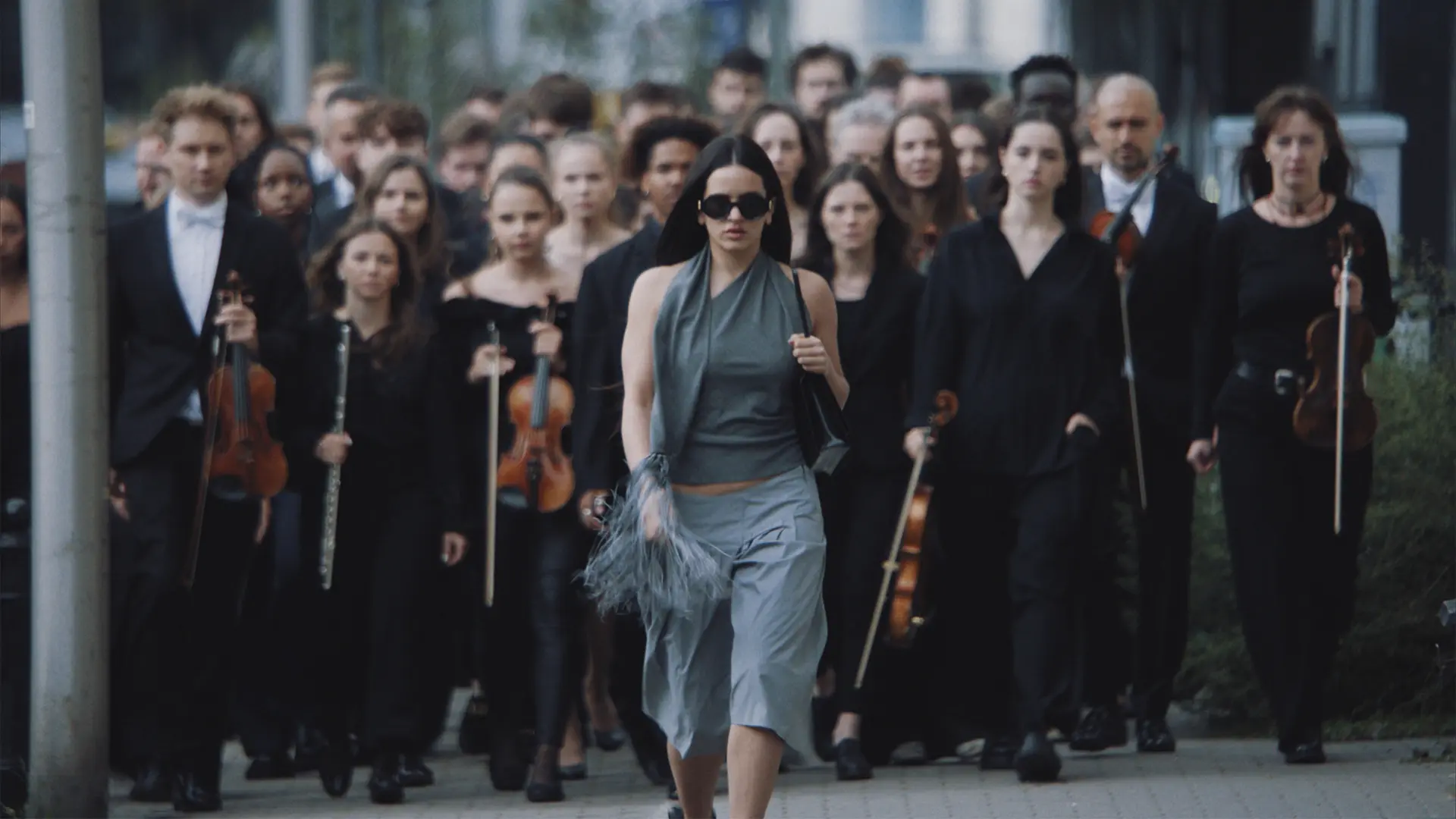
Although several directors are involved in Lux, the CANADA aesthetic remains part of Rosalía’s brand DNA. The video for “Berghain” (feat. Björk & Yves Tumor) was directed by Nicolás Méndez and showcases all the brand’s signature elements along with the director’s personal touch. That is to say, very distinctive colors, cinematic narrative, transcultural elements, religious iconography—here more justified than ever, given the liturgical nature of the single—and surrealism.
The choice of Warsaw as the setting for the video is a clear statement of intent (along with the song’s title, which shares its name with one of Berlin’s most legendary techno clubs). The images connect with the song’s nostalgic atmosphere and old Europe—including decontextualized childhood references from fairy tales—all set against the backdrop of the Polish capital’s post-communist architecture and modernity.
Constitution Square, a tram, and a jewelry store in the Saska Kępa neighborhood—an area surrounded by villas from the 1920s and 1930s that looks as timeless as it does dystopian—retain the production company’s distinctive touch.
Rosalía and Björk: Intellectual Validation
“Before the video came out, Rosalía started building her credibility on Substack, which is sort of the new intellectual crowdfunding platform for writers. The fact that she ran her campaign there already positions her within a certain context. There’s also the fact that she invited Björk, shared the sheet music online, and sparked the trend of the public performing it. All of that reinforced this nineteenth-century image of the cultured and the intellectual,” says Julian Woodside.
“The video was released, and people started criticizing it, saying it seemed to water down a lot of religious rhetoric. So, in a way, it backfired on her—so to speak—but obviously it kept her in the public eye, which is exactly what these videos are meant to do.”
Rosalía: The Best Artist of Our Time?
Figures such as Ángela Rodríguez Pam (former Secretary of State for Equality in Spain) have questioned Rosalía’s recent aesthetic choices in “Berghain”—arguing that they “evoke conservative values that do not engage with progressive or feminist discourses”— but her romance with alternative aesthetics has not ended.
Nor with the millions of fans who continue to worship the artist’s persona; let alone her famous fans like The Weeknd or Julian Casablancas (lead singer of The Strokes, who, by the way, aren’t exactly as relevant as they used to be…). The New York-based musician praised Rosalía, calling her “the best artist of our time” after seeing her perform live at the Primavera Sound festival (Barcelona) in 2023.
And what about Daniel Sannwald, the Belgian surrealist artist, who has claimed that Rosalía is “a modern muse”; or Marina Abramović, who in 2023 publicly stated that she would have to ask Rosalía if she would be willing to sing “My Way” at her funeral? And no, there have been no reports that the singer has accepted the honor.
CANADA, Rosalia, and cultural appropriation
On more than one occasion, both the artist and the directors of CANADA have maintained that Rosalía does not “appropriate” cultures: she conceptually reinterprets them, using cultural fusion as a contemporary artistic tool, and that the problem with the criticism is that it confuses symbolism with literal representation.

Today, CANADA continues to make its mark in the world of music videos, an art form that has found its place on social media platforms and has definitively broken away from television and other formats. Some of his most recent work includes collaborations with Dua Lipa (the music videos for “Physical” and “Love Again,” directed by Lope Serrano). He has also worked on projects with artists such as Travis Scott and FC Barcelona.
The Current State of CANADA Beyond Rosalía
Two years ago, the Spanish government hired the production company for a campaign aimed at promoting the national audiovisual sector. In 2026, CANADA plans to continue on the path of “cult advertising”—as the style that made them a sensation at the 2025 National Creativity Awards for their piece “The Cause of the Accident That Triggered the Fire” for ICEX has been described.
“My ideas and images shine because they’re irreverent, delicate, and energetic,” said Nicolás Méndez, the brand’s director and founder, in a recent podcast for mygosh.com. And yes, when you combine delicacy with irreverence, the result can only be something like CANADA.
Find more examples of the intersection between pop culture and art in AW Magazine.
To keep exploring this thread, visit Latin American culture.