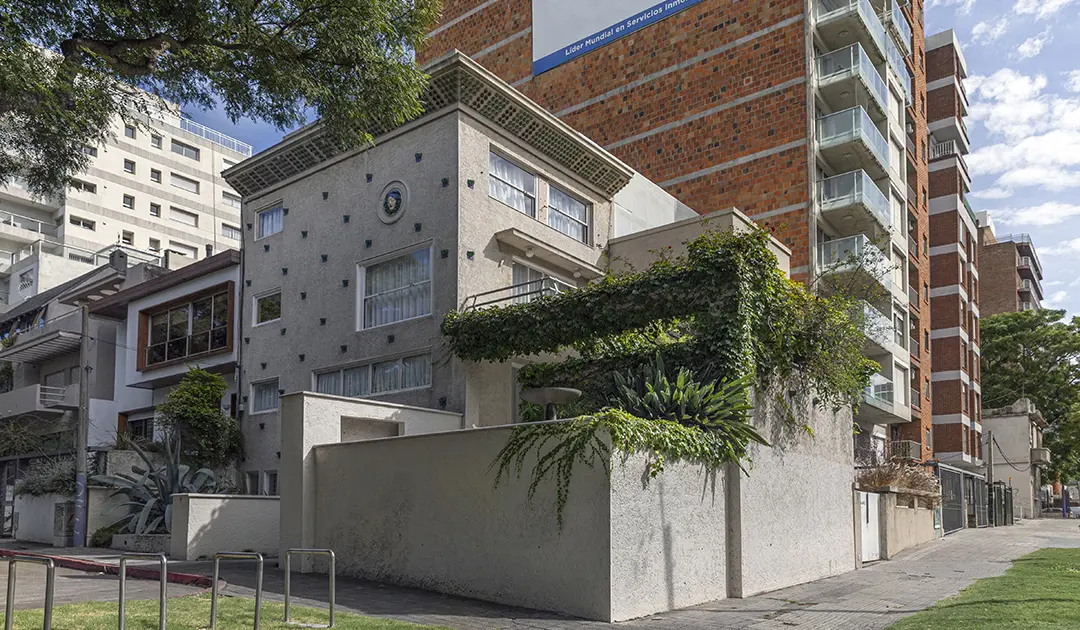

The site is dedicated to preserving and promoting the life and work of Uruguayan architect Julio Vilamajó. Located in Parque Rodó, Montevideo, Uruguay, the building is the country’s first modern home to be opened to the public as a house museum.
Casa Vilamajó Museum: Its existence marks a turning point in contemporary architecture in the Uruguayan capital. It also opens up new horizons for those on cultural trips who want to understand how a home can become both a historical artifact and a living experience.
Julio Vilamajó: The Architect and Family Man
Julio Agustín Vilamajó Echaniz (Montevideo, 1894–1948) designed this house in 1928 and built it in 1930. It was intended to be his family’s residence, but also his architectural laboratory. This dual purpose—as both a home and a space for experimentation— allowed the architect to test spatial, technical, and symbolic solutions.
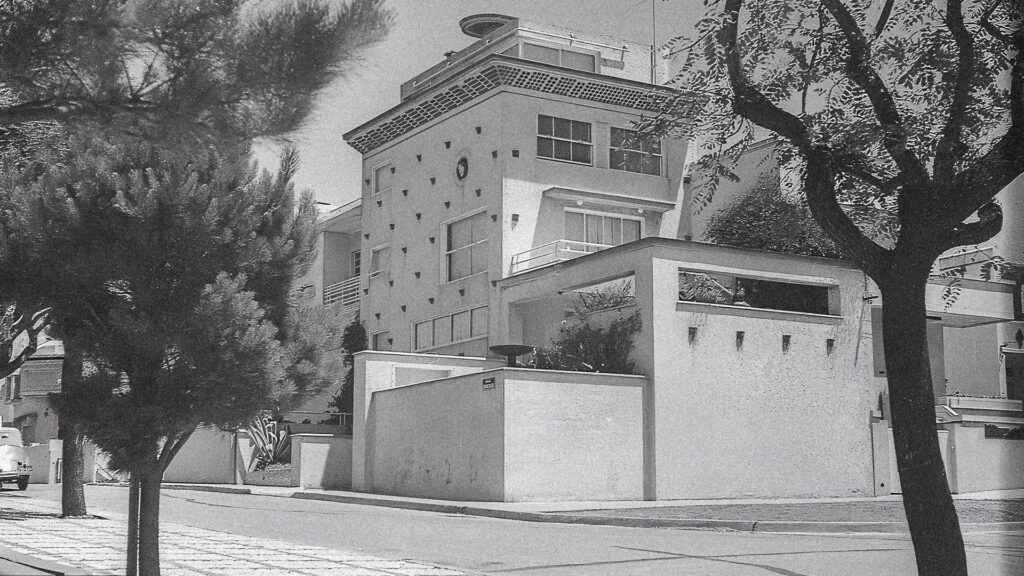
From the outset, the building served as a creative manifesto, where the domestic sphere is integrated with the pursuit of sensitive and rigorous architecture. Over time, the significance of the house led the Faculty of Architecture, Design, and Urban Planning at the University of the Republic to spearhead its restoration and conversion into a museum. The museum is conceived as a center for research and outreach on the figure and work of architect Julio Vilamajó and on architecture and design as disciplines open to society.
Through an agreement with the Ministry of Education and Culture, the institution that owns the property, a comprehensive restoration process was launched that restored the building to its original character. This institutional collaboration ensured the preservation of a heritage site that is essential to contemporary architecture in Montevideo and to the education of future generations.
It opened to the public in May 2012. This marked a cultural milestone: the Vilamajó House became the first modern home in the country to be converted into a museum.
This move placed it among an international network of house museums that includes works by Frank Lloyd Wright, Le Corbusier, Rudolph Schindler, Walter Gropius, and Richard Neutra.
Thus, Montevideo has joined a global network where cultural travel draws inspiration from venues that showcase how the great architects of the 20th century lived and thought.
The House and Its Form: Between Tradition and the Avant-Garde
From the outside, the house makes a striking impression with a façade that blends simplicity and symbolism.
At the top, a jellyfish is incorporated into the design. This enigmatic symbol serves as both a protective emblem and an aesthetic accent. Its presence—discreet yet powerful—embodies the way the architect blended tradition and the avant-garde.

The house extends 360 degrees across the horizon, as if seeking to embrace the entire landscape that surrounds it. Its presence blends seamlessly with Parque Rodó. For Vilamajó, the architecture had to engage with its surroundings.
Upon entering, visitors notice how the spaces flow seamlessly into one another. The original furnishings are also on display. Here, we can imagine how family life coexists with the creative studio.

Space, the new generations of architects
The museum serves as a bridge between the university and society, offering an introduction to contemporary architecture in Montevideo. The home of this painter, ceramist, and furniture designer provides an opportunity to explore a space where theory, life, and work intertwine.

The Vilamajó House Museum shows us that an architect can design a space of pure architecture without sacrificing the need for a home. Its opening allowed thought to become a direct experience.
Discover other house museums in AW Magazine.

To keep exploring this thread, visit contemporary Latin American architecture; you can also continue through buildings with history in Latin America.