Much has been written and said throughout the history of Latin American and Iberian art. And as a way to preserve these memories, today we’ve compiled some of the words that certain artists left behind for posterity. Not all of them achieved the status of famous quotes, but most reveal something interesting about the philosophy of their authors and, above all, about the context in which they lived.
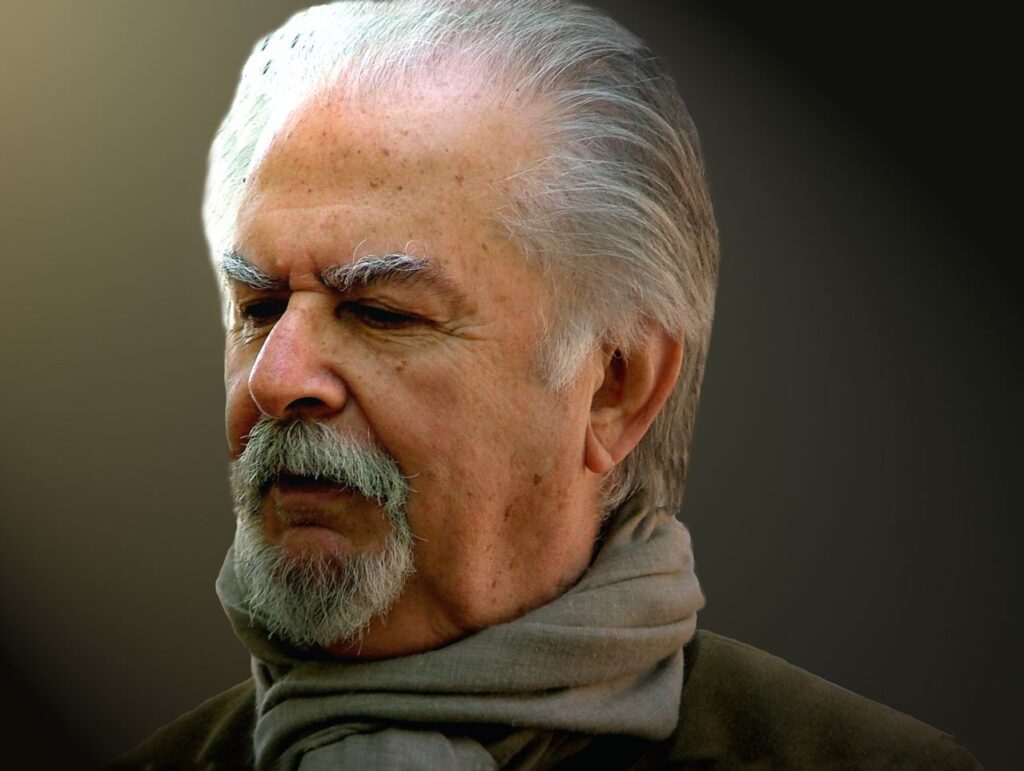
1. Fernando Botero, the deconstructor
“In art, as long as you have ideas and think, you are bound to distort nature. Art is distortion.”
These words by the legendary Colombian artist capture the essence of his striking work, in which excess and volume gave rise to a new kind of charismatic and truly unique beauty. Furthermore, Botero embraced subversion by encouraging artists to break away from established norms and challenge conventional standards.
2. The Passion According to Francis Alÿs
“Desire is the essential driving force behind any form of artistic creation.”
For this Belgian-born artist, who has lived in Mexico since 1986, artistic practice is linked to passion and desire. His works and installations, such as *When Faith Moves Mountains*, bear—literally—testimony to this. Trained as an architect, Alÿs has made the streets of Mexico City his laboratory for several decades. And yes, his work is inspiring. So much so that a passionate short story was even dedicated to him, titled Contra Francis Alÿs.
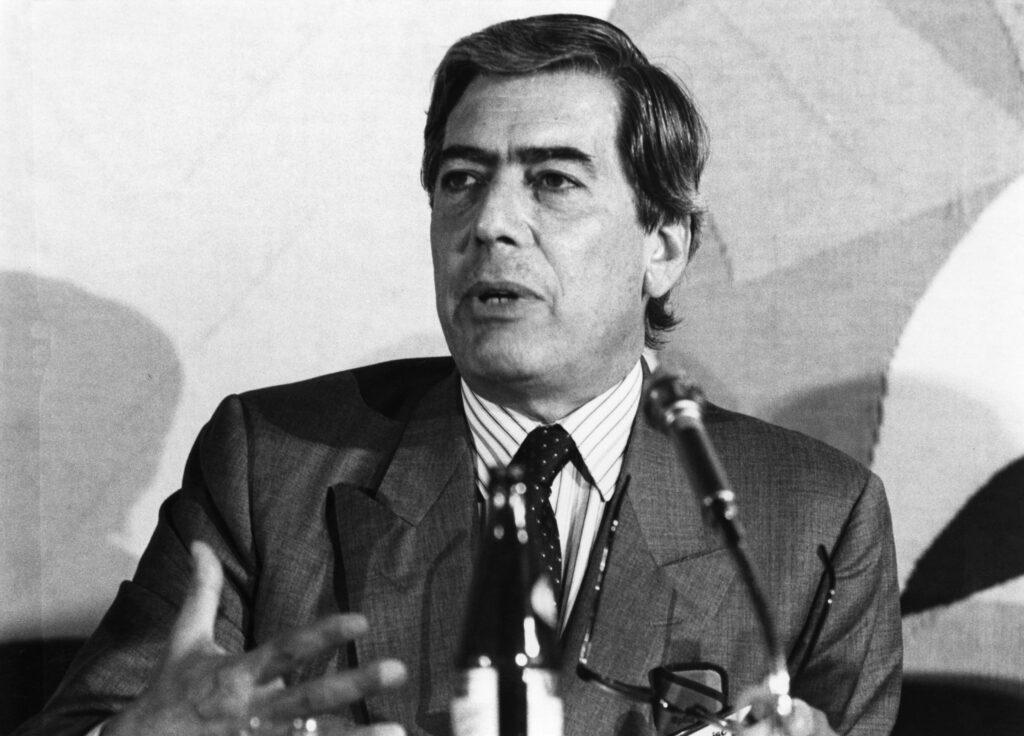
3. Mario Vargas Llosa and Beauty
“The world of literature, the world of art, is the world of perfection; it is the world of beauty.”
The Peruvian writer—one of the most frequently cited thinkers of the Latin American literary boom—often left behind phrases like this one, in which he emphasized aesthetics, hedonism, and the idealistic dimension of art and, of course, literature. But let’s not romanticize him too much; in his last interview, for the BBC, he stated that “the old utopias were disappearing” and that all we could do was be realistic.
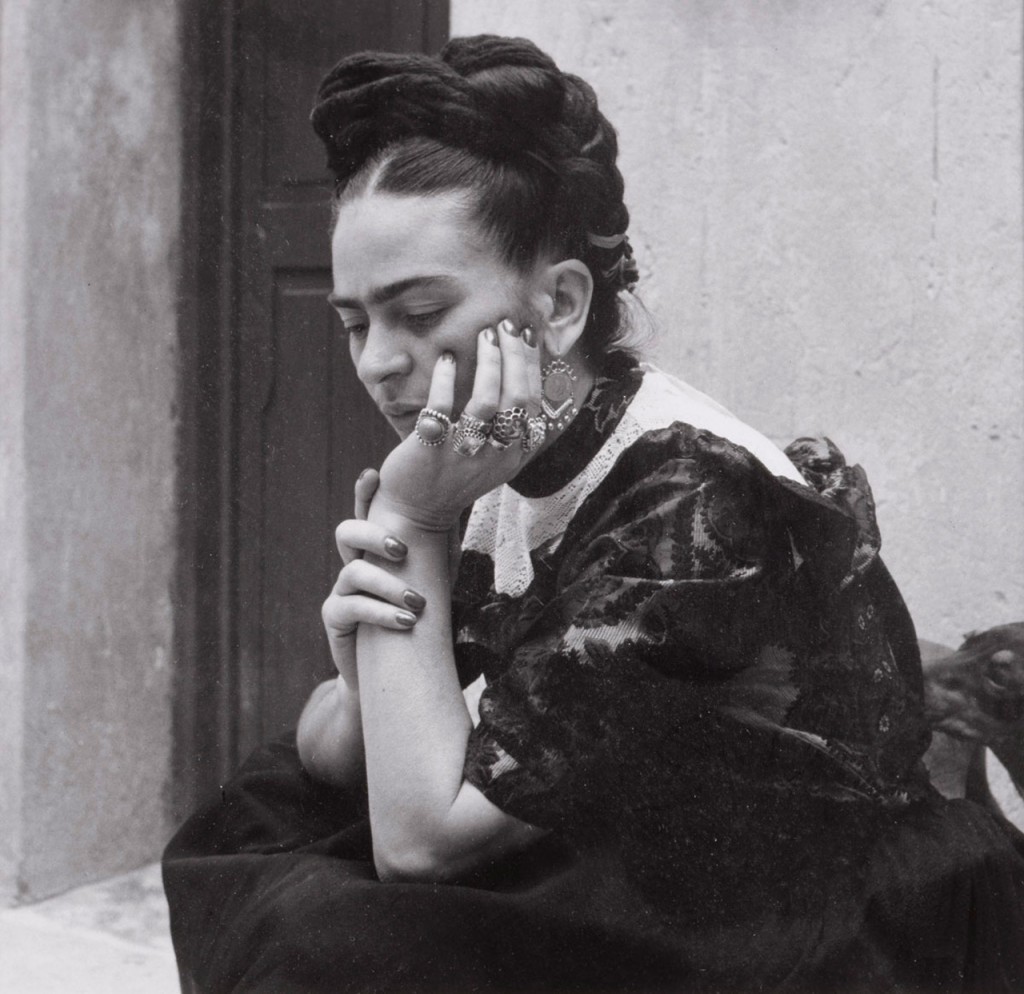
4. Frida Kahlo and the Sense of Belonging
“I used to think I was the strangest person in the world, but then I figured there must be plenty of people like that scattered all over the planet.”
That sense of strangeness and alienation allowed her to connect deeply with her followers, who found in her work a sense of belonging and even nationalism. Frida, considered a woman ahead of her time—a feminist, a communist, and an artist who expressed her pain and her inner world—steered clear of prevailing trends to develop her own artistic language that endures in one form or another.
5. José Luis Cuevas and the critics
“The artist is constantly reinvented by critics.”
The famous Mexican painter, illustrator, and writer—who is credited with giving the capital’s La Zona Rosa its name—often weighed in on various controversial topics. His words on criticism reveal his decisive influence on the art world, especially in the Mexican context. Without resorting to exaggeration, Cuevas acknowledged that, in many cases, artists are also a product of what is said about them.
6. Pablo Picasso, the Thief
“Good artists copy; great artists steal.”
Picasso was suspected of stealing the Mona Lisa from the Louvre in 1911. The crime was never proven. And of course, the phrase in the title has nothing to do with it. The Spanish artist was saying that to be popular, a creator must keep an eye on trends, make them their own, and achieve great things where others have failed. Just ask David Bowie, who followed that philosophy—and by the way, he was such a fan of the painter that at one point he recorded a cover of a song called “Pablo Picasso,” originally by the cult band The Modern Lovers.
7. Margaret Whyte and the Transience of Art
“Contemporary art is ephemeral; it is born, flourishes, and fades away”
Uruguayan artist Margaret Whyte was blunt in this observation. Her remark upset many artists in the contemporary art scene when she made it to *El País*. The 90-year-old artist, who is representing her country at the controversial—because it ran out of judges—Venice Art Biennale, often treads these paths of discomfort and has also confessed that she is passionate about the world “because it is cruel.”
8. María Izquierdo and the Decorative Role of Art
“Art isn’t meant to decorate walls; it’s meant to touch the soul.”
María Izquierdo was a pioneer of Mexican art. She is known for being the first woman to exhibit her work in the United States (at the age of 27). Antonin Artaud was a fan of hers; the International Astronomical Union named a crater on Mercury in her honor, using the surname “Izquierdo.” What more could she ask for? Her quote reflects a personality that goes beyond appearances.
9. Luis Barragán’s Philosophy of Perfection
“I believe that architecture comes closest to perfection when one can enjoy its joy, serenity, and silence in solitude.”
The Mexican architect—although he was actually an engineer by training—was widely recognized as an obsessive perfectionist in his personal approach to architecture and design. His vision, which prioritized “emotion” over mere functionality, earned him the Pritzker Prize in 1980. Those who knew him describe him “as a man of books.”
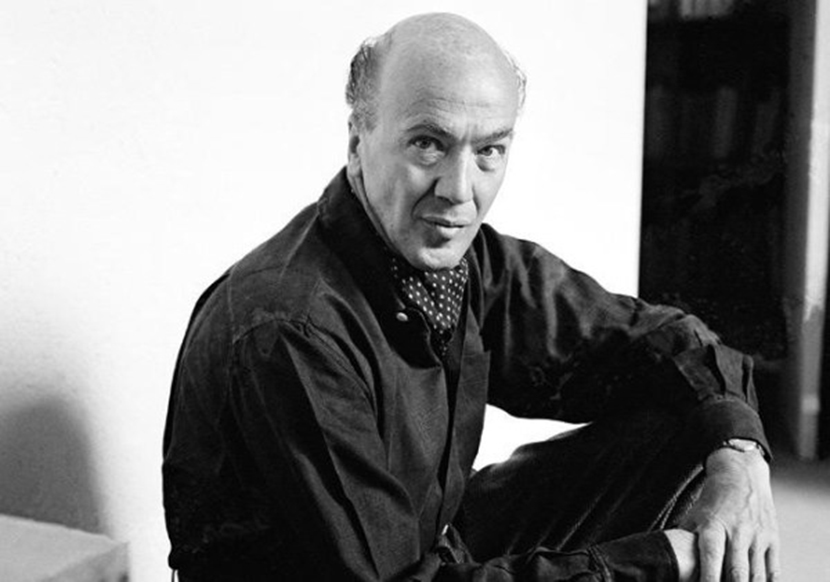
10. Carlos Cruz-Diez and the Collective Unconscious
“There is a notion in the collective unconscious that art is a painting hanging in a museum, but art is life.”
The Venezuelan visual artist made a statement very much in the vein of those artists who reject the purely contemplative nature of art. For Cruz-Diez, who died in Paris—where he had lived since the 1960s—in 2019, art was existence itself. “My life’s project included both painting and family,” he wrote in his memoir *Living in Art: Memories of What I Remember*.
Discover more stories about Latin American art on Art Weekends.
To keep exploring this thread, visit music, film and cultural stories.