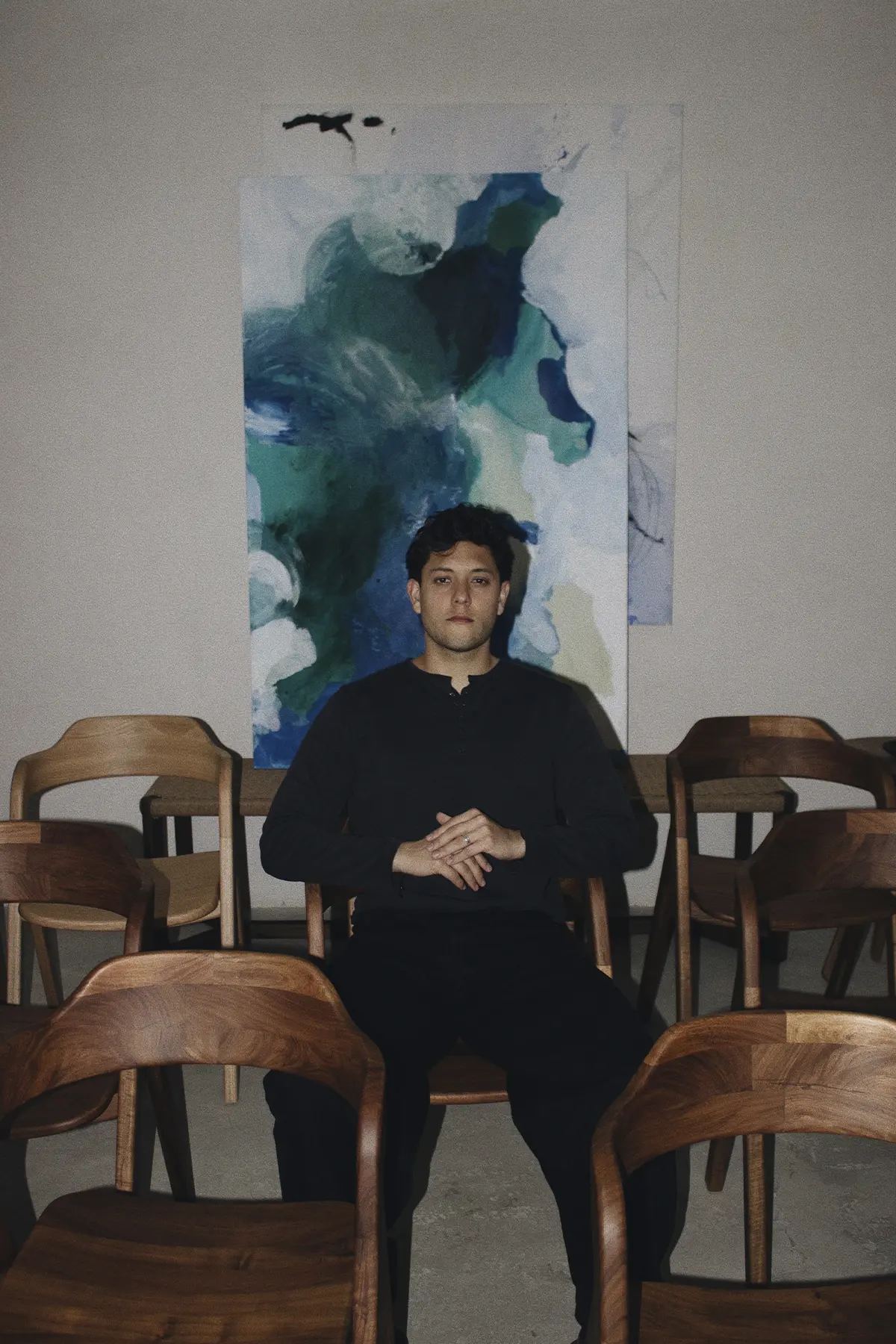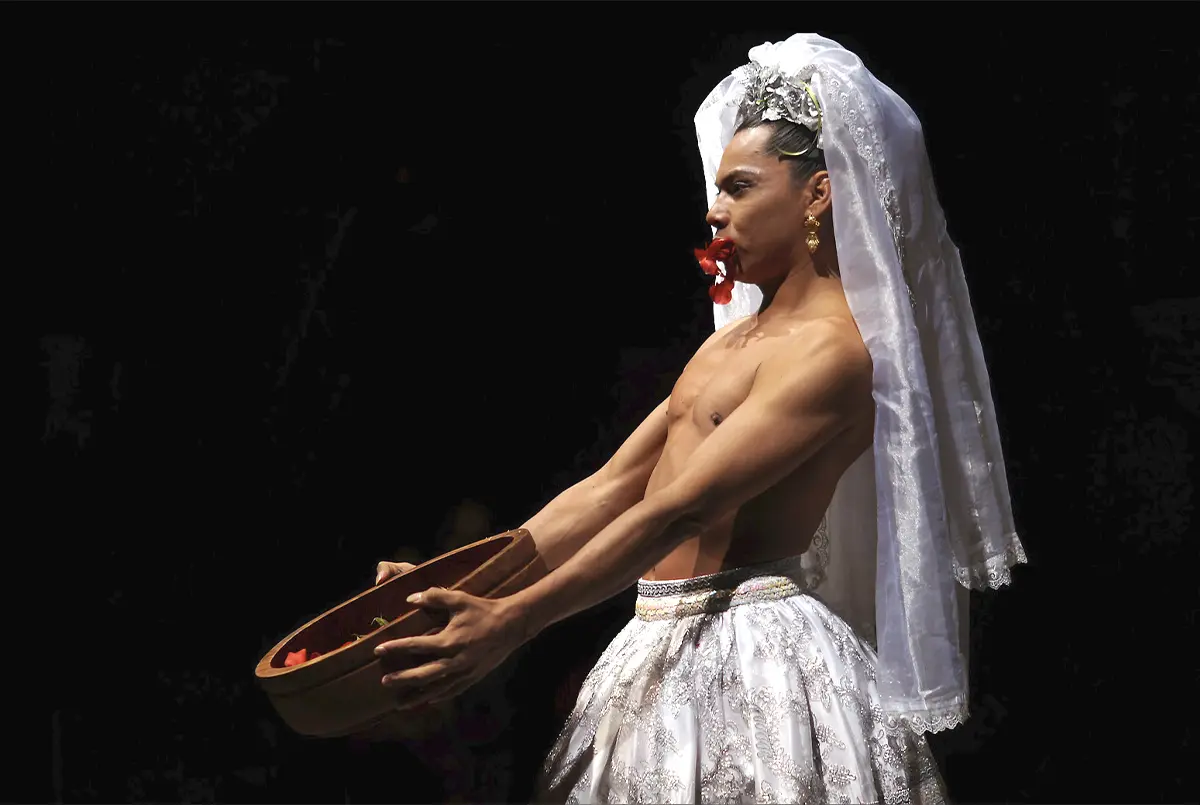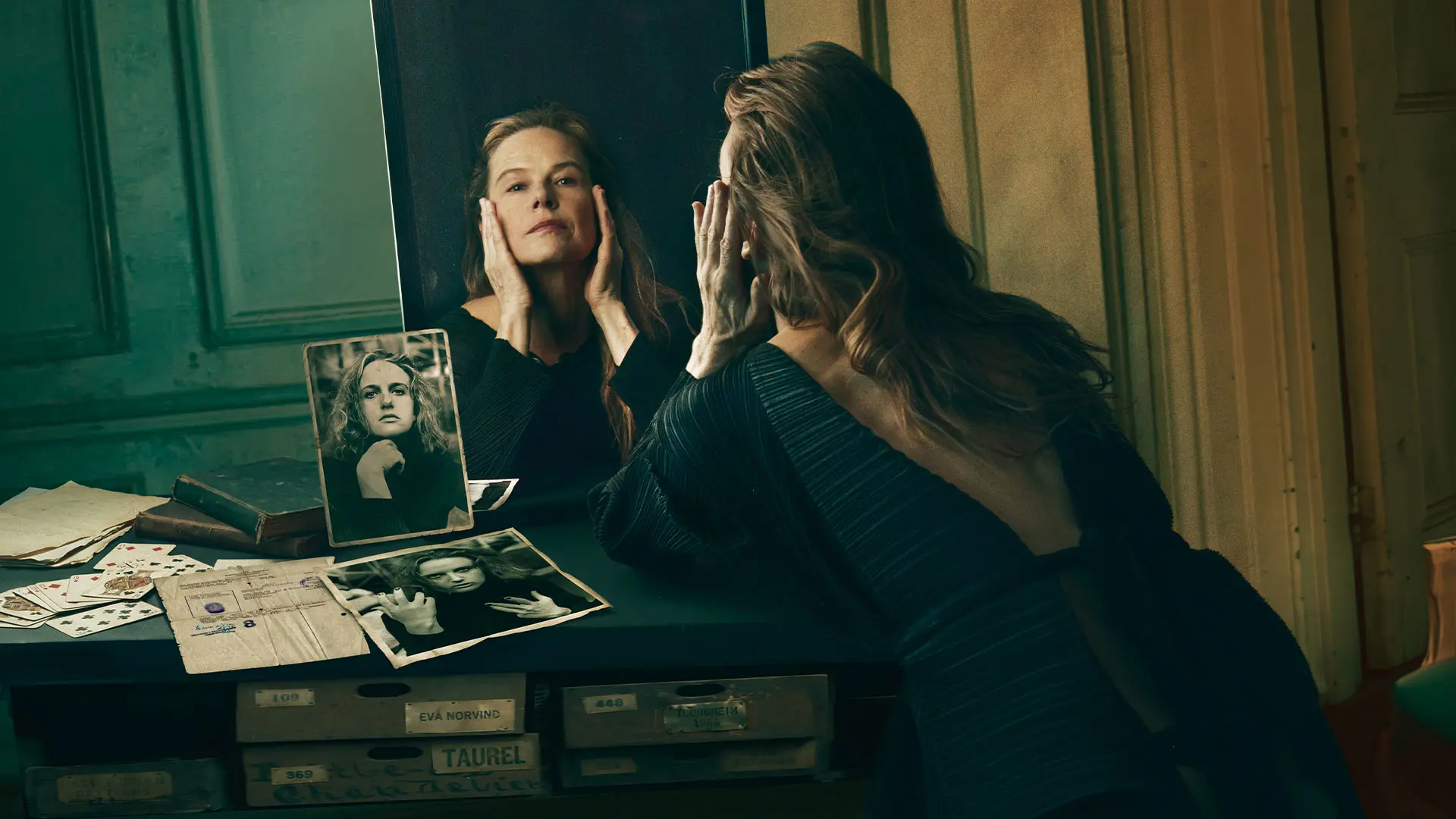

Tepoztlán en una tarde de abril es la definición de primavera. El calor, los cielos sin nubes sobre el Cerro del Tepozteco y las callecitas que parecen acuarelas deslavadas bajo los rayos del sol, me indican que he llegado al Pueblo Mágico de Morelos. Ahí me reuniré con Nailea Norvind para reconstruir desde sus recuerdos y desde la fuente, la historia de su madre, Eva Norvind.

Actriz, vedette, periodista, fotógrafa, feminista, escritora, empresaria, terapeuta sexual, directora de cine, mamá y dominatrix. Eva Norvind fue una obra de arte; una mujer disruptiva que se inventó a sí misma tantas veces como versiones dejó en quienes la tuvieron a su lado. Dos décadas después, Eva sigue habitando los espacios que tocó.
En mayo de 2026 se cumplen veinte años de su partida, el réquiem de un sueño —terrenalmente hablando— que parece el guion de una película de la nouvelle vague con locaciones entre México y Nueva York.
“A veces, cuando veo toda la complejidad que cargaba, todo lo que hizo y cómo se ramificó, pienso en lo lineal y aburrida que puede ser la vida. Para la mía fue importante defender un poco más la estructura, porque la verdad, mi madre era el caos”, me cuenta su hija Nailea.
Eva Norvind o el arte de reinventarse
El hogar de la actriz, entre rústico y vanguardista, está en un camino empedrado rumbo a la montaña. “Esta casa es muy Eva, porque ella la inició”, cuenta. Me ofrece una de sus bebidas artesanales, un kéfir de agua con jengibre, y nos acomodamos en unas sillas de diseño geométrico en la sala del segundo piso, donde el viento se filtra por las ventanas modernistas.
Alrededor hay cuadros, una alfombra colorida para yoga, gatos nómadas —muchos de ellos rescatados por la misma Nailea—, fotos en blanco y negro y elepés de música clásica. Sobre un buró que parece un altar descansa una urna con las cenizas de Eva Norvind. En una ocasión, cuenta, un ladrón las esparció mientras buscaba joyas.

“Eva tuvo mucho amor por este lugar”, cuenta Nailea mientras acomoda unos retratos. Parte de ese archivo ve la luz por primera vez en Art Weekends.
Sus hijas, Tessa Ia y Naian González Norvind, comparten una devoción similar hacia su abuela Eva: “Sí, existe una gran admiración de mis hijas hacia ella, mucho respeto en general”.
Eva Norvind: Inventarse un apellido, inventarse una vida
El apellido Norvind no existía. Lo creó Eva como otra identidad y significa “viento del norte”. Su nombre real era Eva Johanne Chegodayeva Sakonskaya. Nació el 7 de mayo de 1944 en Trondheim, Noruega. Durante la ocupación nazi, sus abuelos fueron forzados a trabajar como traductores para los alemanes. Pero lo que se recuerda en la historia familiar es una historia mucho más arriesgada: “le pasaban la información a la resistencia”.
Cuando iba de visita a Noruega, Eva dejaba que su hija Nailea jugara entre bunkers y túneles que permanecían como vestigios de la guerra. En lo alto de una colina aún existe una construcción con cañones oxidados donde el padre de Eva estuvo encarcelado por el Tercer Reich.
Nailea: el nombre como destino
Sí, el nombre de Nailea también fue producto de la imaginación de Eva. “Algunas personas dicen que tuvo una relación con el entonces Presidente de México Luis Echeverría Álvarez, por el ‘lea’ del nombre, pero es falso. Ella quería que yo fuera única y diferente. Tardó un año en decidir mi nombre y no me registraba porque quería que yo misma eligiera cómo llamarme cuando tuviera edad suficiente para ello”.

Nailea Norvind nació el 16 de febrero en la CDMX, un par de meses antes de que se inaugurara el Mundial de Futbol México 70. Pasó sus primeros años entre la capital y este pueblito místico. Sus primeros recuerdos son estar en pijama abrazada a su almohada, y levantarse de la cama al escucharla decir: “Nos vamos a Tepoztlán a pasar el fin de semana, súbete atrás del Volkswagen”.
A veces se refiere a ella como “Eva” y otras simplemente como “mi madre”.
Del padre de Nailea Norvind no se sabe mucho. “Había un político mexicano que quería tener un hijo con una mujer hermosa, una como Eva. Seguro la impresionó esa cascada de senos y pelo rubio”, agrega Nailea, divertida. “Pero ella no quería esos genes. En ese tiempo Eva fue de visita a Nueva York y, como estaba ovulando, decidió embarazarse de un holandés a quien conoció por casualidad y que por cierto quería ser actor”.
Años después, en 2002, gracias a los contactos con Endemol, la empresa holandesa que producía un programa en el que ella participó, Nailea intentó reencontrarse con ese pasado y viajó a Países Bajos para participar en el show de televisión Spoorloos, que rastrea a familiares perdidos. Su madre fue con ella y fue una de sus grandes experiencias juntas. El intento fue vano porque Eva no sabía el nombre del padre de Nailea. Nunca se lo preguntó, y lo más probable es que él tampoco nunca supo que tuvo una hija en México que terminaría convirtiéndose en actriz, la profesión que soñaba para sí mismo.
La ausencia paterna no es un asunto pendiente para Nailea: “En la vida uno se adapta a las circunstancias que conoce. Cuando no has probado otro sabor no puedes añorarlo. Siempre me sentí afortunada creciendo al lado de mi madre y de mi abuela. Ellas fueron mis figuras, fue mejor que tener padres peleándose. Mi mamá fungió como el lado masculino paterno”.
Siguiendo los pasos en el arte de ese matriarcado, Nailea ha mantenido una carrera notable como actriz de teatro, cine y televisión. A los seis años debutó en la obra Casa de Muñecas, donde su madre fue asistente de dirección y fotógrafa, en su primer trabajo con documentos de residencia mexicanos. En cine, Nailea dio sus primeros pasos en la película El triángulo diabólico de las Bermudas.
Otro de sus primeros grandes papeles fue el de villana roba-escenas en la telenovela Quinceañera, a finales de los años ochenta, década que, por cierto, dice detestar: “No me siento de mi época, no me gusta ni la música ni la moda tan estridente”.
Algunas de sus películas recientes son Manto de gemas o Juana. Eva no lo pudo ver, pero después sucedió una de las mejores etapas de la carrera de Nailea, tanto en cine como en teatro. “Cómo quisiera que estuviera ella aquí ahora, siento que estaría muy feliz de presenciarlo. Mi mamá era la que más creía en mí. Siempre me decía que tenía que hacer mucho cine”, recuerda.
Cuando habla de las pinturas en los muros de su casa recuerda a su abuela, la escultora finlandesa-noruega Johanna Kajanus, autora de muchas de las piezas. Uno de los cuadros es un autorretrato; otro es un bosque donde un árbol se está convirtiendo en hombre. “Mi abuela era una romántica: le encantaba pintar historias de amor, de vikingos y de sirenas”. En esa historia, solo faltan príncipes. O eso pensábamos.

El mito antes de Eva
El abuelo de Nailea era un príncipe ruso de apellido Chegodayev-Sakonsky. Como tantos otros aristócratas, fue exiliado en París tras la persecución política desencadenada por la Revolución. Ahí conoció a Johanna Kajanus, quien acababa de obtener medalla de bronce en una exposición en Francia por una escultura y probablemente ya planeaba algunos de los lienzos que hoy adornan la casa de Tepoztlán. Después escaparon a vivir con la familia que él tenía en Varsovia, antes de mudarse finalmente a Trondheim.
En esta genealogía de cuento de hadas aparecen también el hermano de Eva, Georg Kajanus, quien fue parte del combo glam-rock setentero Sailor; o su bisabuelo, Robert Kajanus, fundador del Conservatorio de Helsinki.
La primera vida de Eva Norvind
Siempre se vio atraída por el arte. A los 15 años, Eva llegó a Saint-Tropez en el sur de Francia. Ahí, uno de sus tíos, dueño de la fábrica donde trabajaba la familia, percibió su potencial, la animó a que tomara baños de sol, hiciera ejercicio y se preparara para ser artista.

A los dieciséis participó en un concurso de belleza en Cannes y obtuvo el segundo lugar. Luego apareció en una película francesa. Decidió que quería convertirse en estrella de cine. Era 1962 cuando Johanna se enamoró y se mudó a Montreal junto con su nueva pareja, Eva y su hermano con la intención de instalar una academia de arte en Canadá.
Allí Eva da sus primeros pasos en el arte. Comienza a trabajar en un teatro de variedades en Quebec, aunque pronto siente que la ciudad se le queda pequeña, “demasiado provinciana”. Broadway y su promesa de ambición y exceso le atraía más que la vida en Canadá, así que decide probar suerte como showgirl en Nueva York.
“En Estados Unidos comenzó a tomar cursos de todo lo que podía: idiomas, danza, actuación… Pero también se convirtió en conejita en el Playboy Club, con sus orejas y su corsé ajustado”, cuenta divertida Nailea.
Por aquellos años, en 1964, Eva sufre una decepción. Se había enamorado de un italiano al que, cuenta su hija, “quería regalarle su virginidad, pero él no quería cargar con eso”. Sí, Eva Norvind, la futura dominatrix, la rompedora de los esquemas tradicionales en México, la reina del performance de alta temperatura sexual fue virgen hasta los 21, así lo confiesa ella misma en una biografía y un proyecto cinematográfico que Nailea está preparando.
El camino hacia México
Entristecida por ese romance no correspondido, Eva se exilia al país más cercano: México. Quiere darse un tiempo para sí misma y aprender español. Toma un autobús o —“de aventón”, no descarta Nailea— desde Nueva York hasta el Distrito Federal, y en la frontera le roban los últimos diez dólares que guardaba.
Cuenta que llegó de madrugada a la Avenida Reforma en la capital mexicana ,y sin un peso encima, pide monedas en la calle antes de recurrir a la Embajada de Noruega. “Pronto se olvidó de eso; aquí se enamoró de la gente, de los colores, de los mercados”, aclara su hija.

Una figura adelantada a la revolución sexual
Terminó quedándose dieciséis años en México. Primero trabajó como vedette. “Estudié español en el verano, pero luego decidí quedarme”, relata ella misma en el documental de la realizadora alemana Monika Treut: Didn’t Do It for Love, que presenta a Eva como una pionera sexual. “Me la pasaba los domingos en Plaza Garibaldi con mis amigos mariachis”.
Pronto comenzó a actuar en cine. Durante su estancia en México filmó siete películas, —muchas de serie b— entre 1965 y 1966. Entre ellas, Esta noche no, Pacto de sangre, Santo contra la invasión de los marcianos y la comedia para dandys mexicanos Don Juan 67, con Mauricio Garcés.
“En México fui un objeto de admiración y eso me imposibilitó vivir en un mundo real”, recordó Eva en una entrevista publicada en el Diario Reforma en 2006. Por ese entonces, ya se le conocía como “la Marilyn Monroe mexicana”, aunque en realidad nunca se nacionalizó.
Por esos años tratar abiertamente el tema de los anticonceptivos en los medios de comunicación no estaba bien visto. Por eso algunas de las declaraciones de Eva fueron escandalosas. Tanto, que el Gobierno la instó a abandonar el país —logró evitarlo, pero no pudo aparecer en las pantallas mexicanas por un año— tras su polémica en el programa de Paco Malgesto. “Quizás se haya sentido decepcionada de que México no tuviera tanta libertad sexual”, reconoce Nailea.

Después de ese episodio en el que el trabajo le comenzó a ser negado, Eva se volvió a reinventar. Se marchó a la entonces Unión Soviética a estudiar ruso y se convirtió en periodista. Con el tiempo, llegó a entrevistar a figuras como Robert Redford, Harrison Ford o Liza Minnelli para revistas como Cosmopolitan. “Trabajó en Europa, en Cuba; hasta le hizo fotografías a Fidel Castro”, cuenta Nailea.
Para entonces, Eva era muy cercana a artistas y personalidades de su entorno, como José Luis Cuevas, Juan José Gurrola y Alejandro Jodorowsky. En su agenda también figurarían secretarios de Gobernación y directores como Milos Forman o Peter Greenaway.
Crecer junto a Eva Norvind
Cinco años tenía Nailea cuando descubrió el yoga, disciplina que aún practica. “Llegaba de la escuela y me encontraba en la sala a un canadiense que estaba viviendo en la casa. Me encantaba. Siempre estaba de cabeza o en la posición de la flor de loto y tenía el pelo hasta abajo de la cintura”.
“Vivíamos en Altavista, en un departamento en el que desfilaba todo tipo de gente: sus amigos artistas, políticos extranjeros y mexicanos, músicos folclóricos y personas de diversos orígenes económicos”, recuerda. “Luego nos mudamos a Chimalistac, donde ahora vive Elena Poniatowska, junto a una iglesia. Era muy bonito”, rememora.
Nailea, por el contrario, se describe a sí misma como una persona solitaria, muy distinta a Eva, cuya naturaleza social parecía atraer constantemente a personajes excéntricos.

“Mi madre era congruente con el sentimiento de la exploración y de la libertad, era muy impulsiva para algunas cosas, pero jamás fue adicta a las drogas y el alcohol nunca la atrajo. Aunque en los setenta claro que probó todo lo que había que explorar”. De niña Nailea acompañó a su madre a la tierra de la sacerdotisa oaxaqueña María Sabina, junto con el doctor Salvador Roquet, terapeuta e investigador pionero en el uso de plantas psicodélicas.
Recordar a Eva desde lo cotidiano
El mayor recuerdo que conserva no son las fiestas liberales de su madre ni las mazmorras que luego tendría en su casa. “Una de mis primeras memorias de ella es verla comer manzanas, eran sus favoritas, y comía kilos y kilos”, recuerda. “A mí nunca me cocinó, yo aprendí a cocinar sola. Le gustaban los waffles noruegos, pero no los sabía hacer”.
Pero quizás el recuerdo más permanente es “ver a mi mamá tocando la guitarra y cantándome. Así la recuerdo mucho”.
La otra vida de Nailea
“Mi madre era una persona altamente sexual y de mentalidad abierta. En Nueva York encontró el mundo que terminaría llevándola a convertirse en dominatrix”. La vida de Nailea da otra vuelta cuando Eva se muda nuevamente a Estados Unidos para estudiar cine, y toma la decisión de que su hija se quede en la Ciudad de México.
“No era como que ella fuera la única autoridad y yo muchas veces me defendía. Llegué a decirle cosas como: ‘Yo no soy tu esclava’. Porque a veces se le hacía muy fácil dar órdenes”, recuerda.
Tenía nueve años cuando Nailea dejó México para alcanzar a su madre. “Yo quería estar con ella y al final organizó todo para que me fuera a vivir allá”. Ambas se asentaron en el Hotel Wellington, en el centro neoyorquino. Desafortunadamente su nuevo hogar no tenía nada de las manzanas, ni de las tardes en Tepoztlán o de los días cálidos en la CDMX. La ciudad era hostil, de concreto, con sus rascacielos y su clima extremo. Ahí, mientras estudiaba y buscaba abrirse camino, Eva comenzaba a construir de nuevo, otra versión de sí misma. A Nailea no le gustó la ciudad. Vivir con su madre se volvió retador, porque ya era una persona distinta.
« Crecí en modo supervivencia diciendo ‘yo puedo con esto’, con cosas fuera de lo común; a lo largo de mi vida siempre he tenido la actitud de no victimizarme » Nailea Norvind

Tres años después le confesó a Eva que quería volver a la Ciudad de México: “Ella me dijo que no se podría regresar conmigo, que estaba a mitad de su carrera y que tenía un negocio que mantener. Pero que no me iba a detener si quería irme”. A los doce años, Nailea regresa sola a México y se instala en una habitación que le rentaba una familia en Coyoacán.
Desde esa edad, Nailea ya conducía un auto, con un permiso de manejar falso. “Mi mamá era experta en falsificar documentos”, recuerda. Pese a su madurez, la experiencia de la independencia no fue sencilla. Una de las nueras de la familia con la que convivía era cleptómana: “Me dejaba con tan poco dinero que a veces solo me alcanzaba para un bolillo”.
Su vida adolescente en la capital mexicana se convirtió en una vorágine de actuaciones en teatro y televisión. “Solía enviarle a mi mamá recortes de las revistas en donde salía, y ella siempre me decía que se sentía orgullosa”, recuerda.

Entre los 14 y los 16 años, Nailea vivió en Tizapán, San Ángel, con su abuela; luego se marchó a la montaña, a una comunidad en Tlalpuente, en el Estado de México. Su abuela nunca dejó México y Nailea la cuidó hasta el final.
Eva no regresaría a vivir a México jamás. “Me visitaba o yo iba a verla; me mandaba lo de mi colegiatura, pero nada más”, recuerda Nailea. “Sí estuvimos en contacto, a veces con distancias o límites. En la relación de madre e hija que tuvimos, nunca pasamos una etapa sin saber la una de la otra”.
El encanto dominatrix: performance, provocación y sanación
Desde Nueva York, para mantener sus lujos, a su hija y además estudiar, Eva consolidaba su carrera como dominatrix. Trabajaba en un lugar llamado Belle de Jour —como la película de Luis Buñuel que protagonizó Catherine Deneuve—. “En la lejanía sentía cómo ella estaba cambiando, pero de todos modos la amaba. Eva siempre me enseñó a aceptar a todas las personas como son y lo que quieran hacer, siempre y cuando no te afecte a ti”.

“Sus amistades también se volvieron mucho más extravagantes, porque ella se movía alrededor del sexo”, rememora Nailea. “Yo no entendía por qué a los adultos les importaba tanto eso”.
La mayoría de los clientes de Eva Norvind eran personajes poderosos que querían sentirse sumisos, dominados y humillados. Entre quienes asistían a las sesiones había hombres de la CIA, del FBI y algunas figuras famosas que, por ética profesional, Eva mantuvo en el anonimato.
“El gozo que sentía ella como dominatrix tiene que ver con que le encantaba provocar”, asegura Nailea. “Le gustaba obtener una reacción a lo que hacía, y podía ser amada u odiada por esa honestidad”.
Aunque su madre procuró ser discreta sobre su nueva pasión, en algún momento Nailea se dio cuenta. Viviendo en un departamento tan pequeño, era algo difícil de ocultar. Hasta hoy recuerda aquellos lugares donde se hacían sesiones de dominación: “Había un set con instrumentos de tortura y espacios temáticos. Eran habitaciones lindas, con terciopelo. A las personas fetichistas les encanta la seda, el cuero y la piel. Ella usaba látigo, botas y pinzas para los pezones que les ponía a sus clientes y luego les arrancaba; también les ponía máscaras. Había un cuarto donde representaban una crucifixión”.
Pero en México, su trabajo como dominadora no tuvo tanta repercusión como en la muy fuerte escena sadomasoquista neoyorquina o al menos es algo que mantuvo en secreto. Nailea nunca siguió los pasos de su madre. Quizás lo más cerca que estuvo fue cuando en los ochenta modeló ropa fetichista, fue lo más cercano que llegó en el mundo sadomasoquista.

“Había amigos de ella que le preguntaban si yo no era dominatrix también, pero siempre dejé muy claro que esa era su actividad. Sí hay muchas cosas en las que soy igual a ella, o tal vez es que cada vez la entiendo más, yo tengo mis propias exploraciones. Con el tiempo comprendemos a nuestros padres y hoy le doy la razón en muchas cosas, pero también hay otras en las que uno decide lo opuesto”, reflexiona. “Ya más adelante, cuando la vida se complica, o te quedas atorada o haces lo que puedes con lo que tienes”.
Para Nailea el trabajo sexual de su madre tenía una vocación de sanación más allá del negocio: “El espíritu se liga con el sexo, para crecer y expandir la vida en pareja”. Con el tiempo, Eva exploraría más esa vena erótica, obtendría una maestría en sexualidad humana, estudiaría psicología forense en el John Jay College of Criminal Justice y se convertiría en terapeuta psicosexual —a veces bajo el alias de Ava Taurel, por el tauro de su signo zodiacal—, además de coach sexual en Hollywood.
Uno de sus trabajos más reconocidos fue en la película The Thomas Crown Affair, donde entrenó a la actriz Rene Russo, quien por temas del pasado de represión familiar y religiosa, no podía hacer explotar su sexualidad en la pantalla.

Durante una entrevista en 2001, Nailea confesó que todas las Norvind siempre han sido bisexuales. Una de sus hijas le marcó por teléfono de inmediato cuando le comenzaron a preguntar sobre eso: “¿Mamá, por qué dices eso si nunca has estado con otra mujer?”, le dijo. “Le contesté que no, pero que sí podría”. Eva nunca negó sus romances con otras mujeres ni haber sido amante de muchos personajes de la época. Simplemente, era libre.
Una semana después, encuentro nuevamente a Nailea durante la sesión de fotos que le realizamos en la Ciudad de México. Llega en patines y con un look californiano que le va muy bien. La cita es un día antes del que sería el cumpleaños de su madre: “Hubiera cumplido 82, es difícil imaginarla”.
Los últimos días de Eva Norvind
Zipolite, en Oaxaca, es conocida en muchas leyendas zapotecas como la “playa de los muertos”. Su intenso oleaje es considerado como uno de los más peligrosos del mundo. El 16 de mayo de 2006 Nailea se encontraba grabando escenas de la telenovela Rebelde en exteriores. Algo grave debía suceder porque la producción no la recogía en su cámper.
Entonces, el productor Pedro Damián se acercó y le dijo que tenía que contarle algo importante. La llevó a caminar por un paraje aislado, cerca de las locaciones. “Me dijo que mi madre había tenido un accidente y lo primero que pensé fue que había sido un percance automovilístico”.
La tragedia había ocurrido a la una de la tarde del 14 de mayo. Pero como en esa época no existía la comunicación inmediata, una familiar del hotel donde su madre se hospedaba tomó un autobús esa misma noche y llegó a la Ciudad de México al día siguiente. Al no saber cómo contactar directamente a Nailea, se le ocurrió ir a las puertas de Televisa y pedir hablar con “la artista, la de televisión”.

Hay una escena en una película de Xavier Dolan en la que una cascada de agua helada cae desde el cielo y empapa a la protagonista. Con esa referencia me describe la sensación de enterarse de la muerte de su madre, que se había ahogado en el mar.
Con la impresión encima pero con entereza, Nailea decidió grabar sus escenas pendientes antes de tomar un vuelo hacia Oaxaca. En las escenas, la protagonista estaba conociendo a su madre por primera vez: “Yo estaba perdiendo a mi madre, y ella estaba encontrando la suya”.
“Había estado con ella en su cumpleaños una semana antes y luego me avisó que se iba de vacaciones. Siempre viajaba sola porque le encantaba la playa nudista, le gustaba ir a escribir y leer ahí”. El veredicto oficial fue paro cardíaco, aunque el acta de defunción señala muerte violenta.
“Fue una fuerza de la naturaleza enfrentándose con otra fuerza de la naturaleza”, reflexiona Nailea. Eva estaba en la Playa del Amor, una pequeña bahía de la zona, cuando las olas la azotaron contra las rocas. “Ella podía ser irresponsable en muchas cosas, pero no en esto. La acababan de operar y físicamente no estaba en condiciones de luchar contra la corriente”. Un surfista logró sacar su cuerpo del agua.
En esa zona se dice que el mar se traga a las personas y rara vez las devuelve. “Agradezco que pude verla, porque alguien podría inventarme que Eva no murió, que simplemente se fue para empezar otra vida, y yo lo creería. Mi mamá siempre se reinventaba. Si no hubiera aparecido físicamente, nunca habría sabido si realmente murió”.
Nailea llegó a Oaxaca muy tarde y pasó la noche en el cuarto donde su mamá había vivido sus últimos días. “Fue muy tierno mirar lo que había en el basurero: las sobras de las manzanas que había comido ese día y unas bolsitas de almendras”, recuerda.
Muy temprano fue a lo que era, literalmente, una covacha que funcionaba como sala forense: una pequeña construcción rústica junto al mar, impregnada de olor a formol y detergente, donde habían abierto el cuerpo de Eva para drenarle el agua. “Habían cosido el cuerpo con mecates”, dice Nailea. Al día siguiente le hizo una misa en el mar, un ritual que sigue repitiendo cada año cuando viaja a la misma playa: “Voy para hablar con ella, en el sitio donde todo ocurrió”.
Ya en 2025, la actriz vivió un peligroso incidente también en una playa de Oaxaca: “Lo que a mí me pasó, creo que es exactamente lo que ella vivió, me senté en la arena y dejé que el agua llegara. No estaba nadando, estaba ahí dejando que las olas pasaran. De pronto llegó una más fuerte. Estaba en la orilla pero la fuerza del océano empezó a jalarme y casi no pude salir”.
Para Nailea, no fue una coincidencia: “A nadie le pasa lo mismo que a su propia madre, pero siento que ella forma parte de todo y que me ha estado protegiendo”. Suele soñar con ella con frecuencia. No hay un sueño recurrente, pero su presencia es tan tangible que ha despertado pensando que estuvo a su lado.
“Fue muy hermoso que, antes de viajar, nos reuniéramos porque ella quiso enseñarme su documental Born Without, sobre el artista mexicano con discapacidad José Flores”.
La película fue terminada en 2007 por la propia Nailea. Ganó tres premios en eventos internacionales y se presentó en el Festival de Venecia y muchos más. “Terminar su obra fue una de las mejores etapas de mi vida, porque sentí que ella seguía dándome lecciones de vida”.

“Claro que teníamos momentos en los que discutíamos, pero todo siempre era en el momento y lo dejábamos ahí. Ella siempre decía: ‘hay que tener a alguien con quien pelear sabroso’, pero nunca nos quedó una gran reconciliación pendiente”.
Anochece en Tepoztlán, el pueblo famoso por su pirámide en la cima de la montaña y sus supuestos avistamientos de ovnis. A través de la ventana, que Nailea ha cerrado porque se escapan sus gatos y suelen irse por temporadas, me señala un frondoso árbol y reflexiona: “Todo siempre está en transformación y nunca somos nada más nosotros; nuestra individualidad siempre está unida a algo más”.
Créditos: Agradecimientos: Luis Sánchez “Astro”. Vestuario de Nailea Norvind en portada: Adolfo Domínguez. Hair and makeup: Carla Paola García. Fotos de Nailea Norvind: José Carlos Martínez. Stylist: Ruth Buendía. Asistente Stylist: Victor Manuel Portillo M. Arte: Claudia Fernández. Edición y entrevista: Alejandro Mancilla. Editor in Chief AW Magazine: Urbano Hidalgo.
Encuentra más historias como esta explorando cultura latinoamericana.