Detrás de sus copas frías y su estética detenida en el tiempo, se esconde la historia de la heladería se mezcla la Segunda Guerra Mundial, la migración, la lucha libre, el duelo de un hombre y la familia.
La heladería Chiandoni es una de las más antiguas de la Ciudad de México. Cuenta con casi un siglo de existencia y se ubica en la colonia Nápoles. Se le considera una de las heladerías más importantes y concurridas de la capital mexicana. Desde hace décadas recibe a turistas y locales que rondan la Plaza México o el World Trade Center.
Detrás de sus copas frías y su estética detenida en el tiempo, se esconde una historia que mezcla la Segunda Guerra Mundial, la migración, la lucha libre, el duelo de un hombre y la familia.

Helados Chiandoni: de la Segunda Guerra Mundial al calor mexicano de la familia
Es domingo por la tarde, hace calor. Un hombre entra en Chiandoni, tiene unos 35 años. Lleva una carriola que contiene a un bebé pequeño y dormido. El padre, aún inexperto, luce cansado. Las meseras, vestidas con un uniforme vintage, lo miran y acuden a ayudarlo: hablan en voz baja, mueven la carriola con cuidado, atienden con cariño al hombre exhausto. En las mesas se sirve helado, pero el ambiente es cálido. La escena resume el espíritu de Chiandoni: la familia está donde hay cuidado.

La historia de esta heladería comenzó casi 100 años atrás, con un migrante italiano que salió de su país durante el fascismo de Mussolini. Pietro Chiandoni llegó a México siendo muy joven y trabajó con un tío en una heladería. Esta experiencia le enseñó, casi secretamente, las recetas tradicionales del gelato. Al mismo tiempo, se formó como luchador profesional. En el ring era conocido como La Furia Italiana.
Con el dinero de los combates abrió su primera heladería en la colonia Roma, en 1939, y años más tarde trasladó el negocio a la colonia Nápoles, donde terminó de consolidar su legado.

Tras la muerte de su esposa, Pietro Chiandoni entró en un duelo severo. “Está muy triste”, decían las trabajadoras de la heladería. Por aquel entonces, la señora Carmen Montaño buscaba trabajo como empleada doméstica, pero había un problema: no tenía dónde dejar a sus dos hijos. Chiandoni la contrató y no tuvo problemas en dar un lugar también a los niños en su hogar. Una familia adoptiva había nacido. Los chicos se integraron poco a poco al negocio, hasta hacerse cargo de él.
Eso es Chiandoni: un lugar donde la familia puede habitar, extender sus lazos y sentarse a disfrutar juntos. El helado, una obra maestra del sabor, es una consecuencia de la guerra, el refugio, la lucha y la ternura.
El menú de Chiandoni: un viaje en el tiempo a la mitad del siglo XX
Entrar a Chiandoni es detenerse en la década de los años cincuenta. Los mosaicos, la barra, las mesas de madera, las sillas de color azul suave y la caja registradora antigua construyen una atmósfera que parece inmune al paso del tiempo.
El lugar ha sido locación de videos musicales y comerciales. En las paredes cuelgan fotografías enmarcadas de visitantes famosos, junto a imágenes y periódicos del propio Pietro Chiandoni. El pasado y el presente conviven sin conflicto en el mismo espacio.

El menú es amplio y distintivo. Hay helados de crema —vainilla, chocolate, pistache, nuez, fresa, mamey, coco, plátano, entre otros— y nieves de agua hechas con fruta natural, como limón, mango, tamarindo, zapote o guanábana. A ellos se suman los postres especiales, que no sólo son deliciosos, sino que parecen una obra de diseño gráfico vintage: la Cassata Siciliana, el Moka Glace o el Napolitano Arlequín.
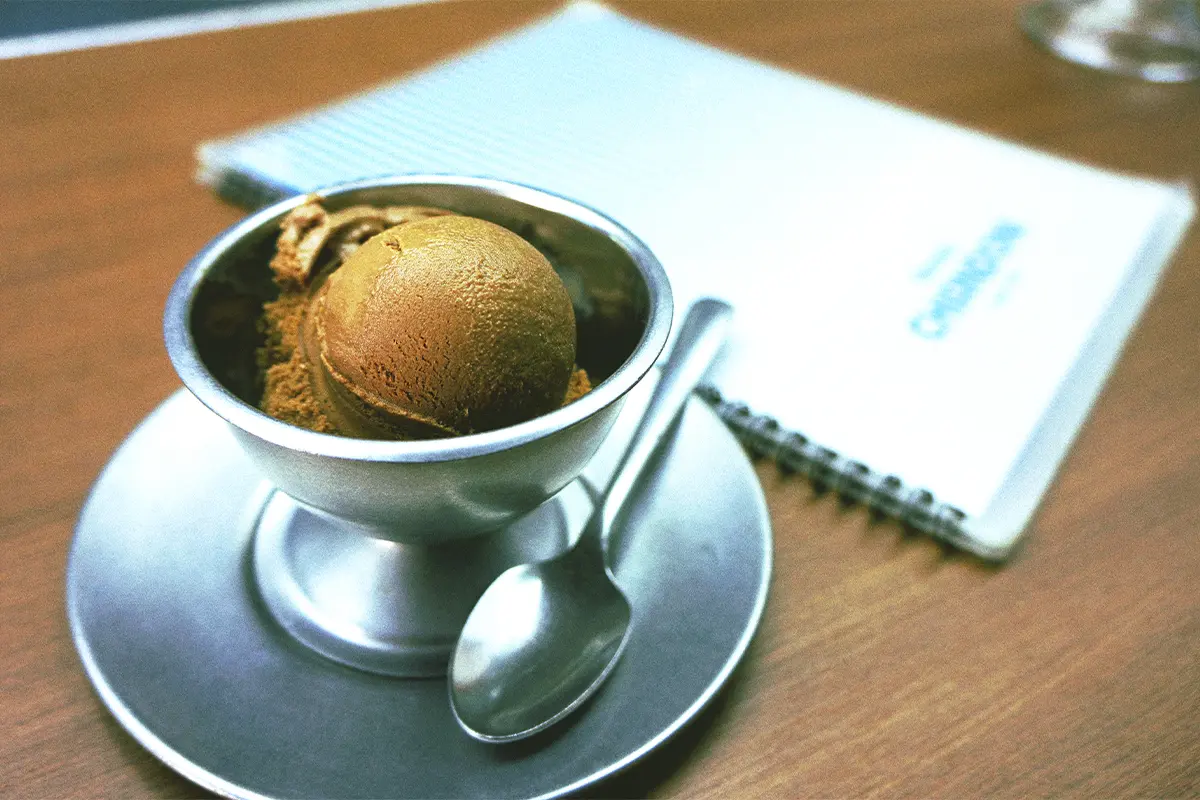
AW Magazine recomienda el Ice Cream Soda de Chocolate: una bola de helado de crema servida en un vaso y, a un lado, una botella de vidrio de agua mineral muy fría: el dulce se funde sutilmente con las burbujas y la sal de la bebida. El resultado es fascinante.
Más que una carta de postres, el menú es un archivo del sabor en la Ciudad de México. Generaciones enteras de capitalinos han compartido ahí cumpleaños, primeras citas, domingos familiares o pausas solitarias en medio del calor.
Chiandoni no sólo conserva recetas: guarda historias, rutinas y afectos que se repiten, cucharada tras cucharada, desde hace décadas.
Chiandoni: ¿un domingo cualquiera?
Al salir de Chiandoni, uno puede caminar por el parque Alfonso Esparza Oteo y observar la arquitectura en tránsito de la colonia Nápoles, donde conviven casas antiguas y edificios modernos.
El helado se sirve mientras la ciudad sigue su curso. Quizá esa sea la mayor virtud de Chiandoni: ofrecer, por unos minutos, un refugio donde el tiempo, la memoria y la bondad se tienden al alcance de la mano.
Conoce otros puntos legendarios en AW Magazine.

Encuentra más historias como esta explorando viajes con propósito por Latinoamérica; también puedes continuar por gastronomía con identidad.