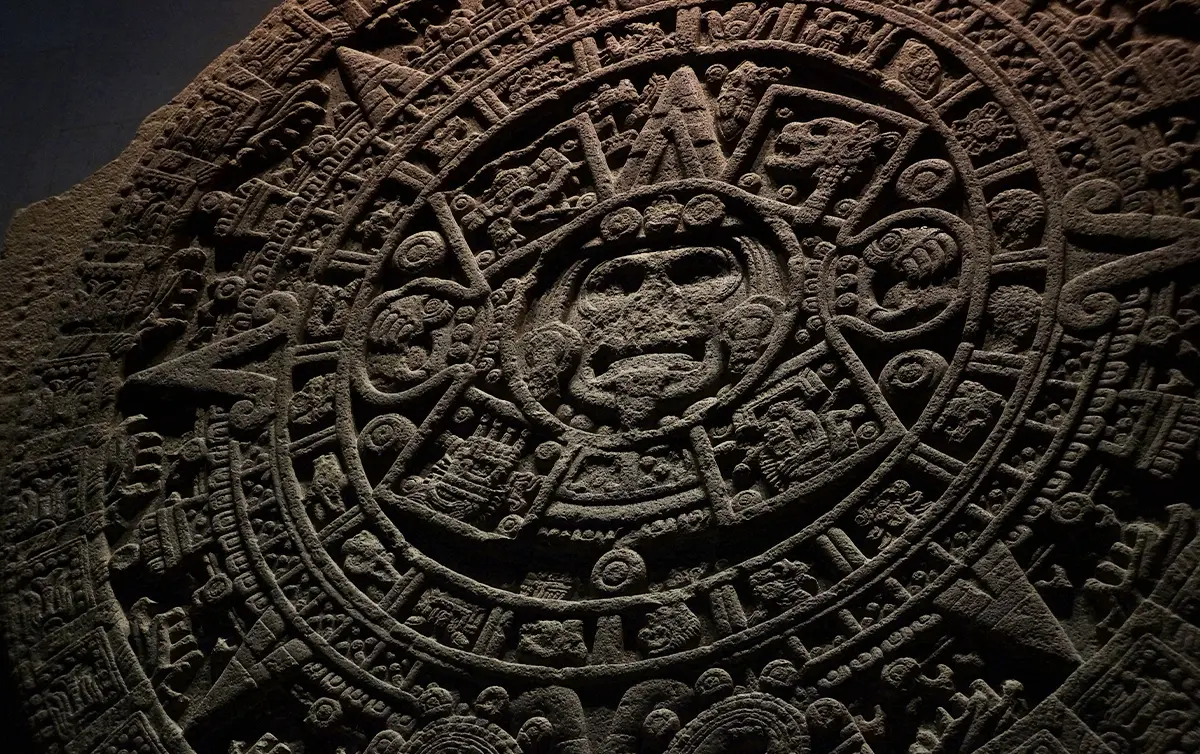

The National Museum of Anthropology is one of the most important cultural institutions in Mexico and the world. It has been 40 years since the heist of the century, which took place on Christmas Day 1985.
Theft at the National Museum of Anthropology: The MNA’s galleries preserve and display the material and symbolic heritage of the civilizations that inhabited Mexican territory before the arrival of the Spanish. It has recently been 40 years since the incident that marked its history: the theft committed in the early hours of Christmas Day 1985, when two students entered the museum and stole more than 100 archaeological artifacts.
Visitors today can not only appreciate the cultural legacy of these peoples, but also walk the scene of a crime. We still do not know the ultimate motive behind the theft; however, the incident reveals a great deal about the relationship Mexicans have with our history.

Tláloc: The Stripped Monolith of Coatlinchán
Although it is often thought of as a modern institution, the National Museum of Anthropology is the heir to a museum tradition that dates back to the 19th century. The first Mexican archaeological collections were organized after Independence, with the aim of bringing together and explaining a shared past.
The MNA’s first predecessor was the National Museum, which was founded in 1825 and housed at the Royal and Pontifical University of Mexico. In 1866, the museum’s collections were moved to the Royal Mint, next to the National Palace, at the initiative of Maximilian of Habsburg.
The museum we know today traces its origins to the early 1960s. The story begins with the forced removal of the Tláloc monolith from San Miguel Coatlinchán, in the municipality of Texcoco, State of Mexico. The residents refused to allow the statue to be removed, but it was taken away anyway. This even led to friction with the military. Dispossession can be seen as an early form of theft, but one legitimized by the state.

The building was inaugurated in 1964, in a ceremony that symbolized the country’s cultural modernity. The project was led by Pedro Ramírez Vázquez, a Mexican architect, urban planner, and designer. Ramírez Vázquez is responsible for iconic landmarks such as the Azteca Stadium, the Basilica of Guadalupe, and the Televisa logo.
The project had the full support of Adolfo López Mateos’s government. The museum’s opening caused quite a stir: it held the promise of a space capable of distilling thousands of years of history into a coherent and monumental narrative. For many Mexicans, the museum immediately became a source of pride and fascination.
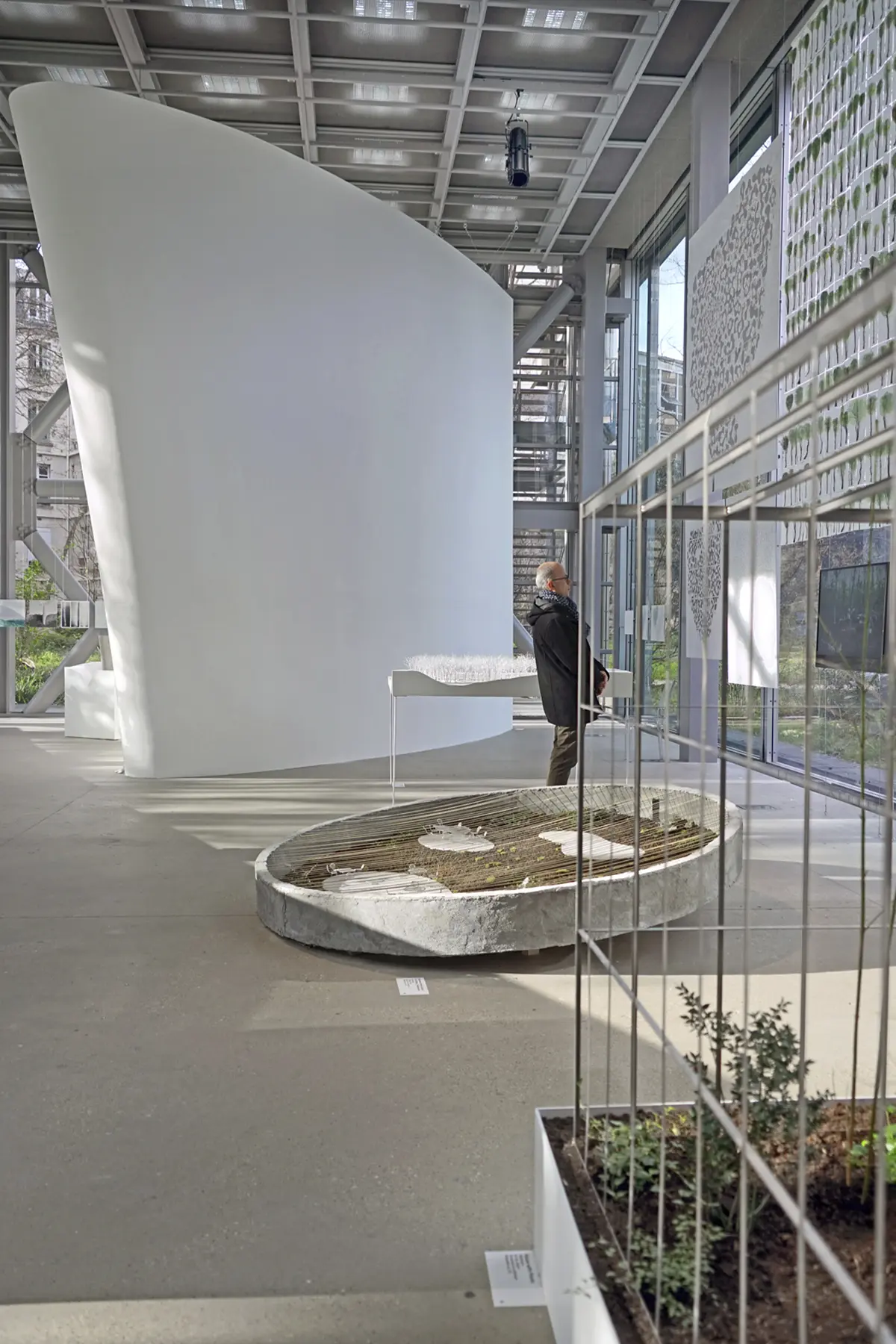
Physically, the museum is organized into two large wings. The north wing presents a chronological narrative of the Mesoamerican world, from the earliest settlements to the Mexica gallery. The south wing showcases regional developments in Mesoamerica and the ethnography galleries. At the center of the museum stands the iconic umbrella, which covers an area of 54 by 84 meters.
The MNA is a must-see on any cultural tour of Mexico City.
What happened in the crime known as the “heist of the century”?
The 1985 theft took place in a city in mourning. The earthquake on September 19 of that year had claimed thousands of lives and laid bare the fragility and arrogance of public institutions. The government’s response was slow and hesitant, and public trust in it was severely damaged. Against this backdrop of grief and chaos, the robbery at the National Museum of Anthropology felt like an additional symbolic blow—almost a desecration.
“Thedamage we are currently experiencing is unprecedented in the history of Mexico’s museums”— Enrique Florescano, then director of the INAH
In the early hours of December 25, two veterinary students from UNAM broke into the museum. Their names were Carlos Perches and Ramón Sardina; they were 21 years old. The thieves took advantage of security flaws, which they had studied for six months prior to the robbery. They jumped the fence, crossed the gardens, and gained access to the galleries through the air conditioning ducts.
From 1 a.m. to 4 a.m., they wandered through the Maya, Mexica, and Mixtec galleries, ransacking the display cases and calmly selecting the artifacts. It only took them three hours. The security guards were celebrating Christmas. The students took the loot to Carlos Perches’s house in Ciudad Satélite.

It soon became clear to them that the stolen artifacts were virtually impossible to sell. Their fame and symbolic value made them recognizable anywhere in the world. Even so, the government launched operations on highways, at airports, and at the borders to prevent them from leaving the country. The government’s image was at stake; it did not want to repeat the passivity it had shown during the September earthquake.
After the robbery, Perches fled to Acapulco, where he established ties with some drug traffickers and became involved in the drug trade. He attempted to use some of the items as bargaining chips, reportedly to obtain cocaine. Salvador Gutiérrez, “El Cabo,” was a drug trafficker who was captured in 1989 in Guadalajara. To reduce his sentence, he told authorities that he knew the perpetrator and mastermind behind the crime.
Carlos Perches was also arrested in 1989. Most of the items were recovered from his family’s home in Ciudad Satélite. They were in the closet, inside a duffel bag. His accomplice, Ramón Sardina, managed to escape and remains at large.
The return of the loot was announced at a public event presided over by then-President Carlos Salinas de Gortari, in a ceremony intended to bring the episode to a close and restore the symbolic order that had been shattered four years earlier.

The National Museum of Anthropology: Cultural Legacy and Crime Scene
The museum theft and the removal of the Coatlinchán monolith reveal a consistent pattern: the Mexican government prefers to narrate history rather than actually preserve it. In the face of the earthquake and crime, it prioritized controlling the narrative over a profound reflection on the physical care of people or heritage. Every archive is vulnerable: Tláloc was relocated, and the archaeological artifacts were torn from their protective context.

For today’s visitor, the National Museum of Anthropology offers a twofold experience. Visitors explore the galleries showcasing pre-Hispanic cultural heritage, but they also walk through the scene of a crime that laid bare the cracks in our relationship with the past.
After leaving the museum, culture lovers can take a stroll through Chapultepec Forest or walk along Reforma Avenue, where they’ll find a wide variety of restaurants to choose from.
Discover other legendary museums in AW Magazine.
To keep exploring this thread, visit spaces with soul; you can also continue through interiors with history.