
Desde el inicio, todo pintó bien para la representación latinoamericana en la edición 2026 de Frieze Nueva York. Que la galería argentina W-Galería se quedara con el premio al mejor stand de la sección Focus, al inicio de la prestigiosa feria de arte contemporáneo, fue un buen indicio de que, efectivamente, este año Latinoamérica sería parte central del evento.
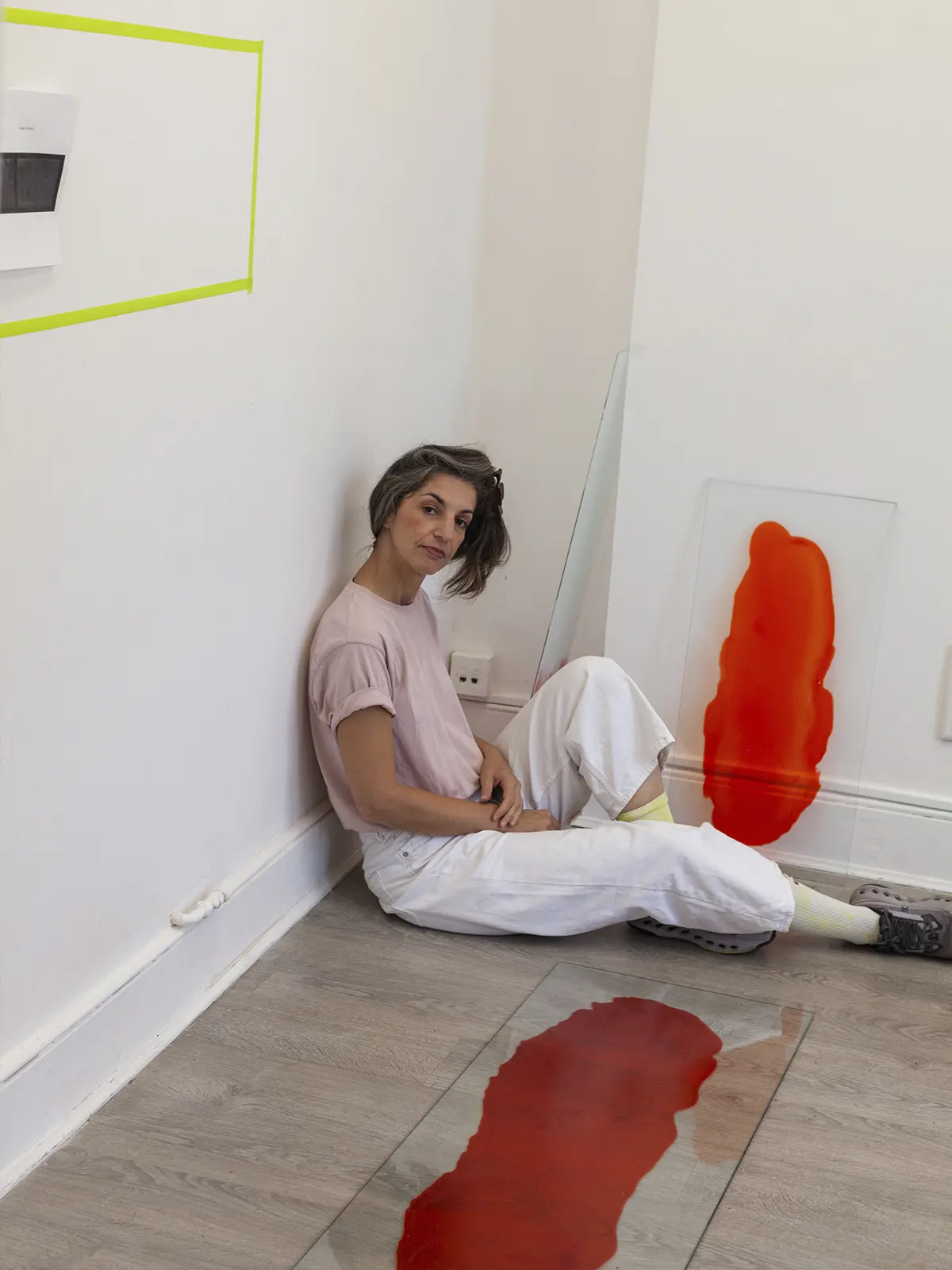
La artista trans del colectivo mapuche Rangiñtulewfü, Seba Calfuqueo, fue quien representó a la galería sudamericana con un trabajo inspirado en su herencia indígena, el feminismo y la resistencia.

Frieze Nueva York 2026: el protagonismo del arte latinoamericano
“Seleccionamos la presentación de Seba Calfuqueo porque quedamos cautivados por la intensidad y profundidad con la que la artista utiliza imágenes simbólicas superpuestas, cabello sintético y cerámicas con ricos destellos metálicos para explorar un entrelazamiento entre la emoción personal y el legado indígena, confrontando el borramiento colonial mediante una celebración de la identidad mapuche”, aseguró la organización en un comunicado.
El evento, llevado a cabo del 13 al 17 de mayo en la sede de The Shed, un espacio frente al río Hudson, convocó a la élite del arte neoyorquino, además de personalidades como el exlíder de R.E.M., Michael Stipe, Leonardo DiCaprio y Sharon Stone.

Frieze Nueva York 2026 y la presencia de galerías latinoamericanas
Este año, el arte latino brilló bajo las luces de Nueva York: las galerías de América Latina fueron parte del eje central, y 14 espacios de la región participaron en una edición donde Latinoamérica ocupó un lugar protagónico en esta historia que se contó en 2026.
Además, el comité de selección contó con dos representantes latinas: Fátima González, cofundadora de la galería Campeche, de Ciudad de México, y Omayra Alvarado, cofundadora y directora ejecutiva de Instituto de Visión, en Bogotá y Nueva York.
Migración, identidad y territorio: los temas que marcaron la feria
Temas como la migración, el territorio y la identidad fueron recurrentes en las obras de gran parte del contingente artístico, lo que revela una sensibilidad artística alineada con debates contemporáneos sobre temas sociales.

Dentro de la sección principal de Galerías, Brasil figura con fuerza gracias a la participación de A Gentil Carioca, Almeida & Dale, Fortes D’Aloia & Gabriel, Mitre Galeria, Vermelho, Central, Nara Roesler y Mendes Wood DM, estas dos últimas con espacios permanentes ya establecidos en Nueva York.
México está representado por dos galerías de amplia trayectoria internacional: Kurimanzutto, que desde hace tiempo mantiene operaciones tanto en Ciudad de México como en Nueva York, y OMR. A su vez, Instituto de Visión reafirma el posicionamiento de Colombia dentro del circuito global, mientras mor charpentier continúa alimentando el intercambio cultural entre París y Bogotá.

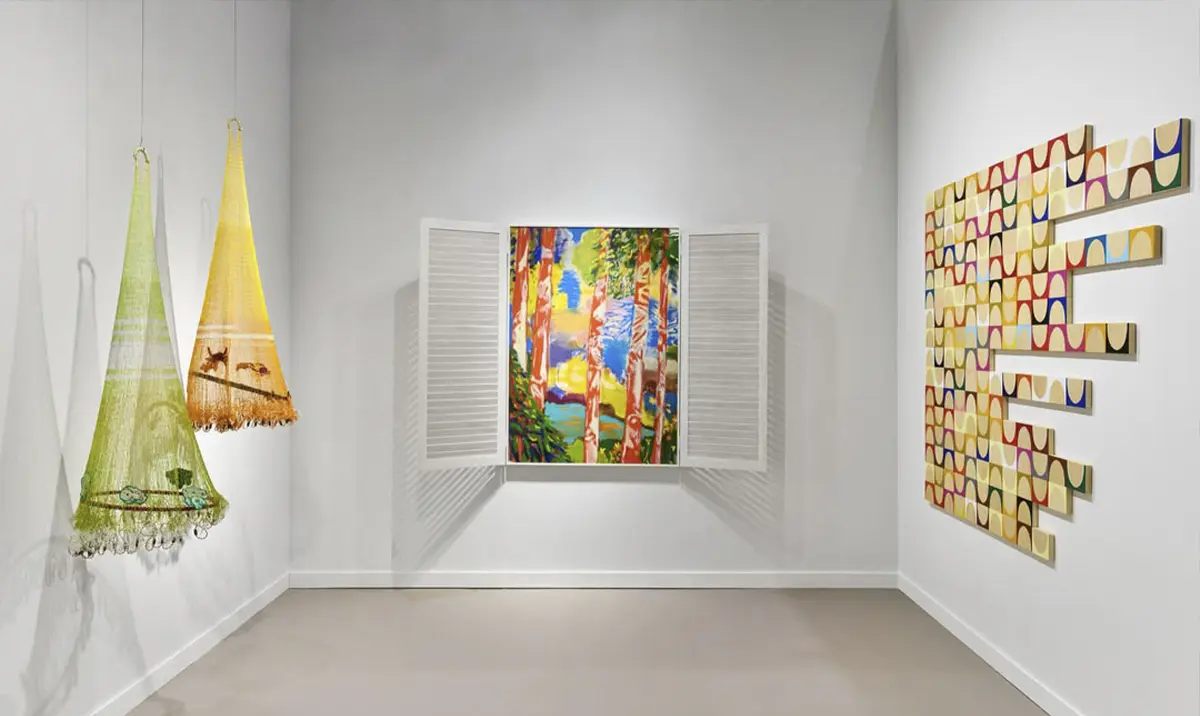
En la sección Focus, dedicada a galerías emergentes con menos de 12 años de actividad, destacan propuestas que participan por primera vez, como la mencionada W-Galería e Isla Flotante, de Buenos Aires, además de Campeche, de Ciudad de México. Todas ellas aportan nuevas miradas y vitalidad a una escena contemporánea en constante transformación.
Del arte periférico al centro de la conversación global
La creciente presencia latinoamericana en ferias como Frieze también refleja una transformación demográfica dentro de la misma ciudad. De acuerdo con datos de la misma ciudad, la población latina representa cerca de un 30% de sus habitantes, consolidándose como una de las comunidades más influyentes en la vida cultural neoyorquina.
Además, museos, galerías y fundaciones han comenzado a incorporar con mayor claridad, discursos vinculados con identidad, migración y memoria poscolonial, temas que durante años fueron considerados periféricos dentro del canon artístico occidental.

En ese contexto, la participación de artistas latinoamericanos deja de entenderse como una excepción para convertirse en parte fundamental de la conversación cultural contemporánea.
En ese contexto, la participación de artistas latinoamericanos deja de entenderse como una excepción para convertirse en parte fundamental de la conversación cultural contemporánea.
Sin embargo, la presencia de coleccionistas de Estados Unidos, Canadá y Europa en Zona Maco o Art Weekend Guadalajara, demuestra que el interés por la obra latinoamericana abarca un mercado que va más allá del hispanoparlante.
En 1979, Sotheby’s realizó en Nueva York la categoría dedicada exclusivamente al arte latinoamericano. En ese entonces, pocos coleccionistas estadounidenses prestaron atención al evento, mientras compradores de Venezuela y México adquirían gran parte de las obras. Casi 50 años después, los compradores no son exclusivamente latinos.
Y sí, los más suspicaces podrían decir que la presencia de las galerías latinas en Frieze Nueva York 2026 es una cuota de inclusión regional, pero no es así, el hecho revela que las galerías latinoamericanas dejaron de ocupar un lugar periférico para convertirse en co-protagonistas de una escena que busca nuevas narrativas fuera del eje tradicional.
To keep exploring this thread, visit contemporary art from Latin America; you can also continue through the art fair and biennial calendar.