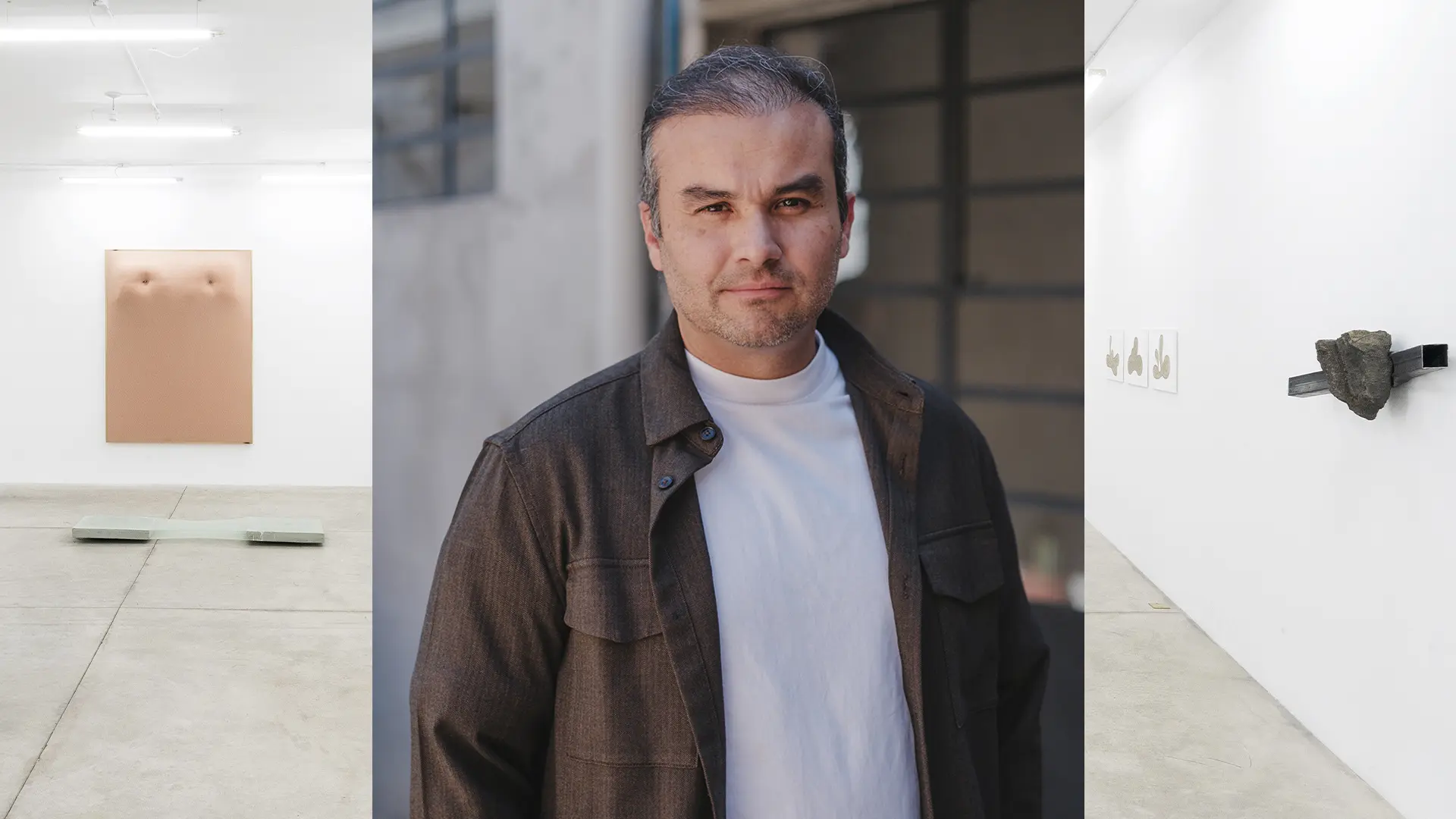

Ha sido un día bastante agitado para Rodrigo Hernández. Tiro al Blanco, el espacio de arte contemporáneo que fundó en 2012, acaba de celebrar un open house que atrajo desde muy temprano, a decenas de coleccionistas y visitantes en su sede: La Sagrada Familia, C. Juan Álvarez 833, Guadalajara. Aun así, se da tiempo para conversar con Art Weekends. Antes de empezar, me pide unos minutos: debe salir a atender a uno de sus clientes. “Tómate algo”, me dice.
Elijo una bebida de nombre elocuente: naranjada sucia. Además del cítrico, lleva café espresso y mucho hielo. La bebo lentamente mientras espero. Se agradece el gesto en una tarde en la que el sol tapatío parece haberse puesto particularmente cruel.

La galería también alberga un espacio gastronómico cuya propuesta está a la altura de la programación artística: bebidas, comida y snacks originales, además de una selección musical cuidadosamente curada. Dos naranjadas sucias después, Rodrigo regresa listo para la entrevista.
Si no fueras Rodrigo Hernández, el galerista, y fueras un artista en busca de exponer en Tiro al Blanco, ¿cómo te percibirías?”, le pregunto: “No lo sé. En realidad es algo que nunca me ha importado. Espero que sea de manera positiva, de corazón, pero es un tema que rara vez ocupa mi mente.
La pregunta surge porque, al inicio de la conversación, Rodrigo me dejó claro que siempre ha evitado el culto a la personalidad. Prefiere mantenerse en segundo plano y permitir que las obras y los artistas ocupen el centro de la escena: “El proyecto de una galería debe tener identidad, pero quienes deben hablar son el arte y los artistas.”.
« Nosotros somos un vínculo. A veces eso se pierde de vista y la galería quiere convertirse en protagonista ».

Nosotros somos un vínculo. A veces eso se pierde de vista y la galería quiere convertirse en protagonista”
Aclara que no se refiere exclusivamente a Tiro al Blanco, sino a una tendencia que percibe en el ecosistema galerístico en general.
Después de más de una década de trabajo, el galerista considera que el proyecto ha alcanzado una etapa de consolidación. “Sí ha madurado. Lo veo en los procesos y desarrollos de los artistas locales. También siento que hoy tengo la capacidad de entablar otro tipo de diálogos y construir otras propuestas. Es algo natural: los puntos se van consolidando a través del trabajo cotidiano”.
Tiro al Blanco: un engranaje bien balanceado
Curiosamente, su formación está lejos de los cánones de la historia del arte. Antes de convertirse en galerista, Rodrigo soñó con una carrera muy distinta. “Como muchos mexicanos, quise ser futbolista profesional. Jugué en un equipo de tercera división dirigido por gente vinculada al Atlas y a la UdeG. Al final preferí enfocarme en los estudios y terminé una carrera en finanzas”.
Sin embargo, con el tiempo encontró formas de complementar esa formación: “Ya en 2017 tuve la oportunidad de profesionalizar algunos aspectos en asesoría de arte en Sotheby’s, en Nueva York, que sumado a lo que tú mencionas y a mi interés principal por el arte en torno a la sociedad y las personas, hizo un engranaje más balanceado. Creo que eso también se nota en que, además del arte, hay otras cosas paralelas, como la parte gastronómica”.

Sin duda, esa combinación poco habitual ha marcado su manera de entender el sector cultural. “No tuve la posibilidad de estudiar curaduría de manera formal, así que soy un proyecto bastante self-made en ese sentido. No sé si las finanzas te den una visión particular para aterrizar bien todo esto que te gusta, pero también con una parte que tiene que ver con la realidad económica”.
La sostenibilidad del proyecto, de hecho, estuvo presente desde el principio: “Cuando se abrió el proyecto, el primer objetivo era durar, no quebrar financieramente, porque sabía que podían pasar varios meses para que un proyecto madurara”.
Actualmente, Tiro al Blanco aplica una filosofía que apuesta por lo local: “La de 2020 fue mi última feria fuera de Guadalajara. Ahí me di cuenta de ciertos temas económicos, en donde estaba viendo que la construcción de la carrera de la galería y de los artistas a través de ferias globales era un gasto importante. Tuve que replegarme un poco en ese sentido, pero próximamente tenemos la intención de regresar a ciertos circuitos de ferias fuera de México”.

Este 2026, Tiro al Blanco participó en Condo en CDMX; además, estará presente en la Feria de Material Guadalajara, entre otros proyectos.
¿Cómo elige Tiro al Blanco las obras que expone?
La selección de los artistas es un tema que a los creadores suele interesarle: ¿cómo una galería como Tiro al Blanco elige qué obras mostrar? “El filtro se da a través del trabajo”, asegura Rodrigo. “He trabajado con artistas muy, muy jóvenes. Por ejemplo, Iván Estrada. Llegué a él a través de una recomendación de un curador y él todavía estudiaba en el Museo Cabañas, cuando empecé a trabajar con él.
En el Tiro al Blanco como deporte, el objetivo siempre es acertarle. Pero también se puede fallar. ¿cómo sobrellevar esos errores?, le pregunto: “En el ecosistema donde estamos todos quieren acertar, desde el artista en la creación, el coleccionista en la adquisición y la galería en la asesoría. Los curadores en los armados de expositivos. Entonces, a veces se acierta y a veces no. Y es parte de la vida, ¿no? No hay una perfección y un acierto del 100%, entonces el tiempo va diciendo dónde podemos mejorar y dónde acertamos”.

Antes de terminar la plática, Rodrigo quiere mencionar que el apoyo de su pareja ha sido determinante: “Ella me apoyó enormemente para aventarme a ser galerista. Mientras yo trabajaba en otro lado, tomé una decisión de renunciar; así, llegué con mi esposa a decirle que no tenía dinero. Estábamos recién casados, teníamos 26 años de edad, y ella fue la que me dijo: ‘yo te apoyo’, y nos la jugamos”.
Más entrevistas, más galerías y más arte contemporáneo en AW Magazine.
To keep exploring this thread, visit contemporary artists and galleries; you can also continue through contemporary art galleries in Latin America.