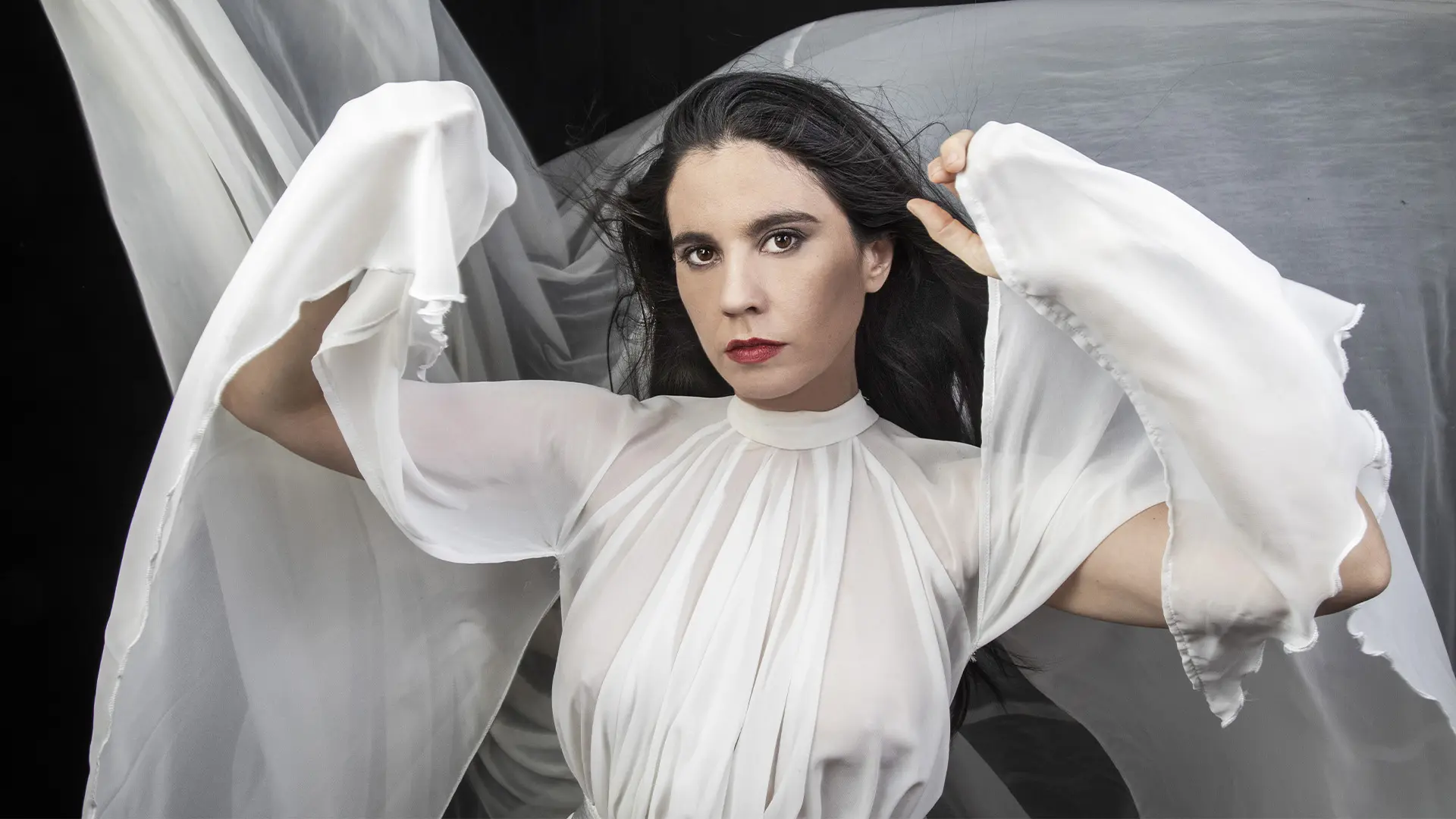
Javiera Mena ha transitado del indie, al art-pop y la música dance de club, siempre con un fuerte compromiso con el formato canción en el sentido clásico. Lo suyo no es hacer música efímera que acompañe una historia de Instagram y se pierda en el anonimato. Cada disco puede ser una declaración de intenciones del momento que vive. Hoy, su ánimo es introspectivo, lo que la conecta con la melancolía y los recuerdos de la infancia en Santiago de Chile, las baladas, películas como Cria Cuervos. No está para hablar de romances ni anda con ínfulas de dominatrix.

En las fotos promocionales de su primer disco aparecía haciendo bombas de chicle. Después fue vampira como de película clásica de vampiros, chica de club dance duro, ¿qué más le faltaba? Pues regresar a sus orígenes y revisitar esa magia naive.
La artista chilena presentará su nuevo disco Inmersión en CDMX. La cita es el 19 de abril en el Lunario del Auditorio Nacional. AW Magazine platicó con ella.
Tu nuevo disco de algún modo regresa a lo intimista de tus inicios, ¿por qué esa vuelta?
Era algo que había abandonado después del segundo disco, cuando me puse más dominante y no tan tierna. Este disco conecta con aquella ternura, y ahora eso es lo que tiene más poder. Creo que los otros discos respondieron a un momento determinado, y el nuevo álbum conecta con permitirse no estar poderosa. Es una energía diferente, incluso más difícil de conseguir.
Y además, las letras también van en otro sentido.
Sí, tiene esa virtud de hablar abiertamente de los dolores, de los celos y de otros temas relacionados con el amor, pero no sobre el romance o la conquista.
E imagino que tus próximos conciertos vienen inyectados de esa dualidad…
Sí, tengo piezas que conectan con la pista de baile. Entonces, por un lado está la música dance, los synths, y por otro el momento más vulnerable, con la guitarra, con el piano.
Siempre he tenido la duda sobre lo que significa la parte de “hay un ser vivo que anda en el agua” en “Sol de invierno”.
Justamente es una de las canciones de la primera época que no puedo dejar de tocar o me matan. Tiene que ver con que yo iba al campo de vacaciones y había estas copas de agua que se llaman silos. Cuando era pequeña metía la cabeza dentro y me daba miedo que pudiera habitar ahí un monstruo.
¿Te consideras una persona nostálgica?
Sí, me gusta, pero más que nostalgia es como mirar hacia el recorrido. Creo que cada etapa tiene su gráfica y su porqué. No es pensar en el pasado y “qué lindo fue”, sino más bien “sigo aquí y me sirve para nutrirme”.
Tu primer grupo se llamaba Televisa… ¿y el corporativo los demandó o sólo fue una advertencia?
Lo detectaron en redes o algo así. Sí, fue una advertencia que nos llegó de los abogados de Televisa, una carta con remitente de que iban a tomar acciones legales.
Imagino que el nombre era un homenaje a lo que de niña veías, ¿no? Porque Televisa llegaba a Chile.
Sí, sobre todo las telenovelas y todo ese drama. Además de que ahí veía a Juan Gabriel.
¿Te ha influenciado mucho su figura?
Yo creo que mi música es una mezcla entre Juan Gabriel y la electrónica de Berlín. Esa simpleza en decir las cosas, que se vuelven profundas. Algunas de sus canciones tienen parajes de electrónica, hay una que dura como seis minutos. Creo que él hubiera sido un gran artista de ese género.
Siento que la música alternativa latinoamericana, tanto la mexicana como la chilena o argentina, no supera los años 80, sigue arraigada a las baladas. Tanto, que escucharte a ti o a Julieta Venegas o Natalia suena a veces como una actualización de lo que escuchábamos en Siempre en Domingo, y no lo digo en mal sentido…
Sí está muy presente, por una cosa de infancia. Es súper difícil salir de ahí porque uno tiene que ser honesta con lo que le gusta, y yo me crié con esa música. Me cuesta desprenderme de eso, no solo letrísticamente, sino también en lo instrumental. Pero también hay que tener consciencia de no repetirse en todos los discos.
Tu canción con Santiago Motorizado pudo haber sido fácilmente una balada de esas que ponían en las fiestas ochenteras…
Sí, era la intención: sonar como una canción de Jeanette (la española-inglesa que canta “¿Por qué te vas?”), que está siendo muy valorada nuevamente. Quería hacer esa balada sensible, suave, con arreglos de cuerdas y pianos Rhodes.
¿Para ti quién es un ícono que represente la perfección femenina?
Del arte, Björk me gusta muchísimo. Encuentro que es una monstra, como decían en Argentina. Admiro su trayectoria como compositora, como productora. Me gustó lo que hizo con Rosalía y todo lo que hace. También me gusta mucho esta chica de Sisters with Transistors, el documental de las pioneras de la música electrónica. Es bien importante como mujer ideóloga de ese universo sonoro.
No hablas mucho de tu entorno familiar. Por ejemplo, tus padres, ¿qué opinan de tu música?
Al principio les costaba porque querían que yo cursara una carrera tradicional, sobre todo mi madre. Yo no fui de esos músicos familiares de artistas, fui la primera que se atrevió. Por eso mismo creo que puse más énfasis en hacer las cosas bien. Lo relacionaban mucho con la noche, la fiesta, con cosas oscuras, pero poco a poco les fui demostrando que hacía las cosas en serio.
¿Cómo vives actualmente la libertad sexual?
Han habido muchos cambios con la comunidad LGBTQ+, impresionantes desde el inicio de mi carrera. Cuando yo era lesbiana era el titular, no habían muchas mujeres diciéndolo. Ahora hay muchas, incluso puede ser un plus. Al comienzo a mí se me invisibilizaba. He notado avances impresionantes: cómo reacciona la prensa, lo que quiere escuchar la gente, cómo las marcas ahora tienen su propia agenda sobre estos temas. Al menos ahora es más normal decir que uno es lesbiana, porque antes era la gran noticia.
¿Y alguna vez sufriste homofobia que te haya afectado?
Sabía que me afectaba, pero siempre quise verlo de manera positiva para no deprimirme. Sabía que en la cultura latinoamericana había mucha homofobia, incluso invisible, que es la peor porque no sabes dónde está pero existe. Siempre traté de no pescar esos prejuicios para ser feliz. Creo que en eso se basa mi arte también, en generar un espacio de protección.
¿Qué podemos esperar este año, además de este nuevo disco?
Voy a celebrar el aniversario de mi primer disco, Esquemas Juveniles. Eso también me va a nutrir mucho. Voy a tocarlo completo nuevamente; estamos viendo dónde, para celebrarlo, porque fue algo muy importante.