
Few artists have contributed so organically to shaping an identity and giving new meaning to their own modernity, drawing on their cultural heritage and their vision of the Mexico around them. Rufino Tamayo is undoubtedly one of them. Rufino del Carmen Arellanes Tamayo, born in Oaxaca de Juárez in 1899, was one of the first Latin American artists to enjoy international prestige, as part of that generation of Mexican artists who burst onto the international scene with great force during the 20th century.

A journey that made a splash in the art world
Now, the Tamayo Museum is exploring that journey—specifically, the aspects related to his foray abroad—alongside a duo from Oaxaca who were also part of that moment in history, which, like a ricocheting bullet, sent shockwaves from Mexico throughout the art world.
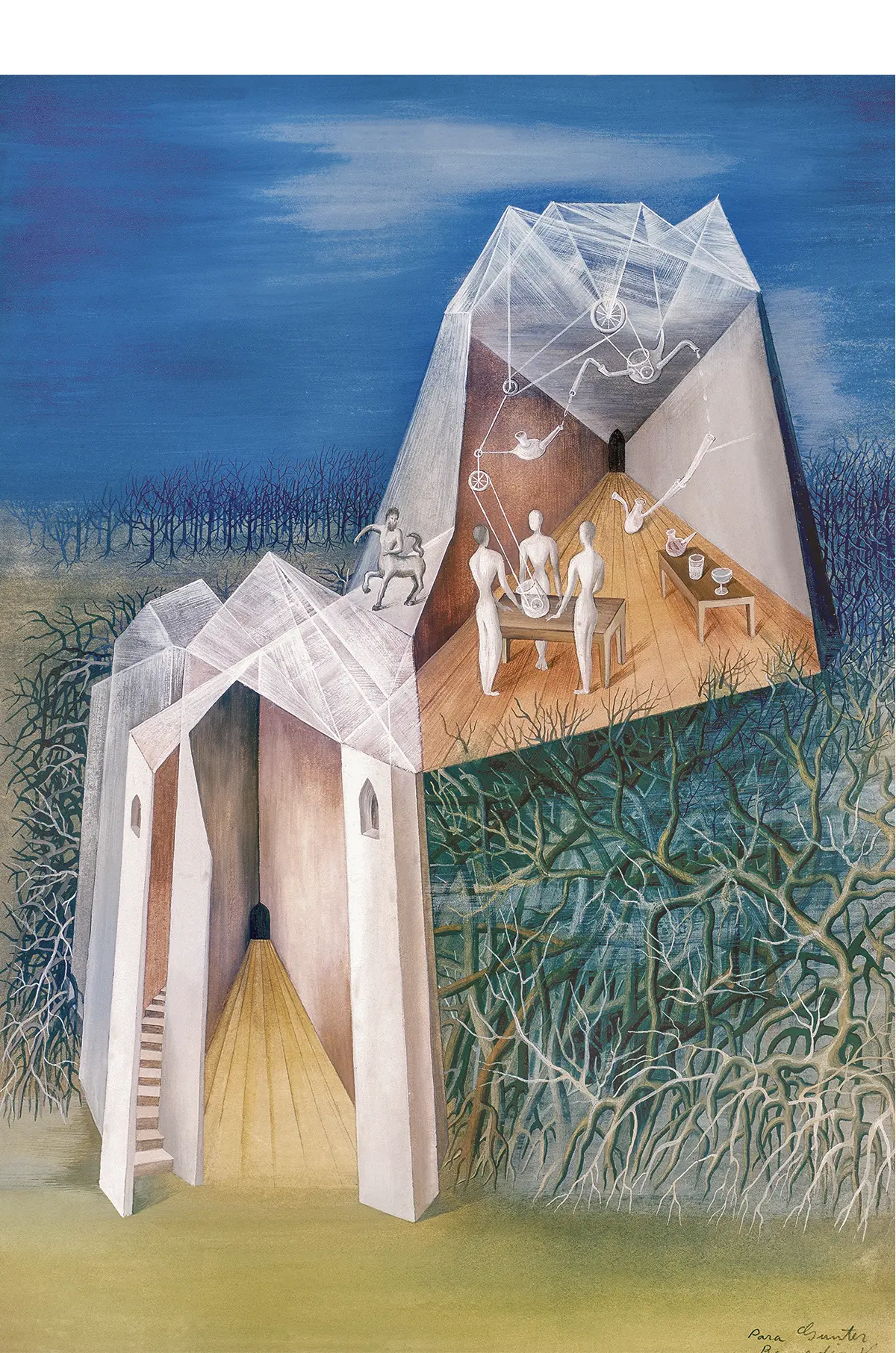
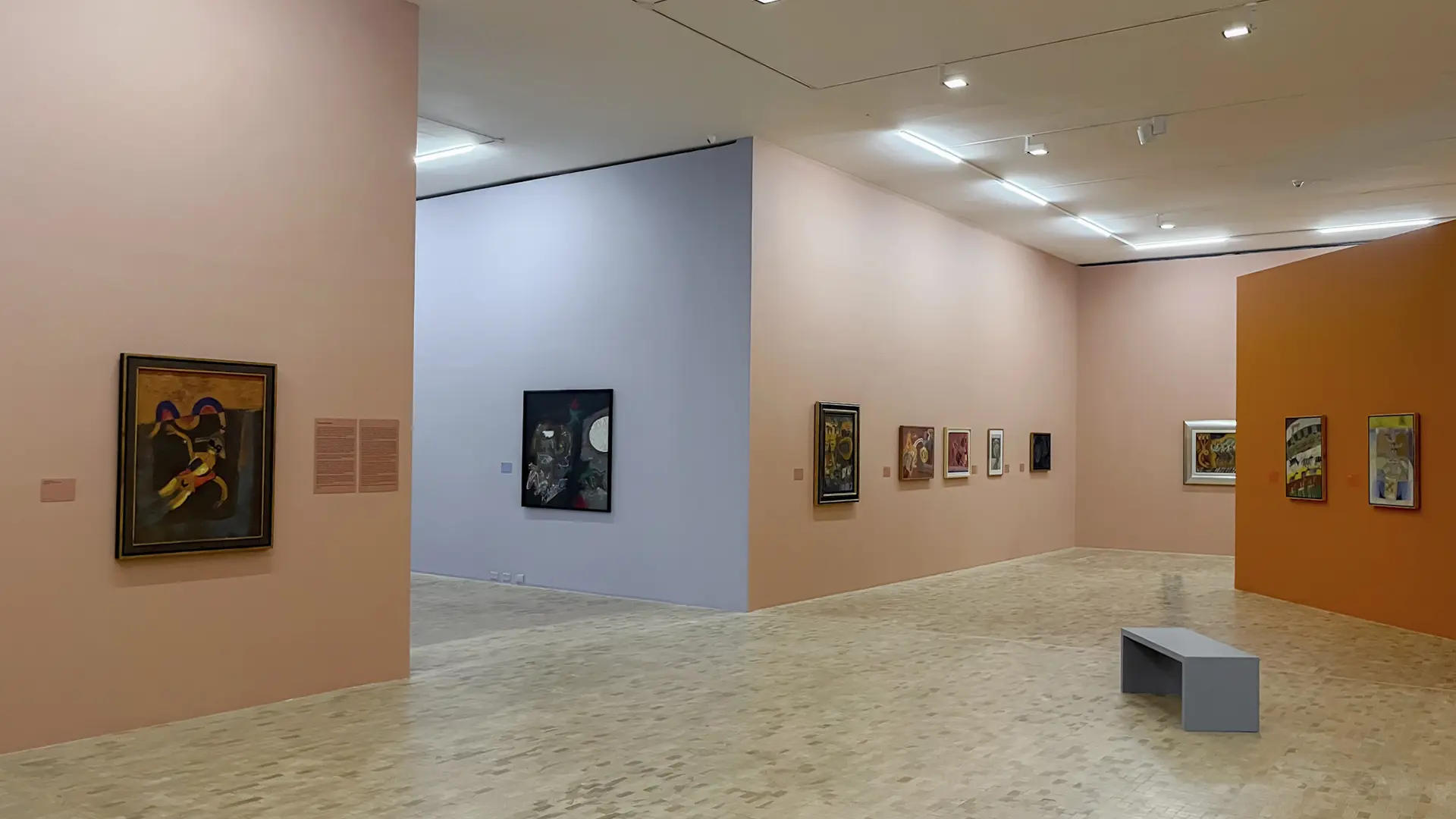
The Exhibition Tamayo, Nieto, Toledo: The Years in Paris brings together nearly 100 works by three artists born in Oaxaca, from different generations, whose careers are linked by their stays in Paris: Rufino Tamayo, Rodolfo Nieto, and Francisco Toledo.
The exhibition opened this Thursday, August 20, and will remain on view in Galleries 3 and 4 of the Tamayo Museum through February 15, 2027—enough time for everyone to see it.

Curated by Juan Carlos Pereda, deputy director of collections at the Tamayo Museum, the exhibition brings together a representative selection of paintings, drawings, prints, and collages by Rufino Tamayo (1899–1991), Rodolfo Nieto (1936–1985), and Francisco Toledo (1940–2019), created during their respective stays at Ciudad de la Luz.
Universes Linked to Mexico
This is not merely about bringing together three great figures born in Oaxaca or documenting their travels through Europe. The crux of the matter lies in observing what happened when their individual worlds came into contact with one of the most important cultural centers of the 20th century—and how, far from abandoning what tied them to Mexico, that distance ultimately enriched their own artistic languages.
As Pereda explains, “A comparative reading of their works reveals commonalities, such as the development and enrichment of a personal style, affinities with pre-Hispanic aesthetics and folk art, as well as an ongoing dialogue with the international avant-garde movements of their time.” Although each developed a distinct artistic approach, all three incorporated their local roots into artistic languages of international scope.

Three People from Oaxaca in Paris
Tamayo, Nieto, and Toledo became part of the postwar Parisian cultural and artistic scene at different times. And Paris, of course, was much more than just its museums and galleries. All three forged ties with figures in fields such as literature, music, film, ballet, and philosophy, in addition to collaborating with various workshops dedicated to printing and the graphic arts.
Those relationships had a tangible impact on his artistic and cultural output, and some of them are documented in the exhibition.
The exhibition also highlights the role Rufino Tamayo played as a role model for subsequent generations. His influence did not consist merely of establishing an aesthetic that others could follow, but rather of demonstrating that it was possible to develop an independent body of thought and participate in international artistic modernity without abandoning a Latin American identity.
Prestigio on the Loose
But there is another element that unites the three artists and is particularly significant for understanding their place within Mexican art: the prestige they achieved abroad was not dependent on state sponsorship.

After gaining international recognition in their own right, Tamayo, Nieto, and Toledo returned to Mexico with established careers. Their entry into the Mexican cultural scene helped to challenge and transform the nationalist canon that had dominated for more than half a century.
Seen from that perspective, Paris does not appear in the exhibition merely as a setting. It functions as a space for exchange from which each artist discovered new ways of looking at what they already carried within themselves. It is true: Tamayo, Nieto, and Toledo belonged to different generations, traveled under different circumstances, and developed entirely personal artistic languages. However, when viewed together, a common thread emerges that connects them—a thread that is evident today in the galleries of the Tamayo Museum.
Tamayo, Nieto, Toledo. The Years in Paris
Tamayo Museum
Galleries 3 and 4
Paseo de la Reforma 51, Chapultepec Forest, Mexico City
Through February 15, 2027
Tuesday through Sunday, 10:00 a.m. to 6:00 p.m.