
On the Danish coast, there is a museum called the Louisiana Museum of Modern Art, although its name has nothing to do with the United States. It takes its name from a villa built in 1855 by Alexander Brun, who was married three times; coincidentally, all three of his wives were named Louise. When Knud W. Jensen turned the property into a museum, he kept the name.

Remedios Varo Arrives in Denmark
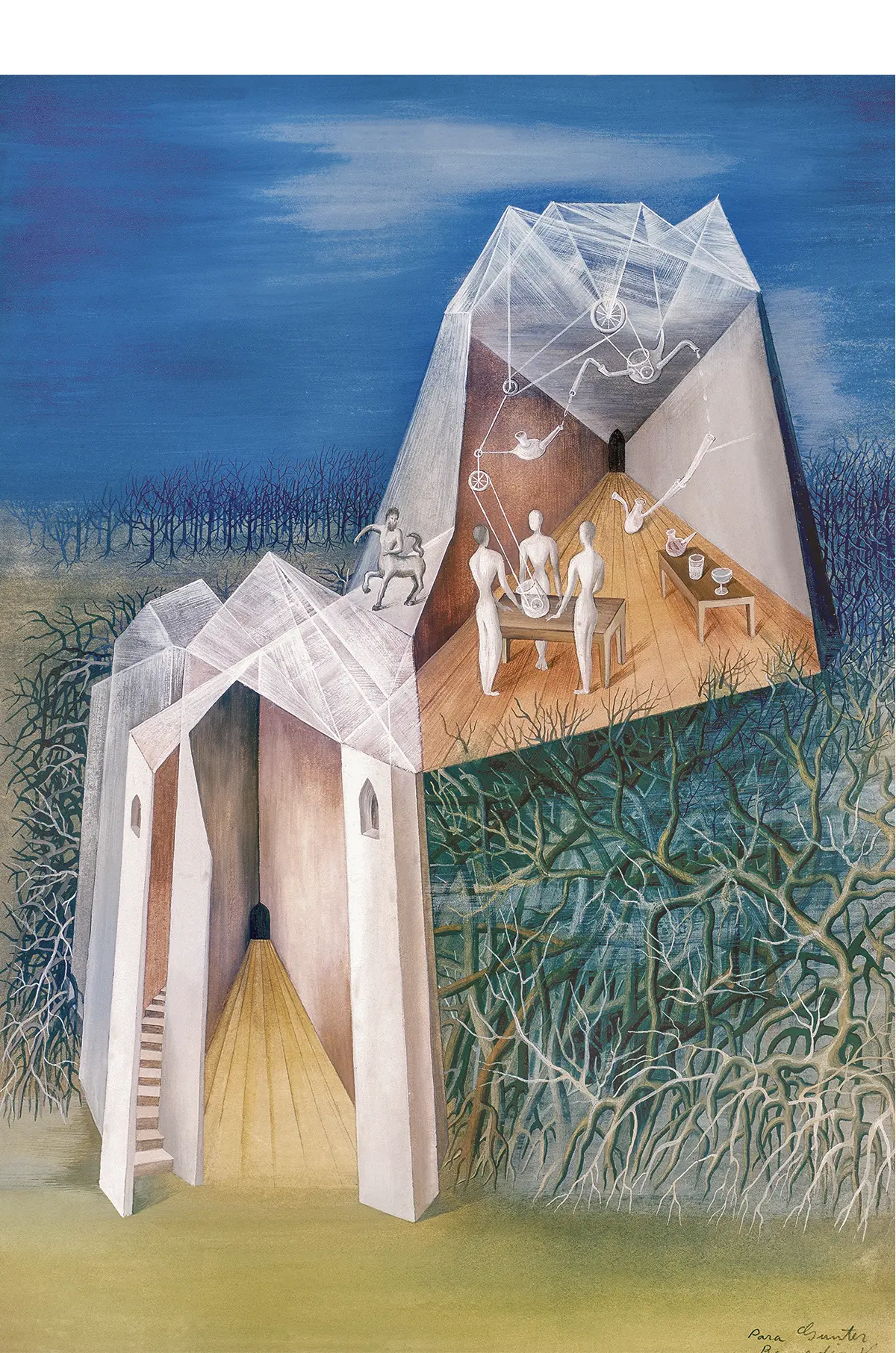
Now, the old town welcomes another woman with a memorable name: Remedios Varo. The museum, located in Humlebæk, is presenting the first major museum exhibition dedicated to her work in Europe. Born in Spain and exiled to Mexico during World War II, the artist turned painting into a space where science, dreams, and magic could coexist. Her characters traverse impossible rooms, build strange machines, and seem to seek answers to questions that exist only within her paintings.
Mexico welcomed Varo in 1941. There he produced his most prolific body of work and achieved recognition during his lifetime. In the 1950s, his paintings sparked such interest that there were even waiting lists to buy them. His strange and meticulously detailed worlds found an audience long before they became the subject of this European exhibition.

Varo’s success in Mexico was such that there were even waiting lists to purchase her paintings: she spent a long time working on each one, and her output was limited. Some of these works—on loan from museums in Mexico and the United States, as well as from private collections that rarely exhibit them—are part of the Louisiana exhibition. Following her sudden death at age 54, André Breton bid her farewell with the words: “The sorceress has left us too soon.”
A Journey Through Varo’s Universe
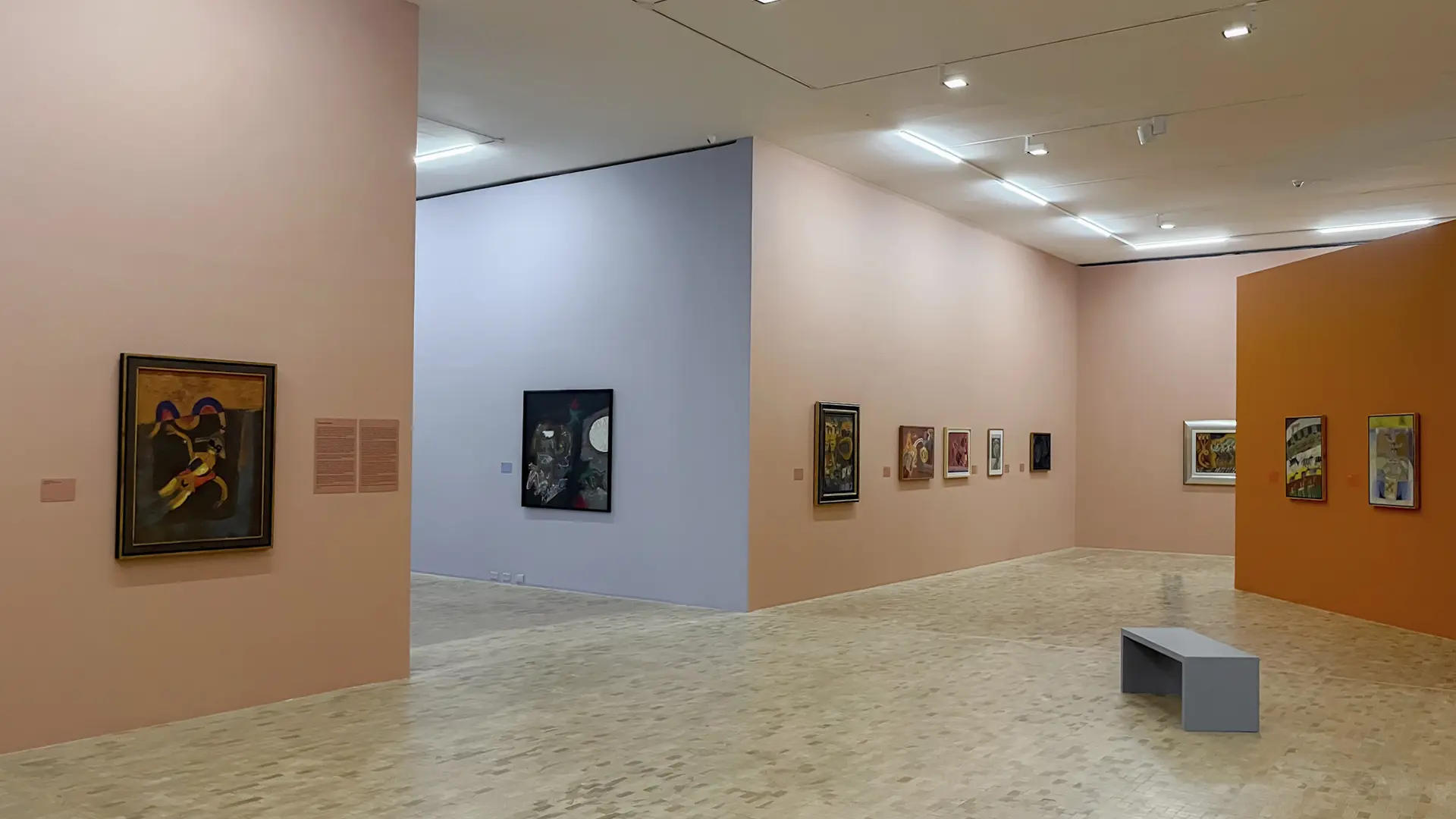
Curated by Mexican art historian Tere Arcq, a specialist in Surrealism, the exhibition brings together more than 70 works from museums in Mexico and the United States, as well as from private collections. The exhibition spans works created during Varo’s stays in Barcelona and Paris to paintings from her most productive years in Mexico, during the 1950s and early 1960s. “Her paintings transport us to another time; however, we don’t really know which one: the Middle Ages, the Renaissance, or the future? That is unique, astonishing,” Arcq noted in a press release. “The exhibition offers the opportunity to see how Varo built a body of work that feels both intimate and cosmically ordered—a vision that has only grown more relevant with the passage of time.”
Varo’s paintings feature mysterious musicians, eccentric scientists, and travelers exploring imaginary landscapes. There are also machines and hybrid creatures, as if dreams and reality shared the same space. His references ranged from Leonardo da Vinci and Jules Verne to physics and occult traditions. He drew on the random processes of Surrealism, yet he painted with meticulous precision, evident in the color and details of his works.

The works in the “Remedios Varo” exhibition
Alongside the paintings, the exhibition features drawings, sketchbooks, and historical documents. These pieces offer insight into how Varo constructed her pictorial universe, where scientific exploration intersects with alchemy and magical thinking. For European audiences who are just beginning to discover her, the exhibition offers a gateway to a body of work that continues to challenge our perception of reality.

The Louisiana Museum had previously featured Varo’s work in 2020 as part of the group exhibition *Fantastic Women*. Now it is dedicating an exhibition to her that spans her entire career and makes her paintings accessible to an audience that may still know little about her. For researchers and art lovers, it is also an opportunity to view works from various museums and private collections brought together in one place.
The exhibition holds a certain irony: Varo was forced to flee a Europe marked by war and persecution. It was in Mexico that she created her most renowned works. Today, that work returns to Europe to take center stage in a major exhibition. Remedios Varo will be on view at the Louisiana Museum of Modern Art through January 10, 2027; the exhibition was organized in collaboration with the Moderna Museet in Stockholm.
Discover more Ibero-American art exhibitions in AW Magazine.