
The National Library of Spain and the Cervantes Institute delve into the work of Spanish and Mexican artists, writers, and intellectuals to trace the traces of a shared history. The result: “Mexico: Land of Welcome.”
There are moments that cause art history to take a turn, and others that pave the way for new codes, publishers, books, and spaces for thought. The presence of Spanish Republican exiles who found refuge in Mexico left a mark that is worth tracing today.

Hence the importance of these two new exhibitions in Madrid. The exhibitions focus on that period to explore what happened when those who fled the war became part of the cultural life of a country so far away (and yet so close) that welcomed them.
Under the evocative title Mexico: Land of Welcome, the National Library of Spain and the Cervantes Institute present two complementary exhibitions. The first is dedicated to the visual arts; the second, to literature. Together, the two exhibitions offer a glimpse into cultural exchange and debate. The goal is to take a closer look at just how fruitful these interactions were in enriching Mexican cultural life.
The curatorial framework for both exhibitions is rooted in the exile of Spanish Republicans and the welcoming policy of the Lázaro Cárdenas administration. From that historical moment emerged the connections that took shape in educational and cultural institutions, publishing initiatives, and art workshops. In addition to other spaces where uprooting and migration became a starting point.
Art That Discovered Other Landscapes
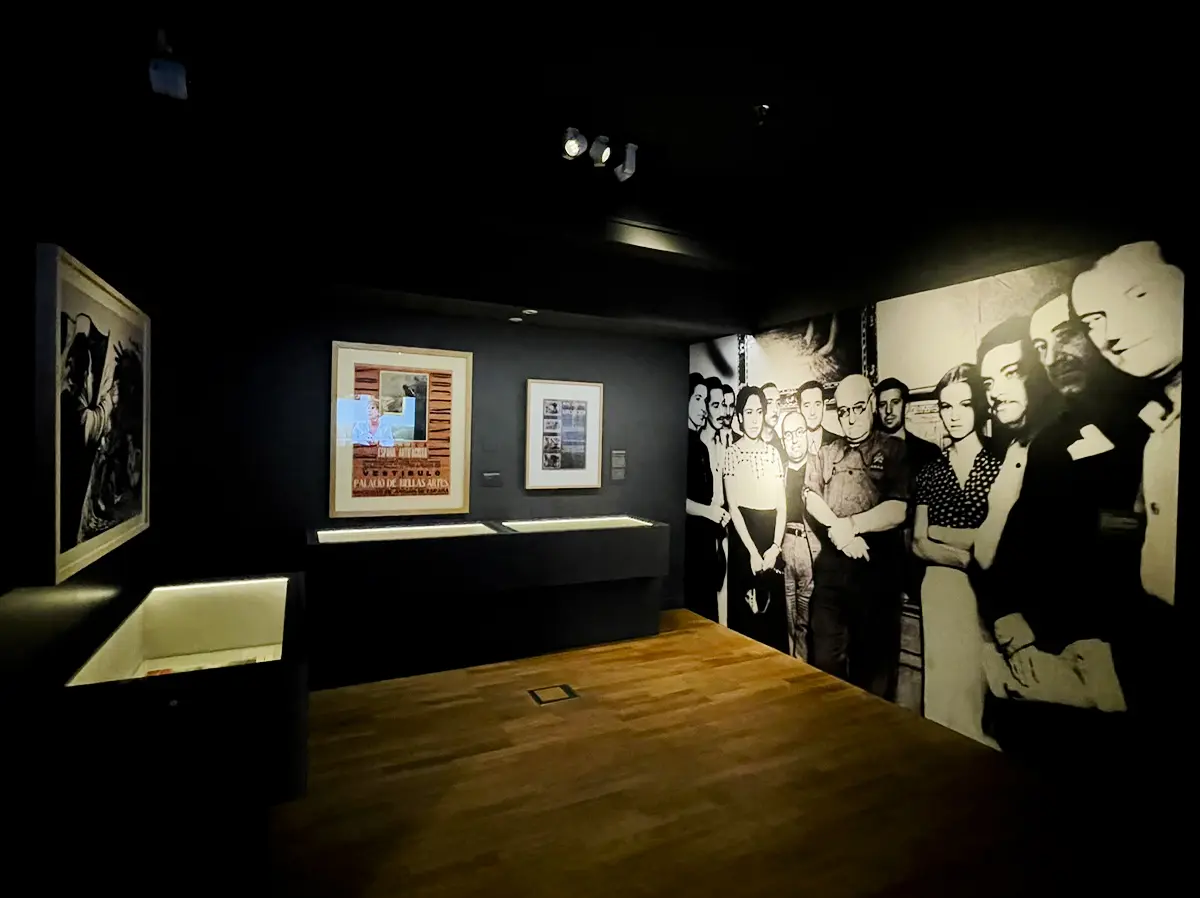
“Mexico: Land of Welcome. Art of Exile and Overseas Dialogues,” at the National Library of Spain, brings together works by more than 40 Mexican and Spanish artists in exile. Curated by Mexican curator Paola Uribe, poet Luis Rius, and former curator of the Museum of Modern Art in Mexico Carlos Segoviano, the exhibition explores the exiled artists’ engagement with Mexican modern art. It also examines the concerns they shared with their Mexican contemporaries regarding identity, the avant-garde, and the social and political role of art itself.

Mexico exposed the artists in exile to new landscapes, indigenous cultures, and a country undergoing profound social transformation. That encounter may have alleviated some of the uncertainty of new beginnings. The circumstances clearly sparked new artistic explorations, fueled in part by exchanges with the muralist movement and the avant-garde of a country that, in the wake of its recent revolution, was seeking its own path in the cultural world.
The exhibition does not lose sight of an important theme: for some of these exiled artists, the history of indigenous peoples’ resistance evoked their own experience in Spain—that sense of defeat. From that empathy emerged reflections on military violence and the various forms of social—and even political—resistance in the face of oppression, whether from the invaders or from fascism.
Books also played their part
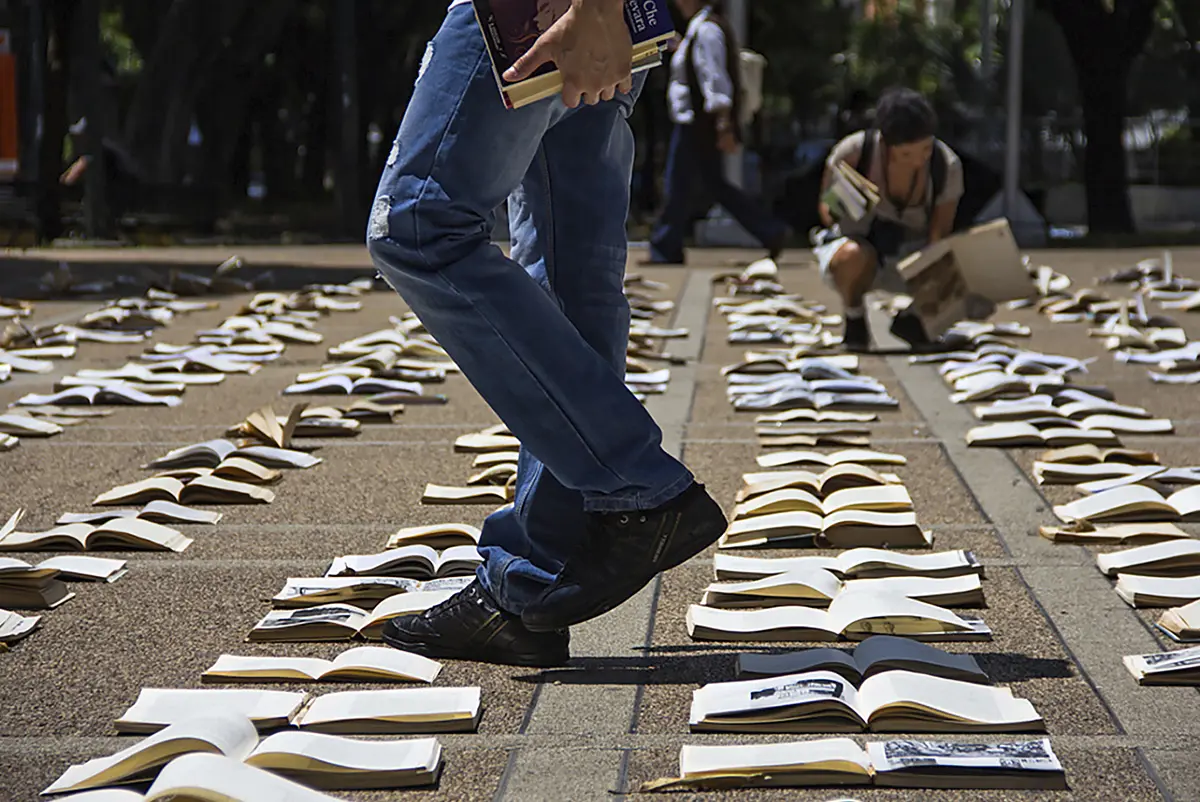
The other part of the exhibition is available at the Instituto Cervantes under the title Mexico: Land of Welcome. Books from the Spanish Exile and Overseas Dialogues. This second module explores how the arrival of Spanish scientists, poets, writers, and intellectuals helped enrich the publishing, educational, and cultural life of the Mexican community.
This second phase of the exhibition brings together 160 publications, historical documents, and works of art, with historical documents drawn from Lázaro Cárdenas’s personal library, the Ateneo Español de México, and various publishing sources and private collections.
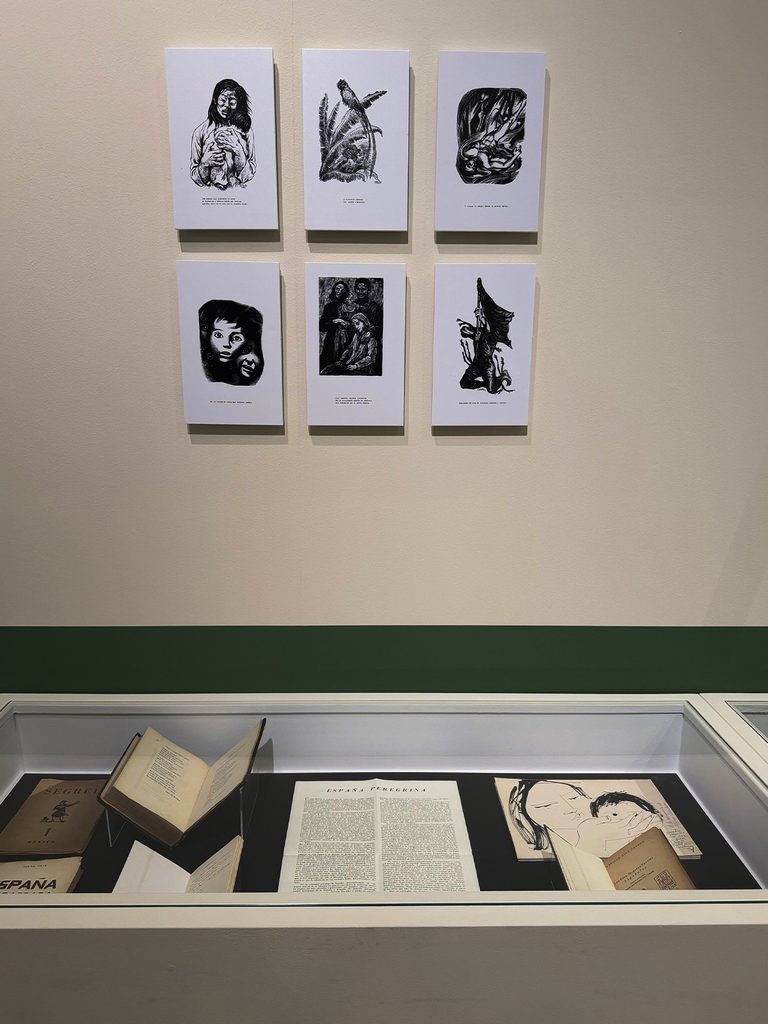
Curated by Eduardo Vázquez Martín, Cuauhtémoc Cárdenas Batel, Juan Luis Bonilla Rius, and Ariadna L. Rodríguez Argueta, the exhibition traces the connections forged during exile. The books reveal who the protagonists worked with and where they found spaces to develop their ideas. They also show how they contributed to education and science in Mexico.
Cárdenas’s policy of welcoming others is one of the central themes of this narrative. Its impact can be seen in the publishing houses, publications, and cultural projects that emerged in the years that followed.
The past also speaks to the present
Presented by Mexico’s Ministry of Culture, through INBAL and in collaboration with Mexican and Ibero-American institutions, the two exhibitions are part of the 30th Ibero-American Summit. In addition, they mark the lead-up to two anniversaries to be celebrated in 2027: the 90th anniversary of the arrival of the first contingent of Spanish refugees and the 50th anniversary of the reestablishment of diplomatic relations between Mexico and Spain.

In times of chauvinism and misunderstandings between countries, this alliance reminds us how much we owe to our encounters with those from other places. It may sound naive to speak of a more united world, but this story offers reasons to persist: even amid upheaval and political divisions, there were those who found ways to work and create together. Looking back on those moments when art managed to build bridges across political differences also sheds a great deal of light on the situation.
Both exhibitions are now open to the public in Madrid, at the National Library of Spain and the Cervantes Institute.
The Exhibition Mexico: Land of Welcome. Art of Exile and Overseas Dialogues will be on view through January 31, 2027, in the Museum Gallery of the National Library of Spain. The second exhibition, Mexico: Land of Welcome. Books from the Spanish Exile and Overseas Dialogues, at the Cervantes Institute in Madrid, will be open through November 30, 2026, with free admission.
Discover more moments where Mexican and Spanish art come together in AW Magazine