
CARA, 2026. Chapter 1 of a season that promises to set Central American art in motion begins on November 22 in Guatemala. The country, whose name comes from the Nahuatl word Quauhtlemallan—translated as “place of many trees”—is thus set to become—as we can foresee—a major epicenter of regional contemporary art.
From November 22 to 25, 2026, CARA (Central American Art Network) will present the first installment of this story at the Miguel Ángel Asturias Cultural Center in Guatemala City. The program includes exhibitions and panel discussions, with free admission from 11:00 a.m. to 7:00 p.m.

This first edition serves as a prelude to a platform that aims to connect Central American artistic talent with collectors, cultural venues, and the vast international art scene, which—now more than ever—has set its sights on Latin America. In addition, the launch of Art Weekend Guatemala was announced, scheduled for May 2027.
Behind CARA
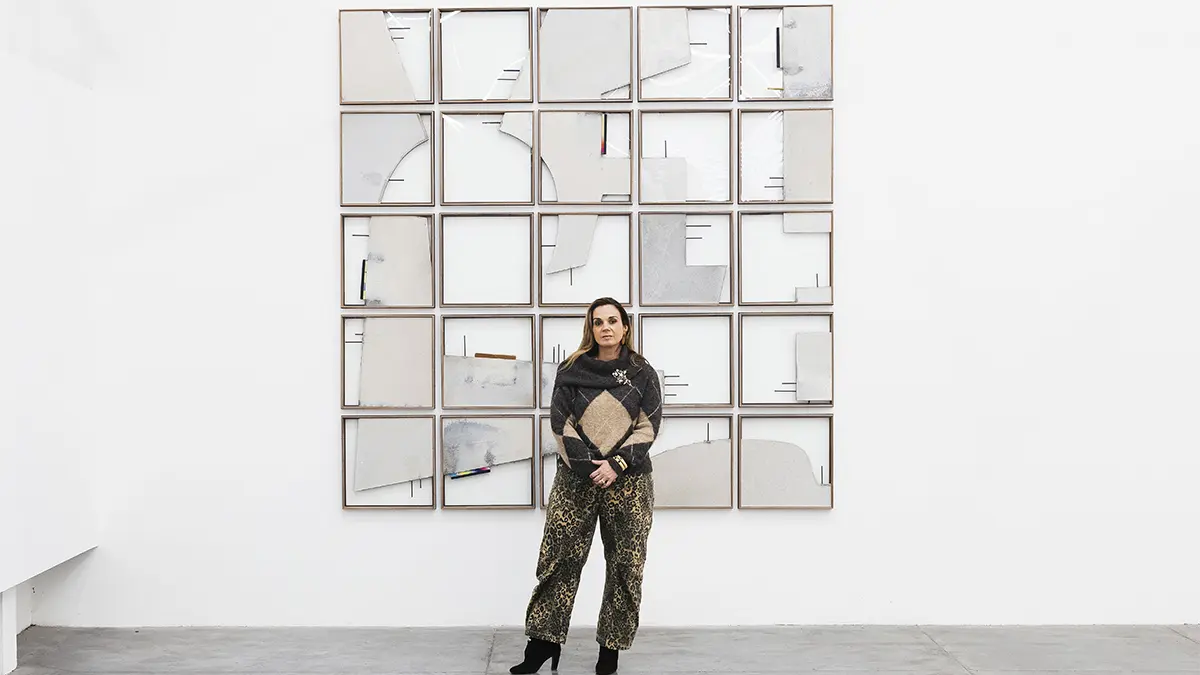
Jimena de Tezanos is the face behind this Central American exhibition. Jimena describes herself—as she told us in a recent interview for Art Weekends—as a compulsive and lifelong collector who has always championed the growth of art and design collecting in Guatemala. “We want CARA to build a lasting relationship between art, the city, and the people. Central America has much to contribute to the international cultural conversation, and this platform was created to foster connections, give visibility to its creators, and open up new possibilities for collaboration,” Jimena said.
The vision behind CARA also helps us understand the role that contemporary art can play in local economic development. Beyond its cultural dimension, this activity sets in motion a chain that involves artists, studios, galleries, suppliers, service providers, and regional venues.
In Latin America, this is particularly significant: according to the IDB, the cultural and creative industries account for 2.2% of regional GDP and generate nearly 1.9 million jobs—as analyzed in an article by the Inter-American Development Bank (IDB).
CARA: A Catalyst for the Central American Scene
In this context, events such as CARA help stimulate the local economy and strengthen the Central American arts ecosystem. By serving as a meeting point for artists, collectors, and the public, it fosters the circulation of artworks, ideas, and opportunities, while also energizing the various sectors involved in cultural activities.
The goal is to help build an artistic ecosystem capable of sustaining the production, exhibition, and commercialization of new artistic initiatives over the long term in the region and beyond, while fostering regional connections and integration and promoting partnerships.
“Banco Industrial is proud to partner with CARA as a leading founding partner. We believe in the power of art and culture to connect people, strengthen the creative ecosystem, and put Guatemala and the region on the map. This platform opens up opportunities for artists, entrepreneurs, and communities, and we are excited to be part of it from the very beginning,” said Roberto Ardón, Corporate Affairs Manager at Banco Industrial.
Banco Industrial is one of CARA’s partners; CARA also counts Visa Infinite as a strategic partner. Their support helps foster experiences that bring contemporary art to new audiences and reflects a shared commitment to strengthening the cultural scene and promoting Guatemala and Central America as destinations of interest for art, creativity, and international exchange.
The 12 artists exploring contemporary art at CARA
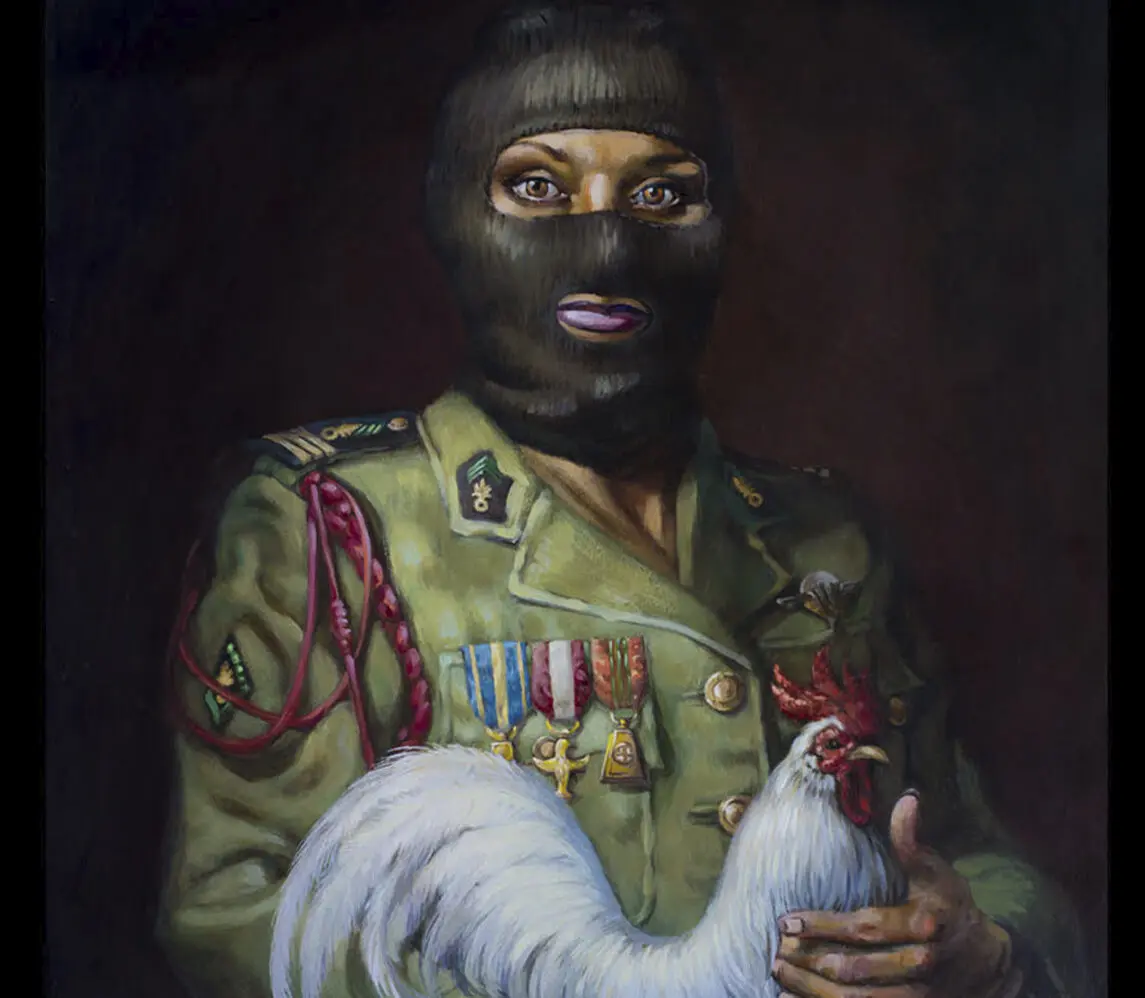
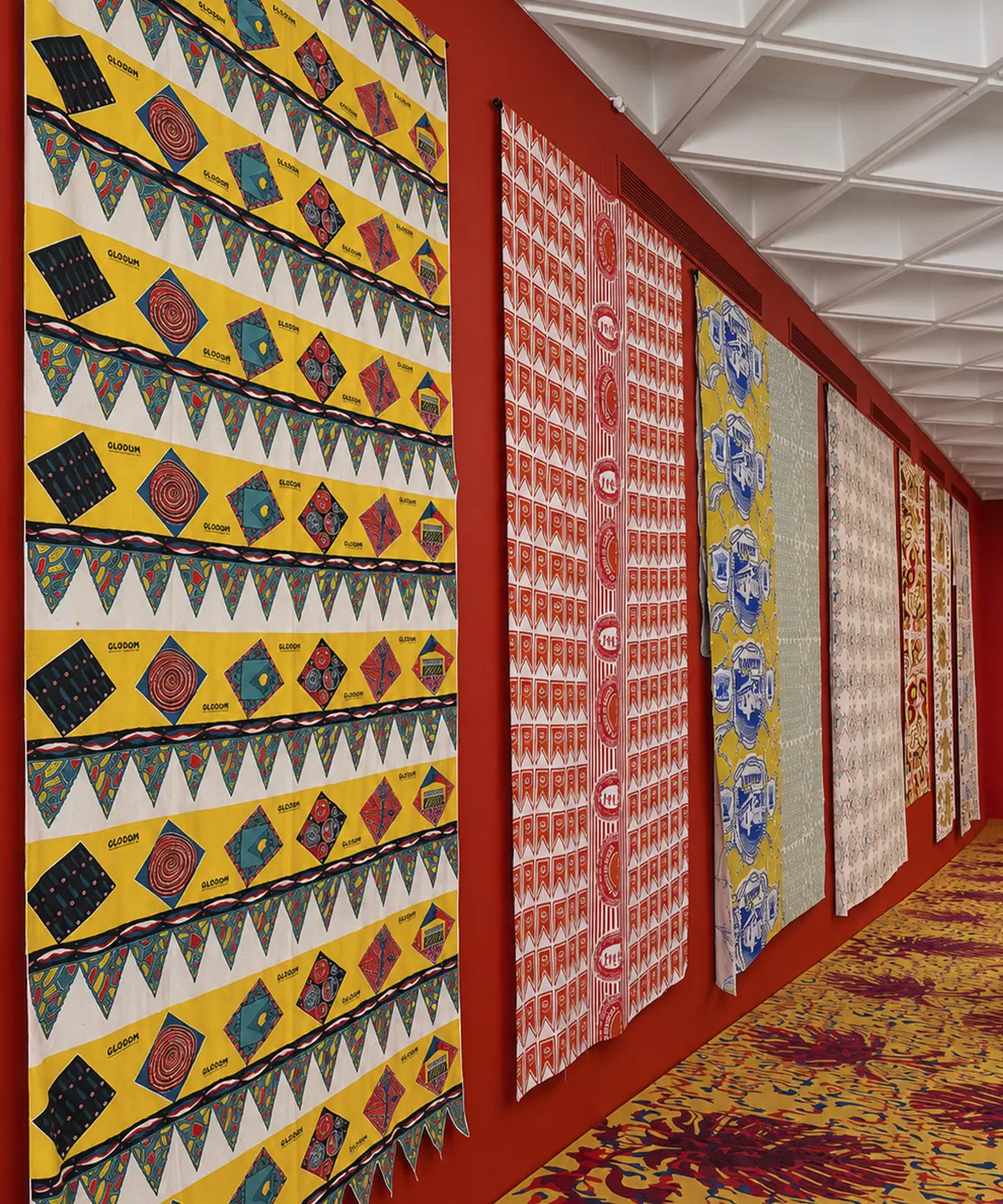
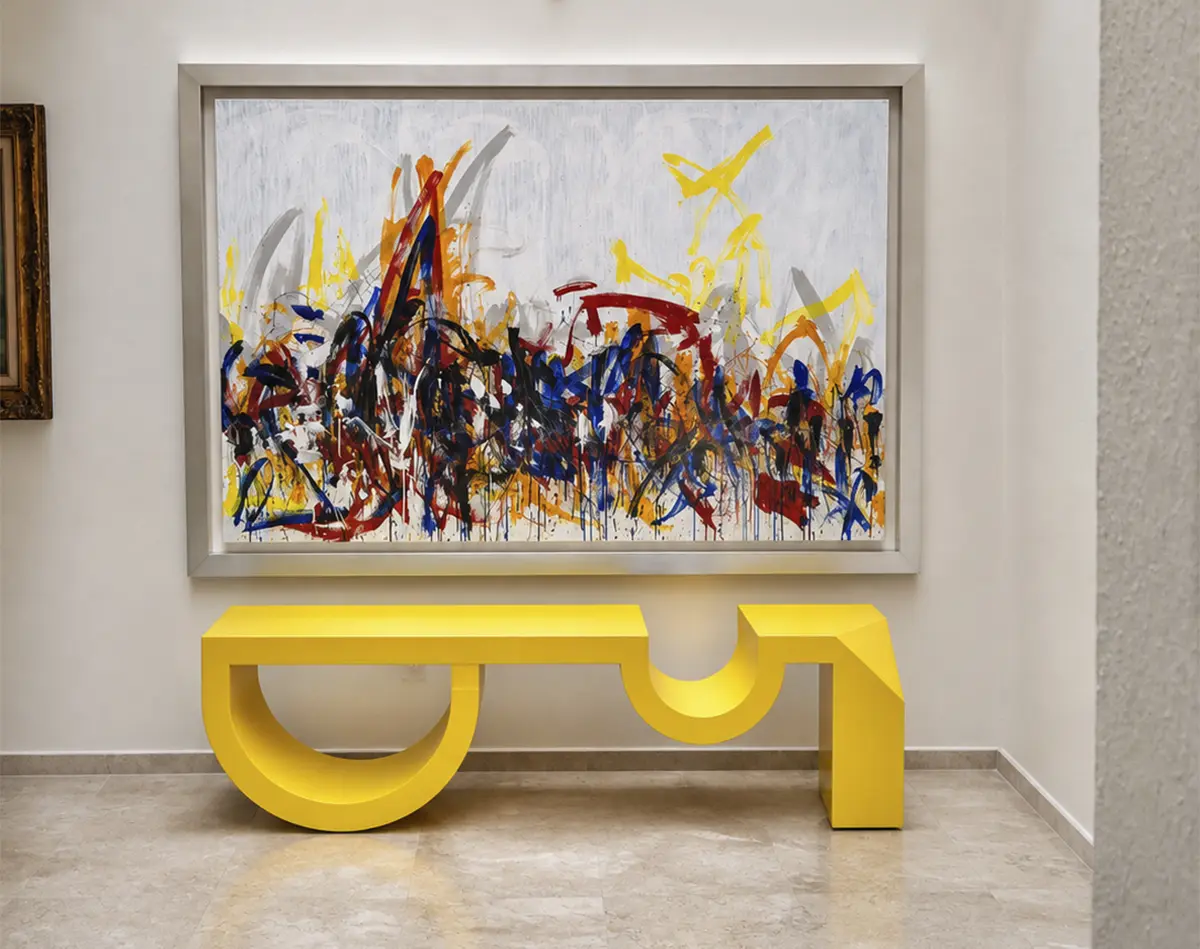
For this inaugural edition, CARA brings together nine Guatemalan artists: Alejandro Paz, Alfredo Ceibal, Andrea Monroy, Camila Fernández, Jorge de León, José Wolff, Lourdes de la Riva, Moisés Barrios, and Norman Morales. They are joined by three international artists: Andrea Galvani, Eduardo Sarabia, and Jorge Méndez Blake.

The works are displayed throughout various spaces at the Miguel Ángel Asturias Cultural Center, engaging in a dialogue with the building’s architecture. In addition to showcasing the works of the participating artists, this exhibition invites visitors to discover new perspectives on one of the most iconic sites of Guatemala’s architectural heritage and to explore other ways of engaging with it through art.

Over the course of four days, CARA will offer a program of activities that includes exhibitions, artistic installations, panel discussions, talks, guided tours, and exclusive culinary experiences. Without a doubt, this program is designed to foster encounters between the public, the artworks, their creators, and the various participants involved in this edition.

The CARA Parallel Circuit
As an extension of this initiative, the CARA Parallel Circuit is taking place from November 19 to 28, bringing part of the program to different locations throughout Guatemala City. Through events and activities related to art, design, and gastronomy, this initiative promotes the intersection of different disciplines, fosters new connections, and brings the cultural experience to other parts of the city. And yes, we’re sure to come across a quetzal or two along the way.

CARA: A Starting Point
CARA thus becomes an essential platform for connecting art, design, and contemporary ideas with the urban environment of a region like Guatemala. Taking Central American artistic expressions as its starting point, the event creates a space for artists, institutions, collectors, professionals in the creative industries, and new audiences to meet and collaborate. And that couldn’t be better news for a Central American art scene that has so much to offer.
Learn more about Central American and Latin American art in AW Magazine