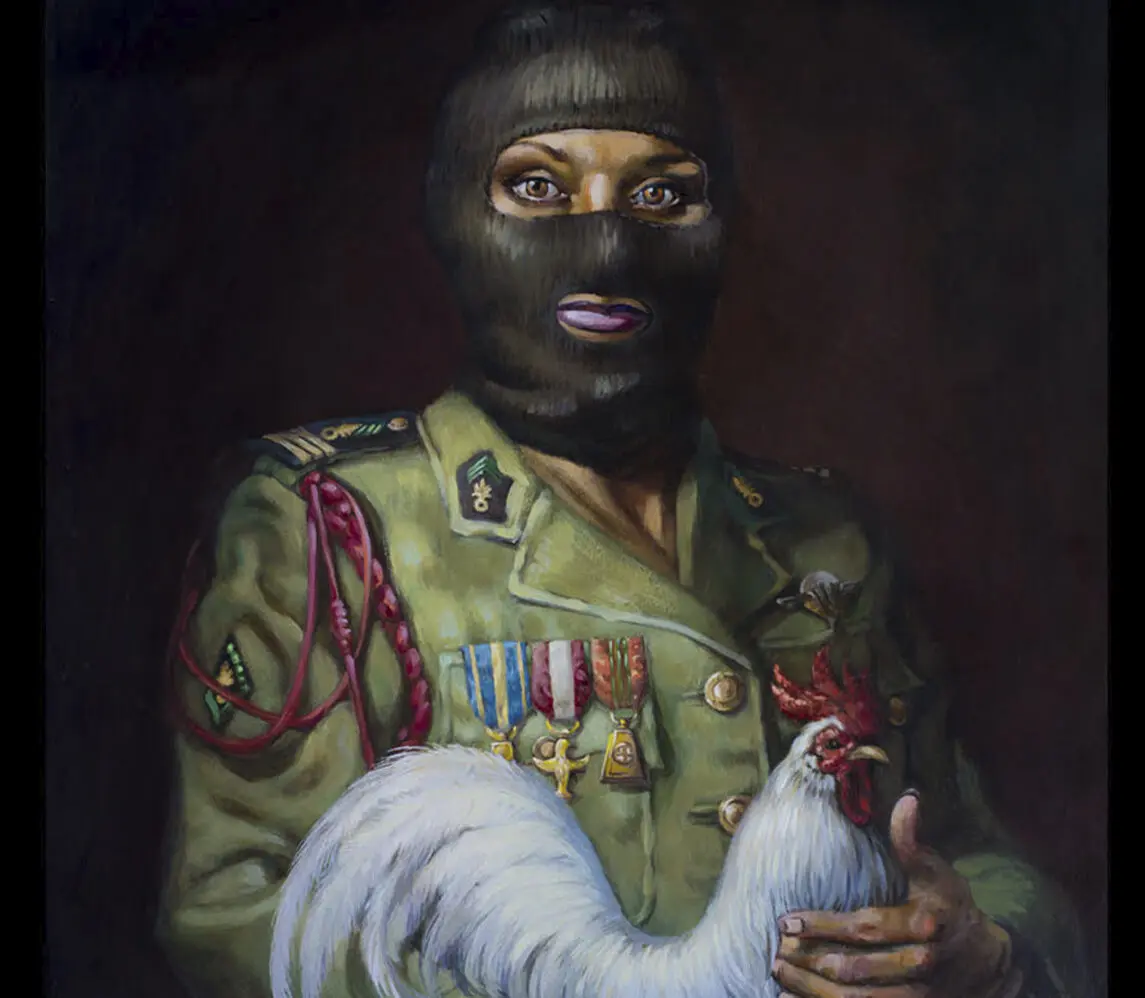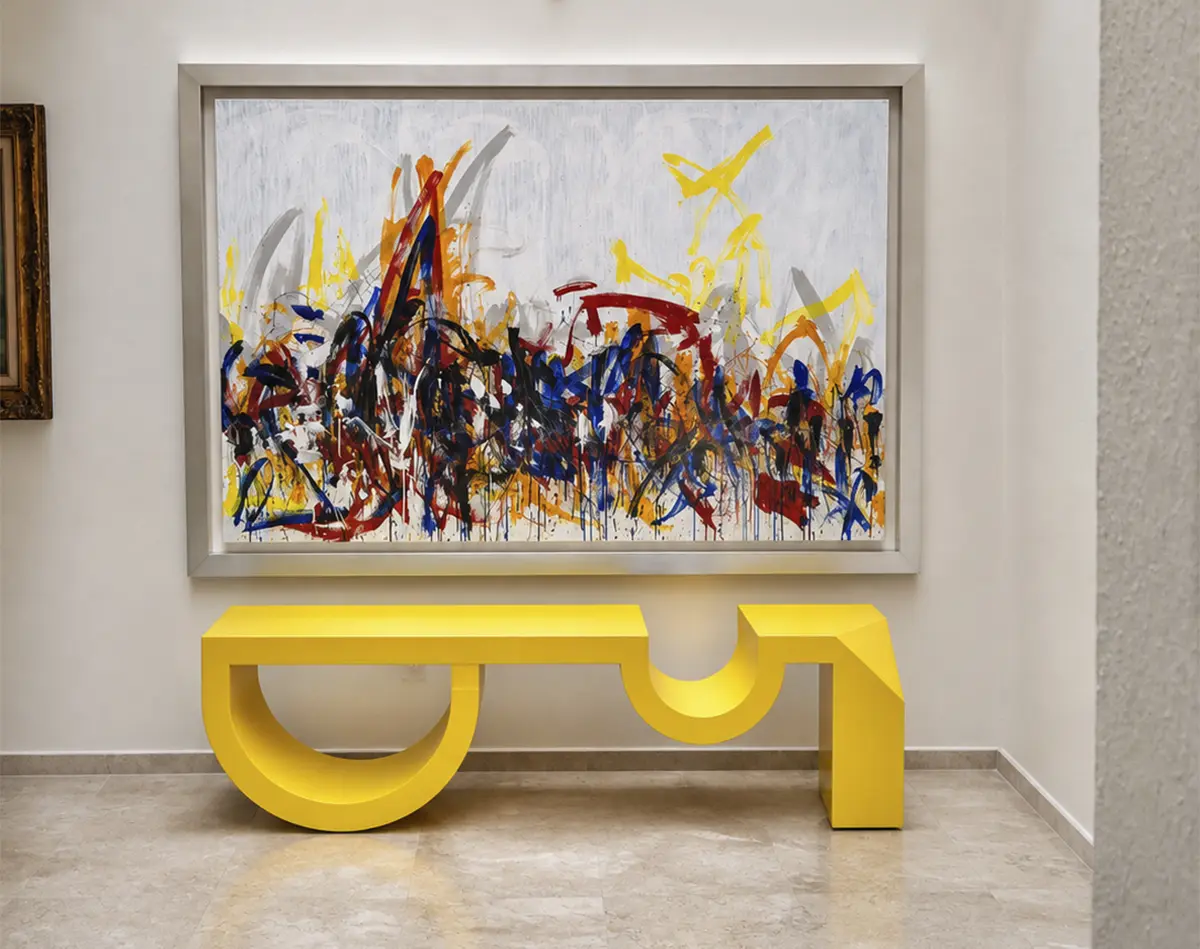

Destination: Mexico. Arrival: November 15, 2026. Duration: through February 7, 2027. Thus begins the log of the prestigious São Paulo Biennial’s arrival in the Mexican capital, thanks to the efforts of INBAL, through the Tamayo Museum, and the São Paulo-based Fundação itself.
This is a special occasion because the Tamayo Museum is hosting a selection designed to engage with the local context. During his time in Mexico, *Not Every Traveler Travels Roads—Humanity as Practice* was presented by Anna Roberta Goetz, co-curator of the Biennial.

São Paulo Biennial: 26 artists from 13 countries
But Mexico is just one of the stops. After its run there, the exhibition embarked on a tour of twelve other Brazilian cities. It then traveled to Santiago, Chile, and made its debut in Berlin, Germany. The tour now concludes in Mexico City, which is hosting a selection from the Biennial for the first time.
The exhibition brings together paintings, installations, sculptures, videos, photographs, and textile works by 26 artists from 13 countries: Brazil, the United States, Haiti, Iran, Japan, Morocco, Mexico, Nigeria, Pakistan, the United Kingdom, Senegal, South Africa, and Thailand.
It is undoubtedly a journey through the art of the world, one that is very beneficial for enriching local art scenes.
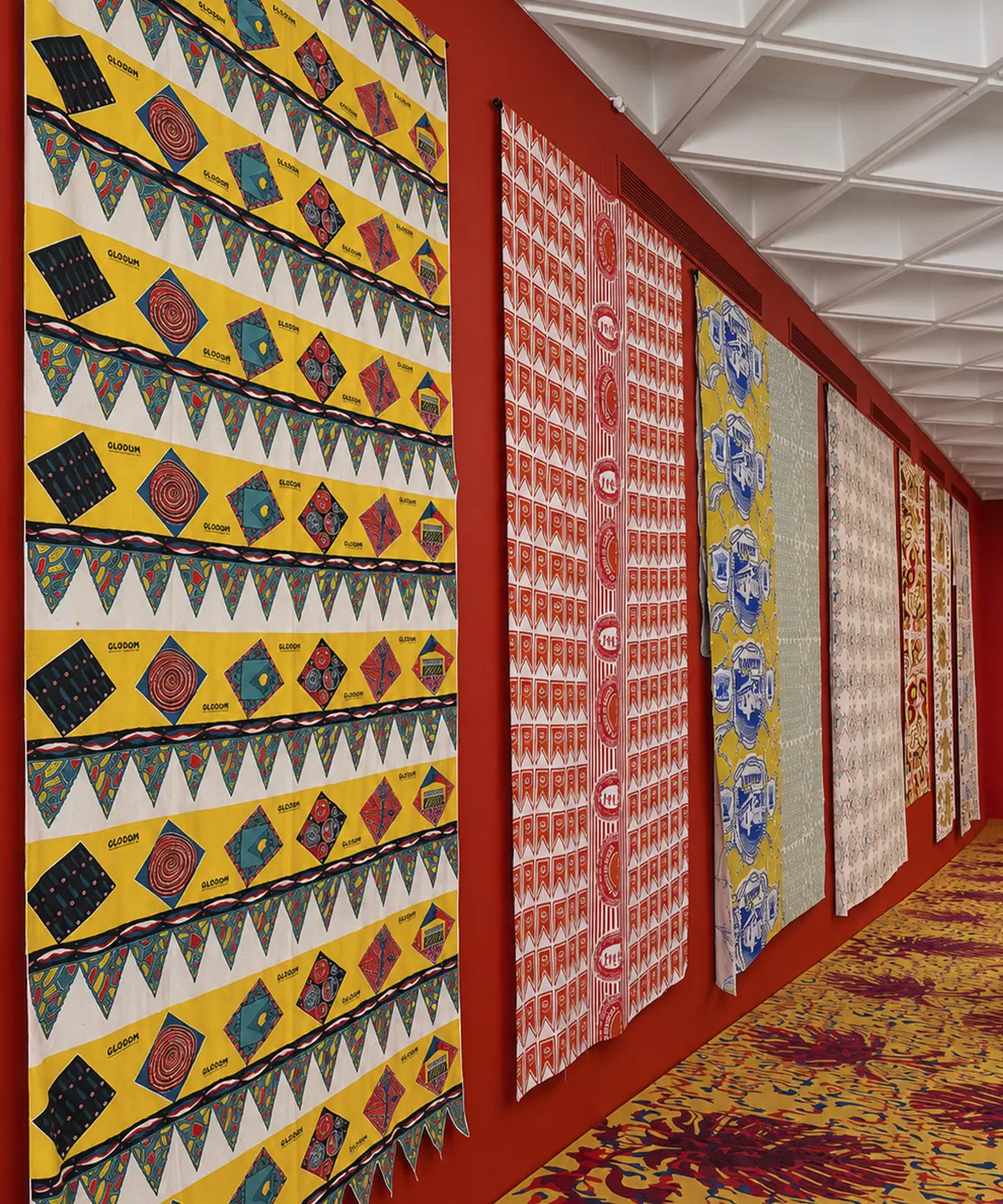
The São Paulo Biennial exhibition features textile works that “highlight the connections between human life, ancestral presence, and the spiritual world,” according to the exhibition’s official press release. Other themes explored include “the human figure and the body’s resistance to being classified and manipulated based on race, gender, sexuality, physical ability, and social status.”

The São Paulo Biennial and Its Environmental Focus
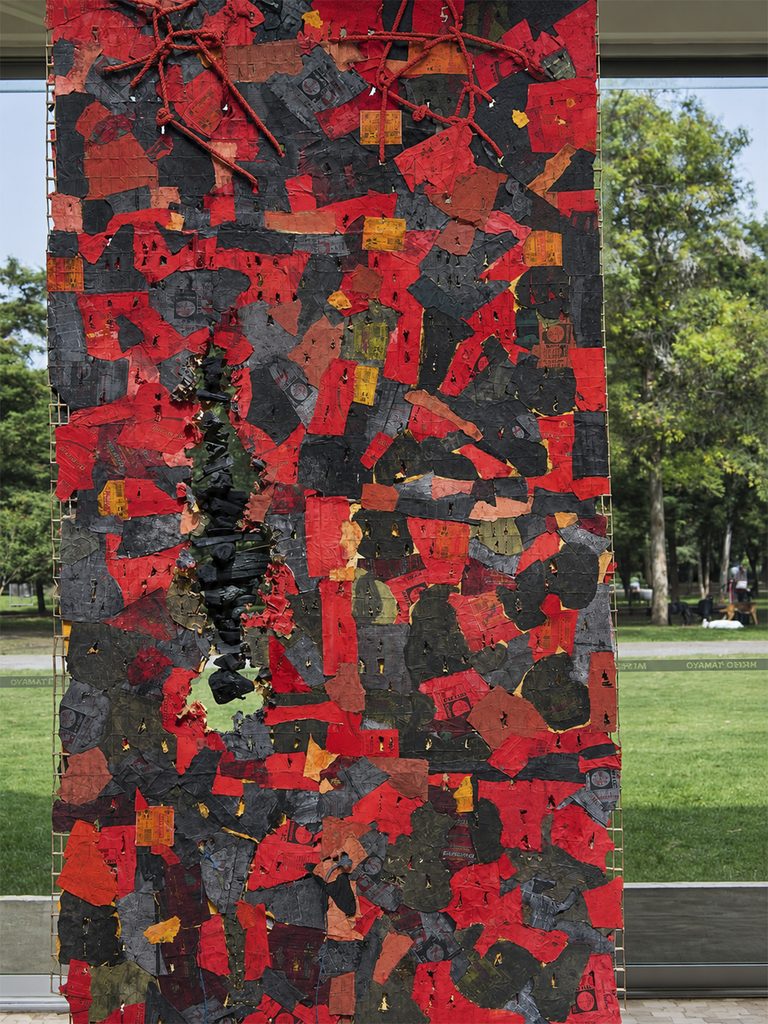
One of the commitments is to ecology. And the environment is another of the themes addressed by the exhibition. In particular, it explores the interrelationship between earth, water, and art, which is embodied in works that invite reflection on the deterioration of our planet. In this way, the selection seeks to foster a dialogue between art and Mexico’s history, culture, and even ecology.
To shape this exhibition, Goetz focused on the history of abstract art in the country and on the very essence of the Tamayo Museum. After all, its founder, Rufino Tamayo, was the one who opened the door to the artists who arrived shortly thereafter to leave their mark on the avant-garde. Above all, those of the famous Ruptura Generation. From there emerged key figures such as Gunther Gerzso and Manuel Felguérez. These artists decidedto leavetraditional muralism behindto embrace abstraction, look outward, and create with complete freedom.

“For the traveling exhibition at the Tamayo Museum, we draw connections between practices that emerged independently—in different geographical contexts and across different generations—but that share conceptual concerns and formal languages. “Rather than integrating them into a universal history of art, we sought to understand how those languages emerged from specific cultural, political, and spiritual conditions,” says curator Anna Roberta Goetz.
The lineup of artists participating in the São Paulo Biennial
Akinbode Akinbiyi, Alberto Pitta, Aline Baiana, Ana Raylander Mártis dos Anjos, Andrew Roberts, Antonio Társis, Behjat Sadr, Berenice Olmedo, Edival Ramosa, Ernest Cole, Forensic Architecture/Forensis, Forugh Farrokhzad, Gervane de Paula, Imran Mir, Juliana dos Santos, Korakrit Arunanondchai, Leo Asemota, Lidia Lisbôa, Malika Agueznay, Mao Ishikawa, Mohamed Melehi, Moisés Patrício, Myrlande Constant, Sérgio Soarez, Sharon Hayes, and Théodore Diouf are the artists featured.
Regarding this collaboration between the Fundação Bienal de São Paulo and the Museo Tamayo, its director, Andrea Torreblanca, expressed her gratitude for the invitation and the work of curator Anna Roberta Goetz, emphasizing the significance of the exhibition.
“Placing humanity at the center, as the Biennial does, means questioning our condition as social and political beings, our ways of being in the world, and what it takes to transcend geopolitical, physical, mental, and cultural boundaries,” he said.
“Artistic spaces, such as museums and biennials, allow us to invent new territories that transcend immediate reality. Their role today is more urgent than ever,” he concluded.
Resonance and Affinity
For her part, Abril Zales, the venue’s chief curator, explained how the 36th São Paulo Biennial is a perfect match for the museum’s essence. “Each section and each work—selected by Anna Goetz—resonates with and aligns with the museum’s curatorial lines of inquiry, ranging from the spiritual dimension of artistic practices to notions of territory and expanded languages.”
Furthermore, linking modern and contemporary art and highlighting the intergenerational dialogues among artists from diverse cultural backgrounds is a positive development. It reminds us of the vision of the master Rufino Tamayo: that the museum should be a space for international art.”

Before arriving in Mexico City, the exhibition toured Brazil—a fact celebrated by Andrea Pinheiro, president of the São Paulo Biennial Foundation.
“Over the course of a year, this edition traveled across Brazil from north to south and has now arrived in Mexico. At each stop, the works took on new meanings as they engaged with different audiences, different stories, and different contexts. That expansion of encounters and interpretations is exactly why the program was conceived.”
The exhibition will be on view at the Tamayo Museum (Paseo de la Reforma and Campo Marte, Polanco neighborhood, Miguel Hidalgo). The exhibition will be open to the public from November 15, 2026, to February 7, 2027.
Discover more Ibero-American art fairs and their commonalities in AW Magazine.