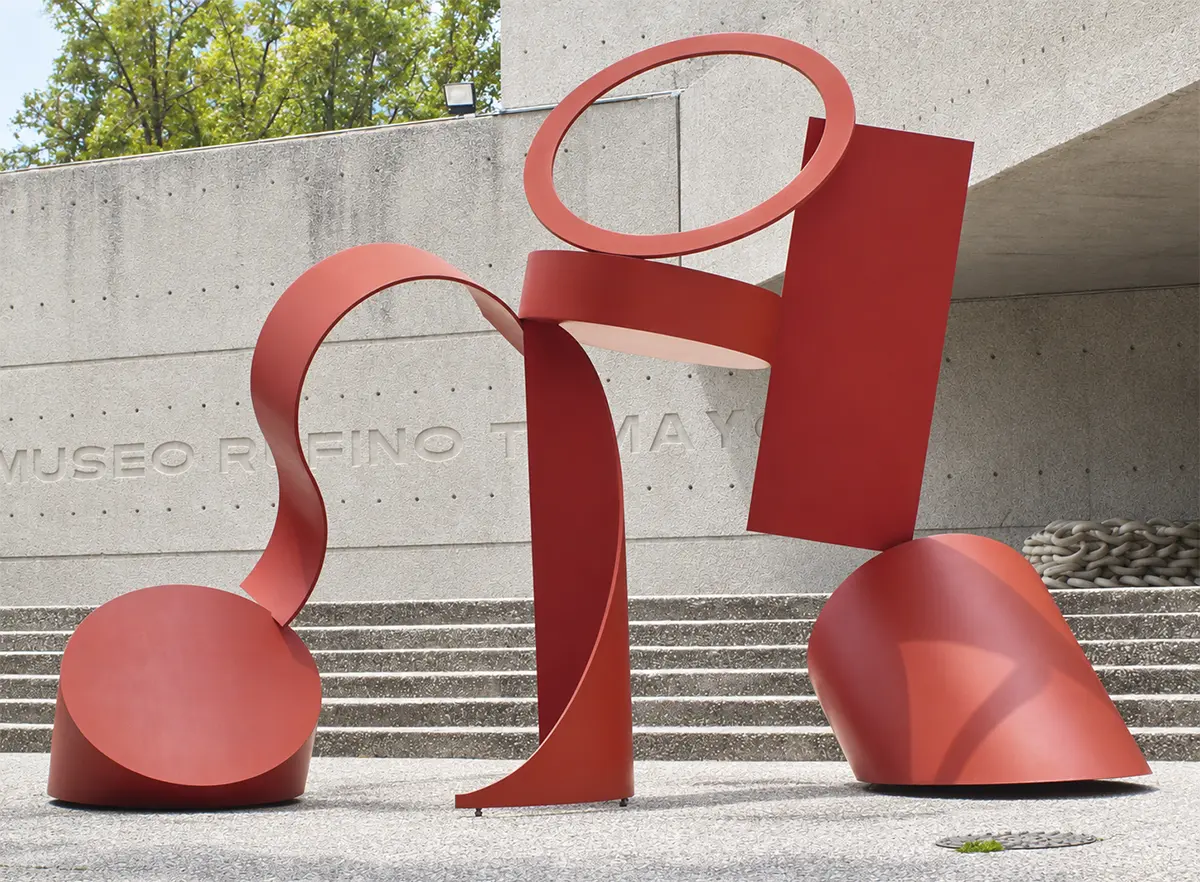

A principios de la década de los 80, el consorcio televisivo mexicano Televisa —siempre pensé que el nombre significaba Televisión S. A., pero en realidad es por Televisión Vía Satélite— atrevesaba una resaca moral: le faltaba prestigio cultural. Su dueño, Emilio “el Tigre” Azcárraga, mostraba además un interés personal por el arte, y ese gusto lo hizo reunir pinturas, esculturas y piezas históricas —muchas de las cuales, una valoración posterior reveló que eran falsas— que decoraban sus residencias, e impulsó proyectos como el Centro Cultural Arte Contemporáneo y una colección de fotografía internacional cuya selección encargó a Manuel Álvarez Bravo.
Added to that inclination was a more pragmatic reason: pressure from the Mexican government and the fear of a possible nationalization of television—reasons for making an unwritten commitment to the country’s culture and education, according to the account by Claudia Fernández and Andrew Paxman in *El Tigre: Emilio Azcárraga and His Televisa Empire*. At stake were the continuation of his broadcast licenses and the possibility that the president might place what was then the most popular mass medium in the hands of bureaucrats tasked with producing black-and-white nationalist content “like Soviet television,” as critics—who were fans of the American TV series that Televisa was importing at the time on its Channel 5, aimed at the Mexican middle class—would say.
Amid soap operas and soccer, there was a need to demonstrate an interest—half feigned, half genuine—in presenting art-related content on television, the so-called “idiot box,” as intellectuals like Carlos Monsiváis called it. This commitment was complemented by initiatives such as the sponsorship of the Tamayo Museum in 1981, a project that, viewed through the lens of the relationship between television and power, might have seemed like a mere whim.
The Origins of the Tamayo Museum: Art, Televisa, and Grupo Alfa
El proyecto era una iniciativa de Olga y Rufino Tamayo para albergar la colección de arte internacional que habían reunido en sus viajes. El pintor oaxaqueño, uno de los artistas mexicanos más importantes del siglo XX, era reconocido en el mundo por fusionar la herencia prehispánica y el arte popular con las vanguardias europeas.
Grupo Alfa era un importante coleccionista de obras de Tamayo y quiso participar junto con Televisa en la empresa de construir el museo. El conglomerado industrial, uno de los más grandes e importantes de México, fundado en Monterrey, Nuevo León, contribuyó al financiamiento del icónico edificio ubicado en el Bosque de Chapultepec en la Ciudad de México, diseñado por los arquitectos Abraham Zabludovsky y Teodoro González de León.

Construction of the museum began in 1979. The government provided the land, near the Museum of Anthropology in Chapultepec Forest; Grupo Alfa and the Televisa Cultural Foundation funded the construction, and Olga and Rufino Tamayo contributed the original collection. Azcárraga supported the project not only because of the cultural value it would bring to the company. If Tamayo was going to donate his paintings to Mexico, Televisa would support him because “no one has ever given anything to Mexico, ” said the white-topped tycoon, in a typical display of his usual nationalist rhetoric. But it was true: up until that time, there had not really been a tradition in the private sector of sponsoring the arts on a large scale.
The Opening of the Tamayo Museum and the Influence of the Gelmans
On May 29, 1981, the Tamayo Museum opened its doors, showcasing works by artists such as Picasso, Joan Miró, Francis Bacon, and Roberto Matta. Televisa took over administration of the museum, while the first director was the museologist Fernando Gamboa. Tamayo had finally succeeded in bringing to fruition a project to offer the Mexican public a place to view the international collection he had assembled together with Olga.
Thus, Televisa took up the torch and established itself as the “guardian of national culture.” The Azcárragas—Emilio and his wife, Paula Cussi—became interested in seeing what was happening in the art world elsewhere. They were inspired by none other than their friends Jacques and Natasha Gelman, the famous couple of collectors and patrons who assembled one of Mexico’s greatest collections of modern art and created the legendary Gelman Collection.
Jacques y Natasha, como era de suponerse, eran unos estetas muy bien conectados, así que introdujeron a Azcárraga y a Cussi en el mundo de los dealers, los patronatos y las mesas directivas de varios museos. Azcárraga vio el potencial reconocimiento que este podría traer a su imagen y visualizó la idea de que México pudiera distinguirse en el “competitivo mundo de la cultura”, por lo que asimismo hubo un claro propósito en su decisión de incursionar de lleno en el laberinto del arte.
And what, exactly, did Tamayo have to do with this whole thing? He would soon face the Tiger himself.
Picasso and David Hockney: The First Major Exhibitions
Para supervisar el montaje de la colección Tamayo en la exposición inaugural, Jacques Gelman recomendó a Pierre Schneider, corresponsal de arte de la revista francesa L’Express, y a Bill Lieberman, del Museo de Arte Moderno de Nueva York. Ambos se encargarían de que el museo cumpliera con los estándares internacionales de seguridad, control climático e iluminación, requisitos para conseguir que otros recintos prestaran obras importantes para las exposiciones temporales.
For the directorship, following the initial phase led by Fernando Gamboa, Gelman recommended the Cuban-American Alberto Raurél. The year after the museum opened, Raurél organized a Picasso exhibition, the first major exhibition produced by Televisa. The exhibition drew large crowds and demonstrated what could be achieved with a substantial budget and strong organization. It also helped that Televisa was constantly promoting it across all its channels. The exhibition also helped restore Mexico’s reputation, which had been tarnished by rumors that some major works on loan ended up decorating the homes of presidents and high-ranking government officials.
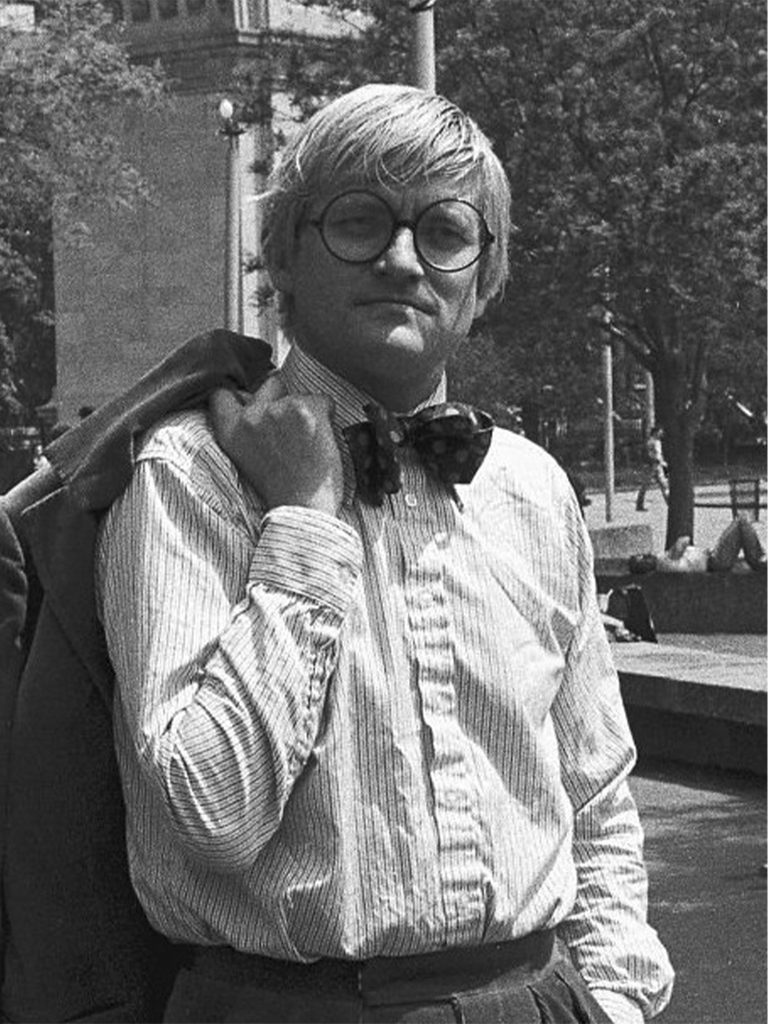
Robert Littman, the influential curator and current executor of the Gelman Collection, had been looking for some time for a venue to showcase David Hockney’s work in New York, but no space quite met his expectations. The answer came from Mexico: the Tamayo Museum had what he was looking for—and an added bonus: Televisa’s media clout. So the New York curator traveled to Mexico with Hockney and several experts.
Robert Littman and the Dispute Over the Leadership of the Tamayo Museum
The visit left a favorable impression of the museum and Raurél’s work, and that led to an agreement to present *David Hockney’s The Grand Theater* in early 1984, as part of the exhibition’s tour of the United States. Everything was going smoothly when a murder changed those plans: Raurél was killed during a robbery in Polanco.
In the wake of the tragedy, Televisa turned to a collection by Diego Rivera that it had borrowed from Dolores Olmedo. An exhibition had to be organized in record time while a new director was being sought. The catch was that Rivera had been an enemy of Tamayo. The choice might have been perceived as an insult to the temperamental painter.
Azcárraga then offered the directorship to Robert Littman, and Hockney’s exhibition was finally presented that same year, 1984, to great acclaim. Littman accepted the position as the new director and moved to Mexico to take the reins of the venue. But Tamayo did not welcome him with open arms. He saw him as a representative of Televisa and even attacked him in the press over issues such as his sexual orientation.

The background to the issue was that Tamayo was demanding greater authority to decide on the museum’s exhibitions and artistic direction; Televisa believed that, since it was footing the bill, it should also be the curator. The painter wanted a museum that was close to him and his artist friends, and Televisa sought above all to boost its prestige beyond the perception that it made “television for losers”—the infamous phrase Azcárraga would utter in the ’90s, which would add yet another mark to the Tiger’s record in the realm of controversy.
Rufino Tamayo vs. Televisa: The Breakup of 1986
In 1986, with Mexico about to host the World Cup, Tamayo decided to take his dispute with Televisa to the national press. “I’m ready to make a huge fuss right now about this soccer thing… if the museum issue isn’t resolved.” At 86 years old, the painter portrayed himself as a victim of the “media monster,” which also sought to extend its influence into the art world. The painter threatened to go on a hunger strike during the World Cup if his collection of more than 300 paintings and sculptures—valued at over $10 million—was not exhibited again. He had donated them to the people of Mexico, he said, “not to the Azcárraga family.”
Posteriormente acudió al entonces presidente Miguel de la Madrid y puso sobre la mesa su amenaza de iniciar una huelga de hambre en los escalones del museo. Así, el 23 de mayo de 1986, días antes del arranque del Mundial, Televisa anunció su retirada. Por acuerdo presidencial, el secretario de Educación Pública, Miguel González Avelar, quedaría encargado de que el Museo Rufino Tamayo pasara a formar parte del patrimonio nacional.
Televisa’s departure did not bring an immediate happy ending either. According to Fernández and Paxman’s account, a lack of resources and organizational problems under the Tamayos’ management weakened the museum. For several years, the museum—which had once attracted major exhibitions and large audiences—was a far cry from the splendor of its early days. But its story did not end with the Tiger’s departure.
The Tamayo Museum as a Public Museum: Expansion and New Visitors
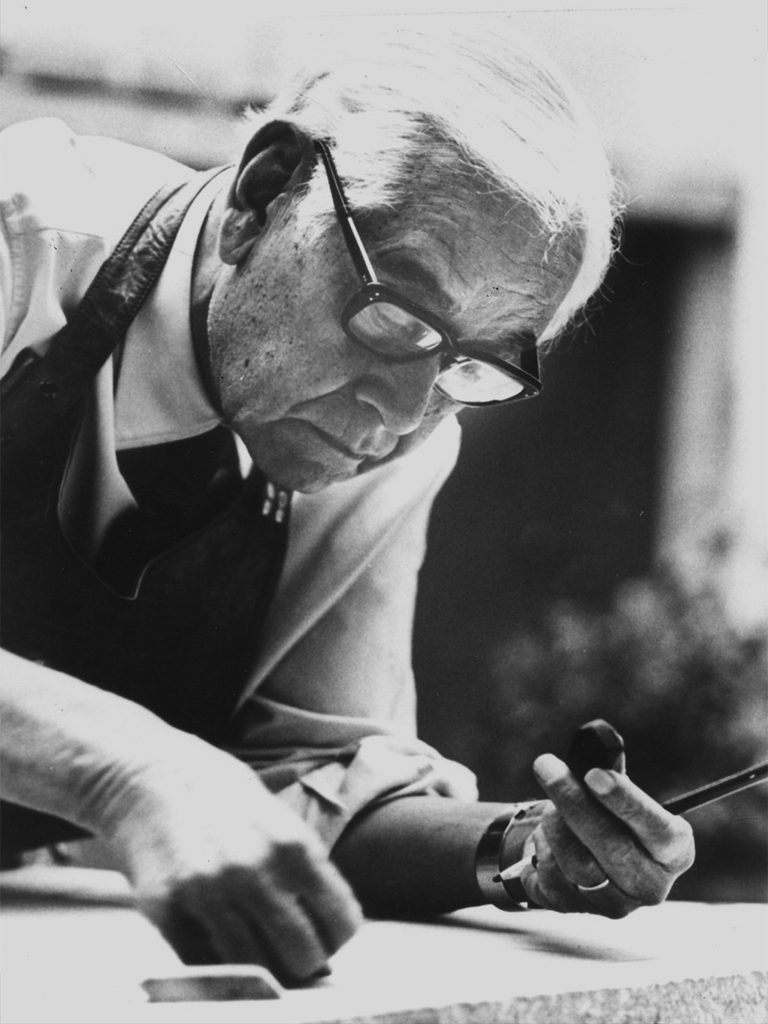
Reopened on September 9, 1986, under the administration of the National Institute of Fine Arts, the Tamayo began a new chapter as a public museum. In 1987, it co-hosted with the Palacio de Bellas Artes a major retrospective celebrating the 70-year career of the painter, who died in 1991. Two decades later, the building closed for an expansion led by Teodoro González de León and reopened in 2012 with 30 percent more floor space. The museum also experienced new periods of massive popularity: between 2014 and 2015, “Yayoi Kusama: Infinite Obsession” attracted more than 300,000 visitors. It seemed that the museum’s former glory could return with other featured artists.
The Tamayo Museum in 2026: 45 Years of Art
In 2026, as it celebrates its 45th anniversary, the Tamayo Museum looks back on its own history with exhibitions such as *Tamayo Horizontes* and *Ante el eclipse. Arqueologías del arte en México*, which explore the founder’s legacy and the cultural context of the museum’s early years. Its collection, whose original core comprised more than 300 works, now exceeds 980. With Televisa no longer at the helm, the museum retains its ambition to bring international art to the Mexican public. The dispute between Tamayo and Azcárraga is now in the past; the questions of who decides what is exhibited, who pays the bills, and to whom culture belongs remain open.
Discover more stories about art in Mexico and Ibero-America in AW Magazine.