
In Spanish-speaking countries, there is a visible but rarely discussed tradition: that of the visual, conceptual, or musical artist who has at some point appeared (or nearly appeared) in film and television.
Artists who appear in films reveal the intersections between disciplines that share the same stage and audience. These instances often conceal surprising stories and valuable collaborations.
AW Magazine has put together a list of five figures who appeared—or almost appeared—on screen.
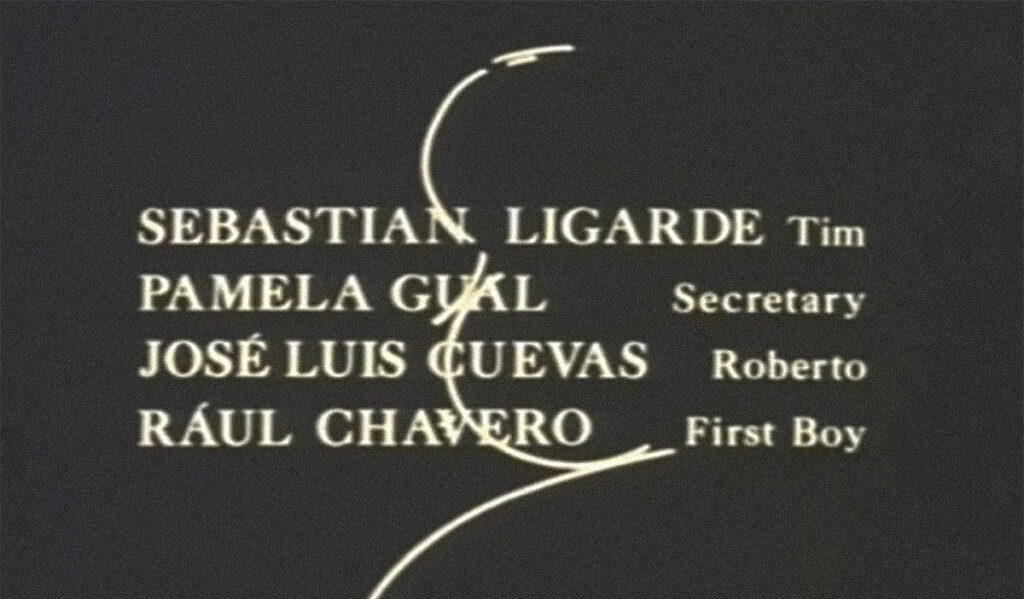
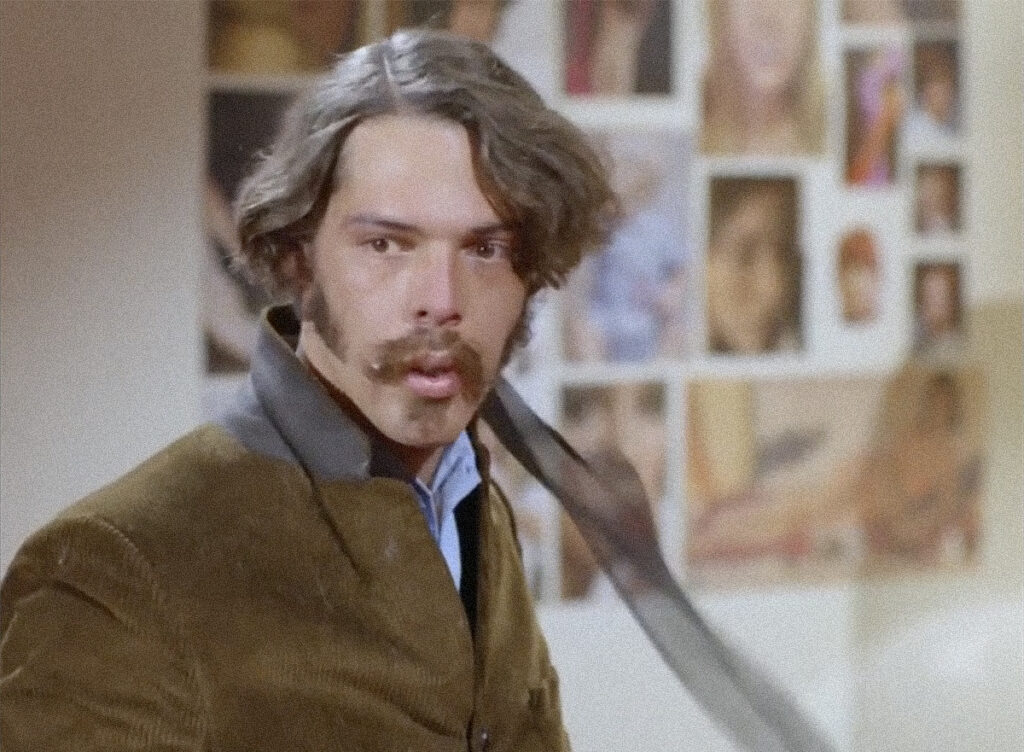
José Luis Cuevas, 1960s Cinema, and Alfred Hitchcock
José Luis Cuevas was one of the most influential artists of the 20th century in Mexico. A self-taught, prolific draftsman, he was a central figure in the Ruptura generation, which broke away from official muralism. His work reached Washington, Paris, and New York as early as the 1950s. His artistic style and critical stance left a lasting mark on his generation and those that followed.
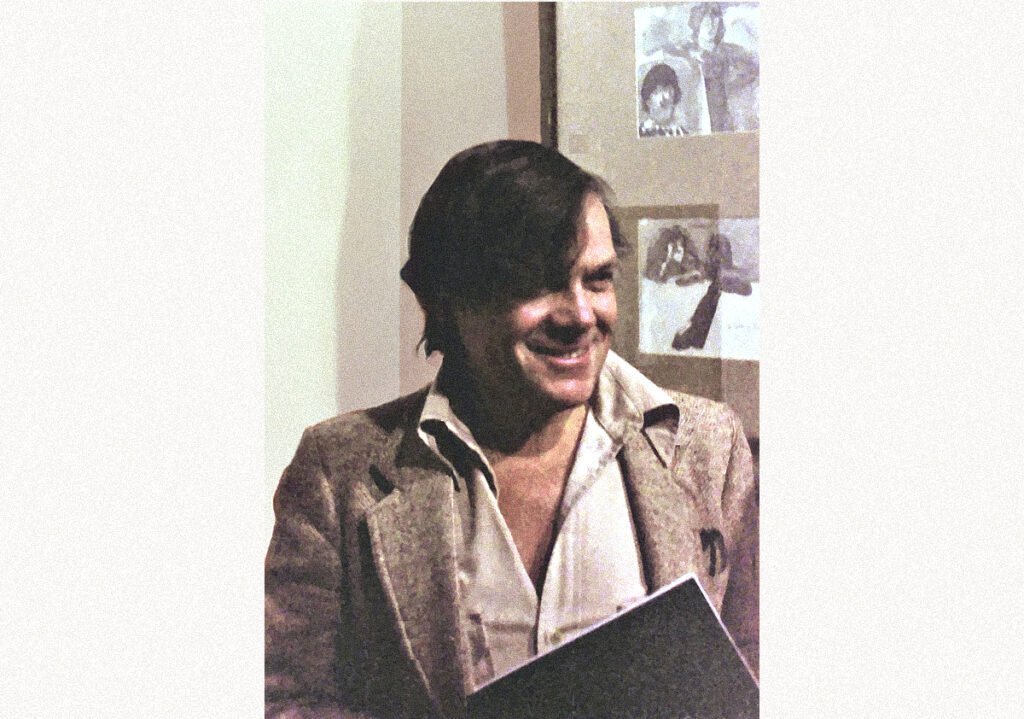
But there is a lesser-known side to his story: Cuevas also acted in film and television. He appeared in several Mexican productions from the 1960s and 1970s, where his presence did not go unnoticed. He was a handsome man with a commanding stage presence.
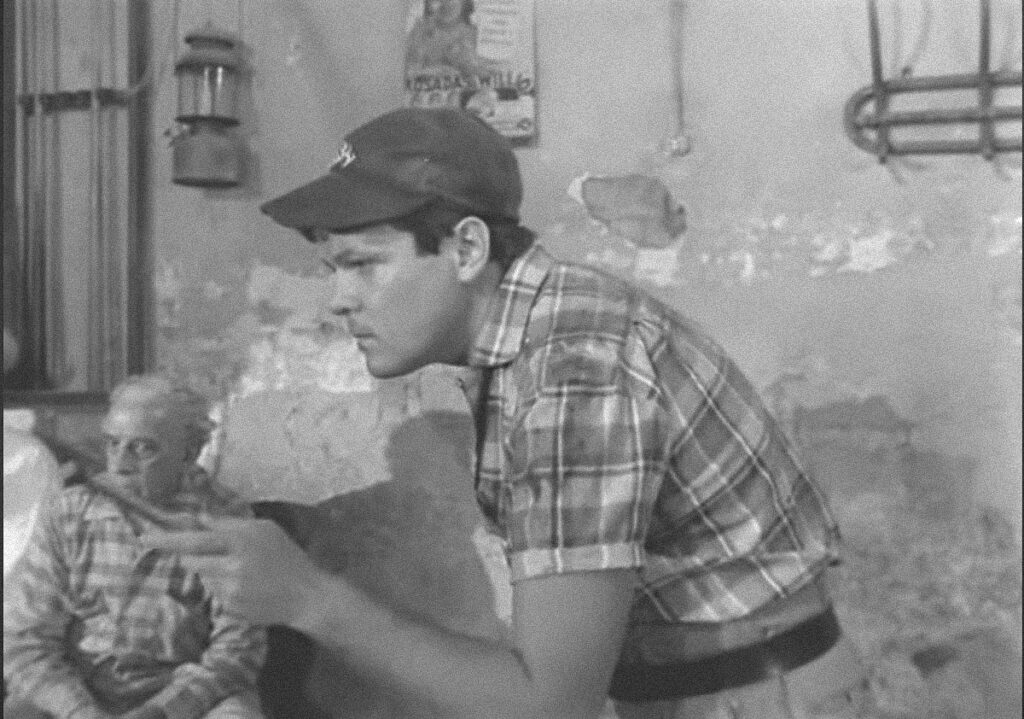
Notable among its attractions are In This Town There Are No Thieves and The Two Elenas. The first is Alberto Isaac’s debut feature film, an adaptation of a short story by Gabriel García Márquez. The second is a medium-length film by José Luis Ibáñez, based on a story by Carlos Fuentes. In 1985, José Luis Cuevas also appeared in the episode “Breakdown” of the series Alfred Hitchcock Presents.
Cuevas was not only a brilliant painter but also a charismatic figure. The film didn’t dwell on that family moment. His daughters, María José and Ximena, are filmmakers.
Salvador Dalí, Alejandro Jodorowsky, and Frustration
Salvador Dalí is one of the most influential artists of the 20th century. A painter and public figure, he turned his life into a spectacle. His connection to cinema began early on. Dalí collaborated on the screenplay for *Un perro andaluz* (1929), directed by Luis Buñuel, and also appears briefly in the film.

Years later, he nearly took part in a massive production that never saw the light of day: the adaptation of Frank Herbert’s novel*Dune*, which Alejandro Jodorowsky was preparing in the 1970s. Dalí was to play an emperor.
According to Jodorowsky, he met Dalí in New York and later in Paris, where Dalí told a story about a watch he had found on the beach with Picasso. Dalí asked the director if he ever found watches. He replied that he didn’t, but that he used to lose a lot of them. Dalí accepted the role, but the film was canceled due to its excessive ambition.

Felipe Ehrenberg and the Youth of Half a Century Ago
Felipe Ehrenberg was a conceptual artist, publisher, and activist whose work spanned performance art and graphic experimentation. His practice was always multidisciplinary.

In 1968, she appeared in Patsy, My Love, a rare film directed by Manuel Michel and based on a story by Gabriel García Márquez. The film portrays a young upper-class Mexican woman who experiences romantic tensions with an older man.
Ehrenberg appears in several scenes as a performer, almost playing a version of himself.
Mateo García Elizondo: The Literary Heir Turned Mortal Father
Mateo García Elizondo has established himself as a writer of screenplays and novels, as well as a journalist. He co-wrote Desierto, directed by Jonás Cuarón, and published the novel Una cita con la Lady. He is the grandson of the writers Salvador Elizondo and Gabriel García Márquez.

In Tótem, directed by Lila Avilés, he plays the sick and dying father of the young protagonist. The film depicts a family celebration that is, at its core, an irreversible farewell.
Mateo García Elizondo, a multifaceted writer, makes his acting debut in *Tótem*.

Rita Guerrero: The witches’ genius lies not only in their voices
Rita Guerrero was the iconic voice of Santa Sabina and a key figure in Mexican rock. In the early 1990s, she trained as an actress at the UNAM University Theater Center. Her presence and her voice were mesmerizing.
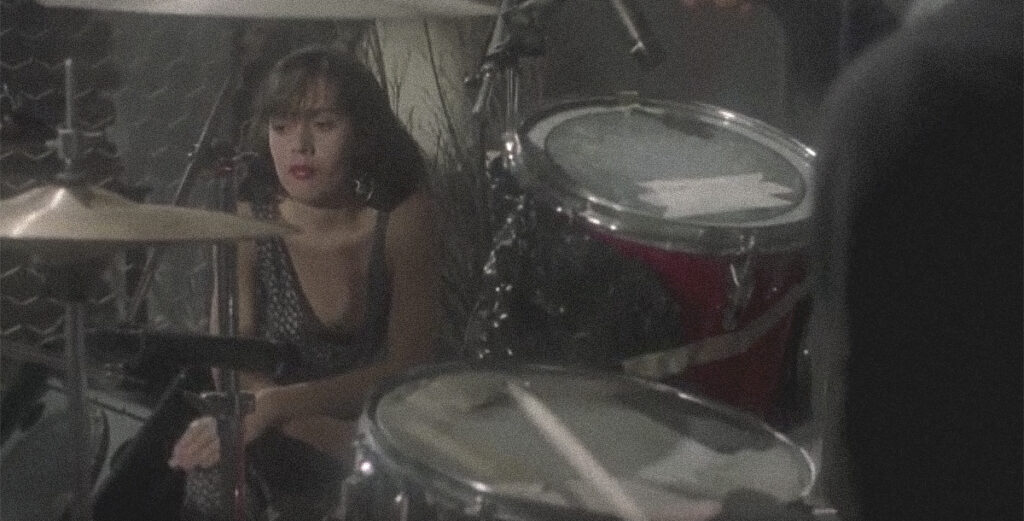
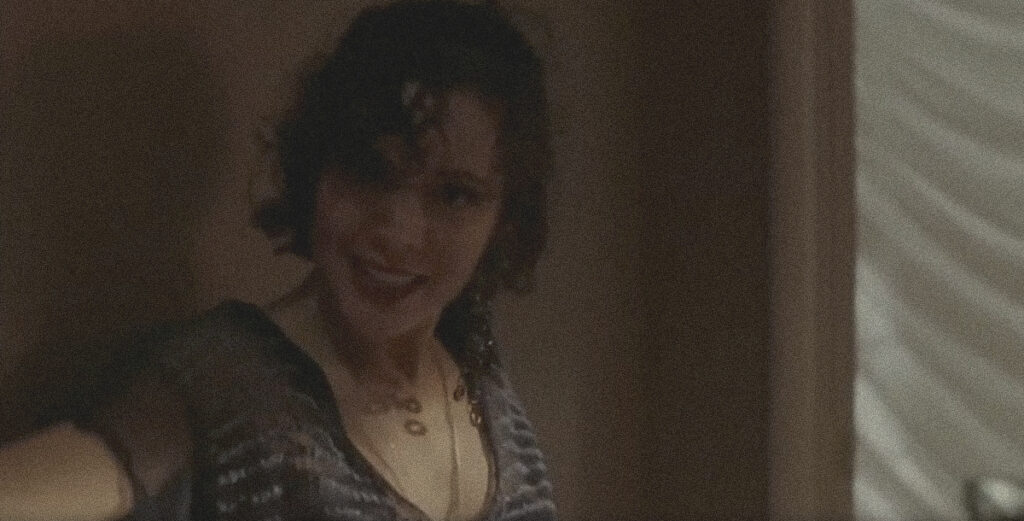
He appeared in the film City of the Blind, directed by Alberto Cortés, in 1991. The film spans several decades of urban history in Mexico City, from the 1950s to the early 1990s. The thread that weaves the stories together is space: an apartment building in the Condesa neighborhood.
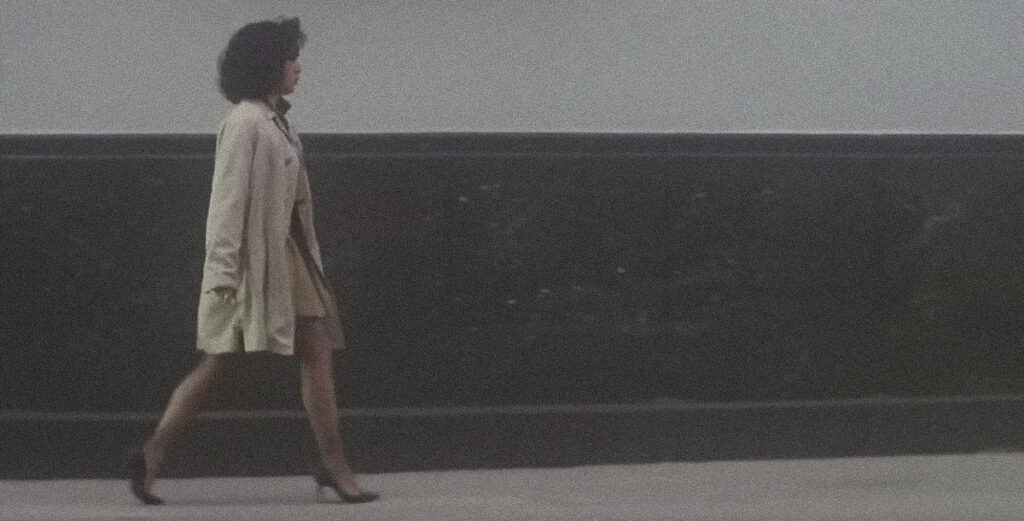
Guerrero appears in the final scene. Together with Saúl Hernández, she closes the film with the song “Foto Finish.” The sequence is charged with eroticism and rock ’n’ roll. Rita, and no one else, is the heart of the scene.
Artists in Film: Building a Community
The intersection of visual arts, literature, music, and film reveals more than just a passing curiosity. It highlights a network of ongoing collaboration within Spanish-speaking artistic communities. Painters, writers, and musicians continually find common ground.
Check out other famous collaborations in AW Magazine.
To keep exploring this thread, visit our cultural perspectives section.