When the Italian critic and theorist Ricciotto Canudo introduced the term “seventh art” in his 1911 manifesto—which gained widespread circulation in the 1920s—he defined cinema as a“plastic art in motion.” This concept integrated the six classical arts—architecture, sculpture, painting, music, poetry, and dance—along with time and movement.

In doing so, he established a connection between art and cinema that endures to this day on TikTok.
A new seminar, which began on February 21 and concludes on March 14, offers new perspectives on this discussion from a historical perspective in Mexico. The event is part of the parallel program for the exhibition *Fusiones*, presented at the Siqueiros Public Art Gallery.
The seminar explores the intersections between film and art, from the 20th century to the present day, focusing primarily on the ideas and legacy of Siqueiros, as well as the use of “montage” in both experimental film and exhibition curation.
The concept of montage encompasses both the exhibition format and the seminar. Traditionally associated with cinematic language—in particular with Sergei Eisenstein’s Soviet theories, developed in seminal works such as The Form of Cinema and The Meaning of Cinema—montage is not merely about the technical editing of images in sequence. This practice is also linked to a principle of visual thinking, a strategy of ideological construction, and a way of organizing time and space under a single logic.
Siqueiros’ Cinematic Approach to Muralism
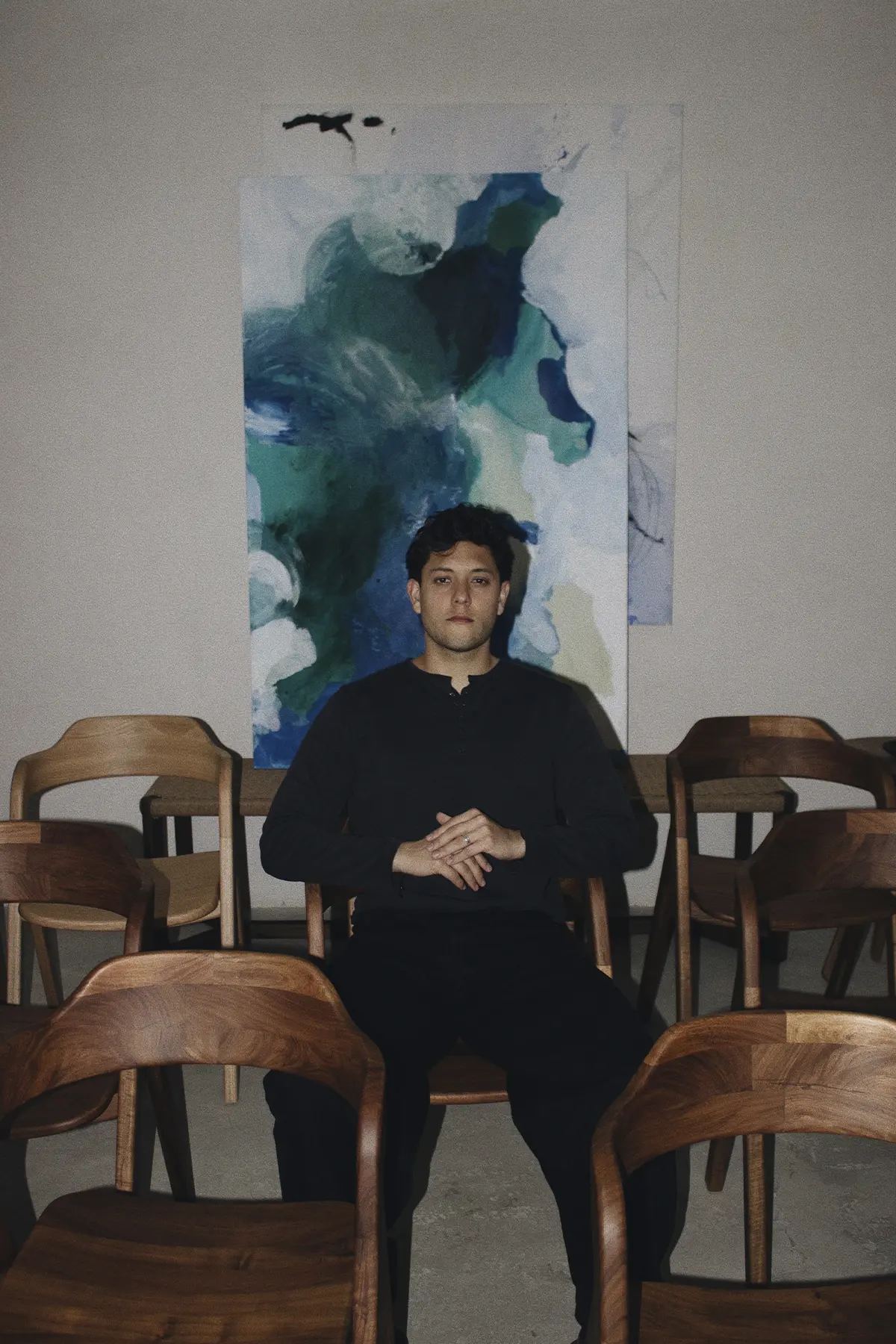
Coordinated by experts Esteban King and Rodrigo Torres, the seminar consists of four sessions. The sessions were scheduled for Saturdays, February 21 and 28, as well as March 7 and 14, from 11 a.m. to 1 p.m. Contemporary artists Daniel Monroy Cuevas and Óscar A. Acosta will participate in these sessions; their works are featured in the exhibition Fusions.
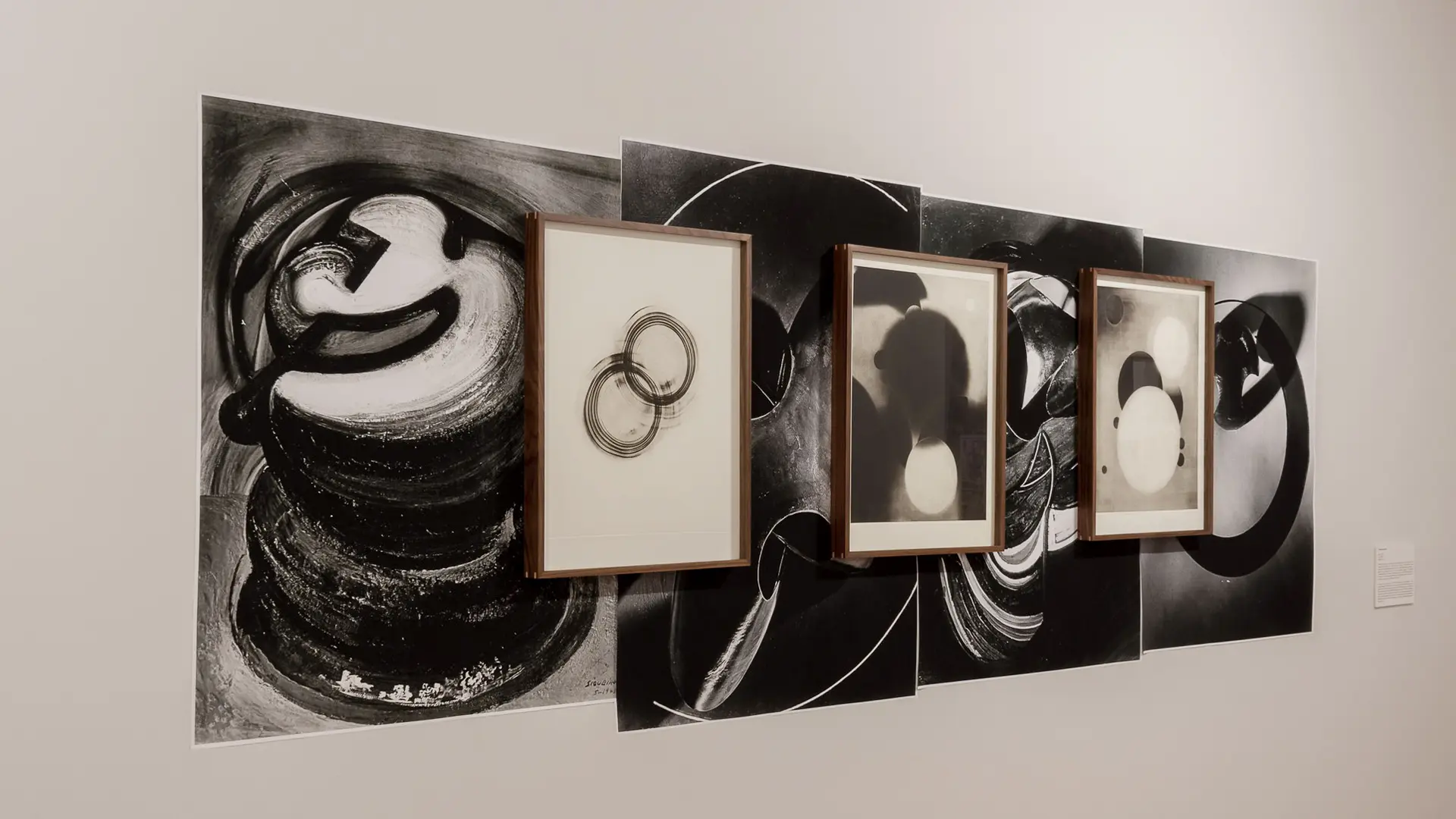
“Fusiones,” which opened last October and was curated by Esteban King himself, explores “the cinematic and multi-perspective approach to Siqueiros’ muralism, as well as his experimentation with modern visual production techniques.” According to King, from the beginning of his career, “the artist showed a marked interest in creating art in harmony with his time. All of this was in line with the technical advances of his era, establishing a link between art and science.”
Siqueiros’s Relationship with Film and Photography
The first session, titled Interdisciplinary Theories of Installation and the Exhibition Space (February 21), was led by King, who reviewed various theories regarding curation and explained the conceptual framework of the Fusions exhibition. Additionally, the activation of the work Speaking Is Also Movingby Valentina Díaz.
The second session (February 28), titled Siqueiros, Editing, and Cinematic Art, was led by the artist Paola Uribe Solórzano. The session explored Siqueiros’s relationship with cinema and photography—drawing on concepts such as “the spectator in motion” and “cinematic aesthetics”—as well as his collaboration with Josep Renau on the creation of the mural Portrait of the Bourgeoisie.

During the third session (March 7), artist Daniel Monroy Cuevas presented Dissolving Montages: Cinema and Matter, which will examine various expressions of montage in contemporary Latin American visual culture.
The exhibition spanned the history of cinema, video, and the internet. The aim was to show how these media transform public space and private time.
Reflecting on cinema as a tool for political education
The fourth session (March 14) will be led by Óscar A. Acosta, who will present the paper What Did Latin American Communists See? Film and Internationalist Activism. It will reconstruct two experiences of David Alfaro Siqueiros in 1929: his participation in the congress of the Latin American Trade Union Confederation (CSLA) in Montevideo.
In addition to his attendance at the First Latin American Conference in Buenos Aires.
“The goal will be to ‘reflect on cinema as a tool for political education, militant cohesion, and the transmission of revolutionary values in Latin America in the late 1920s,’” explains Esteban King Álvarez, the seminar’s coordinator.
Those interested can register by emailing: educacion.saps@gmail.com
More events and exhibitions in AW Magazine.
To keep exploring this thread, visit music, film and cultural stories; you can also continue through cultural agenda across Latin America and Spain.