
Sabrina Amrani opened her gallery in Madrid in 2011, and today it occupies three consecutive numbers on Sallaberry Street in Carabanchel. Its spaces host exhibitions, projects, and publications, with a program that has featured artists from Africa, the Middle East, and Asia since its inception.
Gallery Profile
Sabrina Amrani opened her gallery in Madrid in 2011, on Calle Madera in Malasaña. From there, she began working with artists from Africa, the Middle East, and Asia—origins that were uncommon at the time in Madrid’s gallery scene. Eight years later, in 2019, she opened a second 600-square-meter space at Sallaberry 50 in Carabanchel. She maintained both locations for several years before focusing her activities on the latter neighborhood.
For example, Waqas Khan (Akhtarabad, Pakistan, 1982), who trained in printmaking at the National College of Arts in Lahore, creates large-scale drawings using dots and lines drawn with a Rapidograph pen on wasli paper, which is traditionally used in miniature painting. In 2018, he participated in the first Lahore Biennale, and his work is on display at the Lahore Museum.
Alexandra Karakashian (Johannesburg, South Africa, 1988), a graduate of the University of Cape Town, uses used motor oil in some of her paintings and works on paper. Her relationship with Sabrina Amrani coincided with the years when the gallery was based in Malasaña and Carabanchel. In 2026, the gallery simultaneously dedicated the exhibitions *Closer to the Sun* in Carabanchel and *Close to Hand* on Madera Street to her.
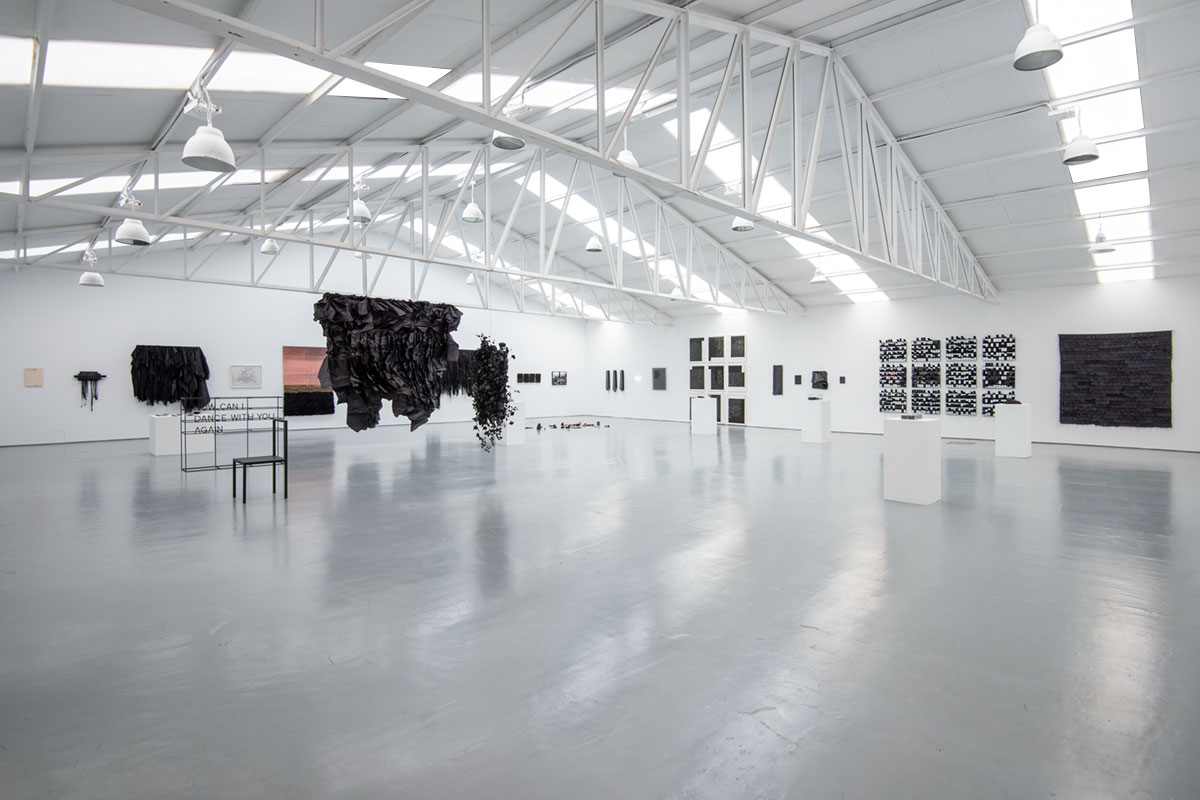
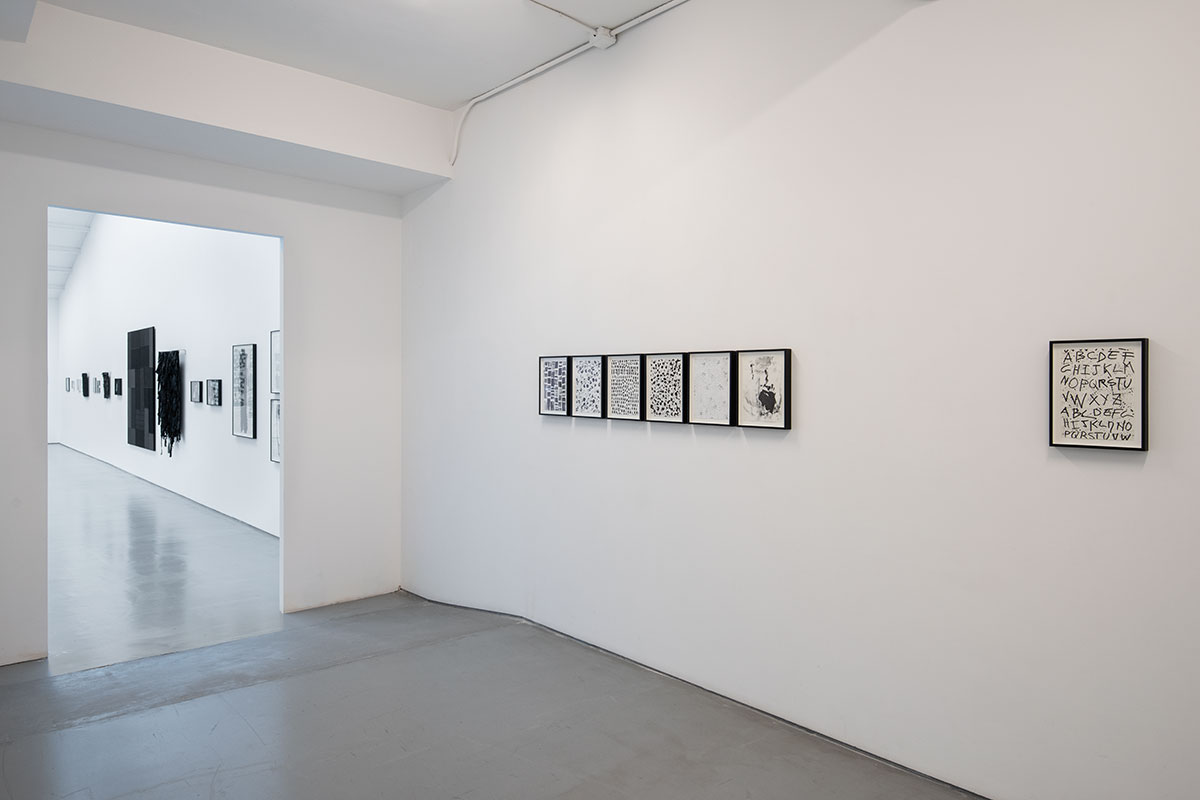
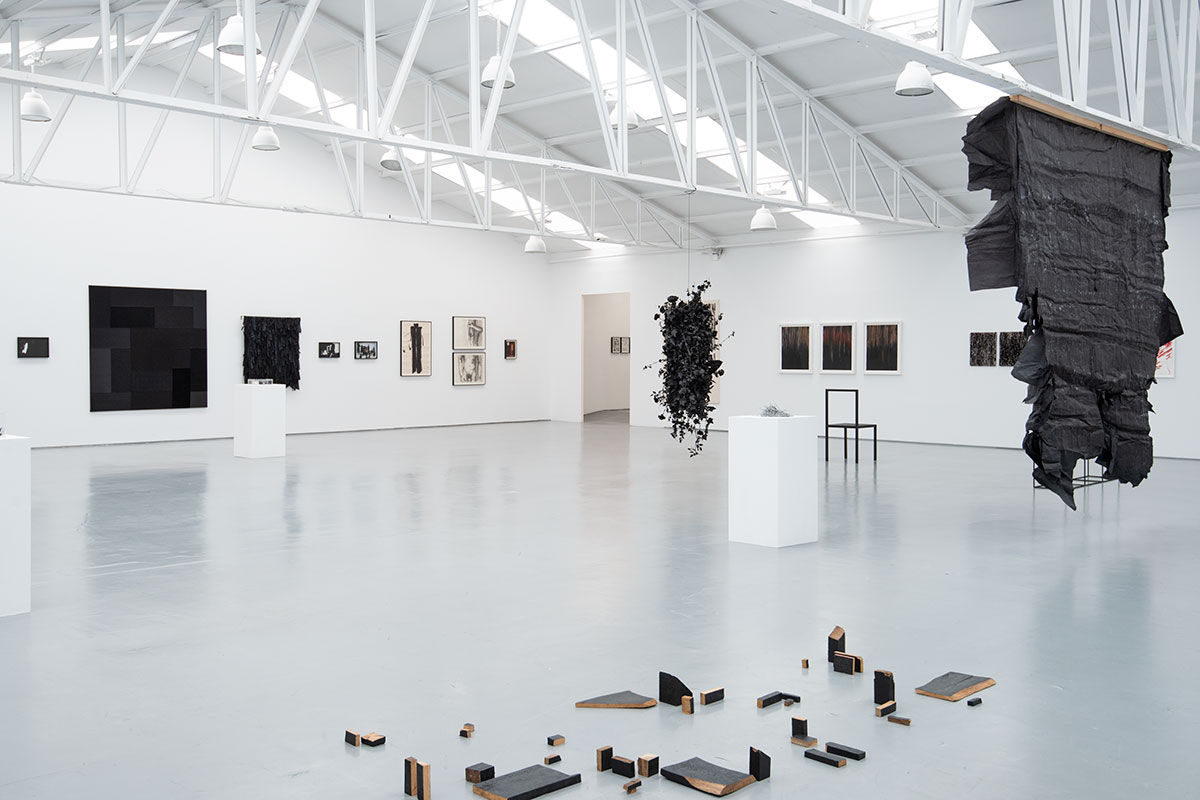
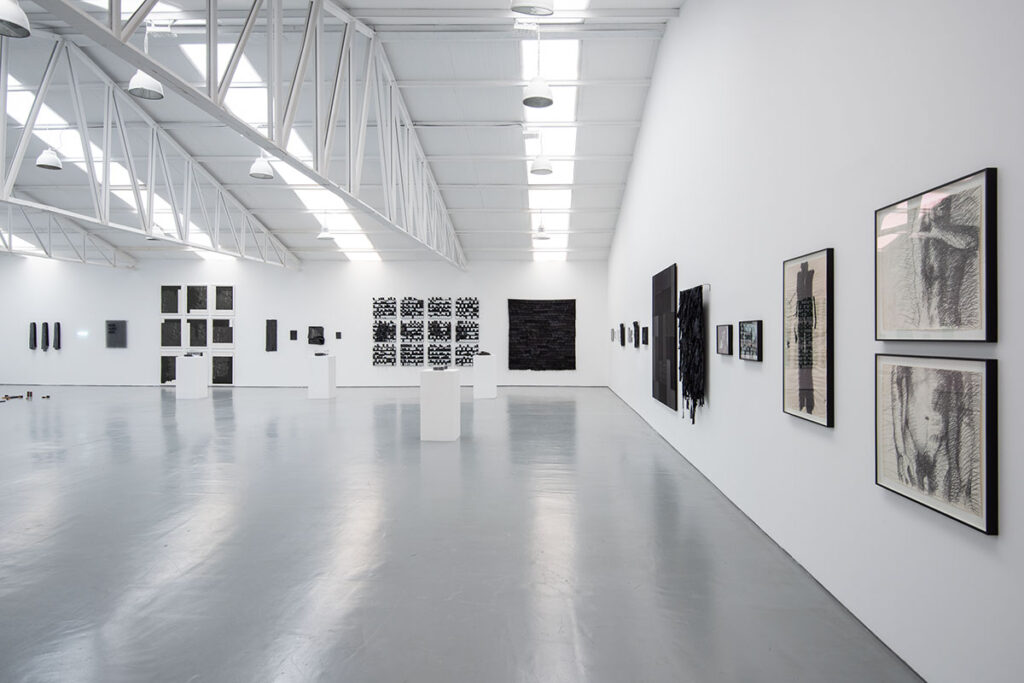
Joël Andrianomearisoa (Antananarivo, Madagascar, 1977) works with paper and textiles and has created large-scale installations. In 2019, he was the featured artist in Madagascar’s first pavilion at the Venice Biennale with *I Have Forgotten the Night*. In September 2026, Sabrina Amrani opened *I Have No Regret For The Past And This Is Not The End Of The World* at Sallaberry 50, her sixth solo exhibition with the gallery, featuring works dating from 1996 to 2026.
Months earlier, *What Silence Keeps* had brought together twelve artists at Sallaberry 52, including Khan, Karakashian, and Andrianomearisoa. Also participating were Manal AlDowayan (Dhahran, Saudi Arabia, 1973), Saudi Arabia’s representative at the 2024 Venice Biennale, and Wardha Shabbir (Lahore, Pakistan, 1987), who, like Khan, trained at the National College of Arts in Lahore.
The move to Carabanchel coincided with a new expansion. In 2026, Sabrina Amrani added Projects at Sallaberry 52 and Editions at number 54. Projects opened in September with ARCHIVO, an exhibition featuring works by Pablo Barreiro, Paloma de la Cruz, Alba Lorente, Cristina Mejías, and Claudia Pastomás, sourced from five Spanish galleries.
Program
Why Go
The main reason to visit Sabrina Amrani right now is Joël Andrianomearisoa (Antananarivo, Madagascar, 1977), an artist with whom the gallery has maintained an ongoing relationship and to whom it is dedicating its sixth solo exhibition. Trained in architecture at the École Spéciale d’Architecture in Paris, Andrianomearisoa has been working with the gallery for over a decade.
His career trajectory illustrates the scope that his work has attained. In 2019, he presented *I Have Forgotten the Night* at Madagascar’s first pavilion at the Venice Biennale. His works have been acquired by collections such as that of the Metropolitan Museum of Art in New York, and in 2026 he is one of the four nominees for the Marcel Duchamp Prize.
The exhibition in Madrid coincides precisely with that nomination. On October 2, the exhibition featuring the four finalists for the Marcel Duchamp Prize opens at the Musée d’Art Moderne in Paris, while *I Have No Regret For The Past And This Is Not The End Of The World* remains on view at Sabrina Amrani. Madrid thus offers the opportunity to see a solo exhibition by the artist in the very same fall that he is presenting his work in Paris.
What to Expect
At Sallaberry 50, *I Have No Regret For The Past And This Is Not The End Of The World* brings together works by Joël Andrianomearisoa dating from 1996 to 2026. Among the earliest are ink drawings on paper measuring 29.7 × 21 centimeters. *After Time Desired*, from 2017, measures 176 × 324 centimeters, while *Labyrinth of Passions (Tower-edition) II*, created a year later using tissue paper and wood, measures three meters in height, width, and depth. The exhibition also includes works created in 2026.
In the adjacent space, Sallaberry 52, ARCHIVO is launching Sabrina Amrani Projects with five artists from five different Spanish galleries, curated by Álvaro Conde Bravo.
Pablo Barreiro (Meaño, Pontevedra, 1982), represented by Nordés, usually works with ceramics, although here he is exhibiting concrete pieces created in 2023 and 2024. Paloma de la Cruz (Málaga), represented by T20, works with ceramic techniques. Alba Lorente (Zaragoza, 1994), represented by Arniches, directly alters surfaces by cutting and removing layers; at ARCHIVO, she exhibits, among other works, (Paréntesis) from 2026, created with Chinese ink on cardboard.
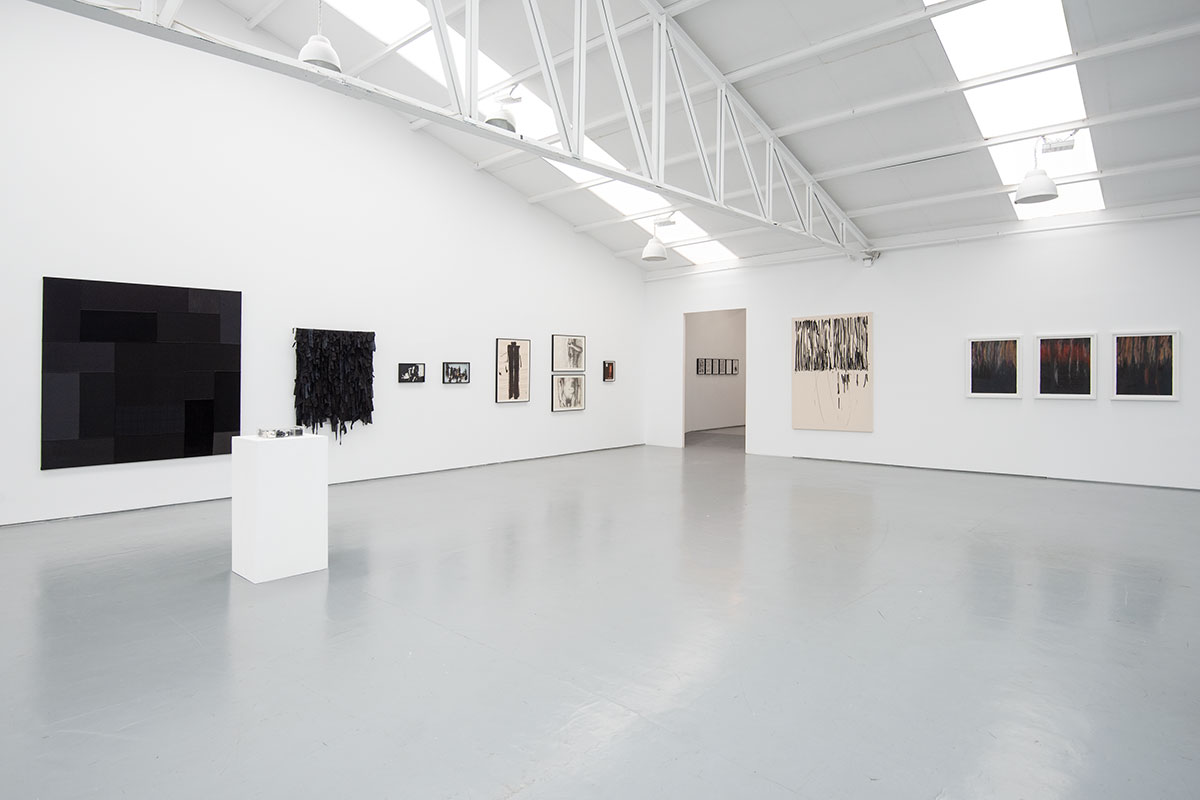
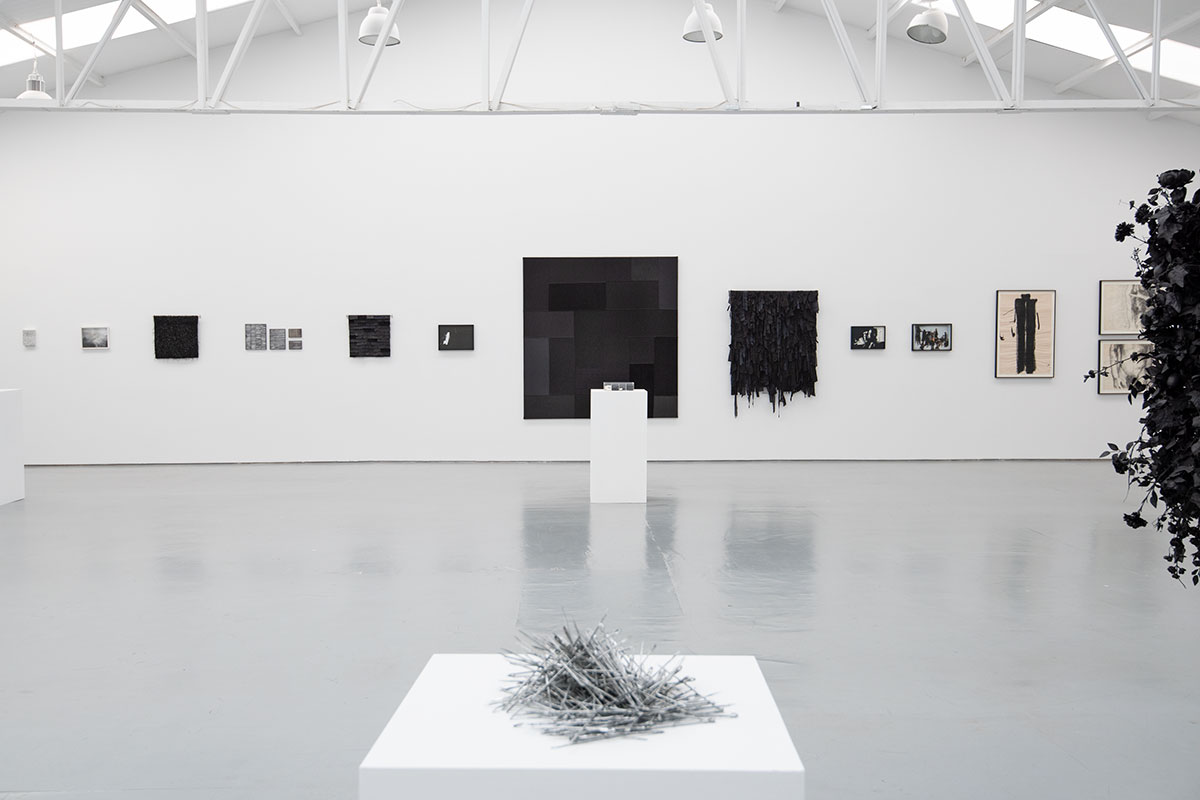
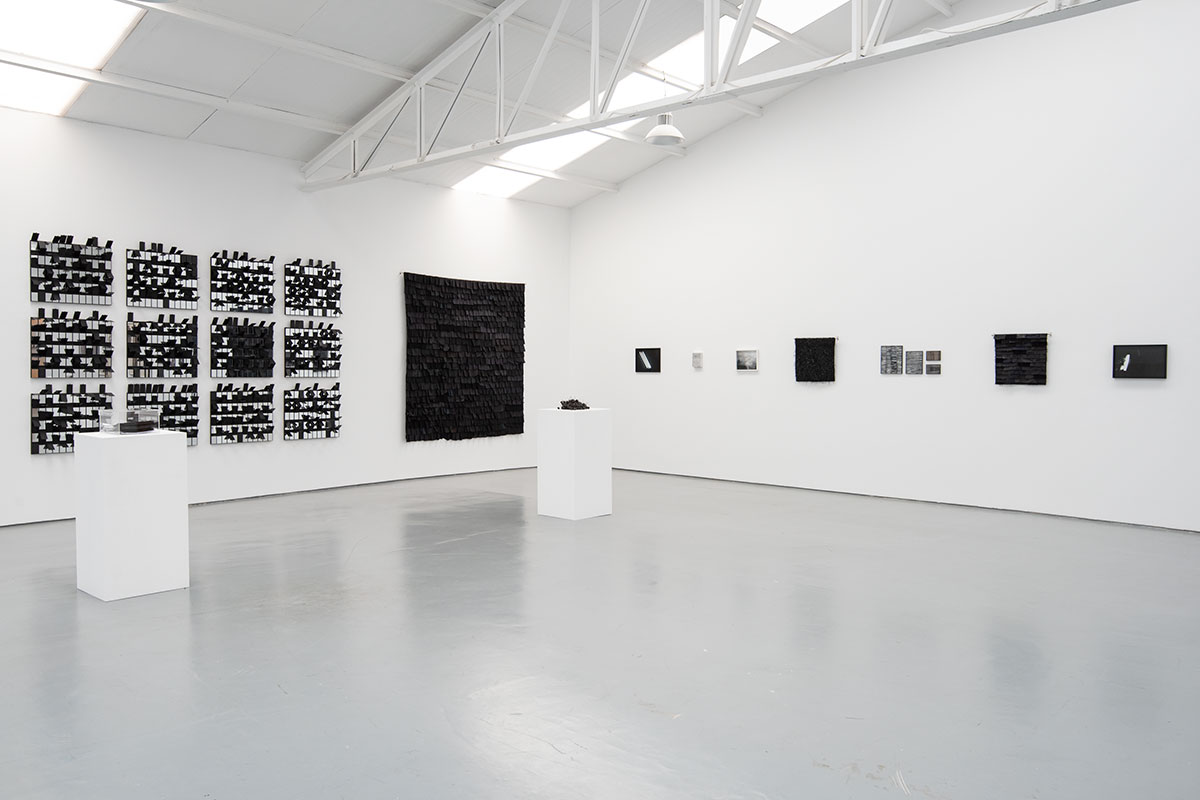
Cristina Mejías (Jerez de la Frontera, 1986), from Alarcón Criado, presents *Lengua en coro III*(2026), an installation in which water circulates through a hydraulic system. Claudia Pastomás (Valencia, 1998), represented by Vangar and connected since her training to a former family-run cabinetmaking workshop, presents *Una lija de agua 01* and *02*, two works from 2025 made with assembled wooden panels, graphite, and varnish.
What to Do Nearby
The gardens of the palaces at the Vista Alegre Estate allow visitors to continue their tour of Carabanchel and explore one of the district’s great historic sites. The estate dates back to the 19th century, when it became a recreational retreat for Madrid’s high society and, later, the residence of María Cristina de Borbón and the Marquis of Salamanca. From that period, the palaces, gardens, and structures related to water supply and distribution have been preserved.
The tour takes visitors through the Old Palace and the New Palace, as well as along the estuary, past the fountains, and other hydraulic structures that were once part of the estate. After decades of being used primarily for institutional purposes and having restricted access, the opening of the gardens has restored to the neighborhood a site that had long been off the beaten path in Madrid. Admission is free.
When it comes to dining, La Casa de los Minutejos is one of Carabanchel’s classic spots. It opened in 1967 and still offers a specialty that explains its name: small sandwiches made with grilled pig’s ears, served with a slightly spicy sauce. It’s one of those bars whose fame has spread far beyond the neighborhood’s borders without losing its character as a popular eatery.
To wrap up the book section, Librería Derivas, located at Jacinto Verdaguer 17, is an independent neighborhood bookstore that showcases small publishers and titles that stand out from the more predictable new releases. It’s a great final stop after visiting the galleries and allows you to round out your tour of Carabanchel without heading straight back to the center of Madrid.

