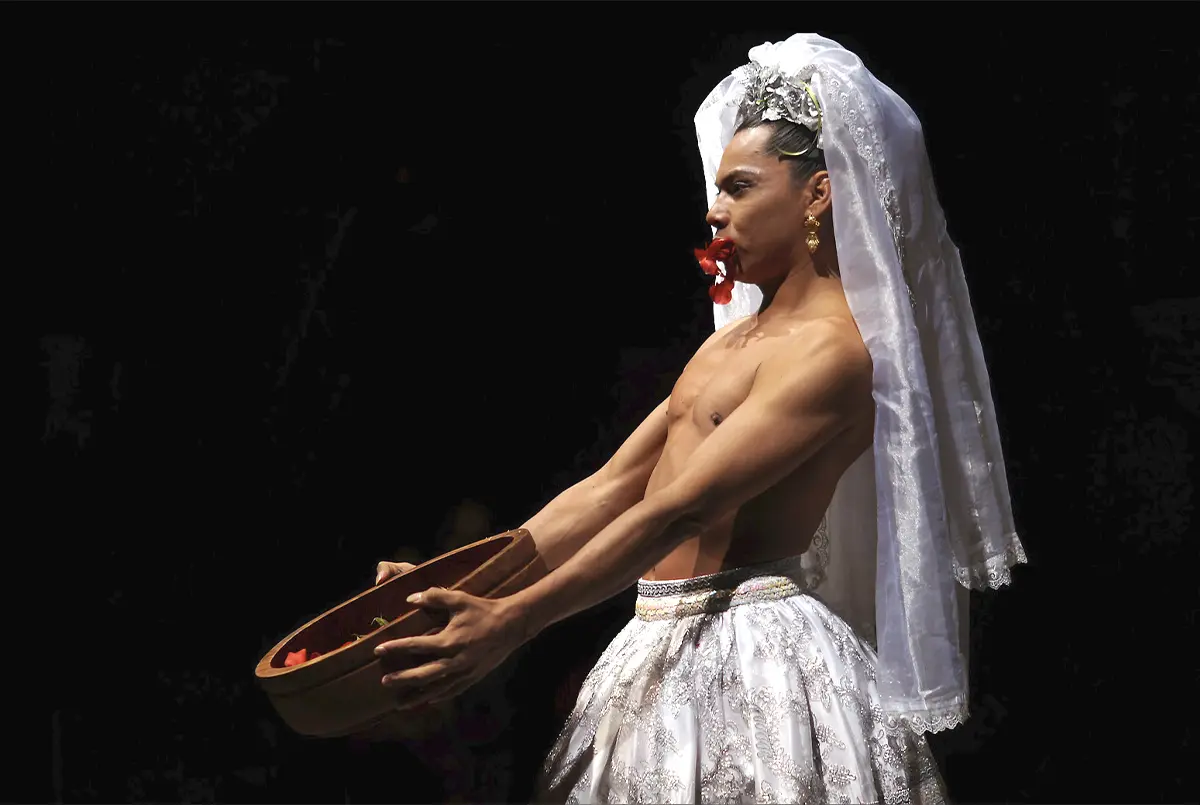
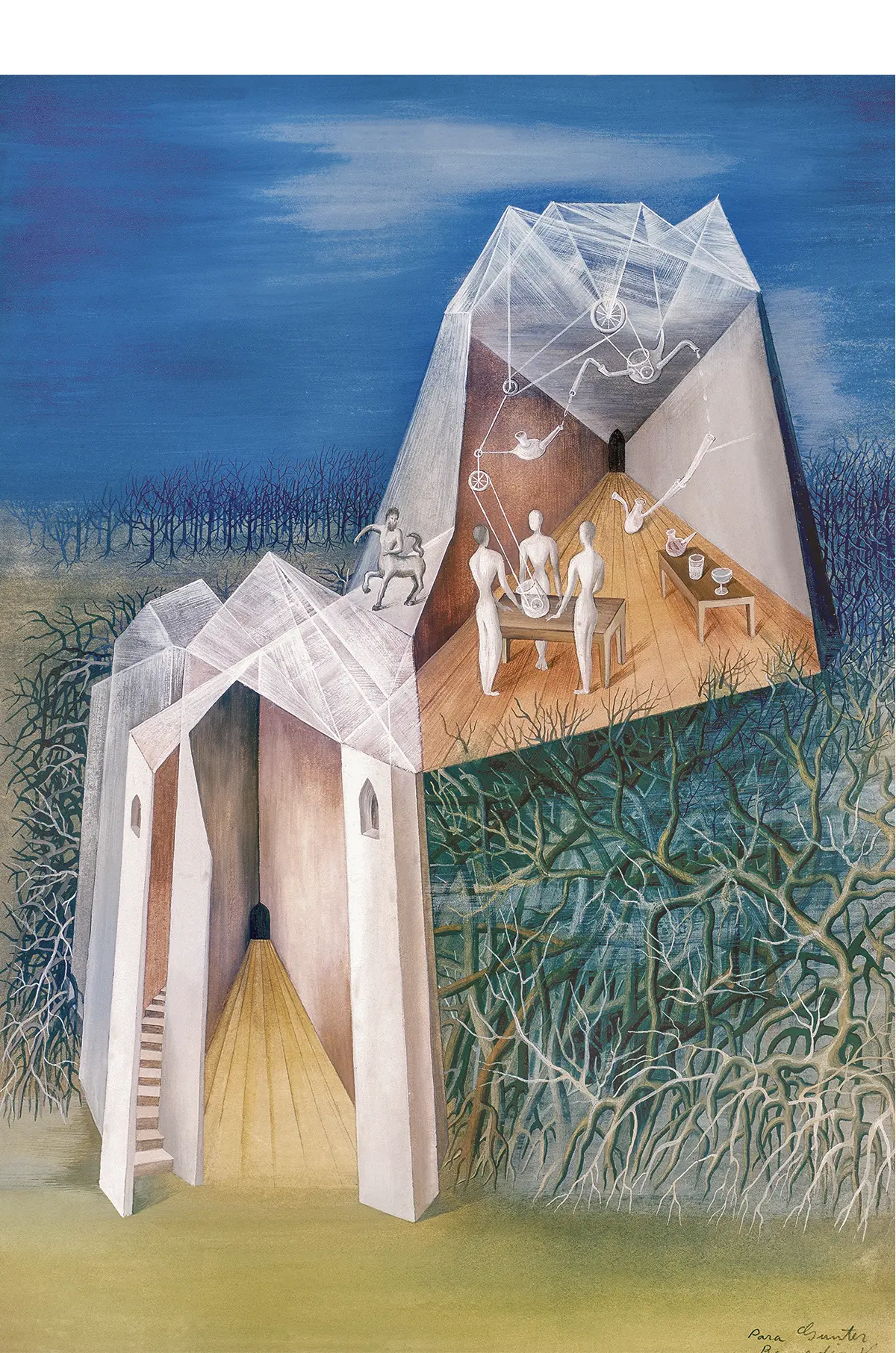
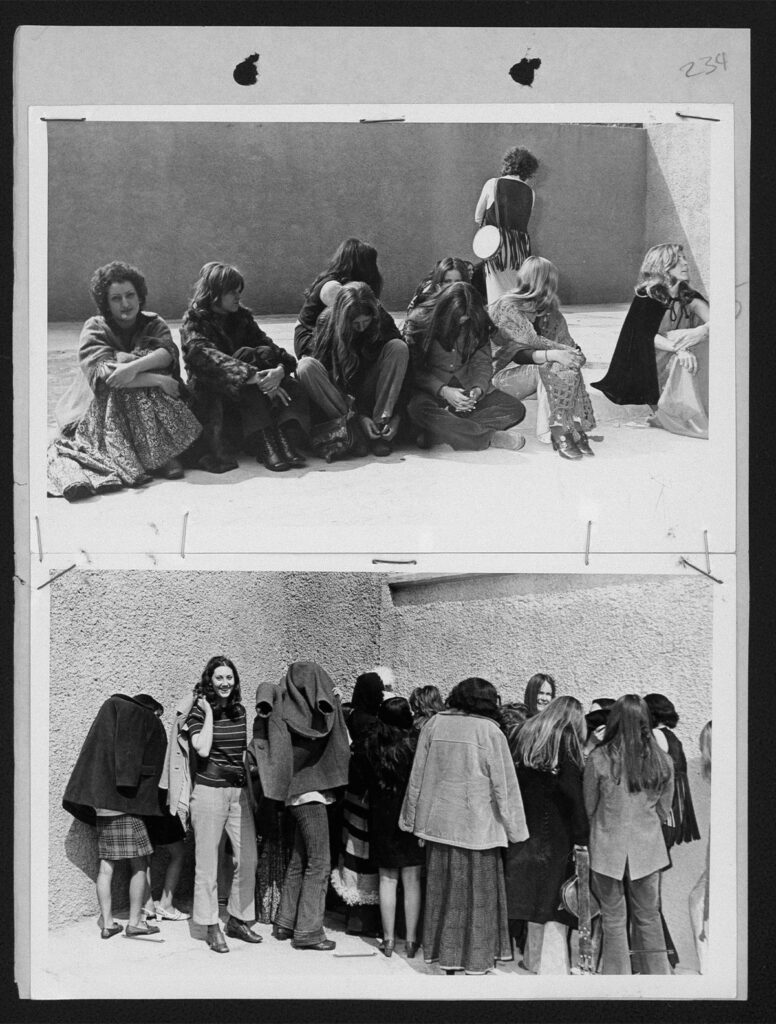
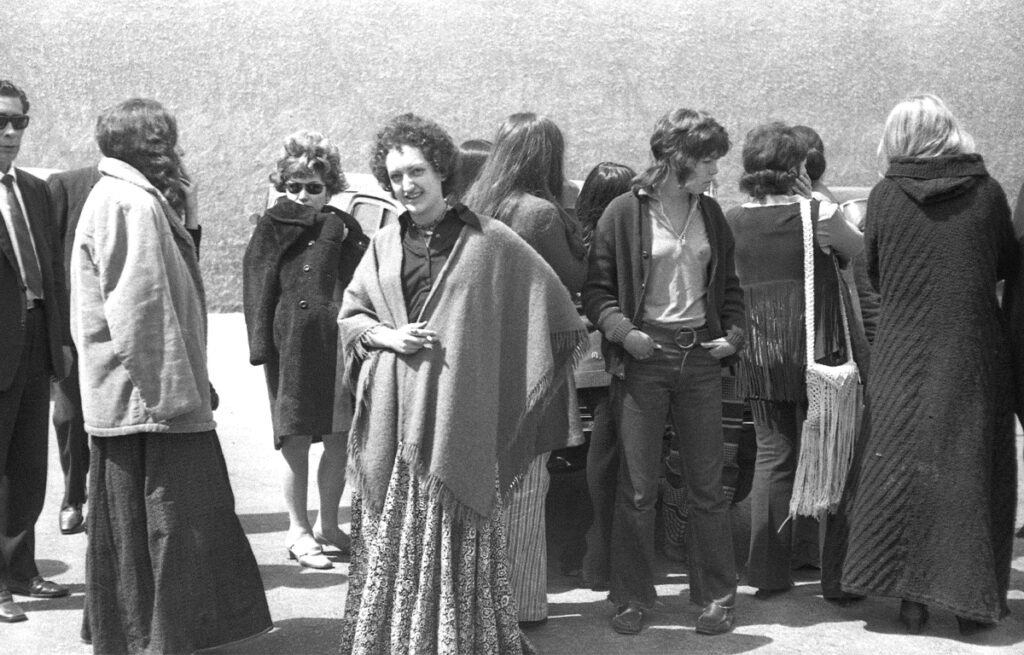
Raid on a Hippie Party depicts one of the most unusual episodes in Mexican counterculture. In the early 1970s, a party attended by more than 140 young people—artists, filmmakers, and children of the capital’s jet-set families—in the Lomas de Chapultepec neighborhood ended with a violent, gun-wielding police raid led by a sinister figure known as “El Negro” Durazo.
The press at the time described it as a “satanic hippie orgy,” turning the party organized by brothers José Toribio and Manuel Esquivel Obregón Moreno—in their parents’ absence—into one of the country’s most surreal episodes of moral repression and authoritarianism. It was an event in which the artistic community of the time was involved in a manner that was as incidental as it was chaotic.

“My dog destroyed my coffee maker, and I’m heating up the coffee in the microwave, but it’s a hassle. Give me a minute,” Rafael Cabrera tells me.
It’s rare to interview a journalist who has spent much of his life on the other side of the microphone. And even more so when it comes to the investigative reporter who broke the White House case—the scandal involving Mexico’s then-first lady, Angélica Rivera, two presidential terms ago.
Now, Cabrera has just published *Raid on a Hippie Party* (Penguin Random House, 2026), a revealing account of that 1970s party—one of the strangest episodes in contemporary Mexican life.
A story as surreal as one of the films by Chilean director Alejandro Jodorowsky, who, incidentally, is one of the book’s central characters.
It all began a few years ago when the journalist requested a copy of the file on the years the director spent in Mexico from the National Archives.
“When Batman’s parents are killed, the Passion of Christ, Colosio’s assassination, Superman’s arrival on Earth… all that doesn’t need to be retold. What a drag,” he explains to me about the reasons behind his new book.
Personally, the first thing that caught my attention about the book was rediscovering certain characters I’d had a completely different impression of. For example, I could have sworn that Jodorowsky himself was a crazy, unhinged maniac, but it turned out he was a calm guy who didn’t even know why he’d ended up at that party.
Years later, Jodorowsky would tell GQ magazine that the CIA had orchestrated the raid. He was always very good at stirring things up, even though when it came down to it, he turned out to be a very conventional guy. Now we understand why he turned 97 in 2026.
For years I thought that movies like *El Topo* or *The Holy Mountain* could only be understood by a junkie in the middle of a trip. The book helped me discover a completely different Jodorowsky. Now I know that Jodorowsky was, let’s say, the art dealer: he supplied the product. Film, in this case. There was indeed LSD and other drugs at the party, and the authorities planted other evidence as well, but Jodorowsky was the most innocent party in the whole affair.
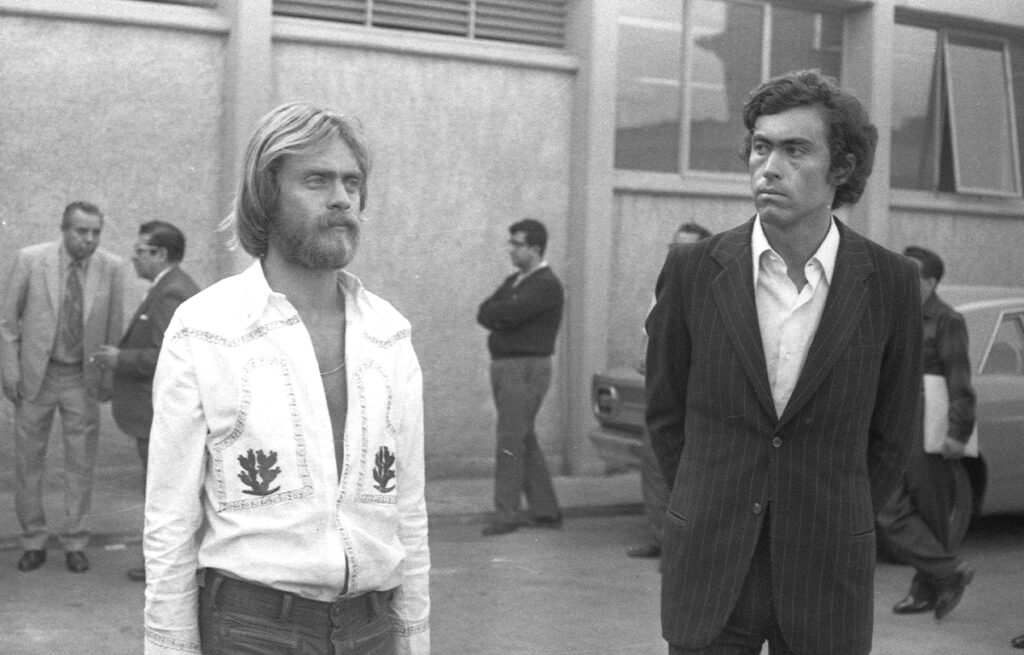
“The media coverage of the party was clearly sensationalist. Jodorowsky is the most obvious example: they portray him as if he were Charles Manson, the cult leader of that night.”
“Jodorowsky could have had the privilege of being helped out of jail with the assistance offered by Jacobo Zabludovsky—the influential news anchor of the time—but he rose to the occasion and stood by everyone,” he says. The journalist explains to me the difficulties he faced in tracking him down. “Everyone wanted to kill me. Two thousand people protested in front of the Basilica of Guadalupe, saying I was like Manson,” the filmmaker and psychomagician told Vice in 2009 about those years.
After searching for him unsuccessfully through his son Adán and contacts at Penguin Random House in Paris—where he even sent letters to his home address and called French phone numbers without receiving a response— Cabrera chose to counterbalance his silence with the testimonies of actor Pepe Alonso and others who were with him during the hours of his arrest.
“In his investigation, he discovered a vulnerable man who was genuinely concerned about his family—not the pervert organizing a satanic orgy in Las Lomas. In fact, he took a strong anti-drug stance. He was very disciplined.” For Cabrera, closely examining these media prejudices allows him to dismantle the labels of “perverts” or “degenerates” imposed by the era, portraying in his reporting complex and essentially free individuals.
On the other hand, when the topic of Isela Vega—who passed away in 2021—came up, the grand dame of Mexican cinema and one of the most famous sex symbols of that decade, Cabrera tells me that she reacted with exactly the intensity one would expect from such a fiery character as she was when the police burst into the party.
“I thought his son was going to get mad, like, ‘Hey, you made my mom look really rude and violent.’ But he said no, that’s just how his mother was.” The author sees her as a citizen standing up for her rights in the face of injustice.
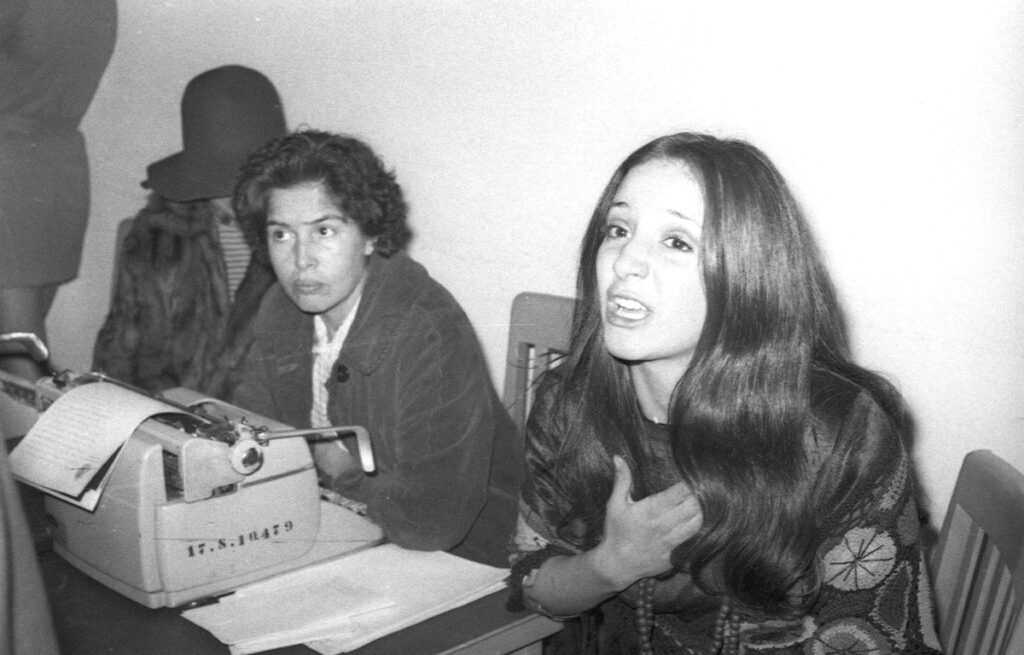
Rafael Cabrera interviewed as many of those involved as he could track down more than half a century after the controversial raid. He even found the party’s organizer, leaving several letters at his home until he finally convinced him to tell the story—a story that, incidentally, had never been told before.
The book also debunks the image of other figures. We discover in its pages, for example, that Héctor Bonilla was far from the stereotype of the party-loving actor. “He was more the type to go home, have a little tequila on the couch, and fall asleep right there,” the author recounts.
The texts in the archive allowed him to explore, in particular, other attendees that night, such as Arturo Vega and Olga Breeskin. Regarding Vega—whose aesthetic is commonly associated with David Bowie’s due to his style of dress—Cabrera confesses that a darker reference was always present in his mind: the iconic scene of Buffalo Bill in *The Silence of the Lambs* as he dances to the song “Goodbye Horses”.
In the case of Olga Breeskin, the process involved delving into her past interviews to understand a complex spiral of addiction, abuse, and her subsequent decline while living in her car in Las Vegas. Unraveling the complexity of these characters was what ultimately gave the journalist the answer to the book’s structure.

Cabrera asks me again to wait a moment: “Sorry, I’m just making some chicken broth for my dogs. I’m cooking the vegetables over there. And it was time to add some more.”
After finishing the dog dinner, we picked up the thread on how he organized the raid, particularly through figures such as the one he refers to as the “drummer boy”—a member of the psychedelic band that was providing entertainment at the party—a teenager, the only minor present, who could well have embodied the rebellious spirit of the era, but who was there by chance, completely unaware of what the word “raid” even meant.
With the intention of having the reader view the chronicle almost as a somewhat noir series, Cabrera chose to break the fourth wall through personal comments that foster a sense of complicity in the face of the absurdities published by the sensationalist newspapers of the time, deliberately steering clear of the solemnity of the reporter’s craft. “I didn’t want it to be like, all of a sudden, when we want to write… you get all solemn, all serious, right? Like, ‘Oh, beauty and bullshit,’” he confesses.
The story of Raid on a Hippie Party is absurd or full of, as the press unfairly put it, “indecent people looking for sex on the street”—a narrative that was not foreign to the author, coupled with the pleasure of telling a story well, that “inner fire of discovery.” Although the raid in Las Lomas lasted barely a couple of hours, the real challenge was to follow the trail of “a snowball that grew until it unleashed long-term consequences, cementing crucial historical connections,” he reveals.

Cabrera highlights the conceptual parallels he found with events such as the historic “raid on the 41 fags,” which was recently immortalized as a Netflix film titled *El baile de los 41*, or the context of the Avándaro rock festival, noting that designer Arturo Vega’s subsequent connection with the band The Ramones represents one of the book’s most notable links.
And while it may not have been a direct consequence of the raid, the event set off a sort of domino effect that changed entire lives: from Vega de México’s permanent exile to drastic personal decisions, such as that of “Loco” Valdés’s son, who attended without his girlfriend and ended up marrying her shortly afterward… thanks to the fact that she didn’t go and didn’t have to go through everything they went through.
“There’s this stigma that investigative journalism has to be about politics, drug cartels, audits, and all these ugly, boring things. Yeah, I did *La Casa Blanca* and all that, and it was really cool, but right after that I went through a sort of personal crisis. I don’t want to spend my whole life talking about politicians and stuff like that. That’s why I put this book together like a mystery movie where you piece things together and figure out the plot.” He concludes. His dogs are barking—maybe they want dessert.
Discover more stories and interviews about literature in AW Magazine