As a child, César Rodríguez would accompany his father, a veterinarian, on his rounds through rural communities in his native Nayarit. He would watch him vaccinate cattle, travel through ranches and villages, and even go out to hunt bats. His grandfather, who worked at what was then the National Institute for Indigenous Affairs (INI), also took him to spend time with communities in the mountains.
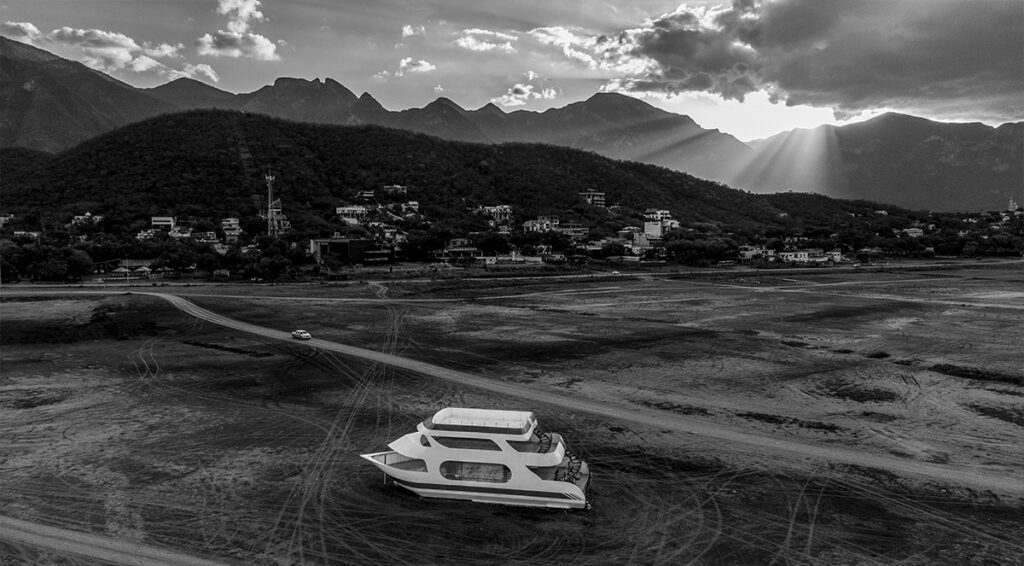
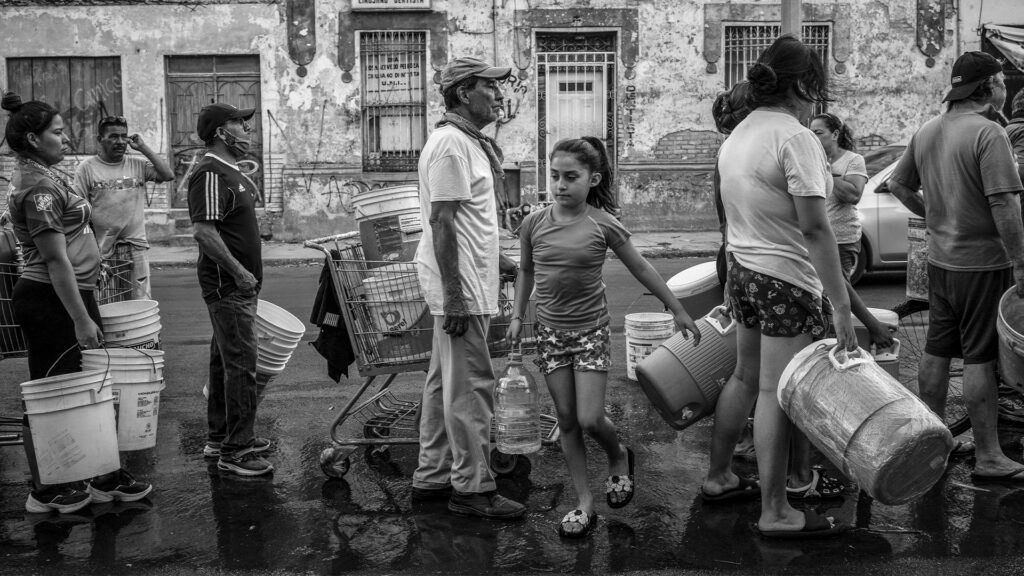
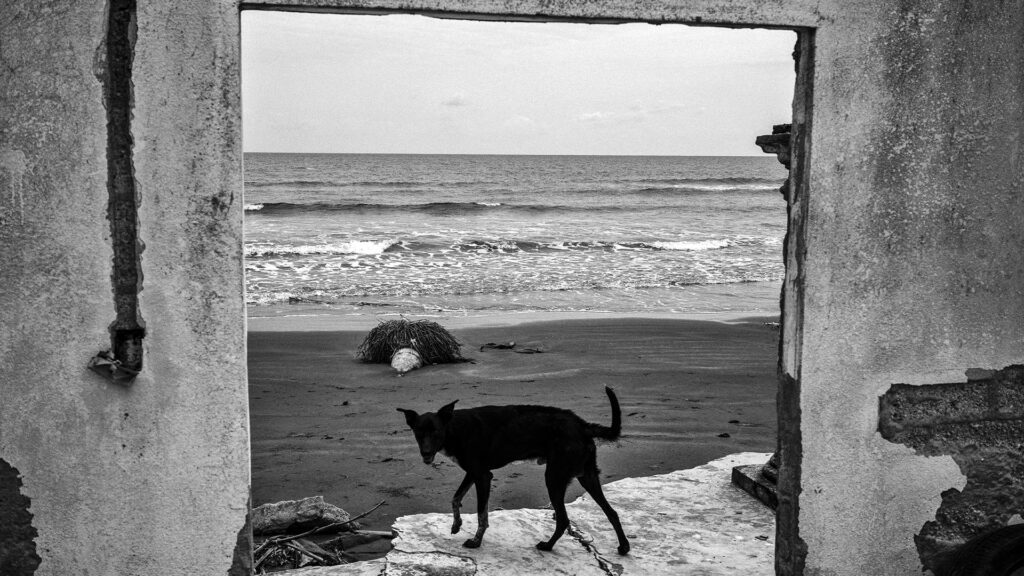
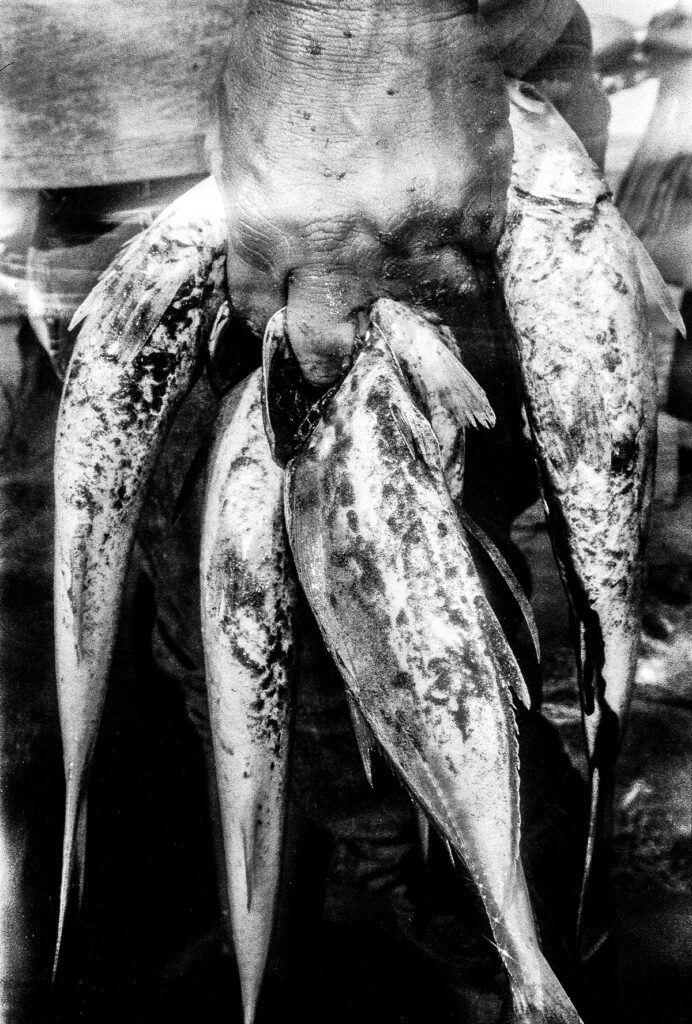
Those trips shaped the way he viewed the region and made him feel comfortable exploring Mexico from a very young age. Many years later, that closeness to the communities would come to be reflected in his documentary work, a career that in 2026 was recognized with the World Press Photo award in the Long-Term Projects category (North America region). Mexico, a Changing Climate is a series that captures the profound impact of climate change on various communities across the country.
I know this isn’t the first award you’ve received, but is this one—the World Press Photo—more meaningful to you?
For those of us who do documentary photography and photojournalism, it’s very iconic, and winning it—well, it really was a goal, something I’d been aiming for. Especially because it’s an award that tells you you’re on the right track. But ultimately, it doesn’t end here; it’s about continuing to take photos, continuing to document.
Has coming from a place like Tepic, Nayarit, been a defining factor in your work?
Well, I think so; I’m from Tepic, Nayarit, and I’ve lived there almost my whole life. But now I live in Xalisco—Xalisco with an “X”—in Nayarit, which is right next to Tepic. And those trips also shape me, don’t they? Having these memories of towns or places like that—in the mountains, in the villages—makes me feel very comfortable with the portraits I take. I always try to capture what I see.
What pop culture do you consume?
I read a lot of science fiction. Reading shapes the way you think by taking mental snapshots. So often, what you imagine is what you’re looking for; the images you’ve read about are the ones you’re looking for.
How can you avoid taking a very obvious or cliché photo?
Sometimes I feel like the balance works well. Something that might not be so obvious—an image that makes you wonder what’s happening, why this happened. Combining these thought-provoking images—the ones that make you question things—with more obvious ones works really well for projects, because while the obvious ones are more direct and very clear, the others help you pause and take a breather as you go through the project.

And the issue of climate change, global warming, and all that—I imagine that was already on your mind, wasn’t it?
Well, actually, this project began as a commission from the Norwegian Red Cross. They sent me to Tabasco to take photos. I was there for about 10 days taking photos, and that’s when my interest really took off. From that point on, I was really struck by how the sea was encroaching, so I started doing my own research and visiting communities and places on my own, without any specific assignment.

And how much research did you do beforehand, or how much did you discover along the way while taking the photos?
You need to keep yourself informed about what’s going on, but you also shouldn’t go in with preconceived notions, because often what you thought you knew isn’t true, or it’s different, or it has already changed. You have to go in with an open mind, willing to change your plans.
And I also know you’ve made photo books, right? It’s a format that, despite digitization, refuses to go away.
Yeah, yeah, actually I’m working on three books—three photo books—but it was also partly because of what you mentioned. I recently read a book called *No-Things: The Collapse of Today’s World* by Byung-Chul Han, and it talks about that.
“Nowadays, most of the things we use are really ‘non-things.’ Images are data, just like text. They aren’t physical; the tangible is disappearing—even writing, because everything is done on a keyboard now. That really struck a chord with me.”
What do you think is the current state of photography as an art form, given the rise of digital media, artificial intelligence, and all that?
I believe that photography is photography and isn’t art per se.It seems to me that photography has its own niche and its own subject matter. Now, with digital technology and artificial intelligence, it’s often hard to tell what’s real and what’s fake. I think it’s very important for photographers to become more professional and work harder to do a good job so that AI doesn’t outdo us.
More articles on art and photography in AW Magazine.