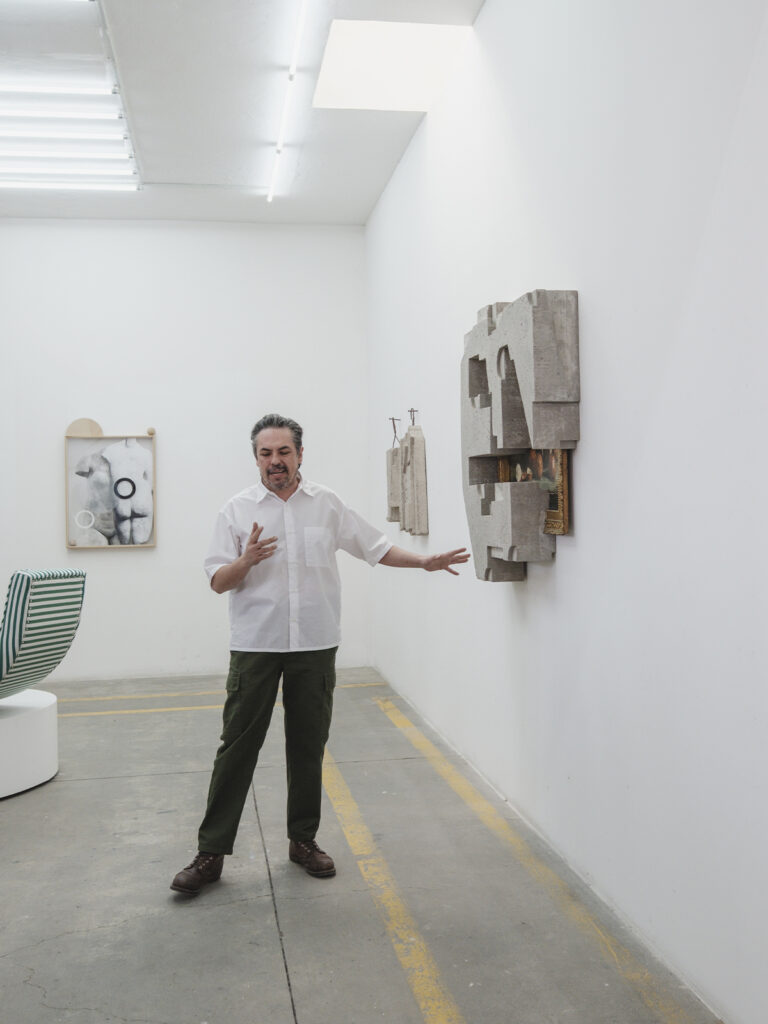
CURRO is one of the galleries that shifted the center of gravity of Mexican contemporary art away from the capital. From its location in Santa Teresita, Guadalajara, it has developed a program focused on installation, photography, sculpture, video, and the ways in which a work can spark a conversation about the meaning of art.
Gallery Profile
CURRO was founded in a city that long had to fight for its place in the face of cultural centralism. Founded in late 2008 as Curro & Poncho and established as CURRO in 2013, the gallery has built its identity from outside the center, but not on the margins of the conversation. Its location in Santa Teresita reinforces that reality. This is not a gallery encapsulated in a neutral zone, but rather a space that coexists with a vibrant neighborhood and new cultural initiatives that are attuned to the horizon ahead (trends have always arrived before the margins).
Its program brings together diverse practices that are not always easy to categorize. Some artists work with images and photography; others with installation, objects, sculpture, video, landscape, archives, or language. This variety does not feel scattered when viewed as a whole. CURRO seems to be interested in works that treat space as a problem, not merely as a container.
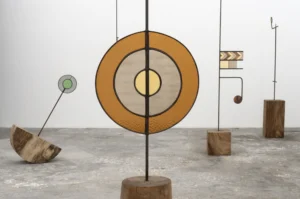
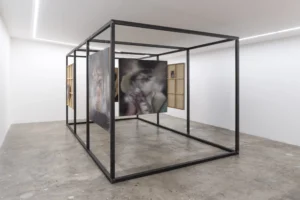
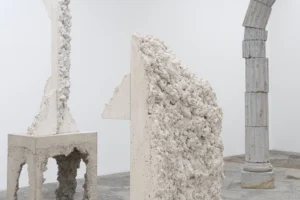
The gallery has also successfully expanded its reach. Its track record at art fairs includes ZONAMACO, Untitled Art Fair, Estación Material, Independent, The Armory Show, EXPO CHICAGO, NADA New York, Art Basel Miami Beach, Artissima, and ARTBO. This global presence helps reinforce its position; the gallery did not settle for being merely “local,” yet it also did not need to erase its roots to make its mark on the international scene.
Curro Borrego is a gallery owner attuned to shifts in scale. ART WKND Guadalajara, relationships with collectors, market pressures, the place of painting, and the need to continue championing less conventional practices. His comment on taking risks functions almost as a statement of principles: to lead a discourse, the gallery must also embrace territories that are not always comfortable.
"If we want to lead the conversation, we have to take risks that don't always make us feel comfortable."— CURRO BORREGO, Founder of Galería CURRO, in an interview with Art Weekends
CURRO has embraced that discomfort for nearly two decades. It doesn't just showcase artists. It also makes a significant effort to help create the conditions for Guadalajara to have a scene with its own identity. In that sense, the gallery has helped shake up the map of Mexican contemporary art but rejects the idea that it is a matter of regionalism or locality.
To keep exploring this thread, visit contemporary art from Latin America; you can also continue through the galleries setting the agenda.
Program
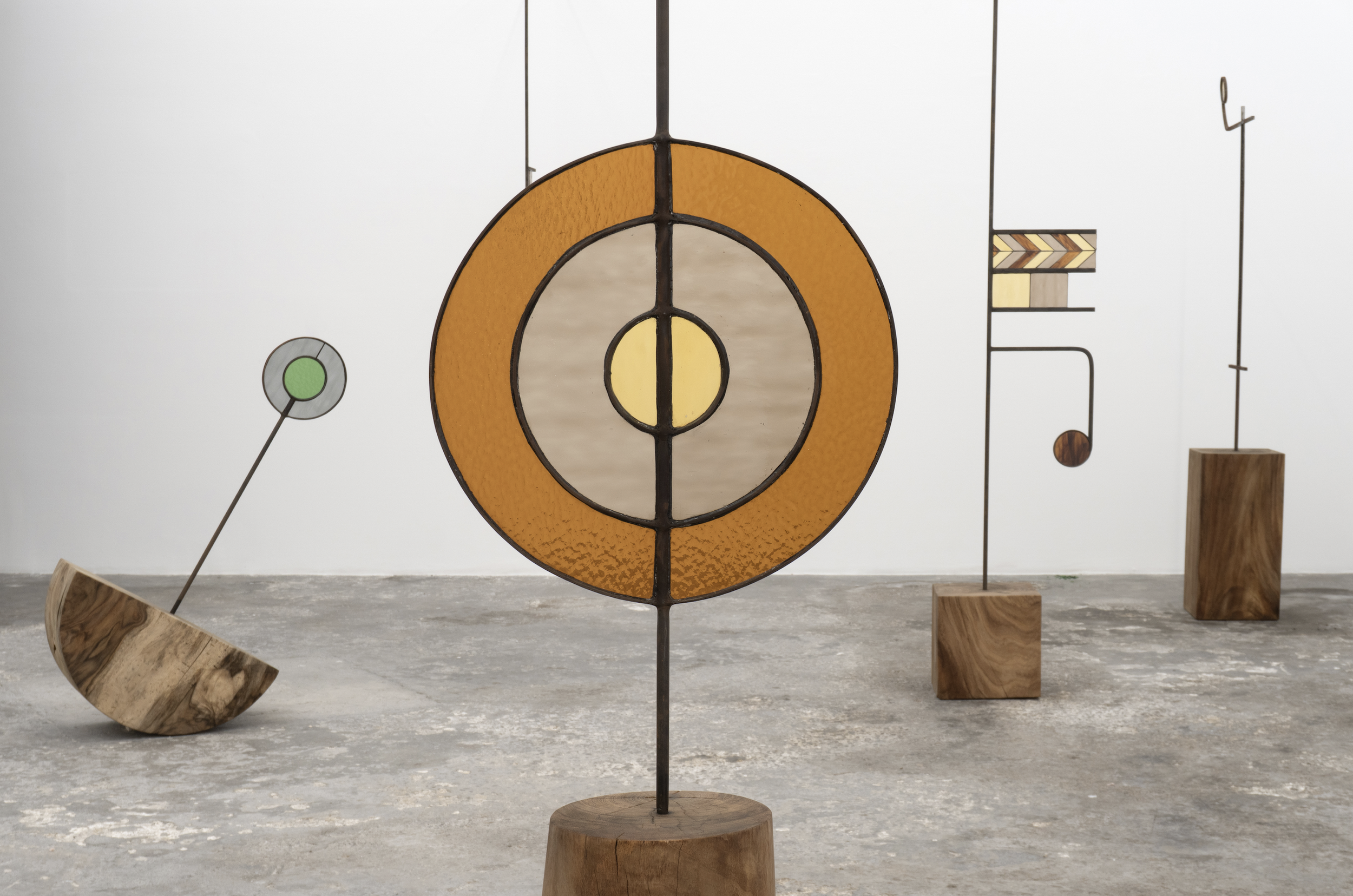
Where the Mountains End, by Cynthia Gutiérrez, May 9–July 10, 2026.
M.Q.S.N. – F3: Encarnación – Ángela Leyva (February – March 2026)

M A New Forever – Mauricio Alejo (September – November 2025)
Tlarrandacán – Claudia Peña Salinas (September 2025)
Why Go
CURRO insists that it does not subscribe to the convenient logic of a centralized art scene. Its significance lies precisely in having fostered, from Guadalajara, a conversation that for years seemed reserved for Mexico City. Artists with an international presence, exhibitions with a strong spatial awareness, and an interpretation of contemporary art that is not limited to the market or novelty.
The gallery was founded in late 2008 as Curro & Poncho and took on its current form as CURRO in 2013. That change marked a clearer vision of the gallery as a transnational cultural platform—a place where Mexican and international artists can exchange ideas through artistic languages capable of circulating both within and outside the country.
It’s also worth visiting because it isn’t afraid of challenging formats. CURRO has worked with artists for whom a piece might take the form of an installation, an archive, an object, a video, a photograph, an intervention, or a mental landscape. That decision carries weight in an era when many galleries are becoming more conservative as the market pushes toward other realities; even though major auctions focus on what is already a sure thing, here the work is driven by a determined intention to continue championing what amazes or moves us.
What to Expect
The visit to CURRO begins before you even step inside. Santa Teresita retains a mix of markets, everyday shops, old houses, workshops, neighborhood eateries, and new cultural layers that don’t erase what came before. That tension is important to the gallery. Art appears there as part of a neighborhood that continues to thrive with its own life and identity.
In an exhibition like *Where the Mountains End* by Cynthia Gutiérrez, the program shifts toward material imagination, speculation, and other forms of knowledge linked to memory and language. It is the kind of exhibition that does not demand a single interpretation, but rather an emotional one, so that sensations can be revealed without being immediately reduced to explanation.
We’ve found a gallery with a keen sense of the art scene. CURRO functions as a satellite with gravitational pull from the capital, and as a voice that has consistently asserted that Guadalajara can foster discourse, collecting, international circulation, and an artistic community on its own terms.
Represented Artists
What to Do Nearby
After leaving CURRO, I wouldn’t rush to leave Santa Tere. The neighborhood is best experienced when you’re walking around hungry (or thirsty). A few blocks away is the Santa Tere Market, which remains one of the most direct ways to immerse yourself in the neighborhood’s daily life and enjoy its fruits, meats, food prepared at the traditional stalls, and a market energy that no cultural tour should replace with a hipster café. A must-see for anyone who wants to understand the neighborhood.
Take Alimaña, for example—a restaurant that’s only open on Sundays and Mondays and dares to blend Asian and Yucatecan cuisine. It’s the kind of place that’s passed along by word of mouth among foodies who aren’t content to stick to the well-trodden path.
Fonda Mariquita at the Santa Teresita Market is a hit thanks to its down-to-earth menu: fried quesadillas, casseroles, tamales, and chiles rellenos. For coffee or breakfast, Caligari Café stands out as a cozy classic, serving up the ever-popular chilaquiles and a variety of vegan options. And if you still have the energy to keep exploring, you can check out Galería Santa Teresita Centro or a nearby cultural venue before wrapping up with a stroll through the neighborhood’s streets. And we haven’t mentioned the torta ahogada on purpose, even though it’s one of those must-try treats. There, everyone has their favorite because it’s just like mom’s cooking.