
Rocío Santa Cruz opened the gallery that bears her name in 2015 after two decades dedicated to publishing, artist’s books, and gallery work. Photography plays a prominent role at Gran Via 627, featuring artists such as Colita, Ouka Leele, Palmira Puig, Marcel Giró, Pilar Aymerich, and Lúa Ribeira, alongside artists working in painting, installation, video, and performance. The gallery shares its space with ArtsLibris, the publishing project founded by Santa Cruz in 2009.
Gallery Profile
Rocío Santa Cruz’s career began in Paris. She studied at the École Estienne, and in 1994 she launched Raíña Lupa there, a publishing project specializing in artist’s books and graphic works. In 1998, she opened a gallery under the same name. From the outset, the publications and exhibitions were developed as parallel activities. In 2002, she moved Raíña Lupa to Barcelona. Photography and digital techniques gradually took on a greater presence in her publications. Six years later, the project opened a new space on Consell de Cent.
In 2009, Santa Cruz founded ArtsLibris, initially as a fair specializing in artist publications, photobooks, contemporary thought, and self-publishing. The project holds events in Barcelona, ARCOmadrid, and ARCOlisboa and features a permanent bookstore that currently shares the space at Gran Via 627 with the gallery. Before opening RocioSantaCruz, Santa Cruz had also worked on projects based on archival collections. These include *Reading Images: The Photographic Archive of Julio Cortázar* and *The Word and Its Shadow: José Ángel Valente*.
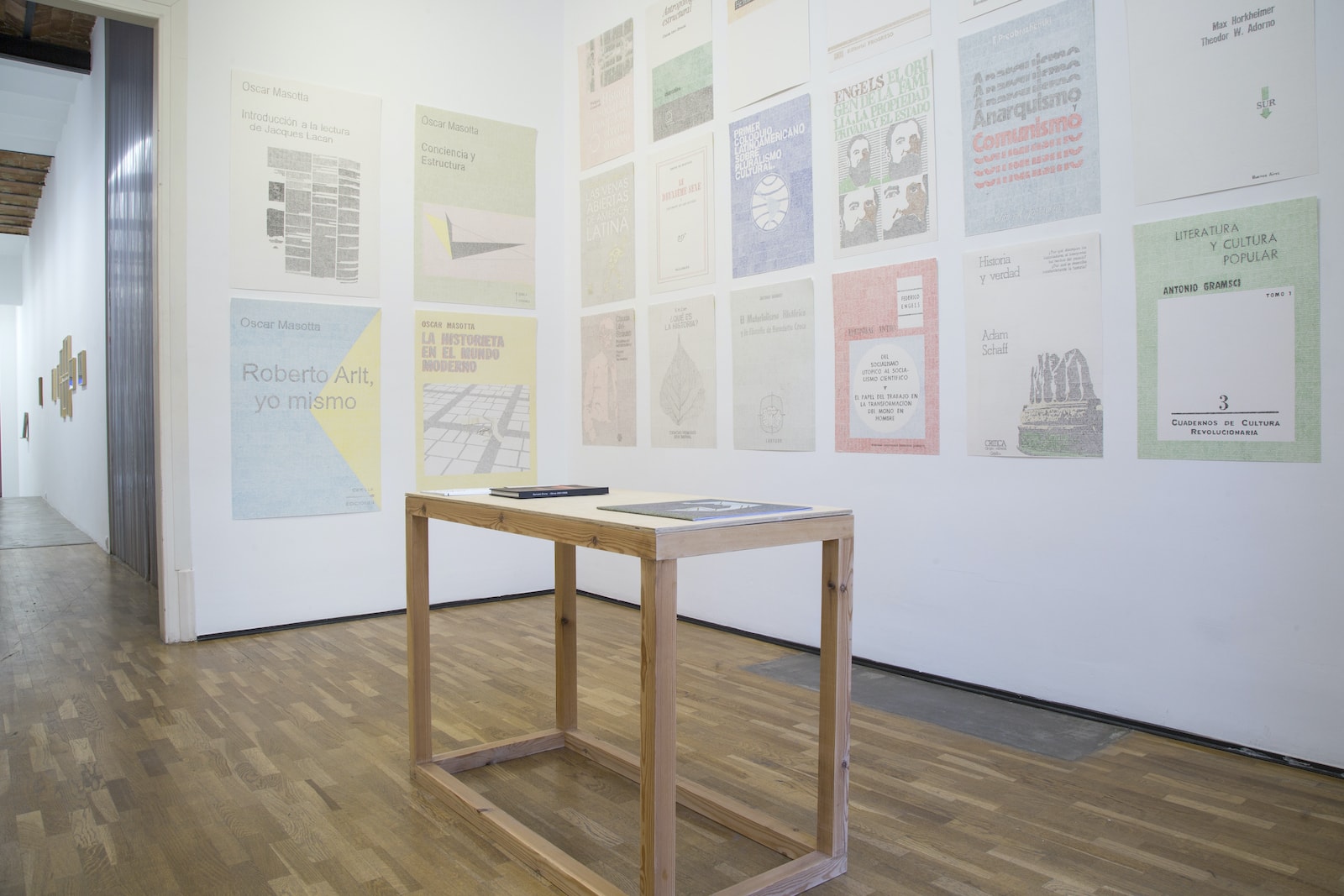
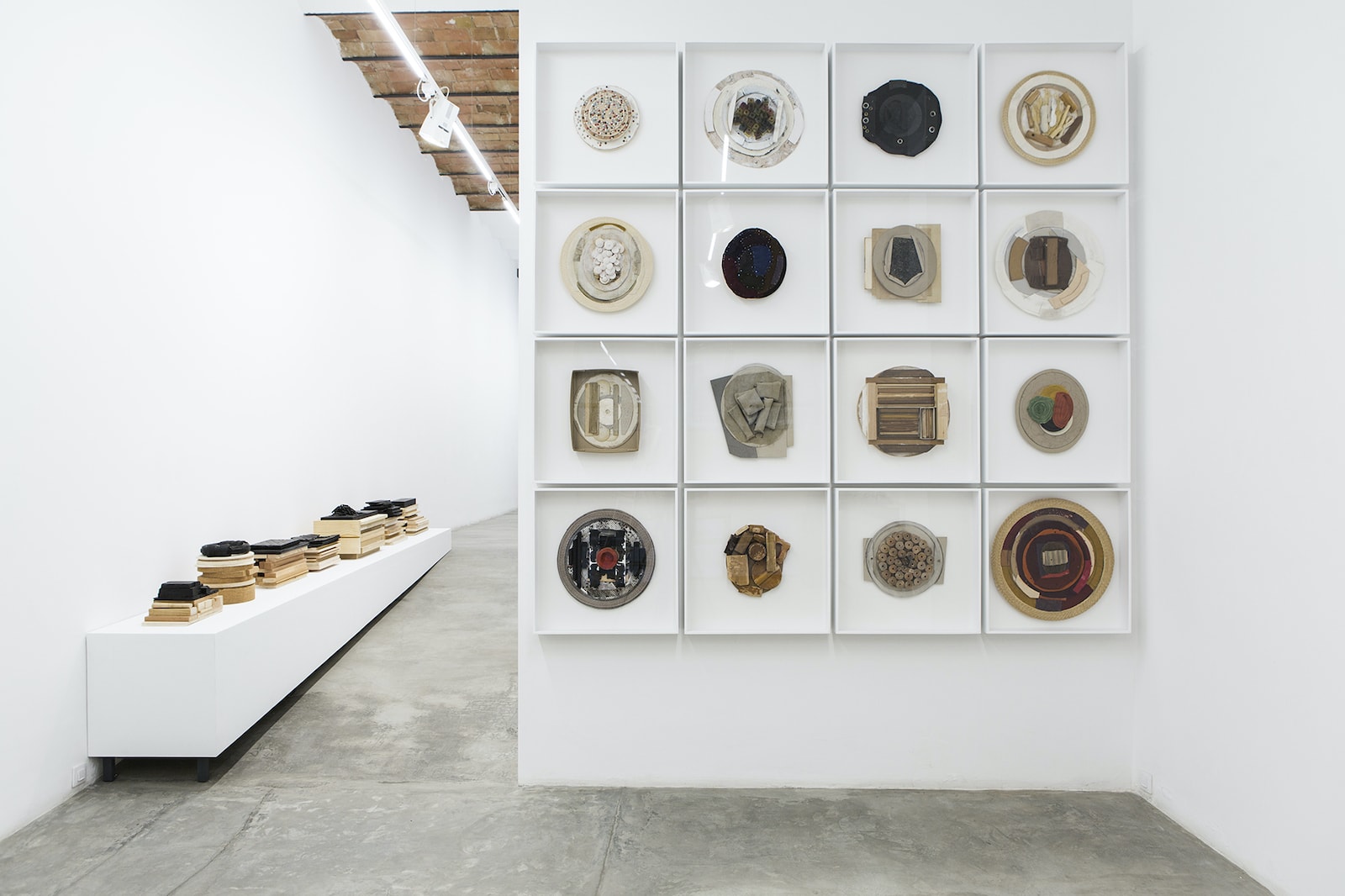
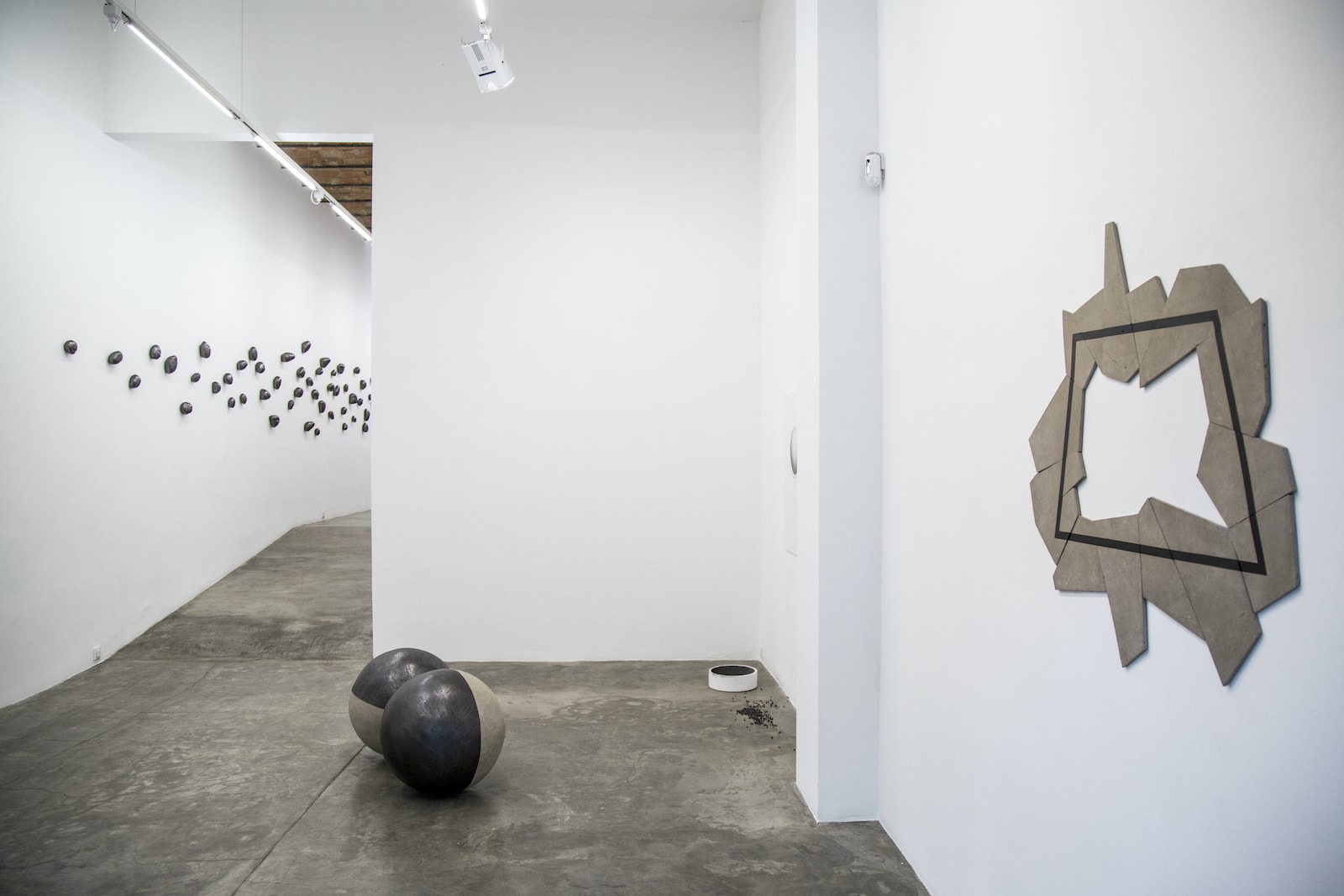
In 2015, the RocioSantaCruz phase began. Photography retained the prominence it had gained in previous years, but the program expanded to include other media. It currently represents, among others, Colita, Ouka Leele, Marcel Giró, Palmira Puig, Pilar Aymerich, Lúa Ribeira, Miguel Rio Branco, ORLAN, Teresa Gancedo, Marina Núñez, Fina Miralles, Antón Lamazares, and Lluís Hortalà.
Some of his recent work has been based on photographic archives. In 2025, BARCELONA UNIVERSAL KGB presented photographs by Javier Inés, who died in 1991. His partner, Juanjo Rotger, had preserved an archive of more than 10,000 images for over three decades.
In December of that same year, Colita’s *Inexorable* opened. The exhibition featured photographs taken and printed by the photographer herself between 1960 and 1980 and ran through March 2026. Two months later, RocioSantaCruz presented *Ouka Leele. Barcelona 1978–1980*. The exhibition was organized in collaboration with María Rosenfeldt, the artist’s daughter and curator of her archive, after reviewing more than 600 negatives and contact sheets from the years Ouka Leele lived in Barcelona. The research also incorporated texts and poems preserved in the archives of the magazine *Ajoblanco*.
ArtsLibris preserves another part of Santa Cruz’s history within the same venue. Its bookstore features artist publications, photobooks, contemporary thought, and self-published works, in addition to the catalog of publications developed during previous periods.
Program
Why Go
TAIL
Isabel Steva Hernández, known as Colita, was born in Barcelona in 1940 and died in the same city in 2023. She began her professional career in the early 1960s, after coming into contact with photographers such as Oriol Maspons, Julio Ubiña, Francesc Català-Roca, and Xavier Miserachs. One of her first professional assignments came during the production of *Los Tarantos*, the film by Francisco Rovira Beleta released in 1963. Colita photographed Romani communities in Montjuïc and Somorrostro at that time and began a relationship with flamenco that would continue for years.
His archive spans other aspects of Barcelona in the second half of the 20th century. He photographed writers and artists, members of the Gauche Divine, the feminist movement, and numerous events from the final years of the Franco regime and the Transition. In 1977, he published *Antifémina* with the writer Maria Aurèlia Capmany. The book brought together photographs by Colita and texts by Capmany on the situation of women in Spain and addressed issues such as work, marriage, old age, religion, and prostitution. The first edition had a very short run, and the project was revived decades later using the preserved materials.
RocioSantaCruz has returned to her work on several occasions. In 2022, she presented *Dona Situació Límit*, related to *Antifémina*. In 2024, she showed a selection of the photographs published in *Franco ha muerto*, and between December 2025 and March 2026, she exhibited *Inexorable*.
OUKA LEELE
Bárbara Allende Gil de Biedma, known as Ouka Leele, was born in Madrid in 1957 and died in 2022. Although she later became associated with the Movida Madrileña, a significant portion of her early work was produced in Barcelona. She arrived in the city in August 1978 and remained there until 1980. There she created part of *Peluquería*, a series that began with black-and-white photographs which she later colored by hand. Some of those images were taken in Montjuïc and depict people from her circle during those years.
Ouka Leele continued to work in photography, drawing, painting, and writing. In 2005, she received the National Photography Prize. The Reina Sofía Museum holds more than thirty of her works, including photographs dated 1978 and 1979. The exhibition presented by RocioSantaCruz in 2026 focused specifically on her years in Barcelona. María Rosenfeldt and the gallery reviewed more than 600 negatives and contact sheets. Alongside photographs from *Peluquería*, other images taken during that stay were displayed, as well as materials that had not been included in previous exhibitions. In September 2026, RocioSantaCruz once again presented her work at Estampa, this time alongside drawings, poems, and other materials related to her body of work.
OCAÑA
José Pérez Ocaña arrived in Barcelona from Cantillana in the early 1970s and made the Ramblas and Plaça Reial regular venues for his appearances and performances. He painted, dressed in women’s clothing, and worked with processions, altars, statues of the Virgin Mary, flowers, and elements drawn from Andalusian popular culture. In 1977, he presented *Un poco de Andalucía* at the Mec-Mec gallery, an exhibition videotaped by the Video-Nou collective and currently preserved at MACBA. Colita photographed him between 1977 and 1983; these images were later compiled under the title *Ocaña por Colita* and form part of his archive. RocioSantaCruz works with the Colita Archive, while the Reina Sofía Museum houses its own José Pérez Ocaña Archive.
OTHER GENERATIONS
Palmira Puig and Marcel Giró left Spain after the Civil War and eventually settled in Brazil. Both were active in São Paulo as members of the Foto Cine Clube Bandeirante, one of the centers of renewal in Brazilian photography in the mid-20th century. Lúa Ribeira was born in Galicia in 1986 and studied documentary photography at the University of South Wales. She joined Magnum Photos in 2018. Her inclusion in the program introduces a generation that began working several decades after Colita, Puig, Giró, and Ouka Leele.
Beyond photography, the gallery represents artists such as ORLAN, whose career since the 1960s has spanned performance, photography, and video; Marina Núñez, who works with painting, video, and digital imagery; and Teresa Gancedo, born in León in 1937 and a participant in “New Images from Spain,” presented at the Guggenheim Museum in New York in 1980.
What to Expect
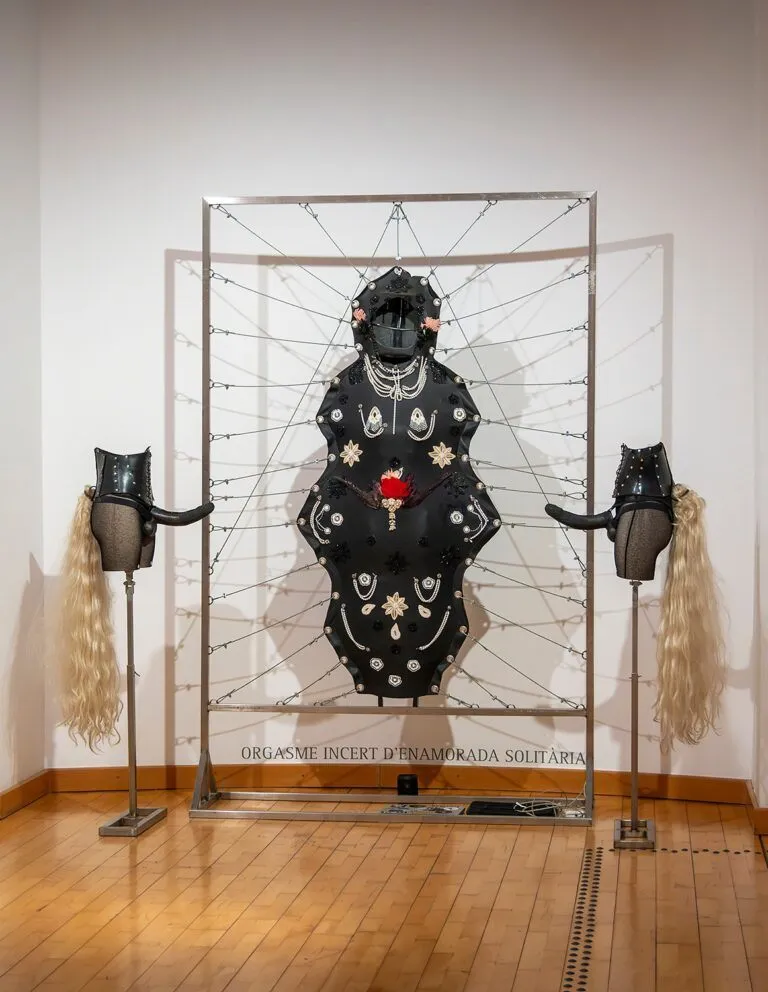
Mariaelena Roqué’s *UnaDonaUna · AutoRetratRetratat* will be on view through November 21, 2026. Born in Tarragona in 1952, Roqué collaborated for many years with musician Carles Santos. Together, they founded the Carles Santos Company, which was active in the 1980s and 1990s. Roqué worked there on costumes, set design, props, and stage movement.
His solo work includes sculptures, installations, films, performance pieces, and works designed to be worn on the body. His previous projects include *Cópula Metronómica*, presented at the Sala Metrònom in Barcelona in 1987; *Despulles inoxidables*, at the Fundació Joan Miró in 1997; and *Mariaelena Roqué despulla Carles Santos*, presented in 2006 at the Museu Tèxtil i d'Indumentària in Barcelona.
In 2025, the Museu d'Art Modern de Tarragona dedicated the exhibition *Silenci despullat. UnaDonaUna* to her, featuring some fifty pieces. *UnaDonaUna · AutoRetratRetratat* continues that body of work at Gran Via 627 and brings together pieces related to different moments in her career. The exhibition opened on September 17 during Barcelona Gallery Weekend and will remain open through November 21.
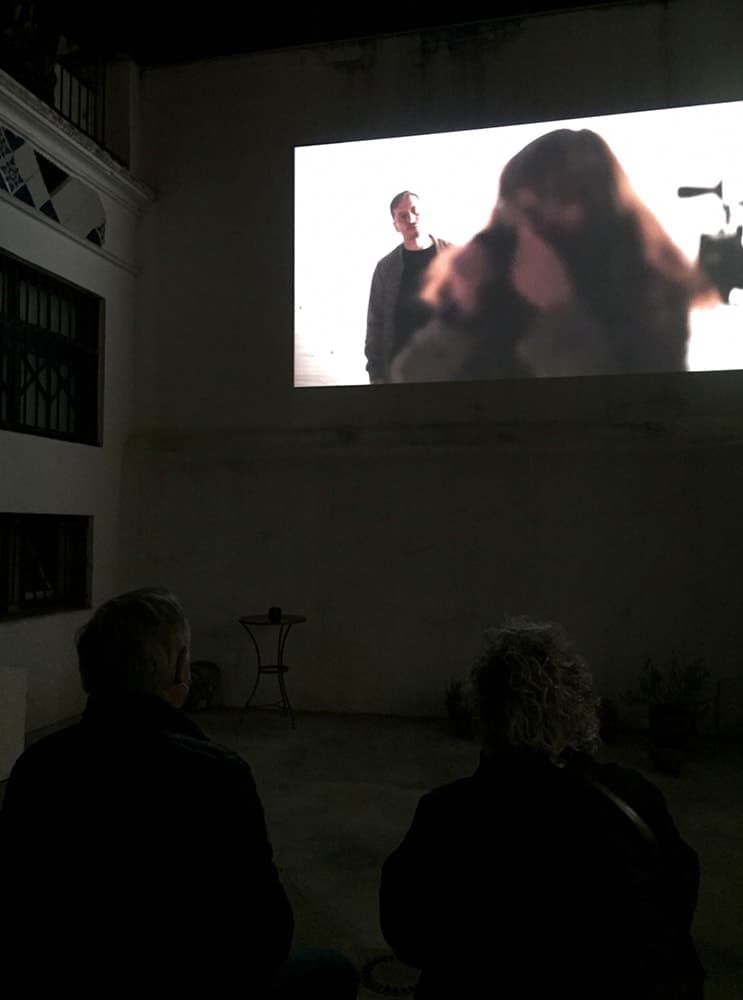
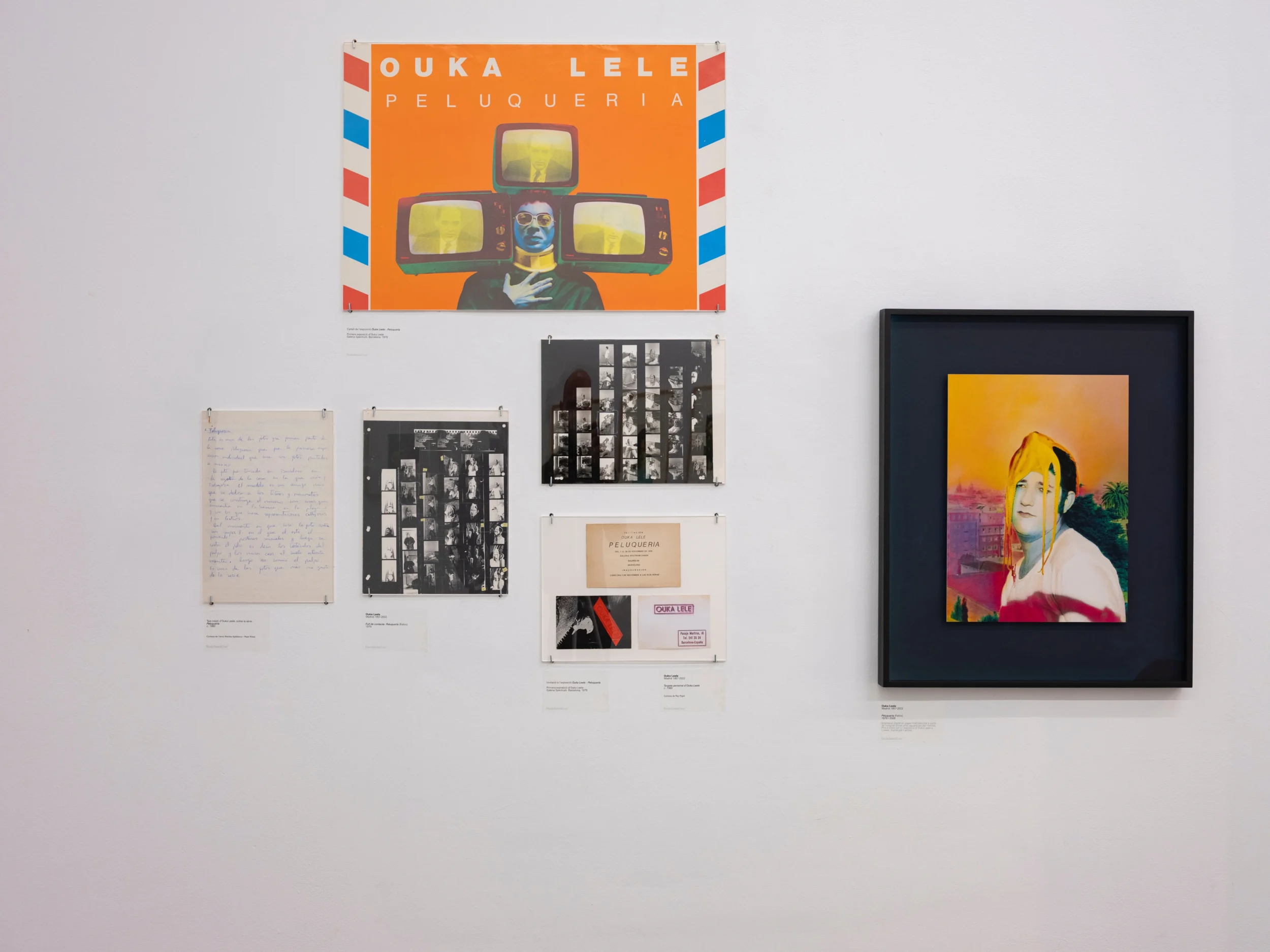
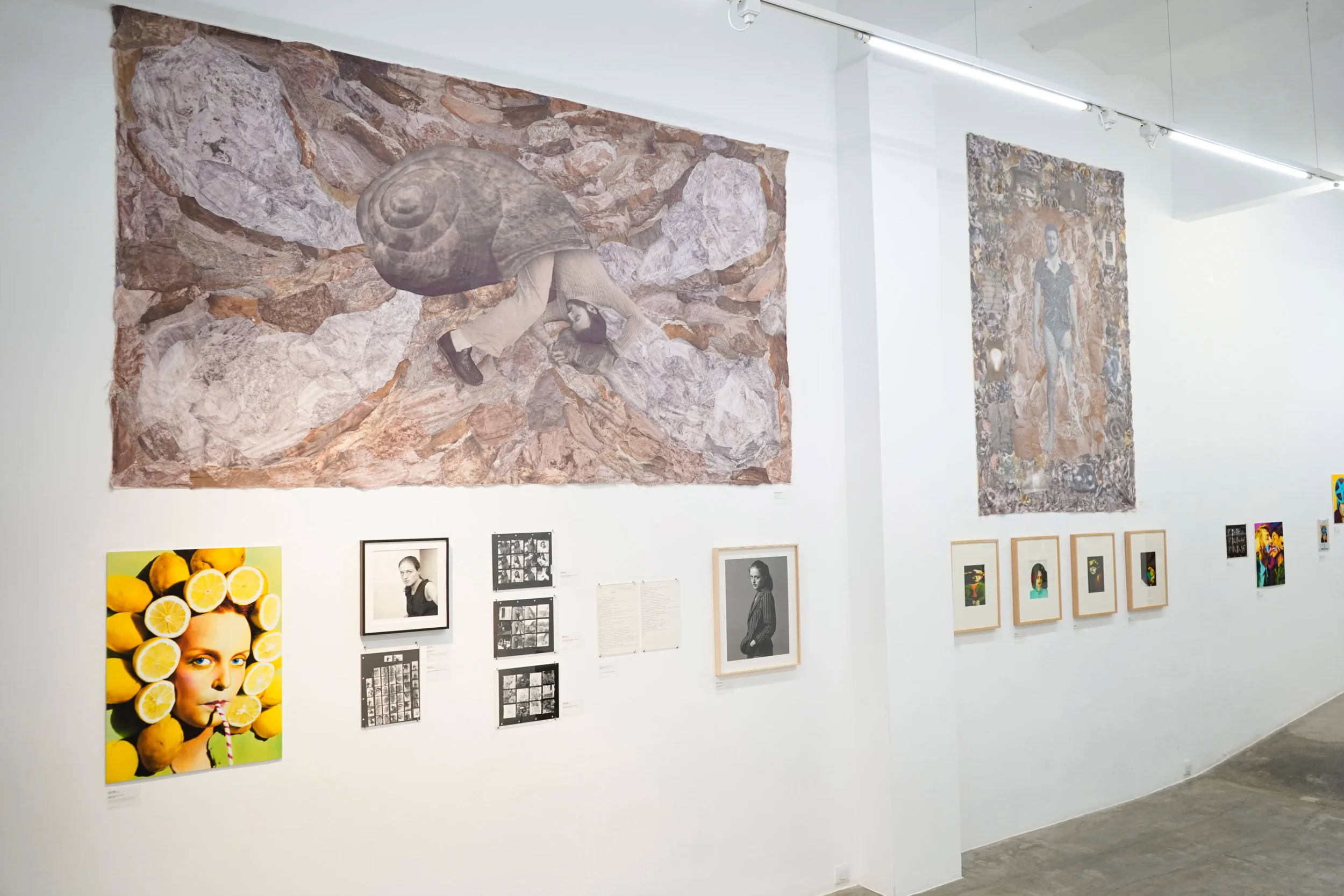
The RocioSantaCruz program for 2026 also featured Marina Núñez’s *Stardust*; *Ouka Leele: Barcelona 1978–1980*; *A Small Invitation* by Rubén González Bonilla; and the final part of Colita’s *Inexorable*.In September, it also presented *L'odeur de la sainteté*, an artist’s book by Antonio Saura and Fernando Arrabal published in Paris in 1975.
What to Do Nearby
The first stop doesn't require leaving Gran Via 627. ArtsLibris shares its space with RocioSantaCruz and operates a bookstore specializing in artist publications, photobooks, contemporary thought, and self-published works.
On your way out, you can cross Gran Via to Librería Altair, at number 616. Founded in 1979, it specializes in travel and carries literature, essays, anthropology, cartography, and guidebooks. The two bookstores are practically across the street from each other and carry very different selections.
From there, you can walk down Rambla de Catalunya to Diputació and go into Librería Finestres, at number 249. It occupies the ground floor of a building designed by Enric Sagnier and has a second location dedicated specifically to art and comics right across the street, at Diputació 250.
For lunch, you can continue along Diputació toward Girona and head up to Café Del Centre, at Girona 69. The establishment originated from the former Casino del Centre, which opened in 1873. It retains elements of the historic building, including woodwork, terrazzo flooring, paintings, and furniture from different eras. It currently operates as a bar and restaurant.


