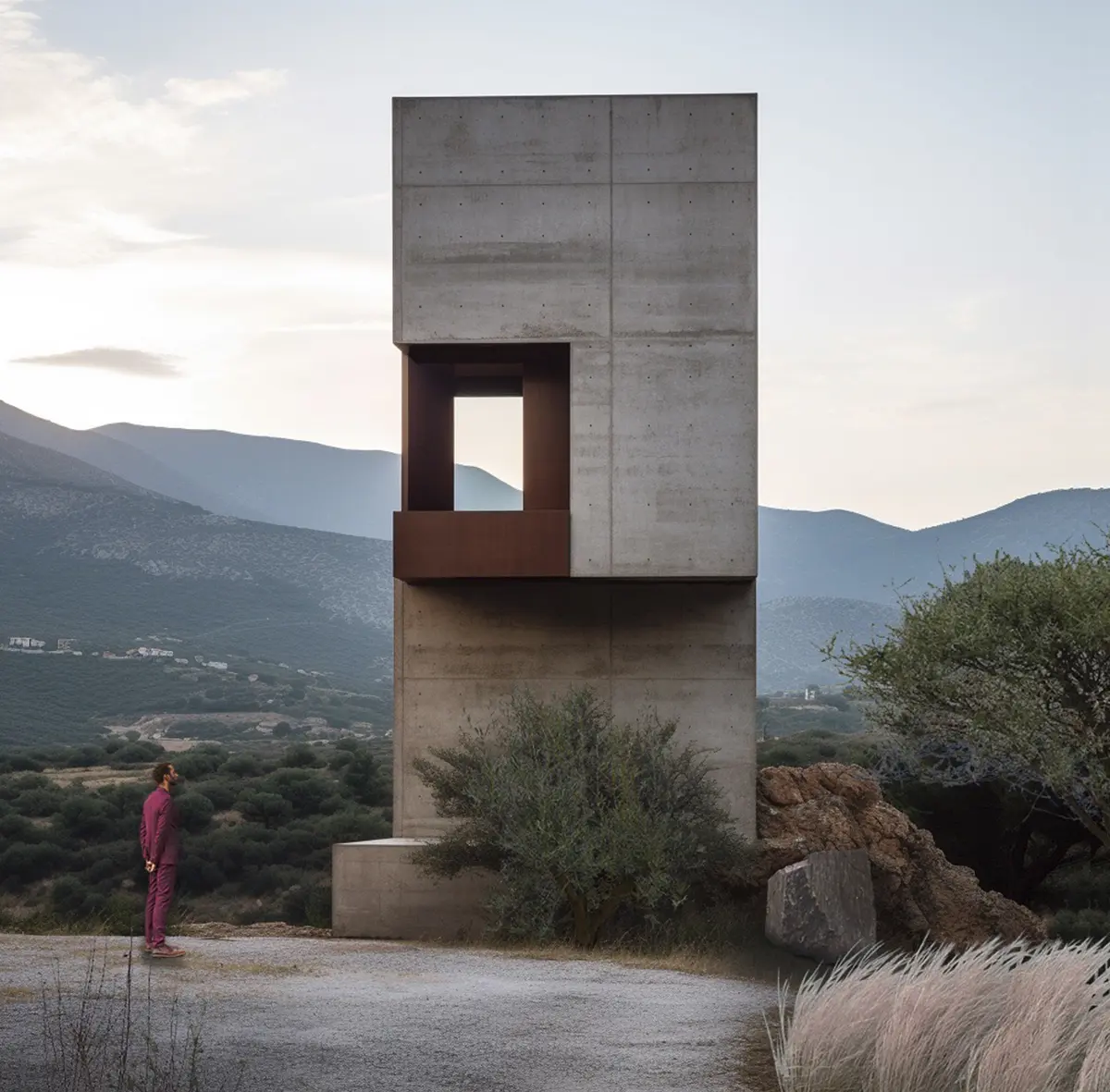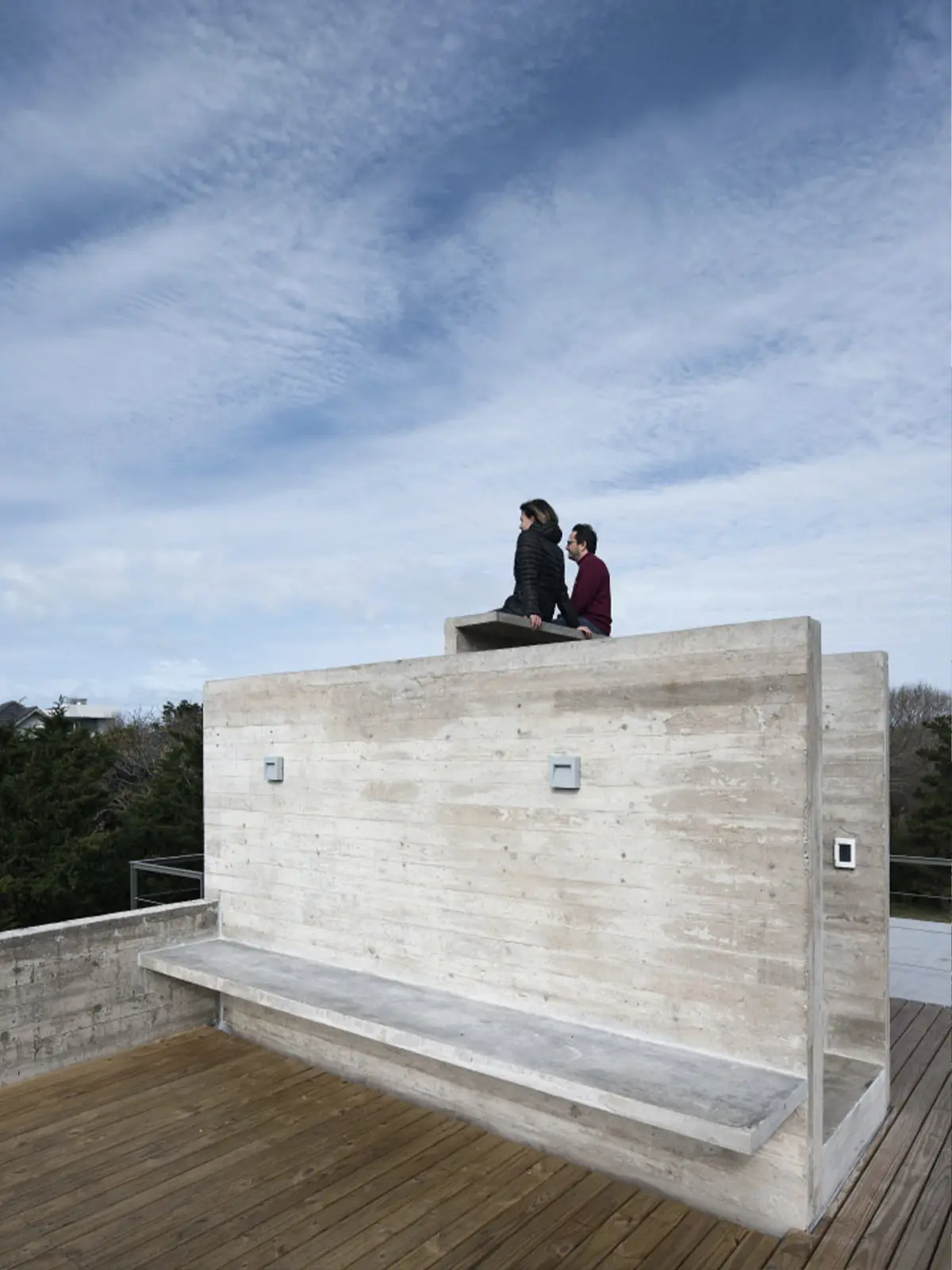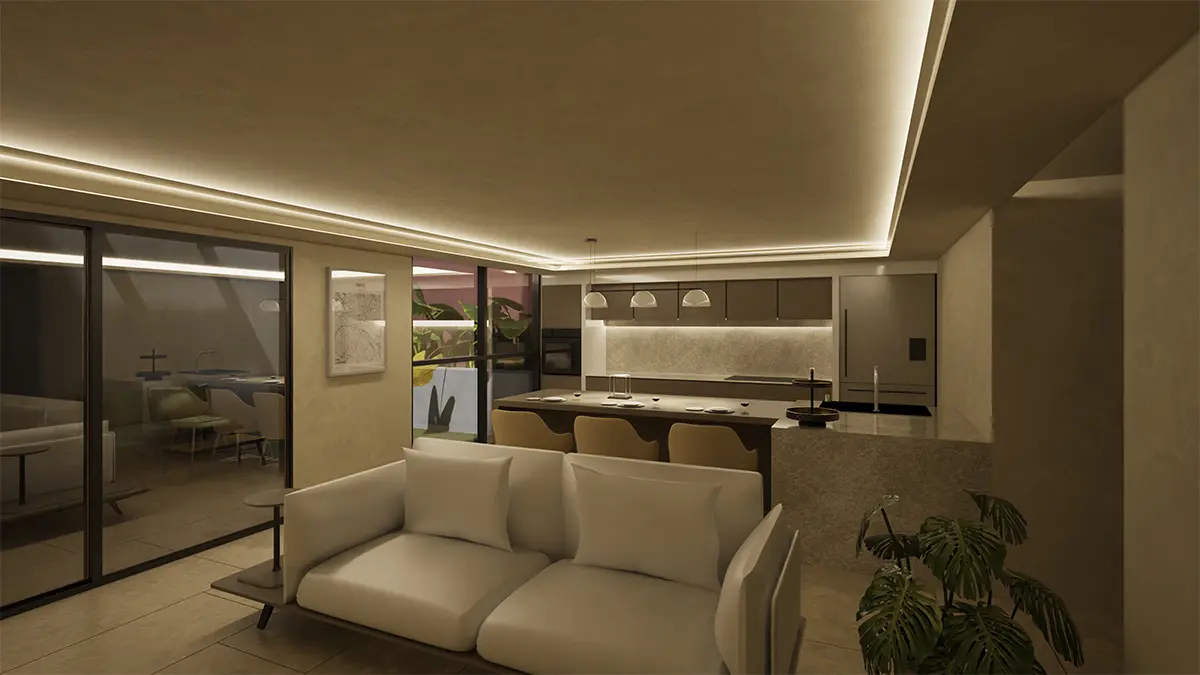

Alanis-Correa: Smart Architecture in Mexico. This is a young architecture firm that was founded just as that crisis we’d rather not remember was coming to an end.“We’re a firm of the post-pandemic generation,” they acknowledge.
The conversation is with Cristhian González Alanís and Lizette López Correa (2002), the founding partners of this studio based in the State of Mexico, which aims to redefine stereotypes in Mexican architectural design.
“One of the paradigms we want to break down is that of exclusivity. Our goal is to make architecture accessible to everyone,” says López Correa. “The issue of public housing in Mexico is another thing we keep in mind. There’s a stereotype about what it should look like, what finishes it should have, and what materials it should use.”
“We want to challenge the notion that affordable housing must look a certain way, or that it must be built with simple materials or follow a rigid design.”

The Benefits of a Virtual Office
Something they seem to have learned well from the circumstances in which they decided to launch Alanis-Correa is that things can be done well even from a distance.
The firm doesn’t have a physical office, and meetings with potential clients usually take place in cafés or at people’s homes: “We’ve grown and developed professionally through digital media, “ they explain.
Their comprehensive design approach to creating modern, functional, and well-equipped spaces combines architecture, interior design, and technology into a single package. All of this is guided by the principle that automation should work in harmony. They have named this integrated approach Espacio Futura.
Home Automation and Smart Architecture
The concept of Espacio Futura and architecture with a “brain”
Espacio Futura is the architectural concept they created: “The goal is to blend traditional architecture with a touch of technology—to give the architecture a brain,” explains Alanís.
The couple met while they were in school. According to the architect, their skills complement each other perfectly: she is passionate about interior design, and he is passionate about technology.
Home Automation: Benefits and Myths
Home automation and its modern features—the remote and automatic comforts of home life—are another of the ten commandments of contemporary architecture.

The truth is that popular culture sometimes depicts catastrophic scenarios in which technology turns against its users (just take a look at almost any episode of Black Mirror).
“There are still some concerns among customers when it comes to automating their homes or building systems.”
“Above all, when it comes to cameras: installing them inside a home is very difficult for people. At least in Latin America, many people still don’t fully understand how the networks that connect an automated system work.”
Sustainable Architecture in Mexico
Sustainability: Just a line in the manual, or an architectural reality?
Another issue is sustainability. Many firms include this concept in their brand messaging, but sometimes it seems like it’s just part of the playbook rather than something they actually put into practice.
“Yes, as you say, for some architects, the issue is just a formality.”
“It’s clear that architecture, just like construction, is one of the industries that has the greatest impact on the environment, and that’s why sustainability is something that must be put into practice—not just talked about” — González Alanís.
In the specific case of your firm, it is technology that is providing solutions to environmental issues: “When designing a space, many factors must be taken into account to ensure efficiency. For example, the orientation of the building determines whether or not heating is needed.”
Wind patterns are also analyzed; these small design details have a significant impact on a home’s electricity consumption.
“With careful planning, you can program the lights so that they don’t all turn on at full brightness if there is still natural light. All these kinds of details contribute to sustainability.”
Notable projects by Alanis-Correa
Among the firm’s notable projects are the interior design work on Casa Terra—a contemporary-style residential complex in the State of Mexico—and the ongoing renovation of Casa Roja, an uninhabited and dilapidated building dating back to the 1980s.
The project involves reimagining the space within a mixed-use building, drawing inspiration from minimalism and warm brutalism.
The result: a distinctly Mexican design featuring brick latticework and clear contemporary trends in passive climate control: shade, ventilation, and filtered light. “We believe that architecture is much more than just building structures, ” the two partners conclude.

The Future According to Alanis-Correa
Alanis-Correa advocates for an architectural model where technology and accessibility coexist; the real challenge remains to see whether these ideas can be sustained beyond mere rhetoric.
Espacio Futura proposes a possible path forward, but its success depends on how these solutions engage with complex contexts and needs that go beyond automation or aesthetics.
Find more articles on architecture in AW Magazine.
To keep exploring this thread, visit interior design with soul; you can also continue through how design is lived in.