
Pop stars are often iconoclasts or outright heretics, like Madonna was or Lady Gaga is. However, the British singer Dua Lipa has something angelic about her… could it be because of the tattoo on her arm that says “angel”? More likely, it’s because she just named a chapel in Mexico City as one of her favorite places instead of an Illuminati-themed techno club in Dubai. And yes: it’s easy to imagine her praying.
After all, in her song “Love Is Religion, “ the singer repeats an almost liturgical phrase: “They say love is religion, so pray with me.”

Faith and art in one place
“Where faith meets art,” the artist said as she made her suggestion. The recommendation came during the Cannes Film Festival. At the event, the British diva shared a list of cultural references in a clip posted on Instagram on May 19 that has since gone viral.
In the interview, Lipa mentioned references such as her favorite French film, *Un prophète*, directed by Jacques Audiard (the same director as *Emilia Pérez*). She also spoke about her favorite cultural site in the world: the chapel of the Capuchin Convent, designed by architect Luis Barragán.
The singer confessed, “I had a truly profound and beautiful experience at this church in Mexico City. You have to call a nun who lets you in at certain times,” she said.

The story of the Capuchin Chapel and why it captivated Dua Lipa
What could have captivated Lipa about the Capuchin Chapel? Also known as the Chapel of the Convent of the Sacramentary Capuchins, this space is undoubtedly one of the Mexican architect’s masterpieces. Built between 1953 and 1960, the site is considered a sanctuary of reflection where architecture, silence, and natural light intertwine in the pursuit of a mystical experience that even a global pop star seems to have found
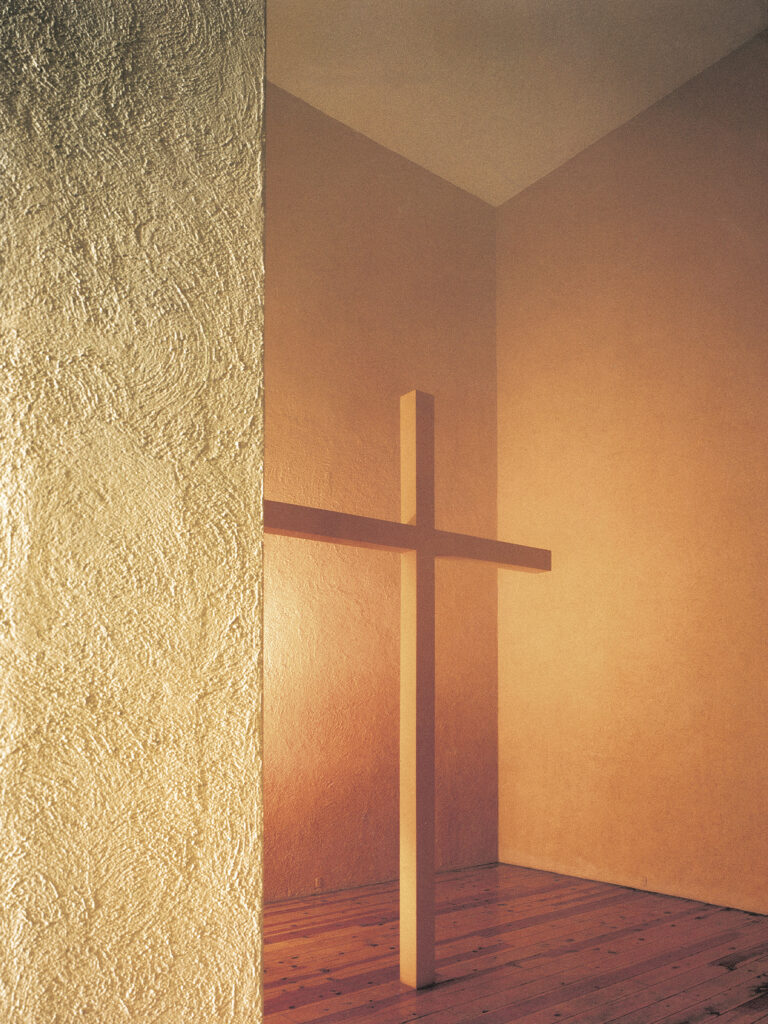
The charm of this place is no accident. Barragán designed the chapel as an exercise in peace and contemplation: natural light filters through lattices and stained-glass windows, reflecting off orange-hued walls and an altarpiece covered in gold leaf, creating shadows and colors that shift as the day progresses. On the altar, a large wooden cross is illuminated by sunlight, and during the solstices, it aligns in almost perfect balance.
Between a secret garden and geometry
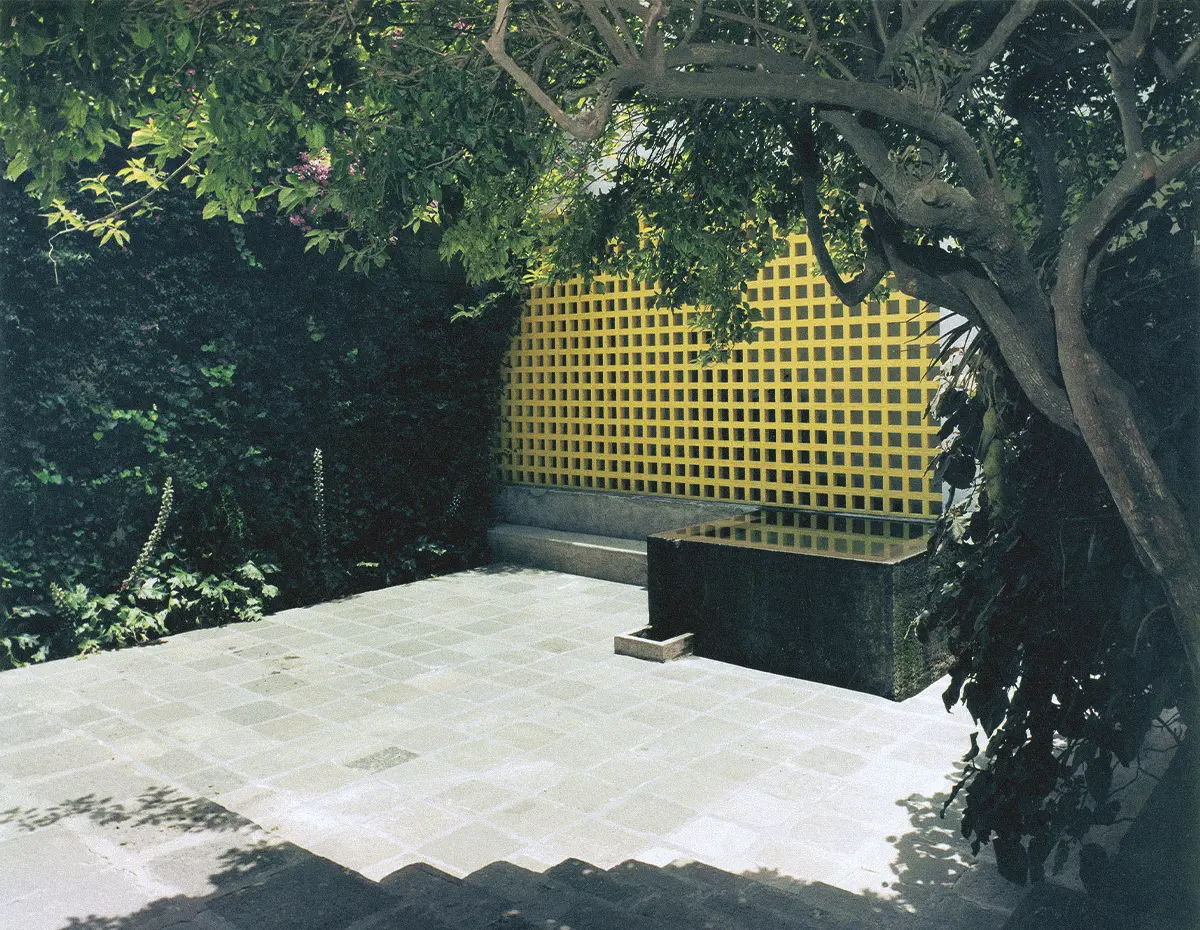
Barragán made sure that nothing was left to chance. The Mexican architect designed every corner of the complex—from the inner courtyard with its water basin and bougainvillea, to the yellow latticework of golden rectangles designed by sculptor Mathias Goeritz and the very vestments worn by the priests—in pursuit of a spirituality built through silence, geometry, and light. The secret garden that welcomes visitors was conceived as an element designed to preserve the mystery of contemplative existence.
“Architecture is an art when it evokes, whether consciously or unconsciously, an aesthetic emotion in the environment, and when that environment inspires serenity—particularly spiritual serenity,” said Luis Barragán in an interview reprinted by the Mexican newspaper La Jornada.
Another remarkable detail is that Barragán did the work for free and even helped finance part of the construction. For him, the project represented his most personal and spiritual work.
To visit, you must make an appointment in advance by contacting the Capuchin sisters. We don’t know if Dua Lipa had to make a reservation, but the singer—who is also an activist and participated in the “Thank God for Immigrants” campaign in 2025—has already had the chance to experience this mystical and contemplative setting.
To keep exploring this thread, visit contemporary Latin American architecture.