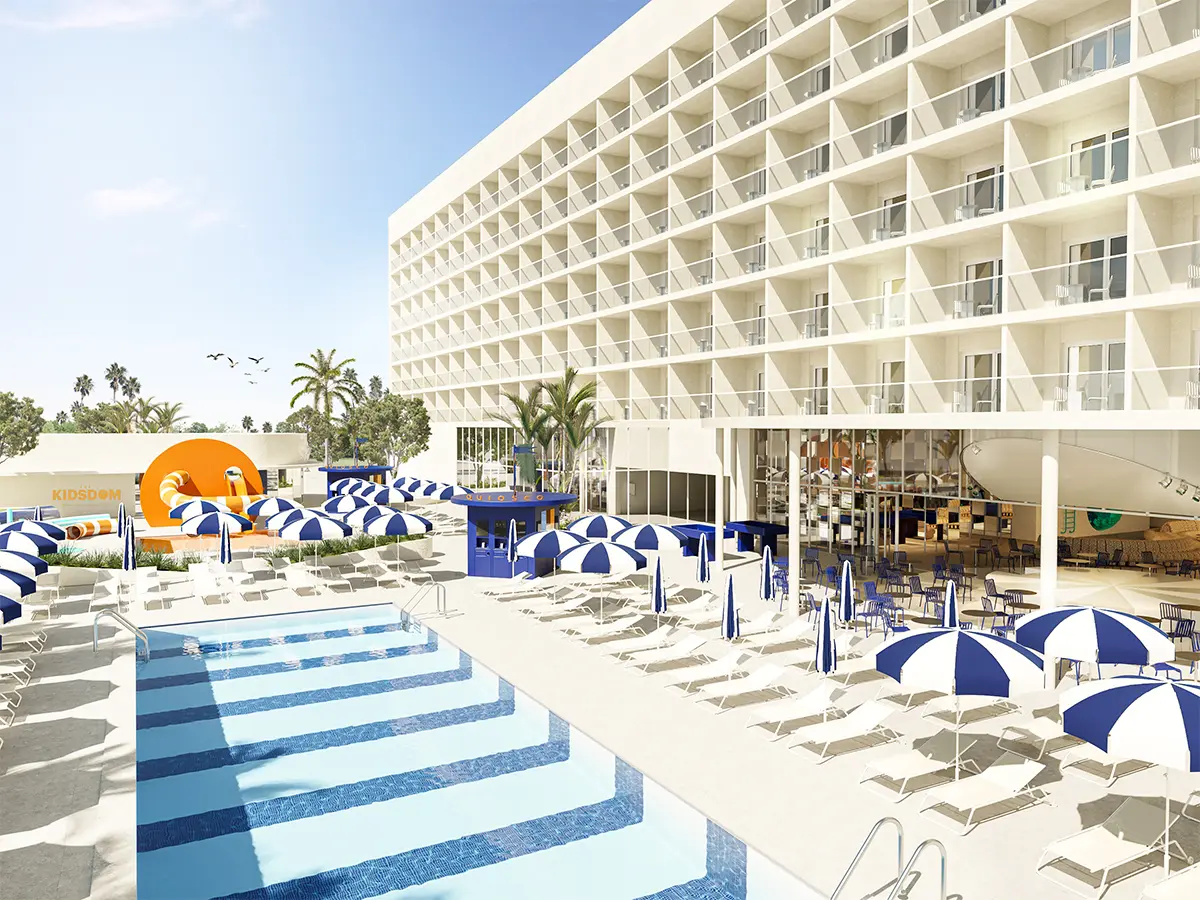

They claim that they are dedicated to designing spaces, not yawns. And that, in itself, is a brief but meaningful statement of intent. CODOO is a multidisciplinary studio specializing in architecture, design, interior design, and creative direction. The firm, founded and based since 2019 in Madrid’s Lavapiés neighborhood by Jose David Costa and Sergio Ortiz—architects by training (ETSAV and ETSAG) and “creatives by vocation,” they say—.

“We live in a culturally diverse and creative environment that shapes the way we perceive spaces and the city,” the duo says.
They say that from the very beginning, they were clear that they didn’t want to simply do traditional architecture or interior design, “but rather create spaces with identity, capable of evoking emotions and creating memories,” they explain. It’s not easy to build identity in an era saturated with visual stimuli, a challenge the studio seeks to address through emotionally recognizable spaces with their own distinct character: “We believe in design that is accessible, innovative, and full of character. We’re interested in creating spaces that aren’t just seen, but experienced and remembered.”
Their goal: to blend aesthetics and functionality in pursuit of the perfect harmony between the conceptual and the tangible—in other words, the Holy Grail of most architecture and design firms.

The studio’s disruptive approach
The truth is that when you flip through (or scroll through) their catalog, you can sense that disruptive approach which, in their own words, “stems from constantly questioning the conventional. We’re interested in moving away from neutral or overly predictable spaces.”
“ We believe that design should evoke a reaction, spark curiosity, and create a recognizable atmosphere .”
To achieve this, the studio even draws on theatrical elements and visual irony: “Yes, we often work with theatricality and contrast. We like to reinterpret traditional, authentic, or vintage elements from a contemporary perspective, creating spaces that blend sophistication and warmth.”
Is it possible to feel at home while still maintaining a sense of sophistication? Can interior design also incorporate elements of drama? They respond: “We don’t view luxury as something cold or sterile, but rather as something emotional, experiential, and full of character. That’s why our projects tend to have a strong narrative and visual impact.”

More than just nostalgia
Clearly, the studio has a very natural affinity for vintage style, especially the 1960s and 1970s. It’s evident that they are drawn to the visual freedom of that era, the use of color, the geometric patterns, the lighting, and a certain hedonistic touch in the spaces that comes through in their designs. However, it’s not just about paying tribute to the past.
“No, we’re not trying to create a literal, nostalgic recreation. We’re interested in reinterpreting those codes through a contemporary lens. We mix materials, scales, and unexpected elements to create something new,” they explain.
How to blend the functional with the conceptual
“For us, a space can’t just be a nice idea, nor can it be limited to merely fulfilling a function. Balance is achieved when the concept truly enhances the experience of those who inhabit the space,” they add.
“We strive to ensure that every decision—whether regarding materials, lighting, furniture, layout, or color—serves both a practical need and an emotional or conceptual purpose. That is where the architecture we remember comes into play.”
In recent years, CODOO has undertaken a wide variety of projects, all of which share a distinct vision of space and narrative.
One of their most significant milestones has been their participation in Milan’s Fuorisalone alongside Tile of Spain, with the installation “Spanish Design as a Souvenir,” presented at Interni during the Salone del Mobile. “A project where we reinterpreted the Spanish imagination and everyday objects through ceramics and contemporary design,” they say.
They have also made a name for themselves in hospitality and restaurant projects such as Gildería Trafalgar and Gilda Haus, where they developed the spatial identity with a focus on atmosphere and experience.

“Projects like Gilda Haus likely capture our approach to interior design quite well: spaces with a strong identity, cultural references, a blend of nostalgia and modernity, and a narrative that really comes through.”
In addition, they have recently developed larger-scale urban and architectural proposals, such as the project for the port of La Pobla de Farnals in Valencia, where they combine landscape, architecture, and public space “from a Mediterranean and sustainable perspective,” they note.
The booth designed for Tarkett at Interihotel also encapsulates the company’s philosophy: “We wanted it to be more than just an exhibition booth; we wanted it to be a spatial experience capable of drawing people in, sparking conversation, and building brand awareness in a matter of seconds.”
Interior design in Spain and around the world
For many years, much of international design leaned toward very neutral and universal spaces.
“We’re now seeing a return to identity, to materials with character, to craftsmanship, and to spaces that tell stories,” they say. “We believe that Spanish interior design is going through a very interesting phase. There’s a new generation of design firms that is losing its fear of creating more personal, more emotional, and less homogeneous styles,” they note.

Globally, they believe that the future of design is moving toward increasingly hybrid experiences, where architecture, art, fashion, gastronomy, and creative direction are constantly intertwined.
“Finally, we believe that designing memorable spaces will become increasingly important. Today, it’s not enough for a place to simply be functional or attractive; it has to create an emotional connection and leave a lasting impression.”
To keep exploring this thread, visit our architecture coverage.