
No, 380 pieces are probably not enough to provide a comprehensive overview of Mexico as a cultural and tourist destination throughout the 20th century. However, this exhibition, which aims to examine the developments, moments, and phases that shaped a history that is still unfolding, is vital and necessary.

Mexico: Journey and Destination is the exhibition that brings together much of that narrative, which intertwines travel, culture, and Mexico’s emergence as a tourist and cultural destination over the past century.
Because ever since then—and even today—it is unthinkable to visit such evocative places as San Miguel de Allende, Oaxaca, or Jalisco without encountering profound cultural expressions or a perspective—as deep or as fleeting as the visitor chooses— toward the art, craftsmanship, and creative diversity that inhabits every corner of the country.
More than 380 items offering insight into cultural tourism in Mexico during the 20th century
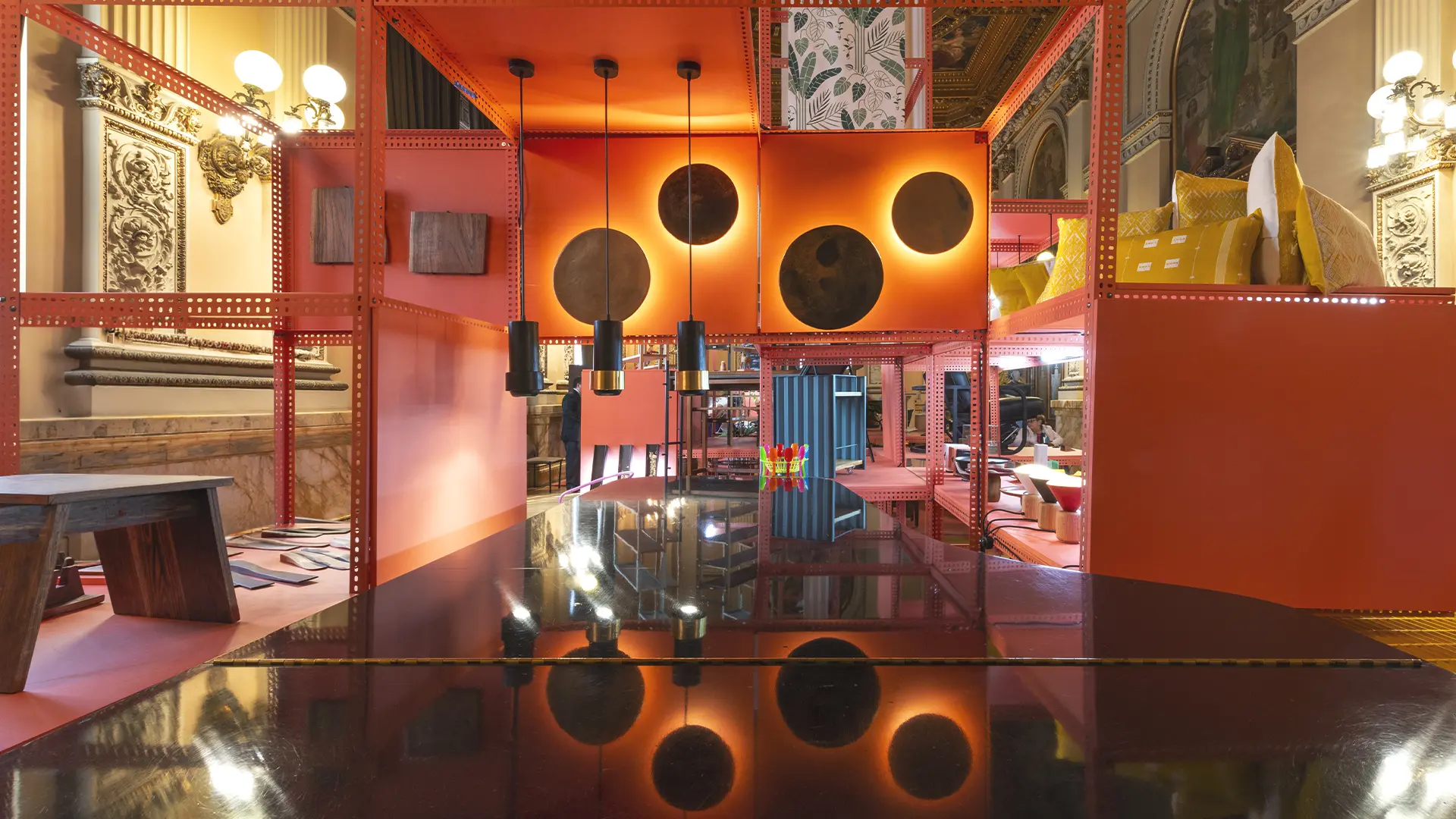
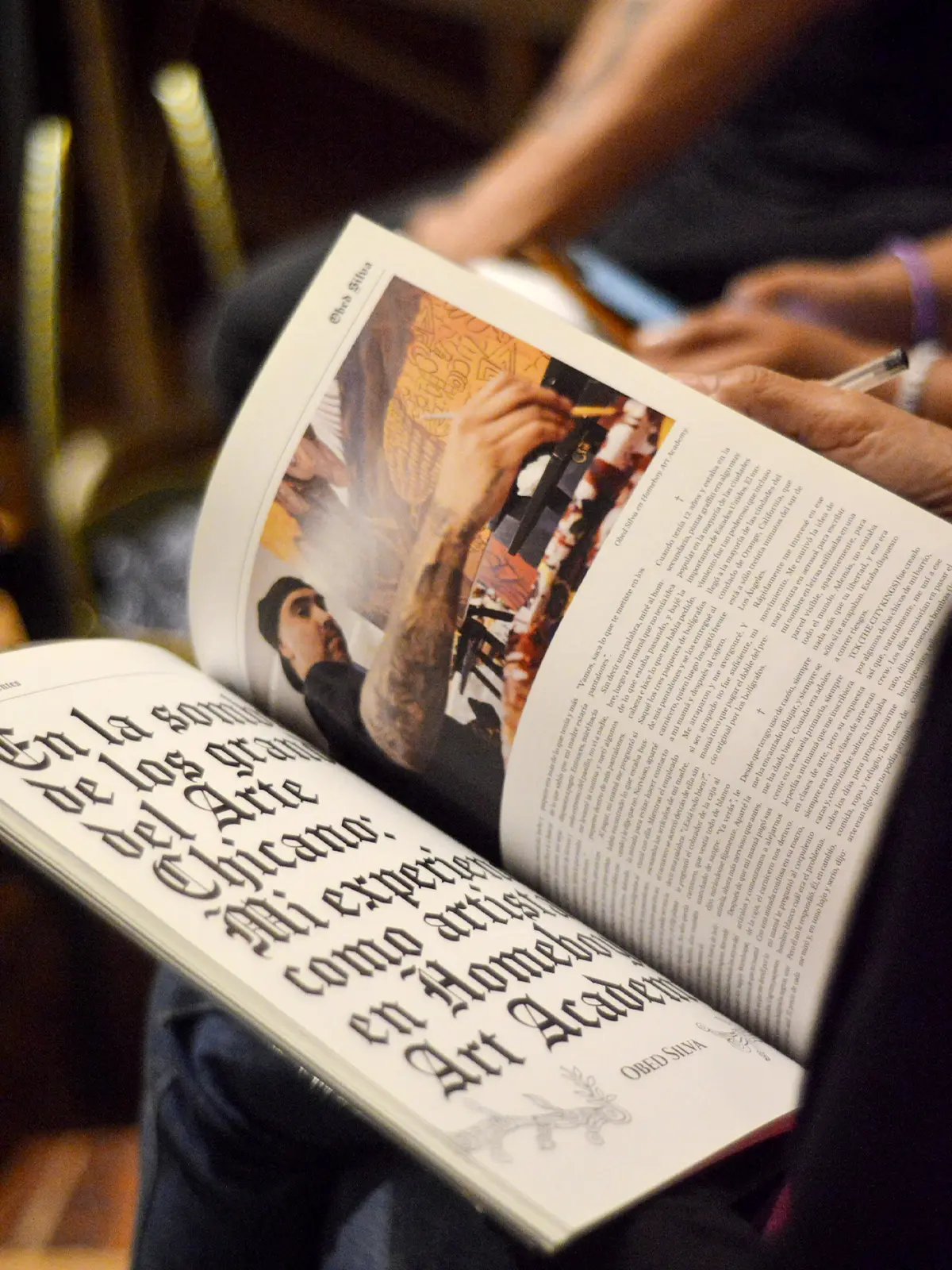
Painting, photography, film, and historical design converge with the present. Illustrated magazines, maps, travel guides, postcards, and posters, along with furniture and jewelry, reveal this cultural diversity in various formats and were part of the evolution of art, culture, and travel in Mexico during the now increasingly distant 20th century.

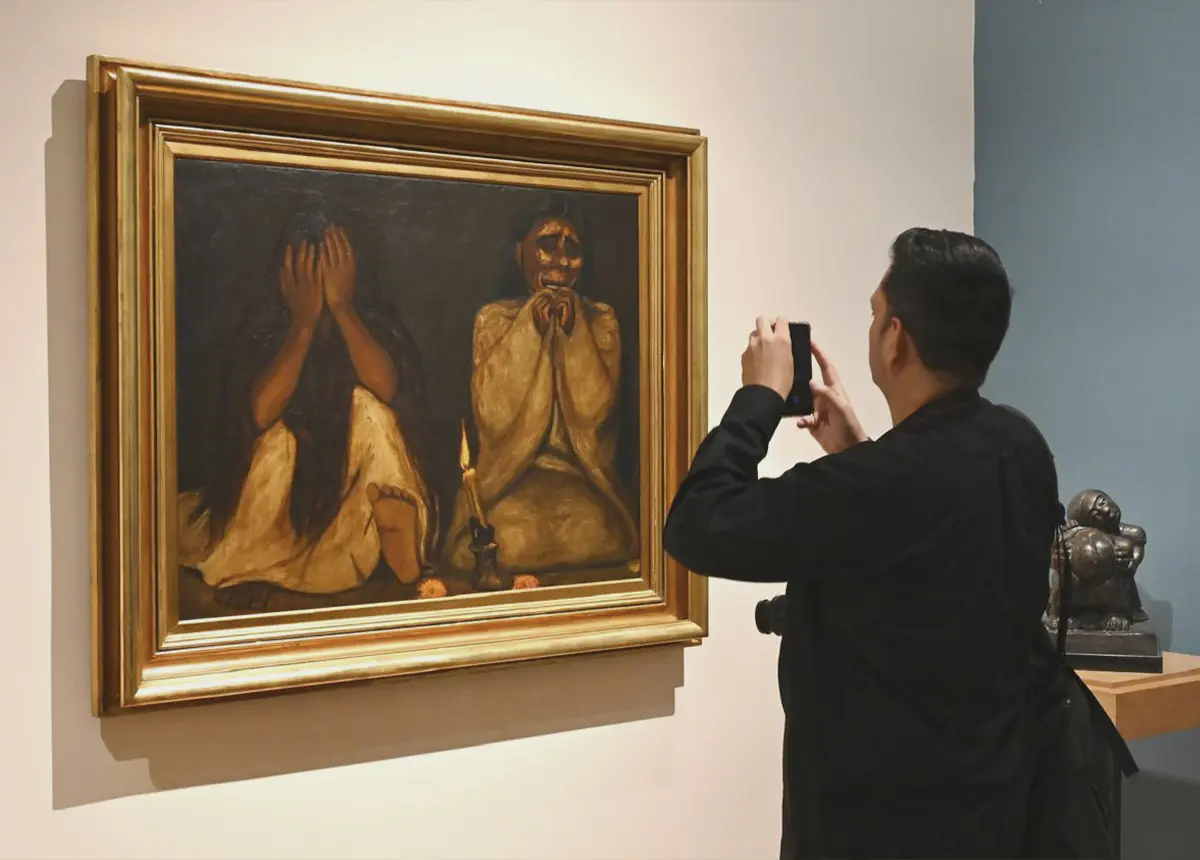
This modern interpretation can be seen at the Munal (National Art Museum), where the works on display reveal a Mexico in which art and the land are inextricably linked.
The exhibition features works by Diego Rivera, Angelina Beloff, Vita Castro, Cordelia Urueta, Miguel Covarrubias, Jorge González Camarena, Carlos Mérida, Gerardo Murillo “Dr. Atl,” and Alfonso X. Peña.
Dr. Atl, Miguel Covarrubias, and Mexico’s Most Important Works: Route and Destination
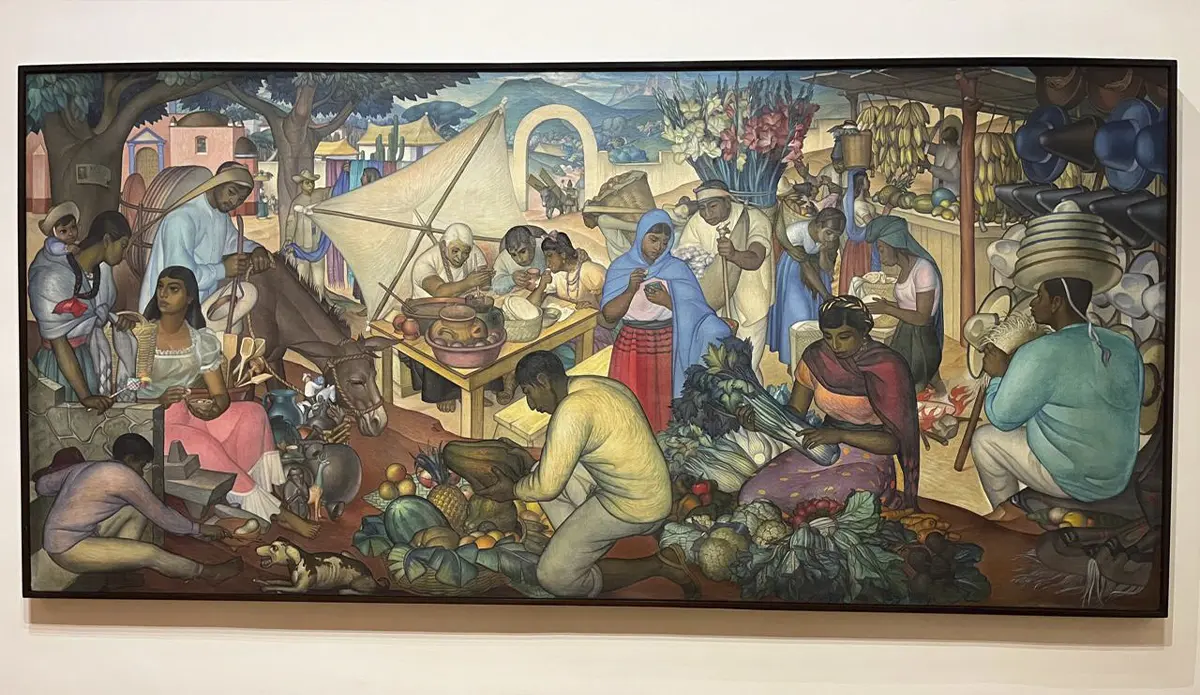
Among the works featured in the exhibition are the murals *Vistas de Puebla*, the only surviving work of this format by Gerardo Murillo “Dr. Atl”, and Mapa de Producción de la República Mexicana (Rutas marítimas) by historian Miguel Covarrubias, restored especially for México: ruta y destino and now part of the Munal’s permanent collection.
The exhibition will be open until February 14, 2027, in the venue’s temporary exhibition spaces. So there’s no excuse: there’s more than half a year left—and even an entire World Cup—to get an up-close look at how the country’s visual identity was forged in terms of culture and tourism. It could even be a great option for an art-filled date on Valentine’s Day.
The exhibition, presented by the Mexican Ministry of Culture and the National Institute of Fine Arts and Literature (INBAL) through the National Art Museum (Munal), was officially opened recently.
During the event, Secretary of Culture Claudia Curiel de Icaza stated that Mexico: Route and Destination “is part of INBAL’s mission to preserve and promote our artistic heritage, showing how we present our collections, from what perspective, and what historical review we aim to conduct. It will allow us to observe how, throughout the 20th century, art and imagery linked to tourism played a very significant role in the image of Mexico presented to the world.”

Art and Tourism
The conversation about Mexico: Route and Destination also touched on the way art engages with other fields, particularly tourism and the construction of identity.
In that regard, INBAL Director General Alejandra de la Paz Nájera noted that the exhibition demonstrates how culture also serves as a bridge between memory, heritage, and the tourist experience.
“Our artistic heritage serves as a gateway to Mexico’s diversity and a catalyst for experiences for our visitors, by fostering a direct encounter with our many identities.”
Speaking from the Munal, director Mireida Velázquez Torres focused her discussion on the images and symbols that shaped the concept of Mexico during the 20th century. For Velázquez Torres, examining the country’s cultural history also involves “addressing the many visual representations that inhabit our collective memory—representations constructed not only through painting but also through photography, graphic design, and the modern languages that shaped the public imagination of the 20th century.”
Museums, tourism, and culture: the statistics behind Mexico’s cultural recovery
Do people still visit museums? Curiel de Icaza also highlighted the work of the more than 185 museums under the agency’s purview, through INBAL and the National Institute of Anthropology and History (INAH), which saw a 20 percent increase in visits between 2024 and 2025. This aligns with data from INEGI, which indicates that museums in Mexico received 52.2 million visitors during the most recent annual period analyzed. The figure reflects a gradual recovery in the cultural sector, although it has not yet fully reached the levels recorded before the pandemic.

The exhibition, curated by Mexican art historian, researcher, and curator Claudia Garay, is being held in conjunction with the 2026 World Cup. Mexico: Route and Destination spans from the post-Mexican Revolution years to the so-called “Mexican Miracle,” a period in which the country established itself as a meeting place for artists, intellectuals, exiles, and foreign visitors drawn to Mexico’s cultural richness.
The collection includes works damaged in the 1985 earthquake, such as *Map of Production in the Mexican Republic (Maritime Routes)* by Miguel Covarrubias, and *Views of Puebla*, the only surviving mural by Gerardo Murillo “Dr. Atl.”
The four thematic areas of Mexico: itinerary and destination
The exhibition consists of four thematic sections: “Imaginaries,” focusing on early visual representations of the region and its heritage; “Routes and Destinations,” dedicated to the growth of tourism and the development of cultural itineraries; and “Tourist Bodies,” which explores clothing and diversity as symbols of identity.
In addition, the Epilogue section uses Miguel Covarrubias’s *Map of Production in the Mexican Republic (Maritime Routes)* to show how hotels served as platforms for promoting an idyllic image of the country.
Where is the “Mexico: Route and Destination” exhibition, and how long will it be open?
Mexico: Route and Destination sheds new light on what has historically defined the “Mexican,” though far from getting lost in the labyrinths of identity described by Octavio Paz in The Labyrinth of Solitude, the exhibition takes a more contemplative approach.
The event will take place at the National Art Museum (Tacuba 8, Historic Center, Cuauhtémoc district, Mexico City). The museum is open Tuesday through Sunday, from 10 a.m. to 6 p.m.
More articles and interviews on modern and contemporary art in AW Magazine.
To keep exploring this thread, visit interior design with soul; you can also continue through design objects with a story.