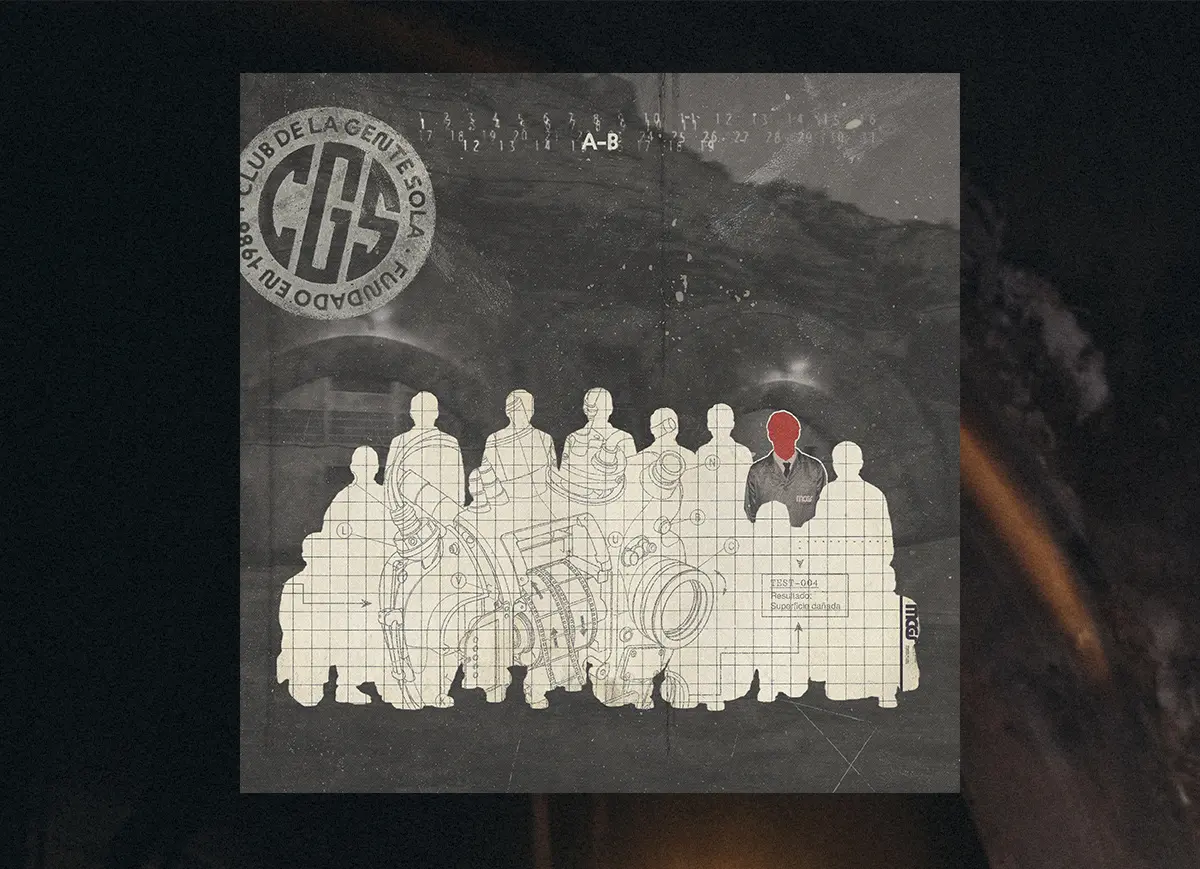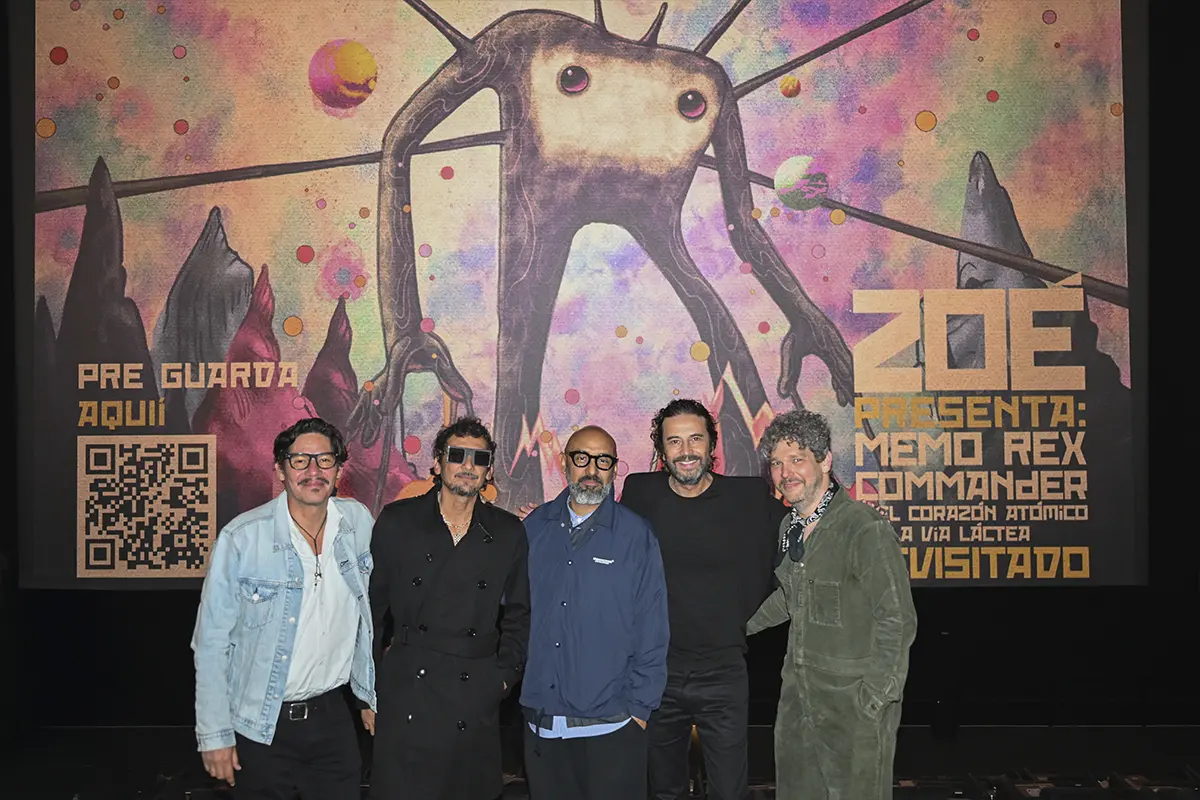

What happens to artists two decades after releasing an iconic album? Before the indie boom in Mexico and after the death of indie (and full-length albums) in Mexico (and in the physical world), Zoé left its mark on an alternative scene that won’t necessarily fade away as long as there are still soldiers standing. On December 17, 2026, the band will release *Memo Rex Commander y el Corazón Atómico de la Vía Láctea (Revisitado)*, a celebration of the album’s 20th anniversary featuring new versions by artists such as Sessa, Meme del Real, Los Mirlos, Portugal. The Man and Los Bunkers.
Art Weekends spoke with Sergio Acosta, the band’s guitarist, about this return to the album’s universe, the reinterpretations of their songs, and the art that continues to define them 20 years later.

Twenty years later, how do you view that moment in Zoé’s history?
It takes events like this to make you realize how many years have gone by. It’s been 20 years since this album came out, and it’s true that, for some reason, it has become one of the band’s most significant albums in people’s memories and in the history of alternative music in Mexico. I love knowing that, despite the passing years, people still embrace it, still listen to it, and still connect with those songs.
How did the idea come about to celebrate these 20 years by inviting artists from different scenes?
I had already done a couple of “Revisited” albums, which were also my own initiative back then. First with Reptilectric and then with Prográmaton. I made these two albums in collaboration with my friend Damián Romero, who organizes MUTEK in Mexico. Aside from being my friend, he has an impressive musical culture, in my opinion. We’ve always shared music. Those first two “revisited” albums were from a phase in Zoé’s career when we never stopped—we were always doing things—and I approached them in a much more experimental way. Maybe that’s also why collaborating with Damián was important.
What was the curation process like, or the task for the artists? The lineup includes both new Latin American groups and artists, as well as Meme from Café Tacvba…
The premise was that each guest artist would have complete freedom to do as they pleased. We’d give them the tracks, and they could do anything from creating a dance-floor remix—using only the vocals or a single instrument—to using nothing at all and reinterpreting the song from scratch. Although I really like these albums, it’s true that they’re very experimental—to the point where, to be honest, there are songs you don’t even recognize. There are certain versions by experimental electronic artists where you can barely recognize the original track. I didn’t want big names; I wanted people who could really bring something to the table.
So is there more respect, let’s say, for the original versions?
Yes, this time I wanted the songs to be respected—in the sense that the composition would be there so that the listener, the fan, would have the opportunity to reconnect emotionally with the song. Without getting too abstract: I wanted them to truly experience the song anew, and for whoever reinterpreted it to make it their own, while still helping us reconnect with the composition.
The original album is also very conceptual, from the title to the design. In that sense, Iván Krassoyevitch’s work is very revealing. How was he chosen as the artist?
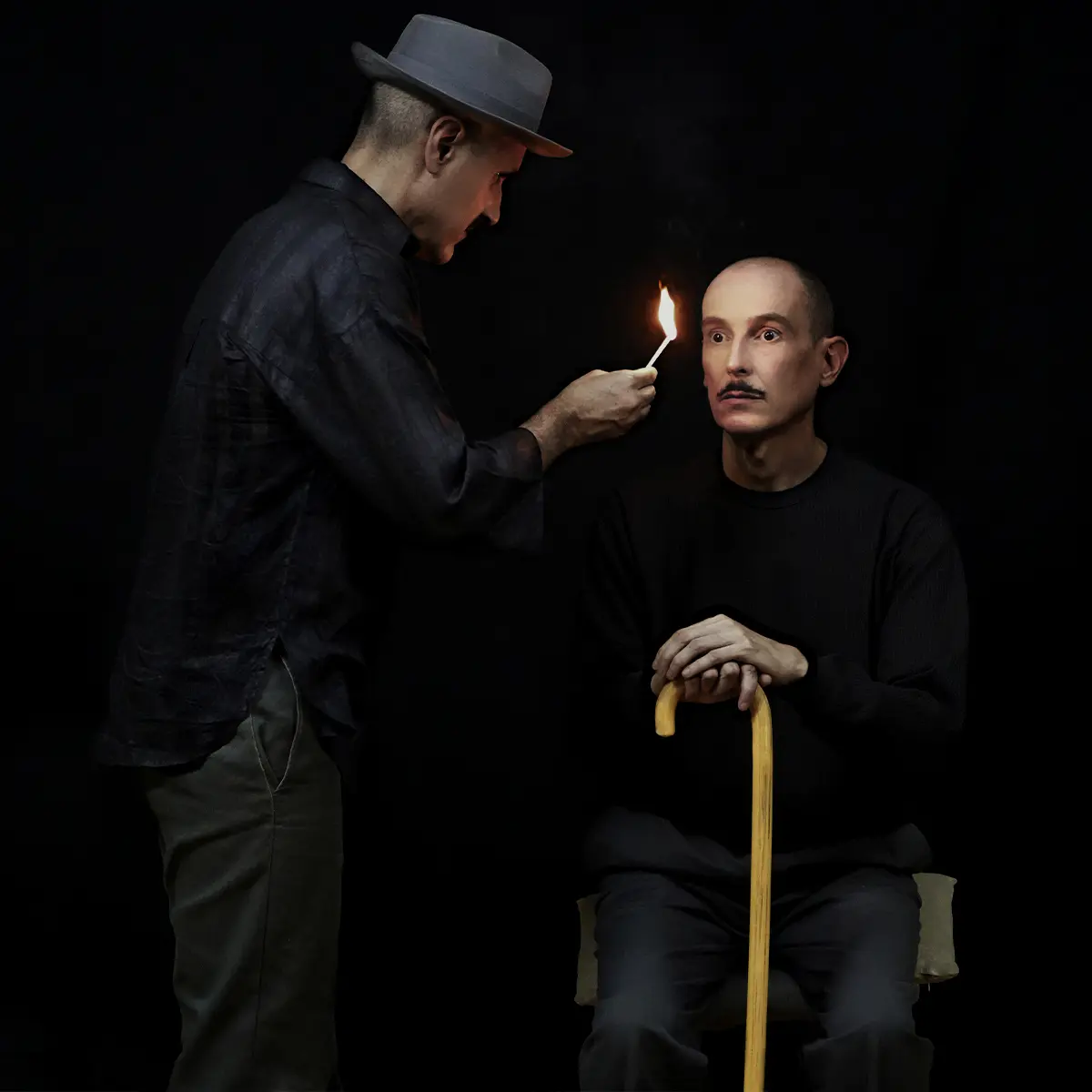
Iván has been a friend of ours for many, many years—even before he became an artist, I can tell you that. We’ve known him for a long time. The person who has always been 100 percent involved in Zoé’s album covers isn’t the record label—it’s León. León is always looking for ways to collaborate, with whom, and how. At that time, Iván had only been an artist for a short while, but I think León saw this painting—because it’s a small painting Iván did—at an exhibition and loved it. Right then, he envisioned it as the character.

Was the design originally created specifically for the album?
It wasn’t created specifically for the cover, but there was a connection, and then we did work on it. However, there was already a piece of art that was very inspiring to León, and that’s why he wanted to use it for the cover design as well.
So, did the character Memo Rex already exist, or did the character emerge from the painting?
I’m not entirely sure about the order of events. I think the title was already there; conceptually, the character—this really long title that ended up coming about. I do remember that we were still in the studio when León came up with that title. It seems to me that the painting, the character, and Iván’s collaboration came later.

There’s an urban legend—or I’m not sure if it’s official—that they first wanted to name it Memorex after the cassette brand, and then, for naming reasons, it ended up being called Memo Rex. It’s very fitting because it sounds like a first and last name. Was that how it happened?
Yeah, I think it had something to do with it. It’s true that, as members of Zoé’s generation, the fact that we used to make mixtapes on Memorex cassettes is absolutely true. So, what you mentioned must have had something to do with it.
If Memo Rex was 20 years old back then, he’d be about 40 now. Just for fun, if he were a person, what would he be like? Would he keep up with the latest trends? What kind of music would he listen to?
Rather than keeping up with trends, I think I’d be someone who’s curious about art in general. Curious about music, film, literature, and art. I’d be looking for things that catch my attention, that inspire me, without necessarily focusing on what’s setting a trend. Someone eager and hungry to find things that stimulate me artistically.
Speaking of that search, weren’t you tempted to include sounds that are currently in vogue, or urban artists who would interpret the songs from that perspective?
Well, no, right? It’s not like there was any exclusion, like saying, “We’re not going to touch that genre.” The songs just fell into place with these artists in a very natural way. It’s true that I was suggested a few others I didn’t know either, and I didn’t see them as a good fit for the song. No one really from today’s urban scene, but I’m not saying I would have been closed off to it if something like that had come up.
On previous occasions—for example, when Alejandro Fernández covered one of your songs—did you have anything to do with it? What did you think of that unusual collaboration?
I wasn’t involved in curating that album. It was another project by the record label and the office. To me, honestly, the fact that people with that kind of reach, that caliber, and everything that that other world has to offer participated and wanted to reinterpret Zoé’s songs is wonderful.
Getting back to Iván’s piece—do you know if it sold, if it’s available, if it’s part of his collection, or if it physically exists?
That piece actually exists, and León quickly got his hands on it—he managed to snag it. It’s hanging on a wall somewhere in León’s house, and it looks great.
That piece must be worth several million by now, I suppose.
I don’t know, but I think its sentimental value is what matters most.
Discover more stories about art and its intersections with music in AW Magazine.