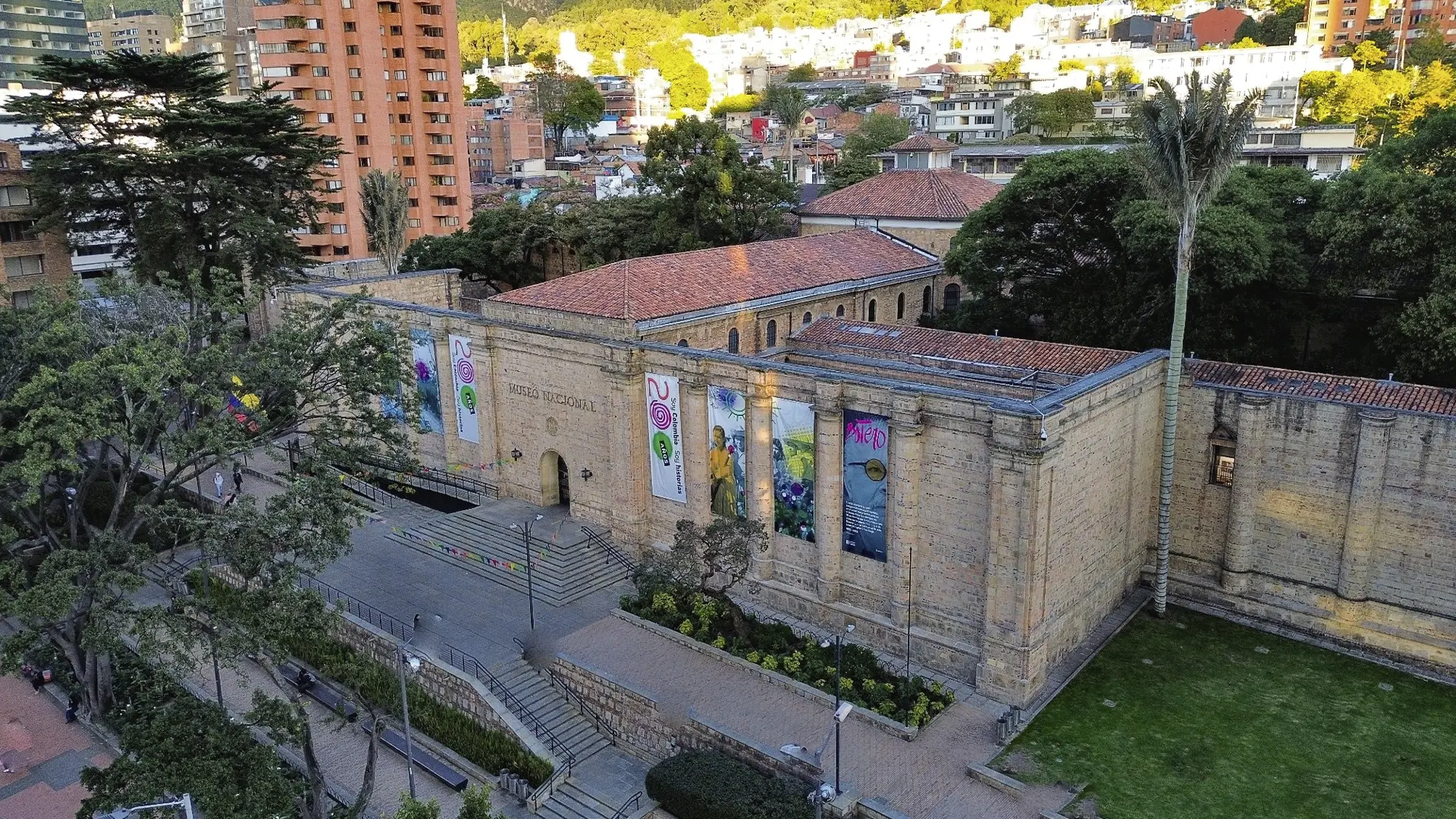

Let’s imagine that decades and decades of history were erased from the halls of a museum by official order—from a museum!—a space that is supposed to be there to preserve that history and share it.
A flag, a photograph of a feminist march, or even an election poster can tell that part of the story that doesn’t always appear in books or on the internet.

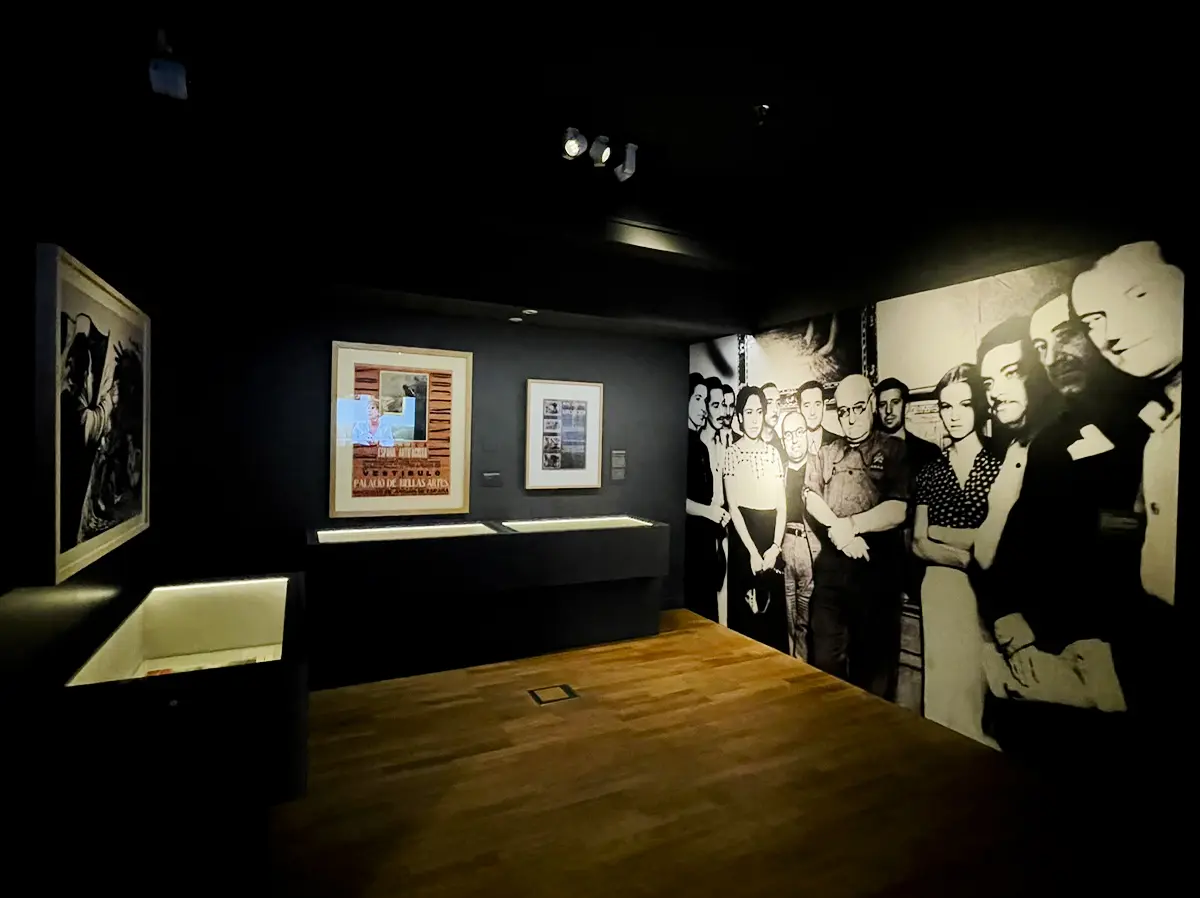
That happened at the National Museum of Colombia in Bogotá. On October 15, dozens of objects related to social movements, sexual diversity, and the country’s political history—which did not align with the current administration’s views—were removed.
Haven’t we already been through this during the dictatorships? At first, there was talk of about 30 items being removed. But no—the list submitted to the court listed 63 items that had been removed, 22 of which were classified as cultural heritage pieces. The rest consisted of objects on loan, facsimiles, and museum support materials.
cultural counterrevolution
The blatant censorship sparked a debate over the autonomy of museums and the limits of government intervention. It coincided with the announcement of a “cultural counterrevolution” by President Abelardo de la Espriella, who instructed his minister, Paola Holguín, to remove from public spaces depictions that he described as “glorifying terrorism.”
According to the Ministry’s response to the court, the dismantling was carried out in compliance with a presidential order and affected five of the museum’s 17 galleries. The institution maintained that the objects would not be destroyed (as if that were the case) but would remain under proper technical conditions for storage, safekeeping, and preservation.
The Stories That Came Out of the Courtrooms
Among the items removed were a Pride flag that belonged to activist Elizabeth Castillo and a poster from Bernardo Jaramillo Ossa’s presidential campaign. Also included was the so-called “balígrafo,” a pen made from a bullet and used to sign the 2016 Peace Agreement.
The inventory also included a pamphlet on reproductive rights from the Si Mujer Foundation, a T-shirt from the Lesbian Moms Group, and materials from a campaign for the 2006 LGBT march. It also included works by artists such as Antonio Caro and Miguel Ángel Rojas.
According to a report in the newspaper *El País*, posters related to Carlos Pizarro Leongómez, the ballot for the Seventh Referendum—the citizens’ initiative that led to the 1991 Constitution—and many more photographs were also removed. Such as one of a wall dedicated to the country’s cultural, social, and political diversity.
The variety of these materials explains the scope of the controversy. These are documents and objects that shed light on rights, conflicts, and forms of civic engagement in Colombia. When they are removed from the exhibition, some of the references that help the public interpret these processes disappear from the exhibition. As a result, the trail of a history that deserves to be told is lost.

Museums also spoke out
The protest brought together the modern art museums of Bogotá, Medellín, Barranquilla, and Cartagena, along with the Rayo Museum and the Tolima Museum of Modern Art. In a joint statement, they called for respect for the museums’ autonomy. “No government should decide what we can see of our history based on its political leanings, ” was part of the statement of protest.
ICOM Colombia later joined the protest with another statement. The statement questioned the intervention and its consequences for the autonomy of museums. The protest also spilled onto the streets, with angry demonstrations in front of the National Museum.
The Government’s Position
The government defended the removal as part of its announced “counterrevolution.” The somewhat reviled Minister Paola Holguín argued that public museums should not serve as instruments of “political indoctrination” or spread biased versions of history.
Holguín also stated that the state has a “moral and political duty” to prevent cultural spaces from being taken over by what he called “social-communism.” His stance shifted the debate to the ideological realm, while cultural institutions demanded independence for their curatorial work.
In its response to the court, the Ministry denied that this constituted censorship and argued that the measure was related to technical management, the diversity of the collections, and something rather strange it called “institutional neutrality.”

An order to return the parts
The dispute took a new turn on October 28, when Bogotá’s 24th Family Court ordered the Ministry and the National Museum to reinstate the 63 works within 48 hours in the same rooms and locations where they had been displayed. It also ordered them to refrain from removing works for reasons related to their content or the viewpoint they express. The information cited regarding the ruling does not confirm that the reinstatement has already taken place, nor does it specify the legal or civil consequences should it not be carried out.
This issue raises a question: Who decides which parts of history deserve to remain in the public eye? Some objects or works may be unsettling, but they also allow us to acknowledge the experiences of those who, for a long time, were left out of the narrative established by those in power.
Discover more stories about art, censorship, and society in AW Magazine.