
José de la Mano opened his gallery in Madrid in 2005 with an exhibition dedicated to Virgilio Vallmajó. Since then, he has brought to light works, archives, and the careers of Spanish artists from the second half of the 20th century who had received little attention in exhibitions or art history. His research has also expanded to include Latin American artists and the relationships between Spain and Latin America. In September 2026, the gallery moved its headquarters to Alameda 3, near the Paseo del Prado.
Gallery Profile
José de la Mano holds a Ph.D. in Art History. When he opened the gallery in 2005, he focused the program on 20th-century Spanish art and began to explore artists and movements that were scarcely represented in galleries and exhibitions at the time. The first exhibition was dedicated to Virgilio Vallmajó (Olot, 1914–Toulouse, 1947), a Republican painter exiled in France whose work evolved from Neocubism to geometric abstraction. In the following years, the gallery presented research on Luis Feito prior to his time with El Paso, Joan Puig Manera, Manuel Calvo, José Duarte before the formation of Equipo 57, and Jesús de la Sota.
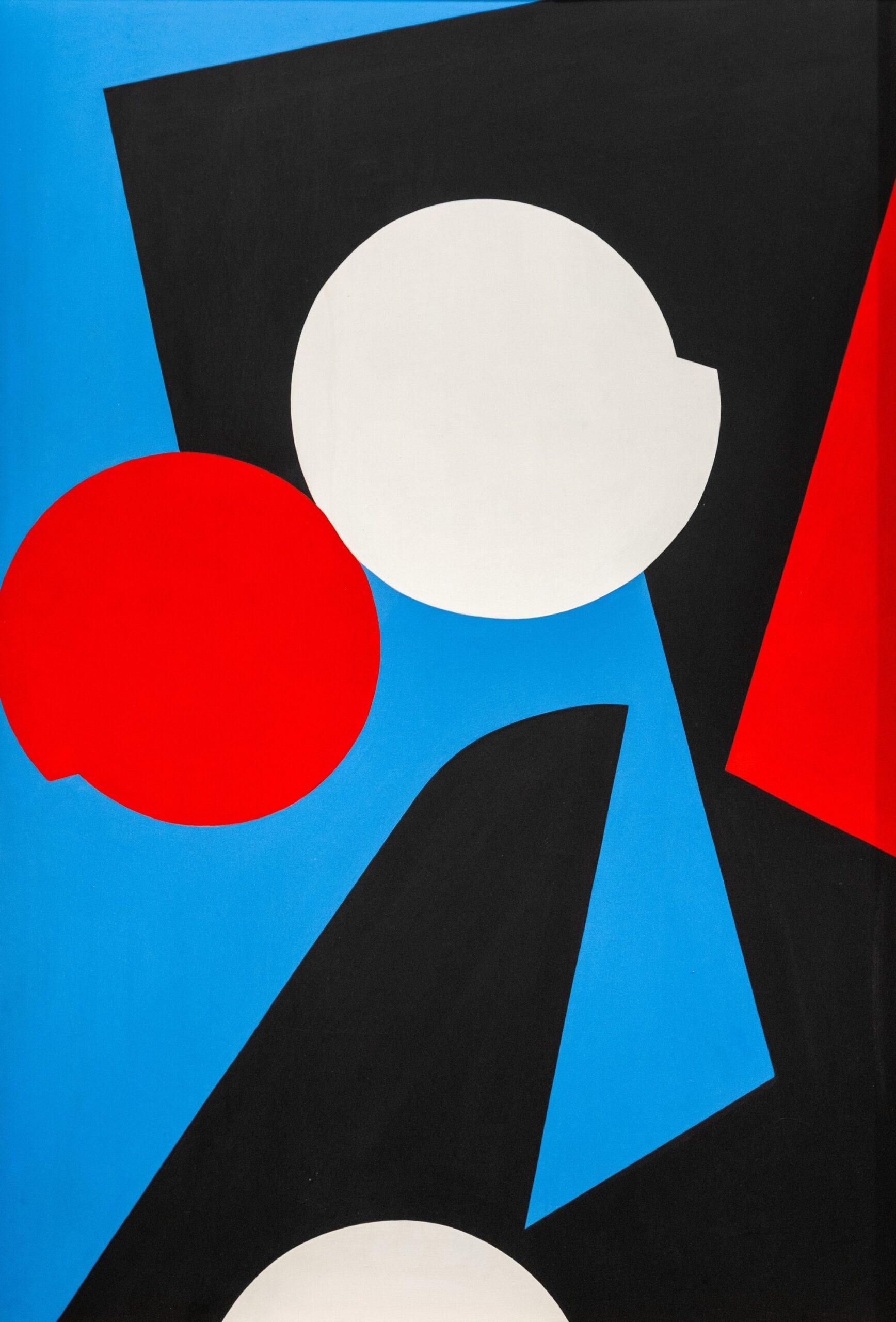
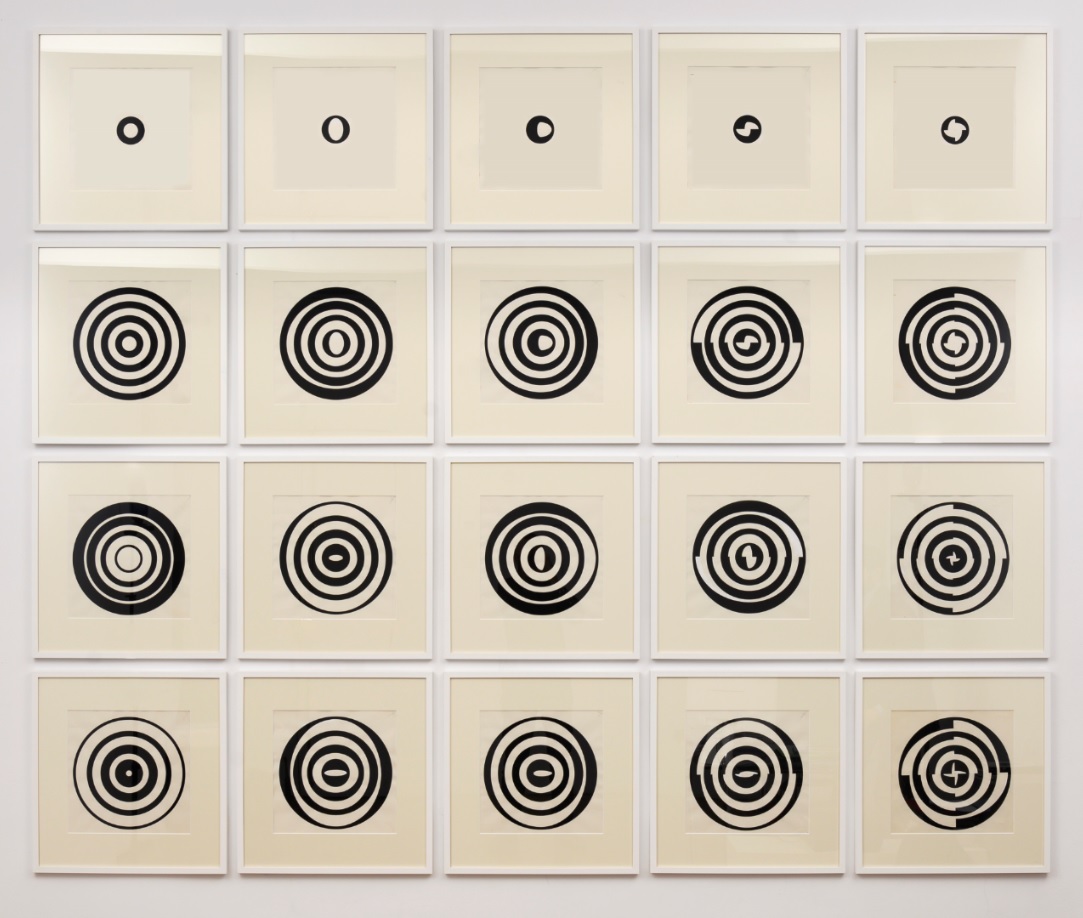
Geometric abstraction has been a major focus of this work. Manuel Calvo, José María de Labra, Ángel Duarte, José Duarte, Tomás García Asensio, José Luis Gómez Perales, and Lugán allow us to trace the development of artistic practices in Spain since the 1950s and, later, the intersections between art, mathematics, and computing centered around the University of Madrid’s Computing Center. In 2024, for example, the gallery presented *Gómez Perales and the Computing Center: Modular Constructions [1967–1972]*.
Following its locations on Claudio Coello and Zorrilla 21, José de la Mano opened a new street-level space at Alameda 3, in the Barrio de las Letras, in September 2026.
Program
Why Go
José de la Mano’s exhibitions are typically based on specific research projects. One such project has made it possible to reconstruct the work of women whose representation in exhibitions and publications did not reflect the work they had done decades earlier.
Lola Bosshard (Geneva, 1922–Madrid, 2012), who had been living in Spain since the 1940s, worked in geometric abstraction and participated in some of the artistic renewal movements of the 1960s and 1970s. The gallery dedicated an exhibition to her in 2023.
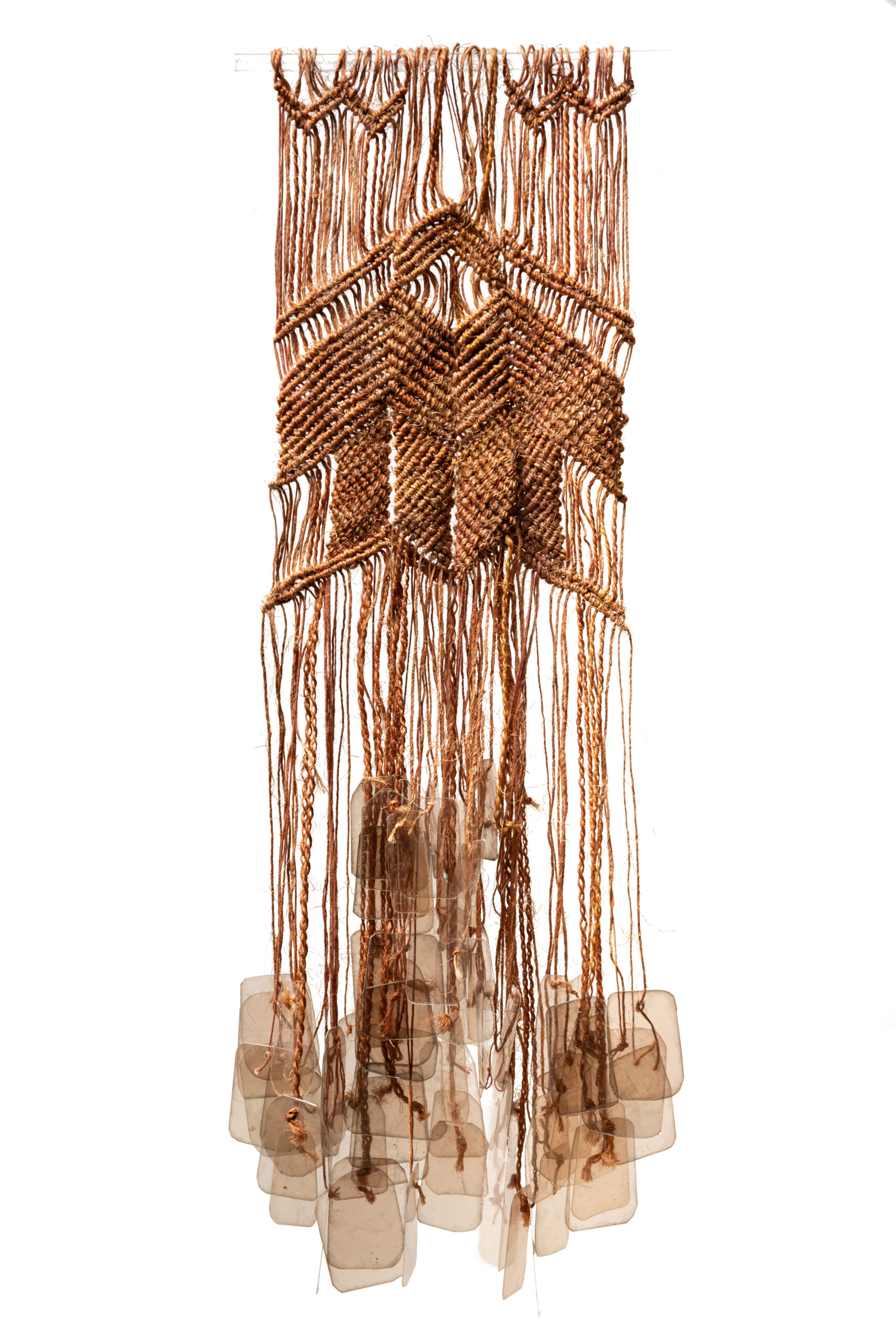
In 2024, it presented *Abstract Sensuality [1970s]* by Maribel Nazco (Los Llanos de Aridane, 1938), featuring works created over a decade during which the artist worked with metal sheets and surfaces. A year later, it exhibited textile sculptures by Aurèlia Muñoz (Barcelona, 1926–2011), whose work with fibers, knots, and three-dimensional structures began in the late 1960s.
Chilean artist Ester Chacón Ávila (Santiago, Chile, 1936) was the focus of the 2026 exhibition *Textile Creatures [1974–1988]*. After living in New York and settling in Paris, Chacón worked with fibers and knotting techniques to create three-dimensional pieces. The exhibition featured eight large-scale works created between 1974 and 1988.
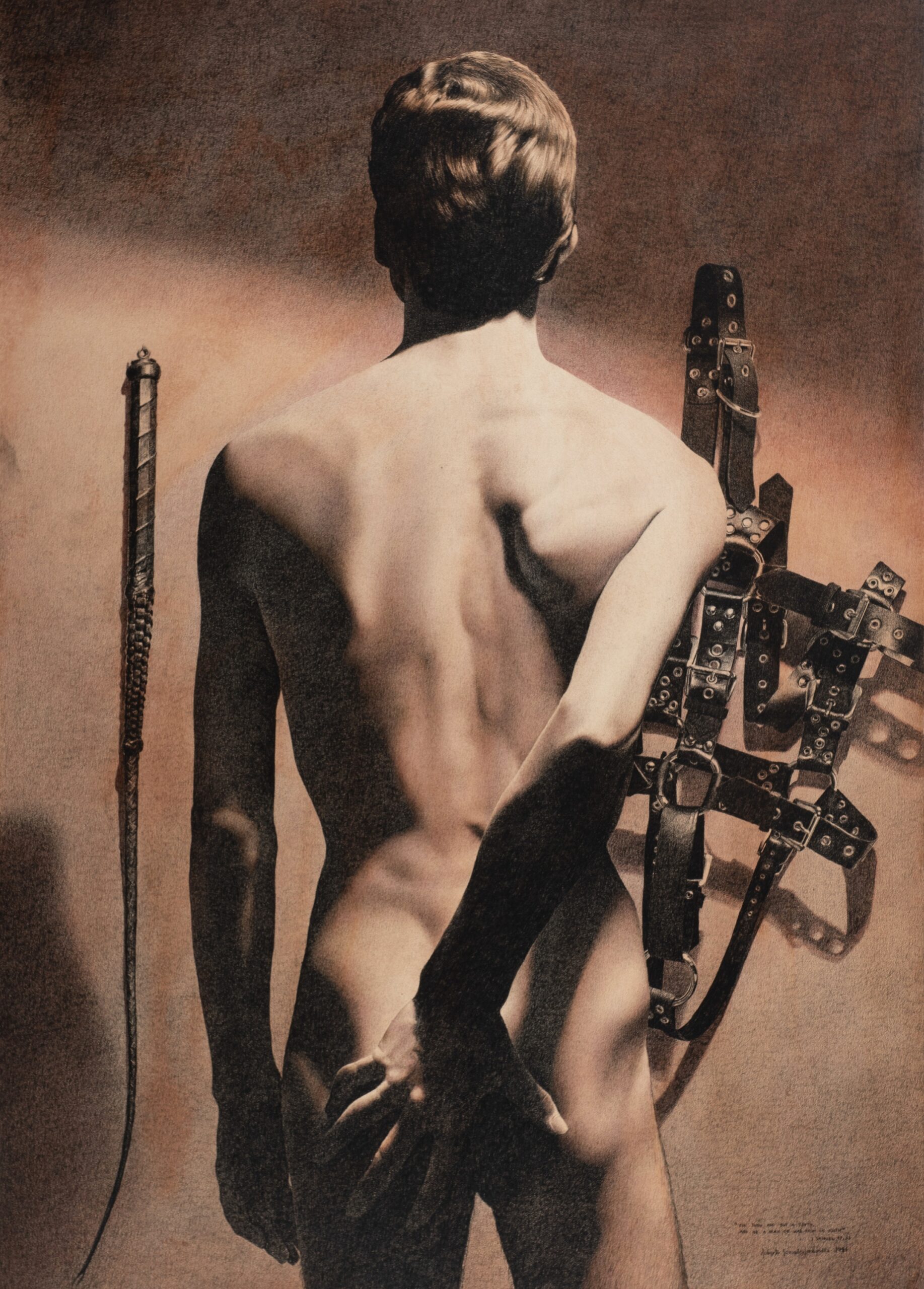
José de la Mano has also identified and exhibited works related to the depiction of homosexuality, created at a time when such images were scarcely seen in public in Spain. In 2023, he presented paintings by Juan-Luis Javier Marí, JULUJAMA, dated between 1973 and 1981. In 2025, *Otros hombres* brought together homoerotic works created by Roberto González Fernández between 1973 and 1985.
What to Expect
Recovered History(ies). Two Decades of Reconstructing “Another” History of Art marked the opening of the new Alameda 3 location during Apertura Madrid Gallery Weekend 2026. The exhibition brings together works related to research conducted by the gallery since its opening.
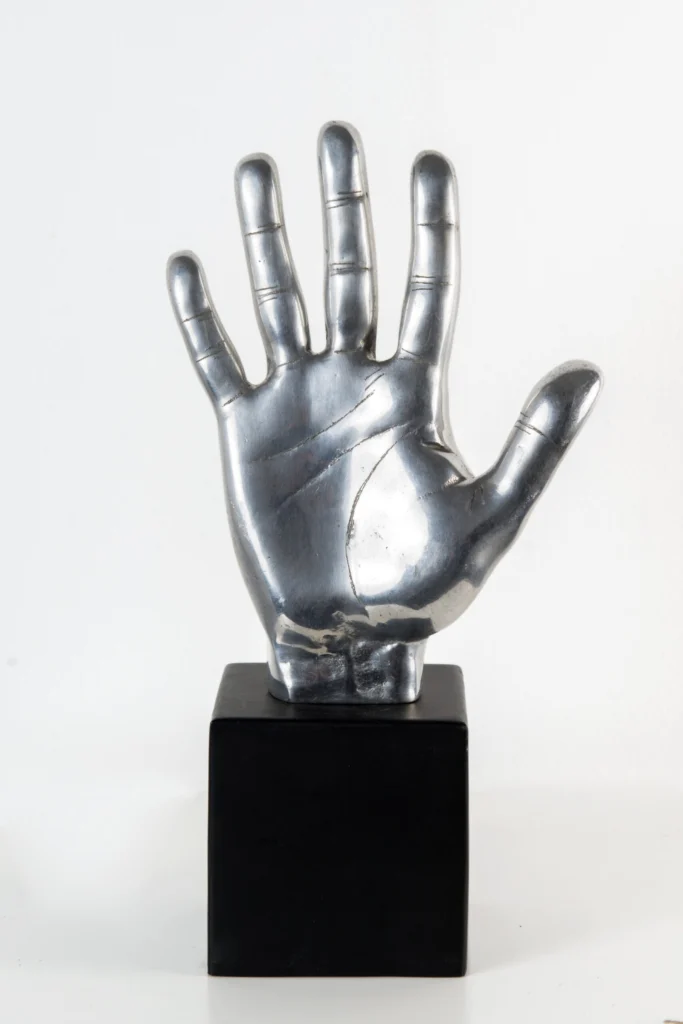
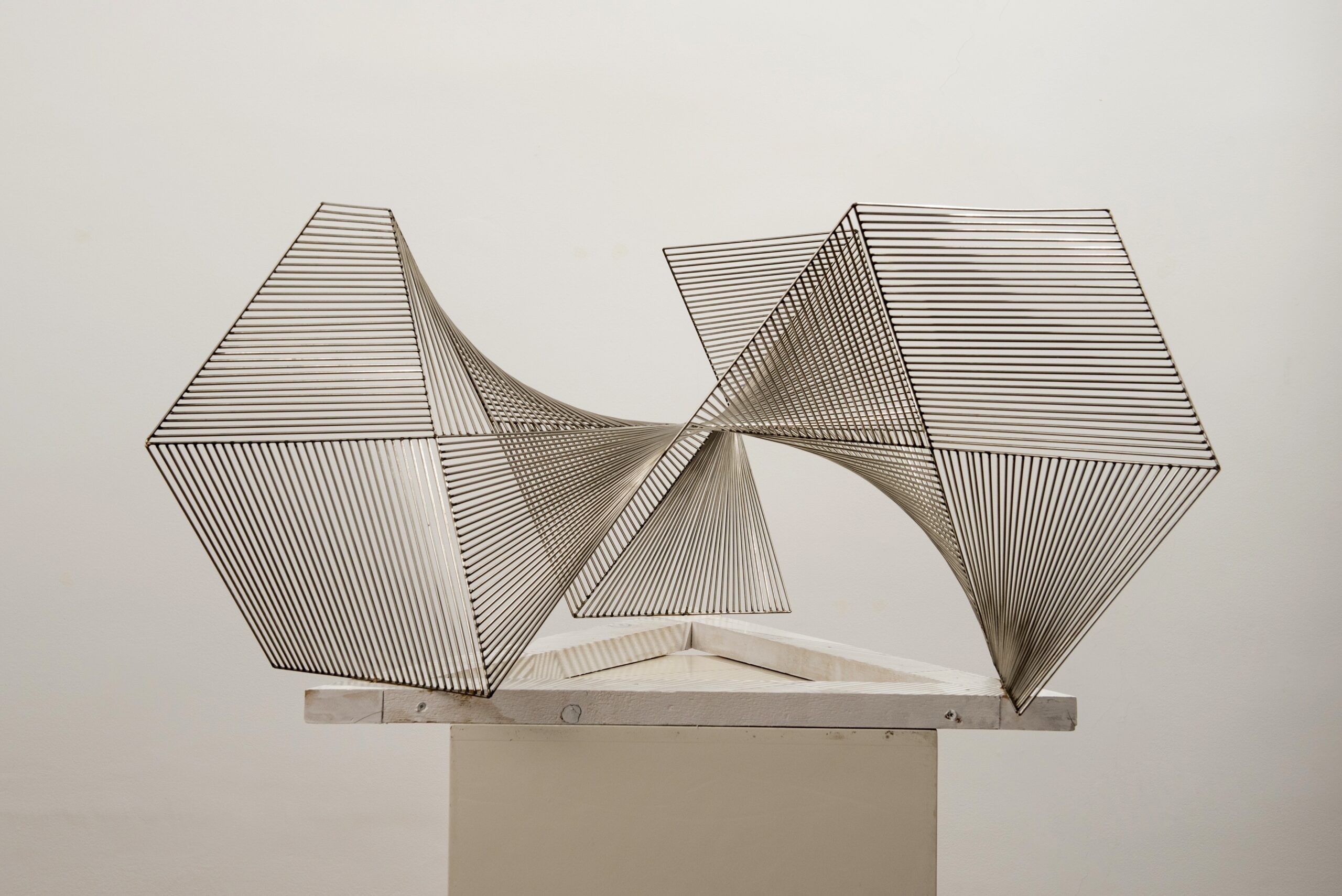
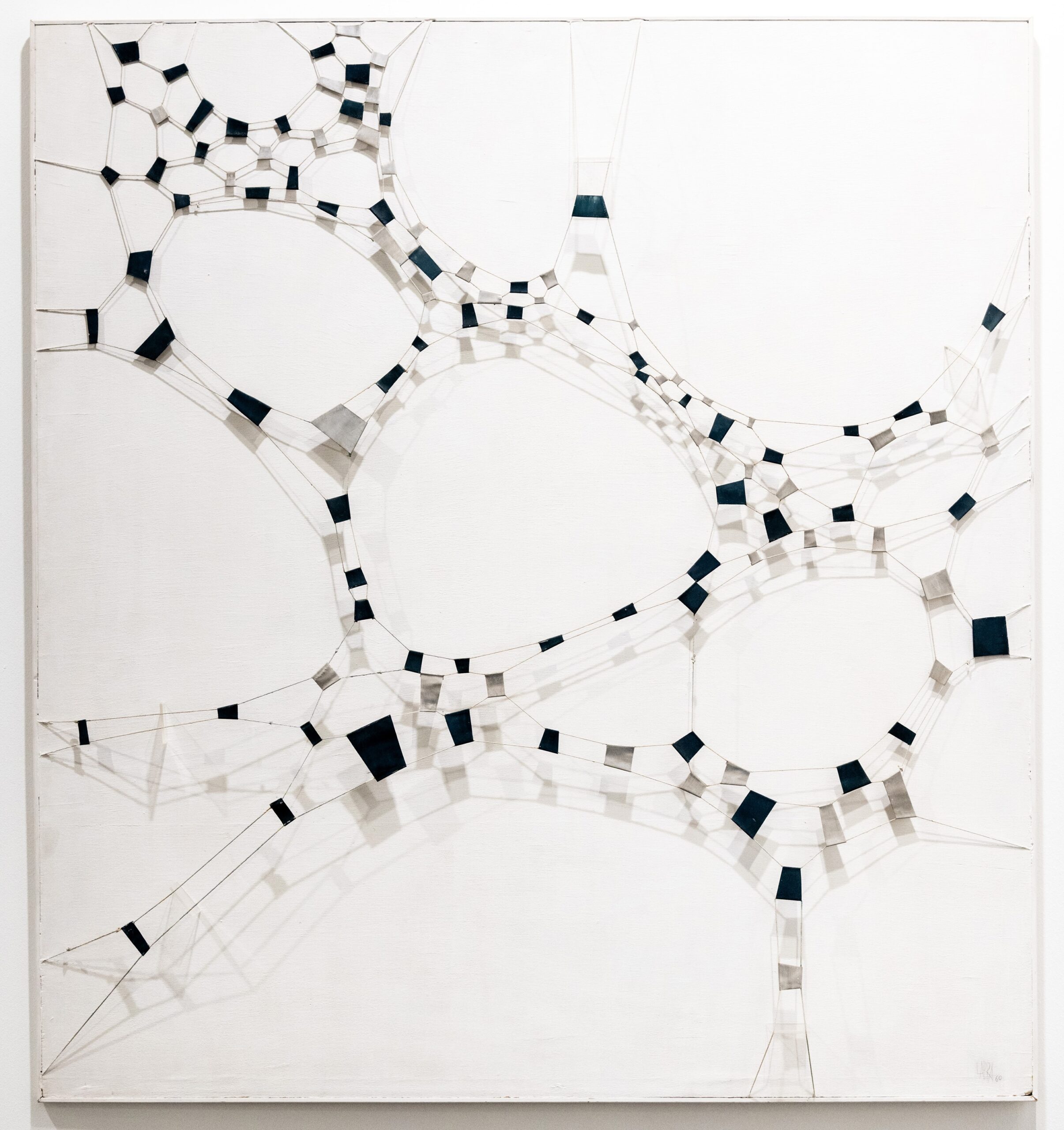
Geometry appears in works by Manuel Calvo, Ángel Duarte, José María de Labra, José Luis Gómez Perales, Tomás García Asensio, and Lugán. *Artist’s Thermal Hand*, created by Lugán around 1973 using aluminum and iron, belongs to the period when the artist incorporated electronics, sensors, and viewer participation into his works. On display is a 1960 sketch by José María de Labra for the Eume power plant and a 1970 work by Tomás García Asensio, chronologically linked to the years of the Computing Center.
The exhibition also includes *Blue Bird with Mica* (1972) by Aurèlia Muñoz, made with sisal ropes and sheets of mica. The piece dates from the period when Muñoz gradually moved away from the traditional tapestry format to work with suspended, three-dimensional textile structures.
Works by Roberto González Fernández and JULUJAMA revisit another of the themes explored by the gallery: homoerotic representations created in Spain during the final years of the Franco regime and the early years of the Transition.
What to Do Nearby
The new location is at Alameda 3, between the Barrio de las Letras and the Paseo del Prado. La Fábrica, which carries books on photography, art, and visual culture, is located at Verónica 13. It’s just a few minutes’ walk from the gallery.
Casa González has been located at León 12 since 1931, in a former grocery store. It still has the store at the entrance and a small dining area offering cheeses, cold cuts, preserves, and wines.
You can also walk to CaixaForum Madrid from Alameda. The tour takes visitors from a historical research gallery to a cultural center featuring temporary exhibitions and other types of activities. The former Mediodía power plant, transformed by Herzog & de Meuron, also offers an opportunity to reflect on the relationship between the brick factory and the contemporary addition.


