Founded by Issa M. Benítez in 2012, Proyecto Paralelo runs a program in Mexico City where exhibitions are complemented by artist’s books, printmaking, and publications. After several years in the Condesa neighborhood, the gallery is now located at Varsovia 33 in the Juárez neighborhood and continues to work with artists such as Melanie Smith, Ignasi Aballí, Jonathan Hernández, and Cynthia Gutiérrez.
Gallery Profile
When Proyecto Paralelo opened on April 16, 2012, Issa M. Benítez was returning to Mexico after fifteen years in Madrid. There, together with Fernando Cordero, he had developed La Caja Negra, a project launched in 1998 focused on publishing prints, books, and collaborations with artists. His time in Madrid left a recognizable mark on the new gallery.
The first exhibition was Prologue, by Ignasi Aballí. The Catalan artist worked with elements that had appeared in his work for years (words, classifications, nearly imperceptible materials, and systems used to organize reality). In one of the series on display, different transparent varnishes were distinguished by their names and codes, even though the visual differences were difficult to perceive. The exhibition also highlighted another aspect of the project. Alongside the exhibitions were workshops and a line of artist’s books and publications related to La Caja Negra.
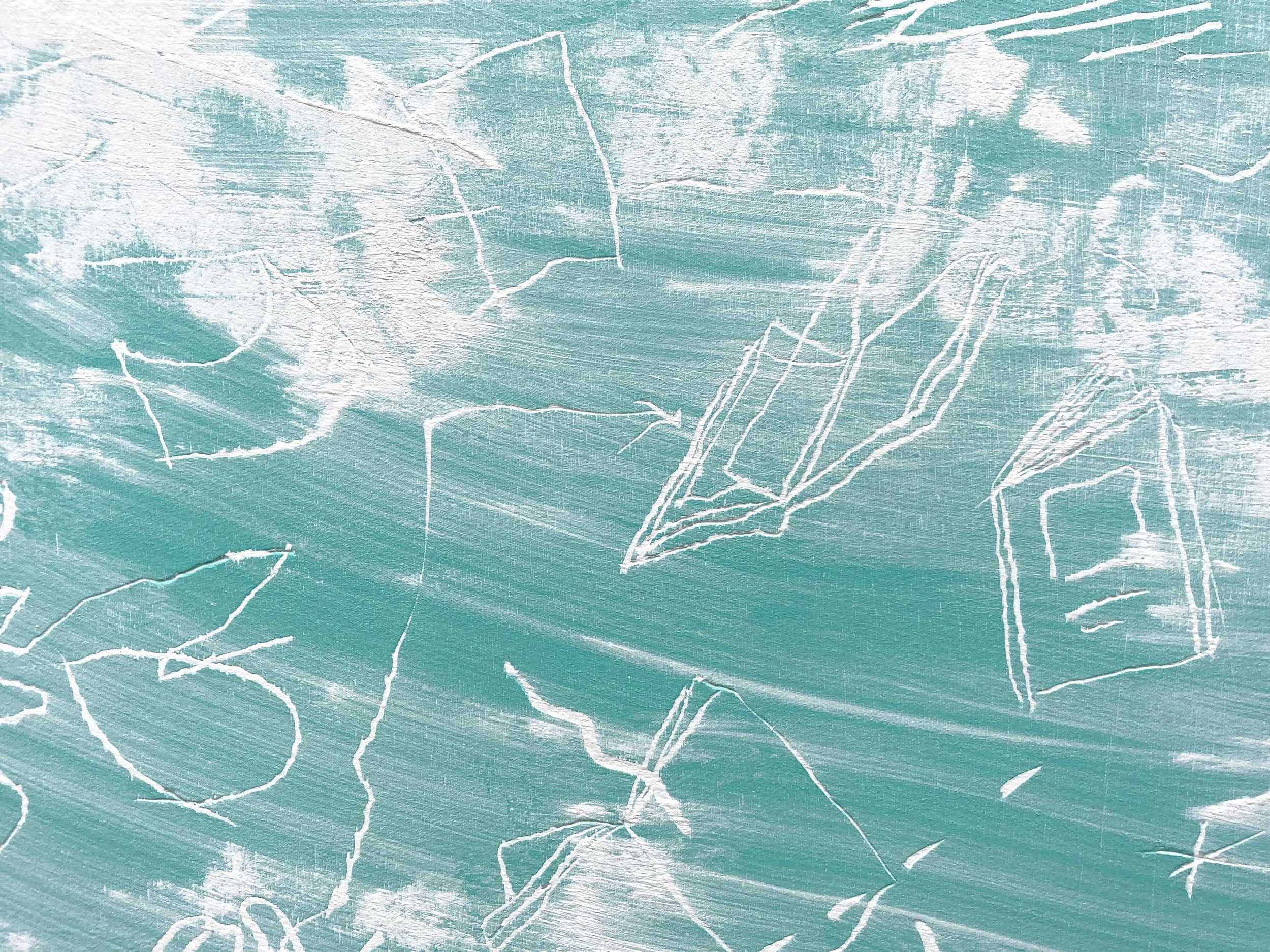
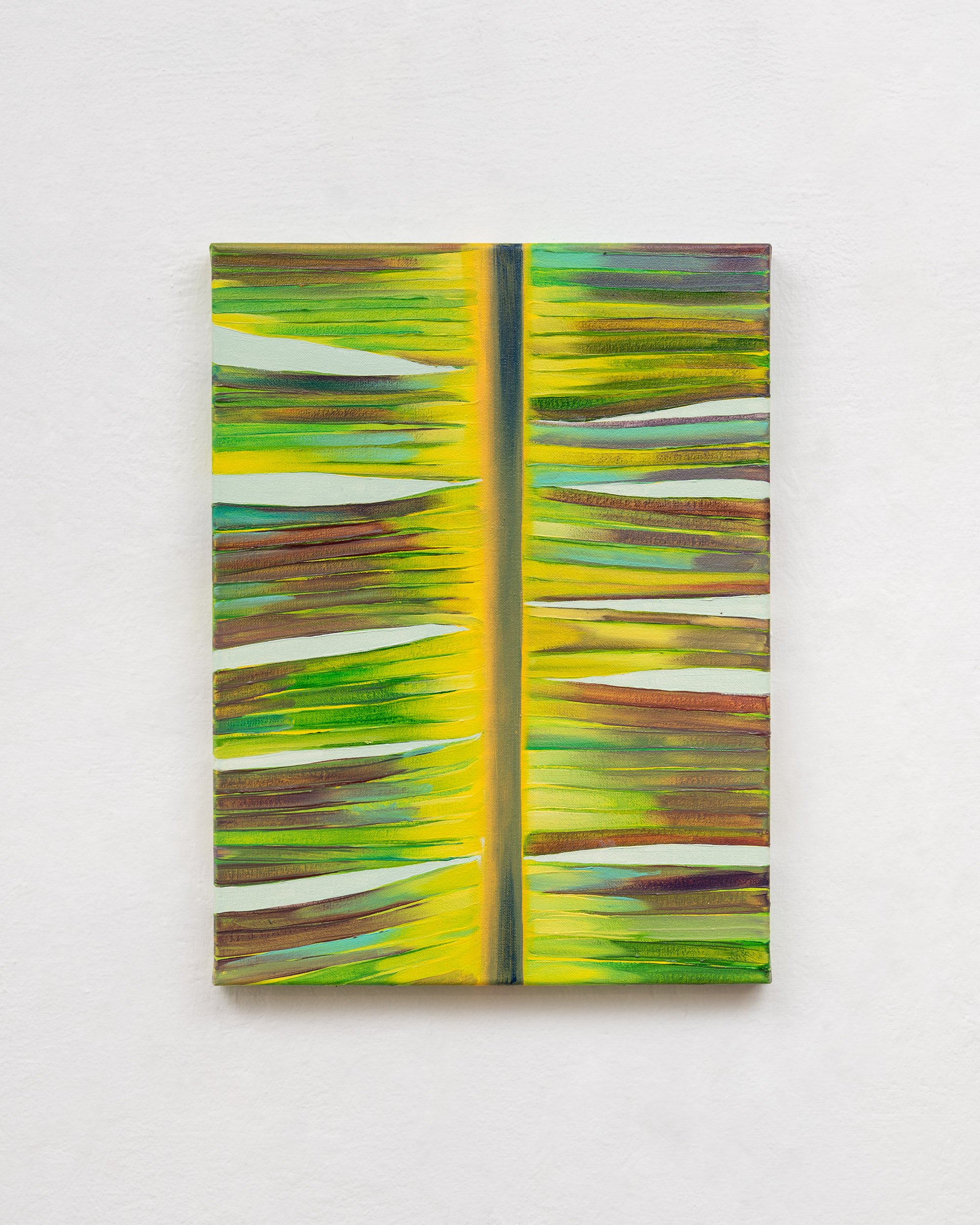
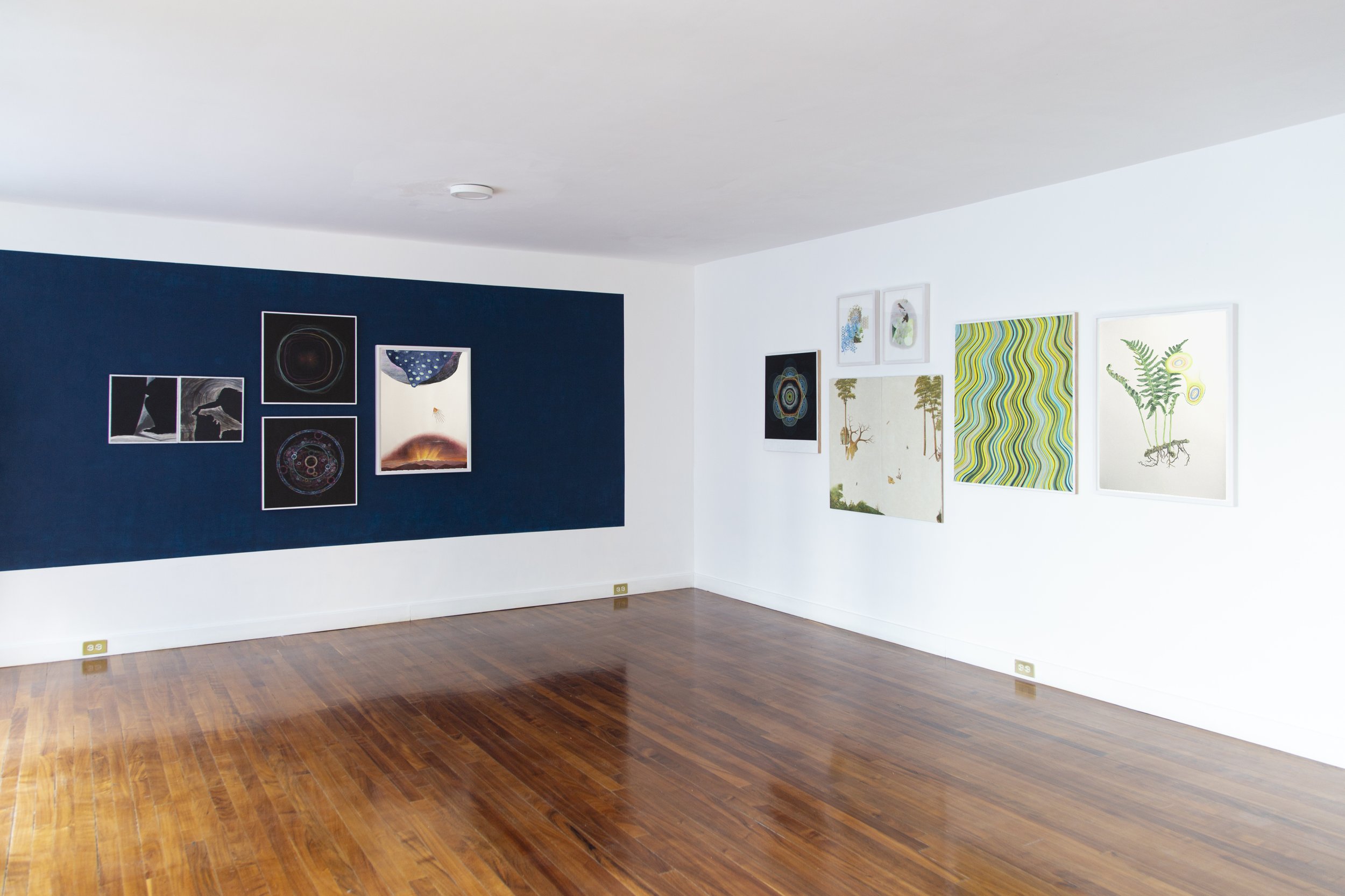
Over the following years, the program brought in artists from different generations and backgrounds. Melanie Smith presented her first solo exhibition with Proyecto Paralelo, maps, mud, and world(s), in 2015. Cynthia Gutiérrez had presented *Coreografía del colapso* a year earlier and would later return with new projects. Jonathan Hernández, who began collaborating with the gallery in its early years, has used photography, collage, found objects, and printed material to explore forms of representation and situations drawn from Mexican public life.
The editorial work followed its own course. In 2019, *The Multiple and Its Property* looked back on twenty years of La Caja Negra’s publications through projects carried out with artists such as Aballí, Hernández, Jan Hendrix, Antoni Muntadas, Liliana Porter, and Regina Silveira. Currently, this line of work continues through the ephemera project, dedicated to artist books, prints, multiples, and other printed materials.
After years at Alfonso Reyes 58 in the Condesa neighborhood, Proyecto Paralelo moved to Varsovia 33 in the Juárez neighborhood. In September 2026, the gallery opened there *Lessons in Printmaking (1975–1986)*by Jan Hendrix, an exhibition that focuses precisely on his early training and the early years of his printmaking career.
Why Go
Some of Proyecto Paralelo’s relationships with its artists have been forged over more than a decade. Melanie Smith, who was born in the United Kingdom and has been based in Mexico since the late 1980s, presented *maps, mud, and mundo(s) * at the gallery in 2015. Lauren A. Wright wrote about that exhibition in Frieze, focusing on the circulation of images across film, painting, and collage, and on the way Smith constructed and deconstructed systems of classification.
By then, Smith had represented Mexico at the 2011 Venice Biennale. Between 2018 and 2020, the retrospective *Farsa y artificio* traveled to MACBA in Barcelona, MUAC in Mexico City, Museo Amparo in Puebla, and MARCO in Monterrey. When he returned to Proyecto Paralelo with *Clusterfuck* in 2024, it was already his fourth solo exhibition with the gallery.
Ignasi Aballí has had an equally long-standing relationship with the project. Proyecto Paralelo opened in 2012 with *Prologue*, his first exhibition at the gallery, and he presented it again ten years later with *(Provisional Title)*. That same year, Aballí represented Spain at the Venice Biennale with *Corrección*, an installation that altered the proportions of the Spanish Pavilion by constructing new walls inside it. In 2015, the Reina Sofía Museum dedicated the exhibition *sin principio / sin final* to him, a retrospective spanning more than a decade of his work.
The publishing house has been part of Proyecto Paralelo since its early months. Issa M. Benítez had worked in Madrid with La Caja Negra, founded in 1998, where collaborations with artists gave rise to graphic works, photography, books, and multiples. That work continues at Proyecto Ephemera, with artist’s books. The catalog includes both works by artists associated with Proyecto Paralelo and publications by Joan Jonas, Joseph Beuys, Ben Vautier, and Luis Gordillo. Some stem from collaborations developed specifically with the artists, while others expand the publishing archive that the gallery maintains alongside its exhibitions.
Jan Hendrix has been working with La Caja Negra since before the opening of Proyecto Paralelo. The current exhibition, *Lessons in Printmaking* (1975–1986), revisits the years when printmaking played a central role in his artistic development and his arrival in Mexico. Hendrix arrived in the country in 1975 on a scholarship to study landscape and settled there permanently in 1978. The works gathered at Varsovia 33 predate the larger-scale projects he would later develop around botany, cartography, and ways of documenting the landscape.
What to Expect
*Lessons in Printmaking* (1975–1986) brings together works created by Jan Hendrix during his early years as a printmaker. Born in Maasbree, the Netherlands, in 1949, he studied at Ateliers ’63 in Haarlem and later at the Jan van Eyck Academie in Maastricht. He arrived in Mexico in 1975 on a scholarship to study the landscape and settled permanently in the country in 1978.
These works date from the years when Hendrix was exploring the possibilities of printmaking to capture forms found in the landscape. Repetition, variations on a single image, and techniques typical of printmaking appear before botanical and cartographic references took on a more recognizable role in his body of work.
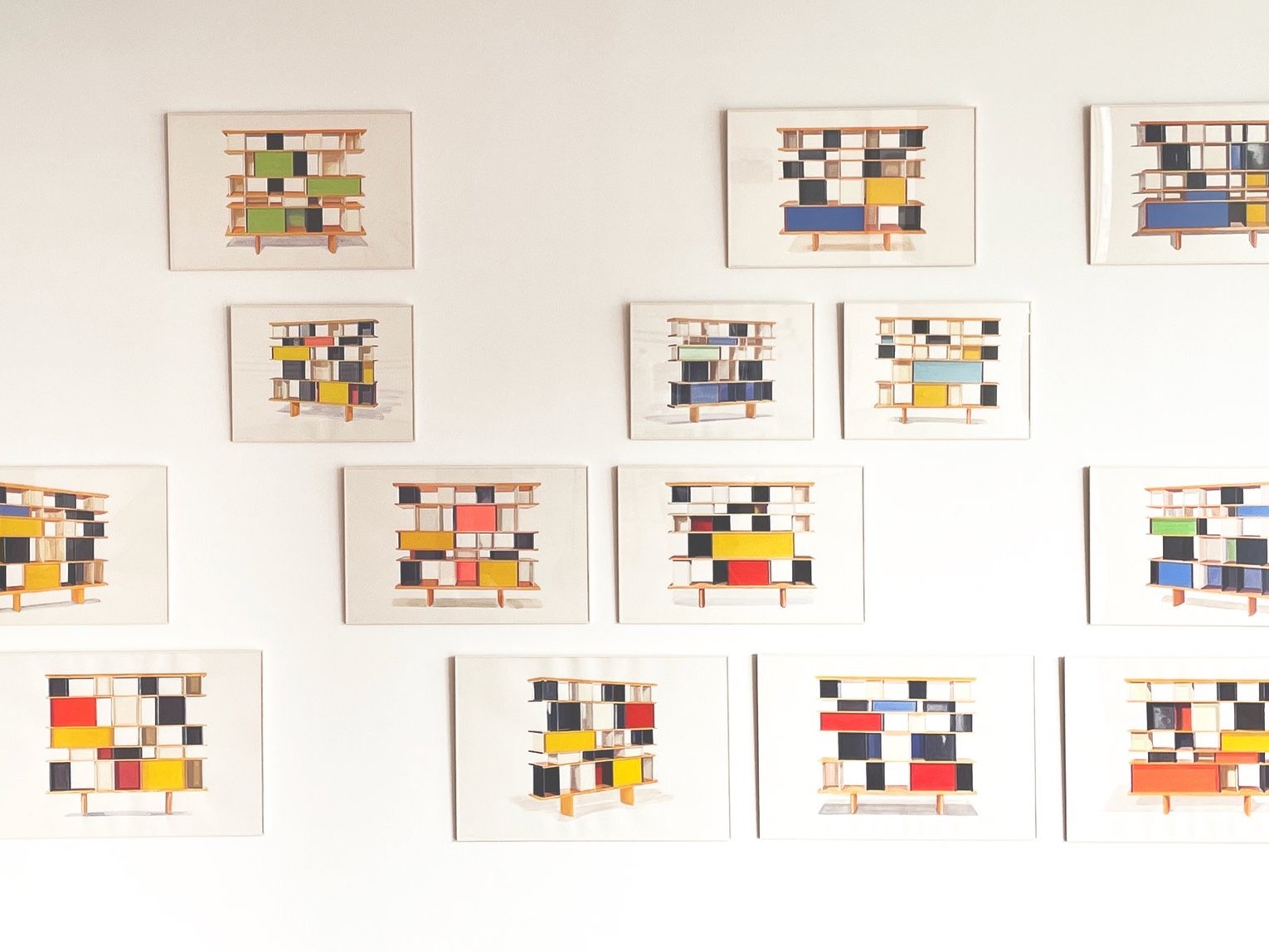
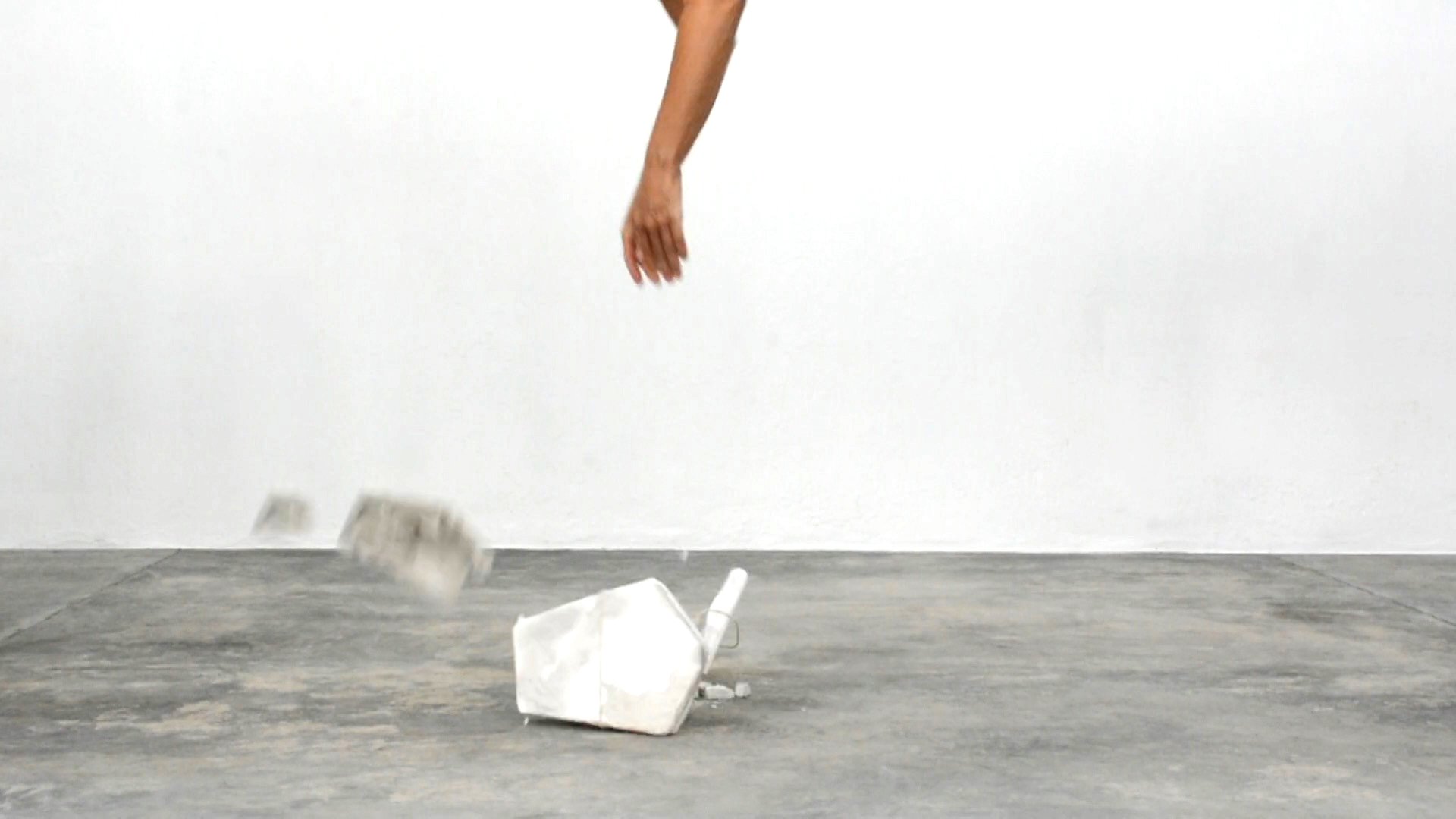
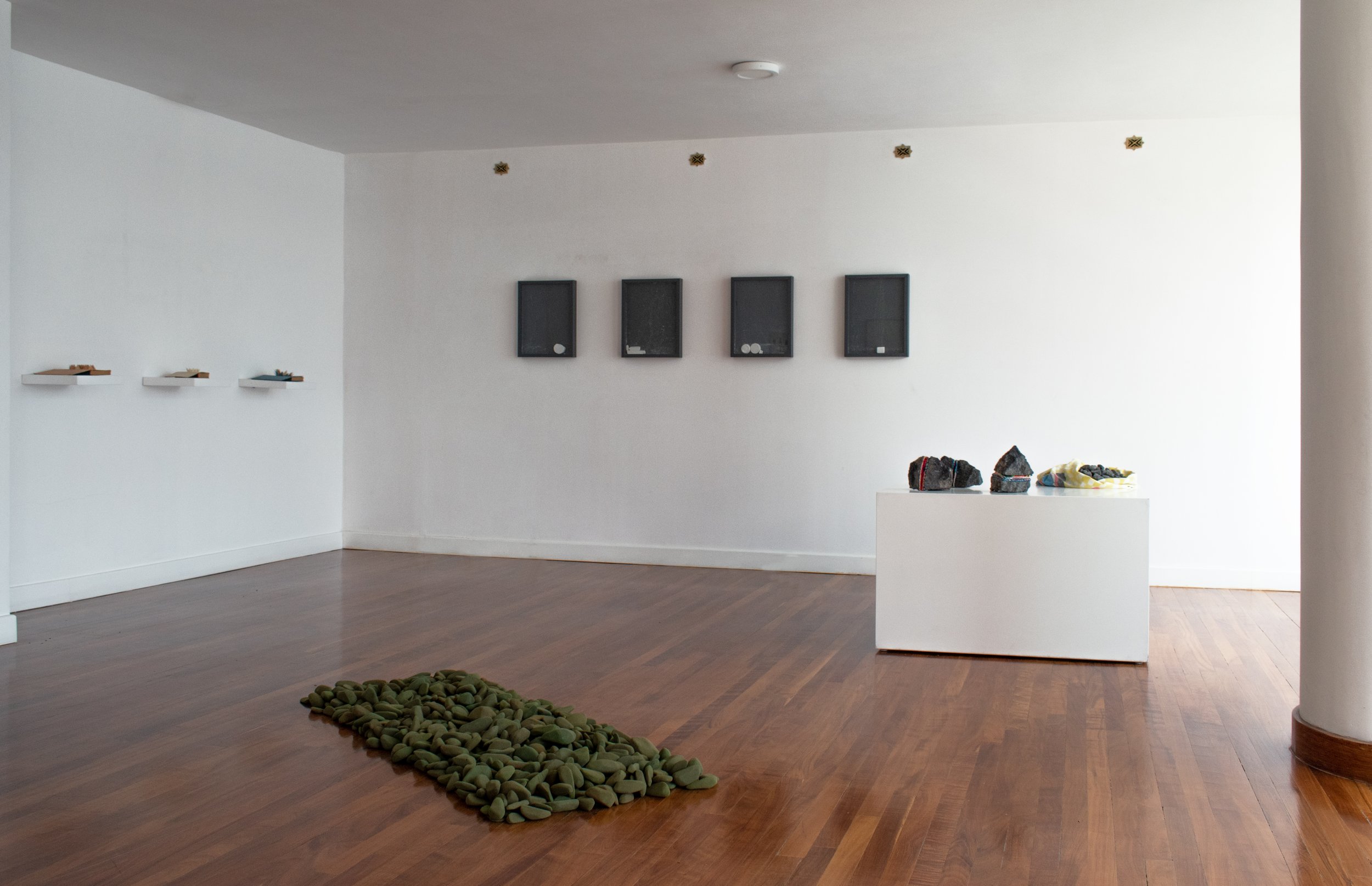
Decades later, some of those concerns resurfaced in works of different formats and dimensions. In 2019, the MUAC presented *Tierra firme*, his first retrospective, curated by Cuauhtémoc Medina with Maco Sánchez Blanco and Pilar García. The exhibition brought together graphic works, artist’s books, installations, and architectural interventions, and explored the relationship Hendrix has maintained with the landscape and its systems of representation. It subsequently traveled to the Bonnefantenmuseum in Maastricht. In *Varsovia 33*, the chronology ends in 1986. These works predate his larger-scale production and showcase Hendrix during his early years in Mexico, when printmaking and its technical processes occupied a significant portion of his practice.
What to Do Nearby
Leaving Proyecto Paralelo allows you to continue on foot along Juárez Street, passing by the old houses of the neighborhood and witnessing the transformation the area has undergone around the Zona Rosa and Paseo de la Reforma. A few blocks away, Havre 77 is housed in a 19th-century mansion where Eduardo García, chef at Máximo, and Gabriela López opened a French brasserie. Today, Gerardo Ramos leads the kitchen, where Baja California oysters, onion soup, charcuterie, duck, and tarte Tatin continue to grace the menu. The dining room retains the homey feel of the house, with rooms and balconies overlooking Havre Street.
At 130 London, it's worth stopping by the Geneve Hotel even if you’re not staying the night. Opened in 1907, it’s one of the buildings that helps bring to life the history of the neighborhood before part of it became the Zona Rosa. During the Mexican Revolution, it housed diplomats and their families, and later became a central part of the neighborhood’s social and cultural life. The rooms, furnishings, and artifacts on display at the hotel bear traces of these different periods.
If your visit to Proyecto Paralelo makes you want to keep browsing publications, it’s worth extending your walk to Casa Bosques, located at Córdoba 25-A in Roma Norte. Rafael Prieto and Jorge de la Garza founded the bookstore in 2012 and curate their selection through book fairs, independent distributors, and direct relationships with artists and publishers. Their shelves are devoted primarily to art, photography, architecture, design, fashion, and theory, along with magazines, fanzines, and artist books. It’s a natural extension of Proyecto Paralelo’s publishing side, but from the other end of the spectrum: the circulation and discovery of independent publications.
For those who have time to extend their route to the Historic Center, the Museo del Estanquillo, located at 26 Isabel la Católica, offers another journey through Mexican print culture. The collection assembled by Carlos Monsiváis includes over 10,000 pieces and features a mix of photography, caricatures, documents, miniatures, paintings, and prints. After viewing the early works of Jan Hendrix, it’s especially worthwhile to take a closer look at the works of José Guadalupe Posada, Leopoldo Méndez, the Taller de Gráfica Popular, Miguel Covarrubias, Vicente Rojo, and Francisco Toledo. Admission to the museum is free.