
Lateral opened in 2022 at Bucareli 108, in downtown Mexico City. Founded by Miguel Ángel Ortega Bugarín and Melvin Lara, it shares its address and founders with FOCO Lab, the printing lab for art and photography where the works exhibited in the space are produced. Its program focuses on photography and on artists who expand its possibilities through video, film, installation, and various image-making processes.
Gallery Profile
Lateral was founded after FOCO Lab. Miguel Ángel Ortega Bugarín and Melvin Lara, artists and image producers, had begun printing their own work and that of friends because they were looking for a lab where decisions about materials, media, and printing could be part of the production process for a piece. The project eventually evolved into a lab specializing in printing for art and photography. Lateral opened later, in 2022, at the same address on Bucareli Street. The works exhibited in the gallery are produced at FOCO Lab.
Ortega (Guadalajara, 1982) earned a Master of Fine Arts degree from the Autonomous University of the State of Morelos and the Complutense University of Madrid. He was selected for the 13th Photography Biennial at the Centro de la Imagen and has received grants from FONCA and the state funds of Jalisco and Morelos. Lara (Cuernavaca, 1984) holds a Bachelor of Arts degree from UAEM and also trained in photography and audiovisual production. His work incorporates photography and video, with a particular focus on landscape. Both continue to work in the laboratory’s printing department.
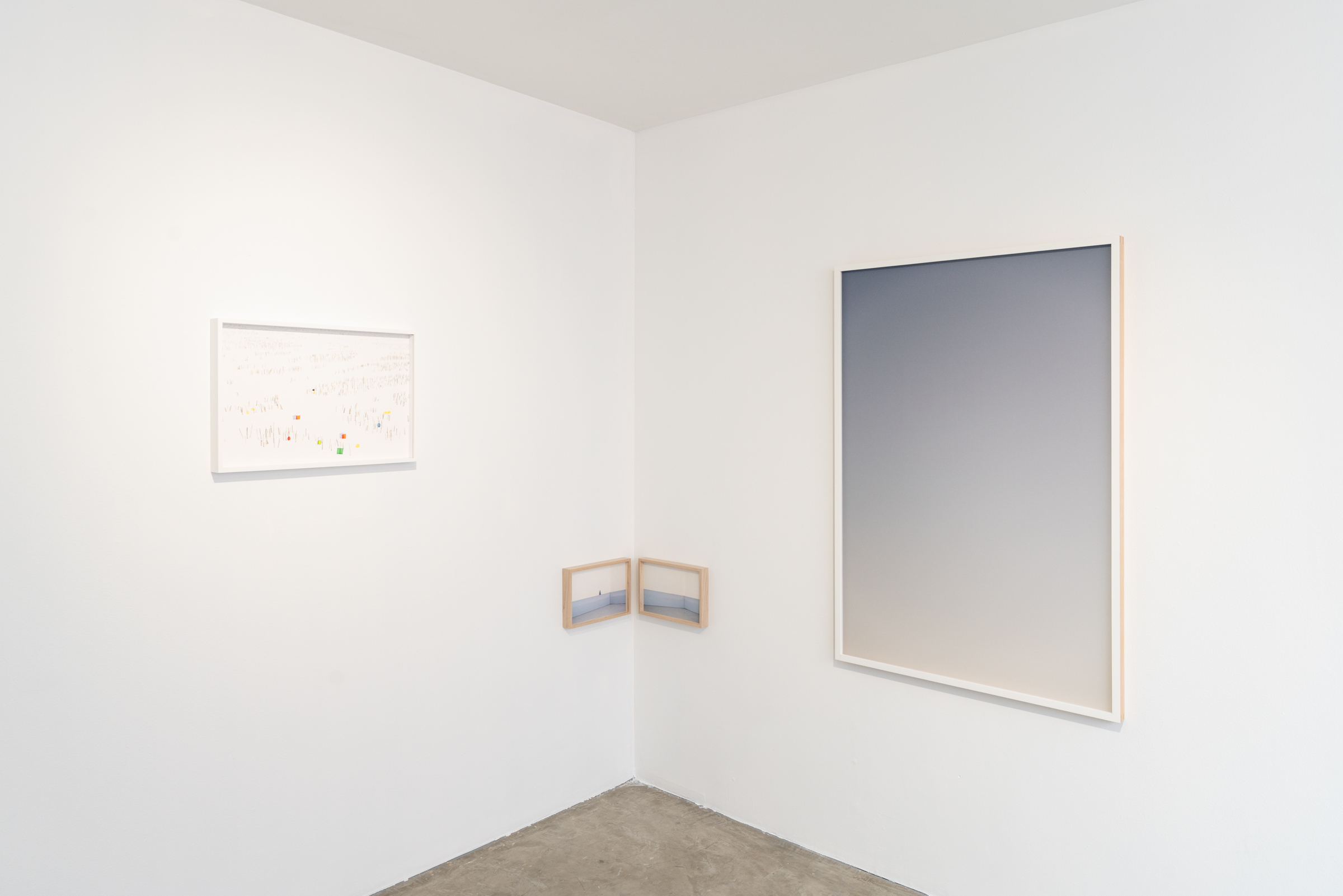
The 2026 program featured two artists with particularly established careers. Yvonne Venegas (Long Beach, 1970, raised in Tijuana) studied at the International Center of Photography in New York and earned an MFA from the University of California, San Diego. She has had solo exhibitions at MUAC and the Museum of Contemporary Art San Diego, received the Magnum Expression Award in 2010, and was awarded a Guggenheim Fellowship in 2016. Her work is included in collections such as SFMOMA, Centro de la Imagen, and Fundación Televisa. In *Drama Mexicano*, Venegas photographed theaters, dressing rooms, curtains, stages, and actors. Mariel Vela wrote in Onda MX about the significance these spaces take on and the relationship between the performers’ bodies and the places where they work.
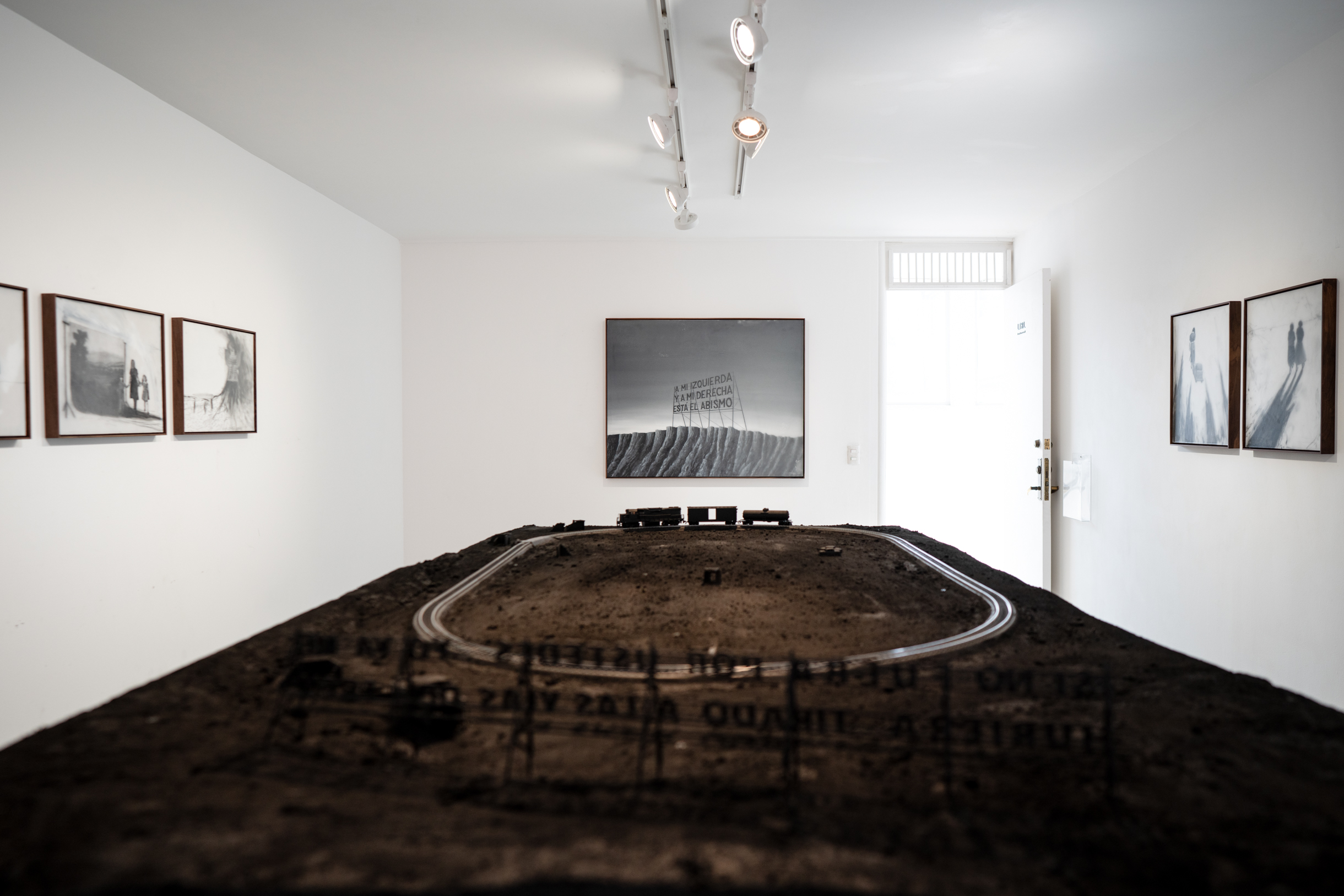
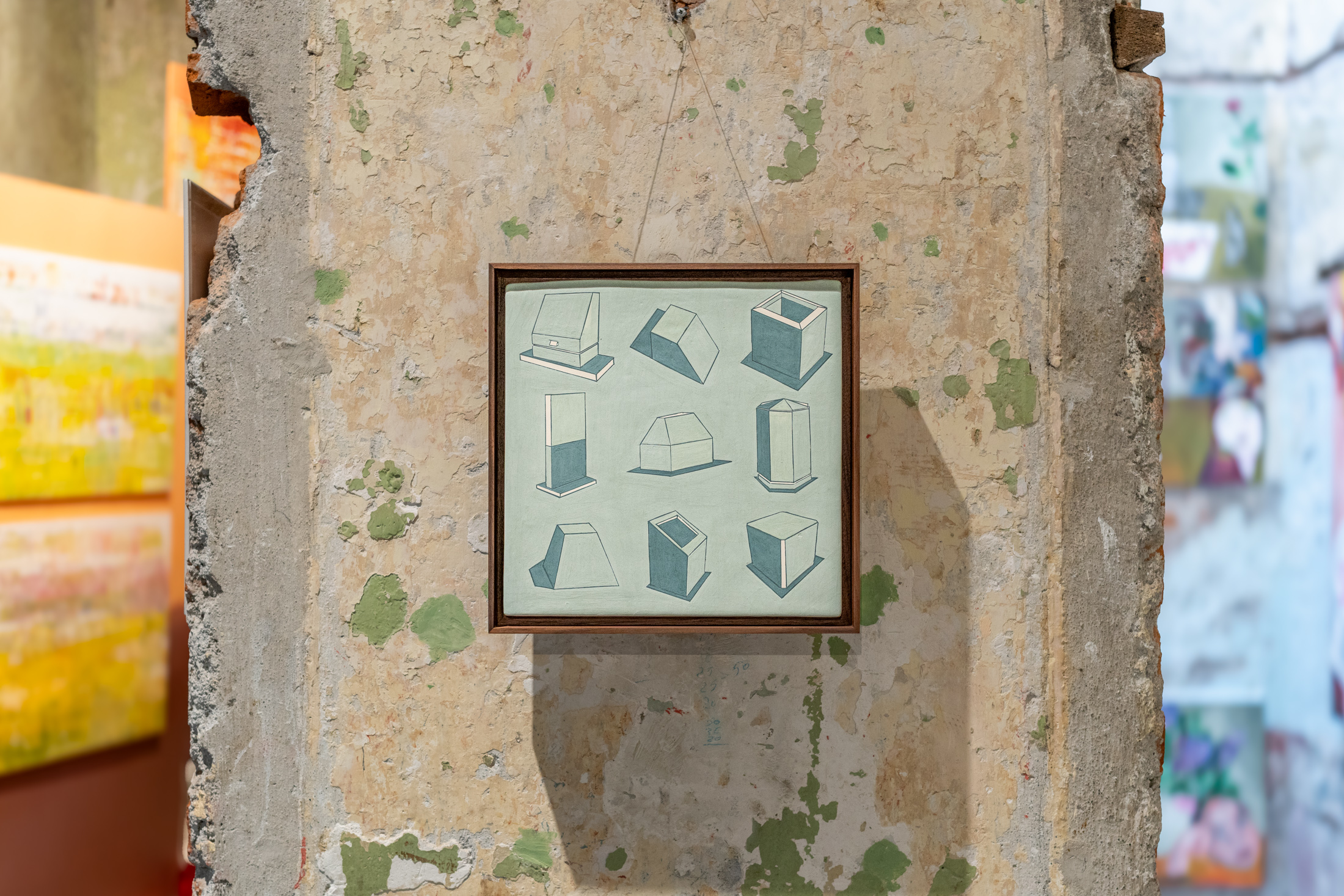
In July, Calixto Ramírez (Reynosa, 1980), trained at La Esmeralda and a member of the National System of Art Creators. His career includes exhibitions and projects at the Jumex Museum, the Tamayo Museum, the Museum of Modern Art, the Carrillo Gil Museum, and MUSAS. In 2024, *Ni de aquí ni de allá*, curated by Kit Hammonds in Monterrey, surveyed eighteen years of his work. In 2026, he also participated in *The Gesture and the Invisible* at the Museo Tamayo. *Uso de suelo*, at Lateral, continued a body of work in which the body, objects, and the physical characteristics of a place determine much of the actions she performs
Why Go
"Lateral" offers a close look at a selection of recent Mexican photography and, at the same time, the processes through which these images come to be works of art. The FOCO Lab collection brings together works by Lourdes Grobet, Tania Franco Klein, Fabiola Menchelli, Cannon Bernáldez, Andrea Martínez, Carlos Vielma, Alexandra Germán, and other artists. Among them are gelatin silver prints, cyanotypes, C-prints, prints on cotton paper, and photographs that have been subsequently folded or altered.
This focus on processes is also evident in the programming. *Fotofobia*, by Daniel Monroy Cuevas, was curated by Fabiola Iza and featured two new series created by exposing smoke to various surfaces. *La materia de este mundo es bosque* by José Luis Arroyo-Robles was curated by Paola J. Jasso and was accompanied by a conversation about the forests of Michoacán with artists working in photography, drawing, and printmaking.
Lateral has also incorporated events related to the exhibitions. In 2026, it organized *Processes From and To the Forests* during the Arroyo-Robles exhibition and a conversation with Diana Sedano, Stefanie Weiss, and Yvonne Venegas about *Mexican Drama*. These are small-scale activities tied to the work on view and the artists behind it, rather than a parallel program disconnected from the gallery space.
What to Expect
The current exhibition is by Óscar Farfán (Guatemala, 1973), a Guatemalan-Mexican artist and photographer based in Mexico City. Farfán studied in the Contemporary Photography Program at the Centro de la Imagen and earned a master’s degree in Visual Arts from UNAM. He has been a member of the National System of Art Creators for three terms, received the acquisition award at the 9th FEMSA Biennial, and an honorable mention at the 18th Photography Biennial. His work is part of the FEMSA Collection and the Carrillo Gil Art Museum, among other collections.
His previous work helps put what happens in *Lateral* into context. In *Tierra arrasada*, a project he began in 2008, he photographed sites associated with the violence of the Guatemalan armed conflict and explored the distance between the events themselves and the traces they left behind in the landscape. Farfán has linked that project to his own family history and to his exile from Guatemala. Documentation, memory, and duration have been recurring themes in his photography for years.
A Contribution to a Critique of Duration and Equivalence consisting of two specific time intervals. One group of natural landscapes was created using eight-hour analog exposures . Another, comprising portraits, landscapes, and urban settings, was exposed for one hour.
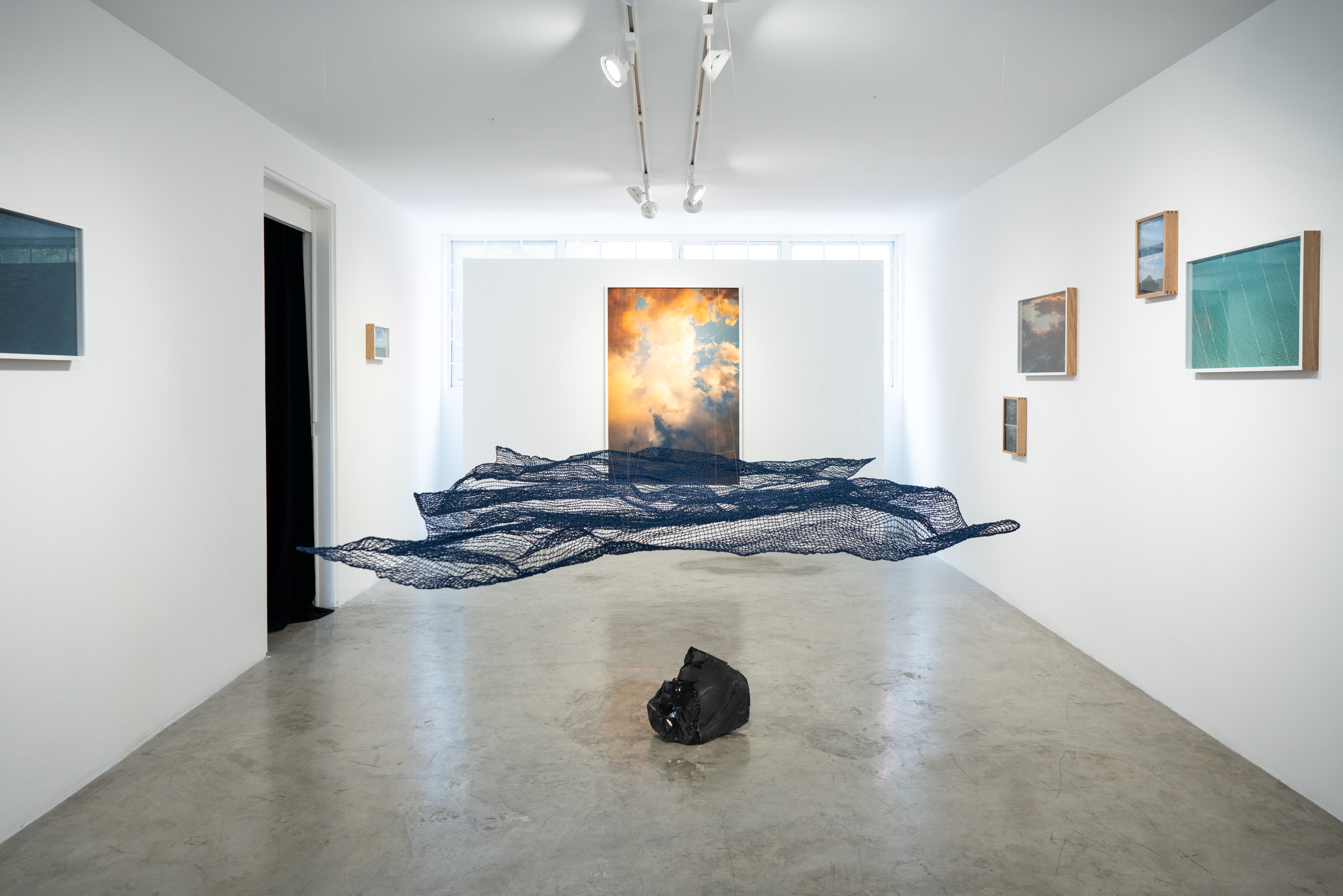
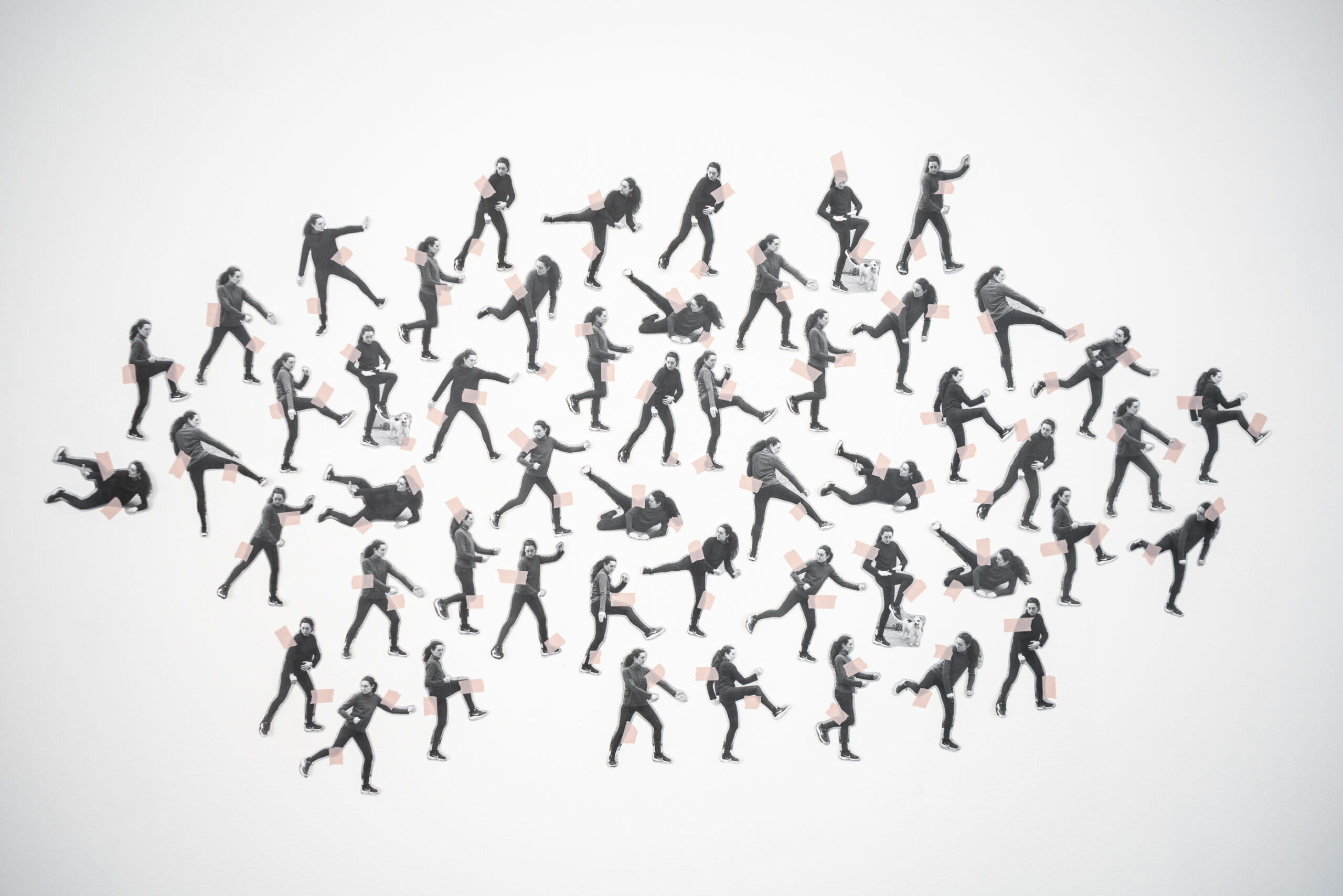
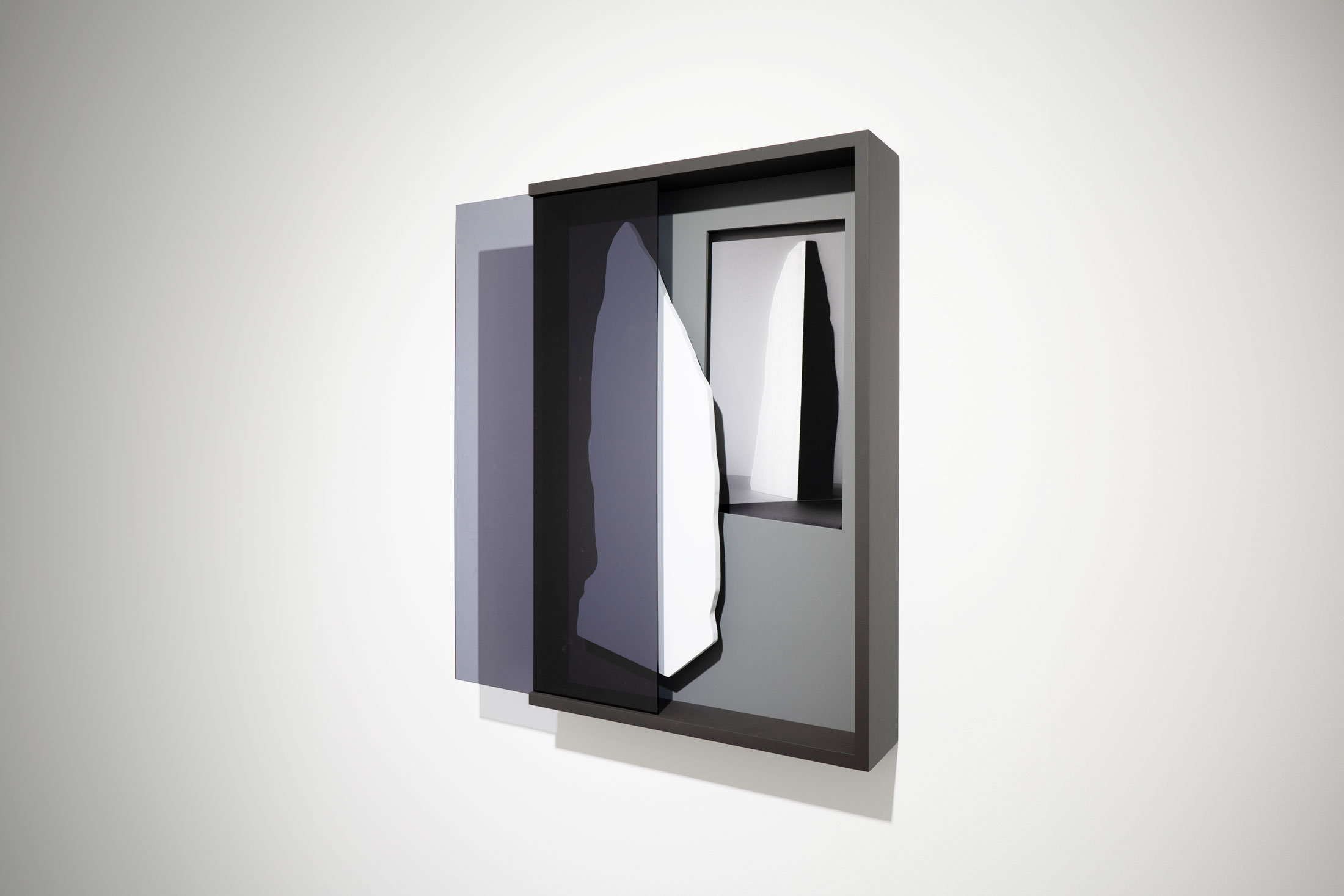
The exhibition also includes economic data. Information on the prices of gold, silver, and copper, as well as an estimate of Mexico’s public debt, is updated, while the photographs remain as a record of a period that has already passed. The electronic and computational components were developed at the Physical Computing Lab of the Bachelor’s Program in Digital Art and Communication at UAM Lerma, under the direction of Hugo Solís.
Farfán has spent years working with documentary photography, memory, and historical events. Here, duration becomes the starting point: one hour versus eight. We suggest beginning by examining what the film managed to capture during those two periods before delving into the economic framework that surrounds the photographs.
What to Do Nearby
The first stop could be La Ciudadela. The Centro de la Imagen opened in 1994 and focuses on photography and the visual arts: exhibitions, publications, research, the Photography Biennial, and FOTOSEPTIEMBRE. Farfán also has a direct connection to the institution: he studied there, has served as a teacher and portfolio reviewer, and received an honorable mention at its 18th Photography Biennial. It shares the La Ciudadela building with the Centro de la Imagen. The library opened in 1946 and, in addition to its general reading rooms, houses the personal libraries of writers and intellectuals such as José Luis Martínez, Antonio Castro Leal, Jaime García Terrés, Alí Chumacero, and Carlos Monsiváis. Abraham Zabludovsky’s 1987 renovation and subsequent remodeling also allow visitors to explore the successive transformations of the former Royal Tobacco Factory building.
Heading toward the Alameda, the Museum of Popular Art is housed in the Art Deco building designed by Vicente Mendiola and Guillermo Zárraga to serve as the former Fire Department headquarters and General Police Inspectorate. It opened as a museum in 2006. Its collections of ceramics, textiles, fibers, paper, wood, and metal offer a different perspective on material processes after a visit to a gallery where the physical production of images carries particular weight.
For dining, El Cardenal at 70 Avenida Juárez keeps visitors in the heart of downtown. The restaurant was founded in 1969 by Oliva Garizurieta and Jesús Briz and is still family-run. It features traditional Mexican dishes and makes its own products, such as cream and cheese.


