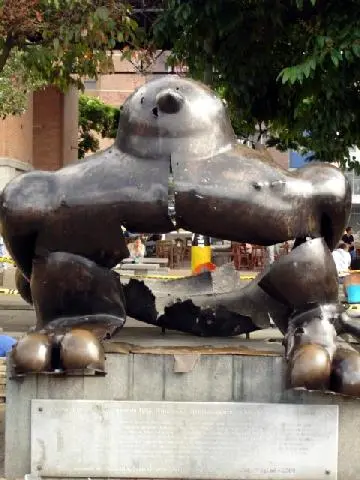
Cayón opened in Madrid in 2005 and currently occupies two adjacent spaces at 7 and 9 Blanca de Navarra. Its program brings together historical and contemporary artists and devotes a significant portion of its activity to artists such as Pablo Palazuelo, José Guerrero, Joan Hernández Pijuan, and Juan Giralt. Alongside them are international artists such as Fred Sandback, Dan Flavin, Carlos Cruz-Diez, Jesús Rafael Soto, Jan Dibbets, Stanley Whitney, Minjung Kim, and Adam Pendleton. The gallery also has locations in Menorca and Manila.
Gallery Profile
Cayón was founded in Madrid in December 2005. Its first exhibition was dedicated to Picasso’s monotypes and prints created between the 1920s and 1940s. The gallery is run by brothers Adolfo and Clemente Cayón. Over the years, the gallery’s program has focused on mid-20th-century and contemporary artists. Minimalism, geometry, and kinetic art are recurring themes, alongside painting, sculpture, photography, video, and installations.
Blanca de Navarra’s two venues have different characteristics. One is housed in a former garage of a building constructed in the 1920s; the other is the former auditorium and theater of the adjacent convent. Some exhibitions make use of both spaces, while others are presented separately. In 2017, Cayón opened an office in Manila. A year later, it added a summer venue in Mahón, housed in a former 19th-century theater. The Menorca venue, spanning more than 1,200 square meters, has hosted exhibitions byFred Sandback, Yves Klein, Stanley Whitney, Carlos Cruz-Diez, Julio González, Joel Shapiro, Joan Miró, and Jesús Rafael Soto.
The gallery’s work with 20th-century Spanish artists runs in parallel. Cayón works with the estates or the works of Joan Miró, Julio González, Pablo Palazuelo, José Guerrero, Joan Hernández Pijuan, and Juan Giralt. In 2025, when the gallery celebrated its twentieth anniversary, it dedicated an exhibition in Madrid to the presence of black in Miró’s work.
Program
Why Go
Fred Sandback (Bronxville, New York, 1943–2003) reduced sculpture to lines created with string stretched across space. The pieces depend on the architecture in which they are installed: the walls, floor, and ceiling height of the room determine their final form. Cayón opened its Menorca location in 2018 with an exhibition dedicated to the artist.
Dan Flavin (New York, 1933–1996) used industrial fluorescent tubes beginning in the early 1960s. The projected light transforms walls, corners, and passageways without obscuring the industrial character of the tubes. His works have been featured in various group exhibitions at Cayón.
Venezuelan artist Carlos Cruz-Diez (Caracas, 1923–Paris, 2019) spent decades exploring how color changes depending on the viewer’s position, the light, and the relationship between surfaces. In January 2026, Cayón presented *El plano inestable*(The Unstable Plane), his eighth solo exhibition with the gallery. The exhibition brought together eight works created between 2007 and 2018 from the series *Physichromies*, *Inductions Chromatiques*, and *Couleur Additive*.
That same year, *Esto no es un monocromo* was held at Blanca de Navarra 7 in two installments. The first featured works by Joan Miró, Alberto Burri, Carlos Cruz-Diez, Robert Ryman, Richard Serra, Antoni Tàpies, Cy Twombly, Andy Warhol, and other artists. The second installment included works by Cruz-Diez, Philippe Decrauzat, Jan Dibbets, Joan Hernández Pijuan, Minjung Kim, Adam Pendleton, and Jesús Rafael Soto.
The works ranged from painting and photography to pieces that protruded from the wall. Soto’s *Vibration mauve* (2000) combines paint on wood and metal and is 27 centimeters deep. A Physichromie by Cruz-Diez uses aluminum, silkscreen printing, and plastic inserts. In *Projecte per un paisatge* (1991), Hernández Pijuan works with oil on a canvas measuring 150 by 225 centimeters.
What to Expect
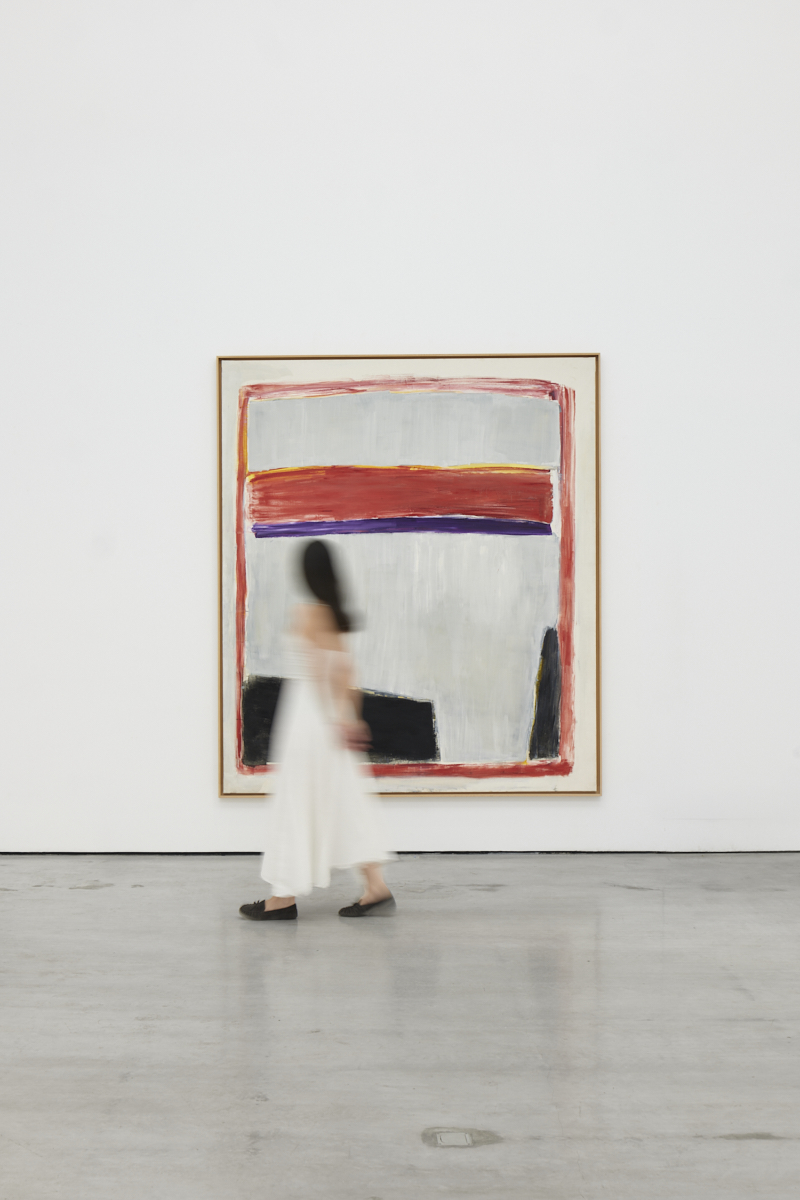
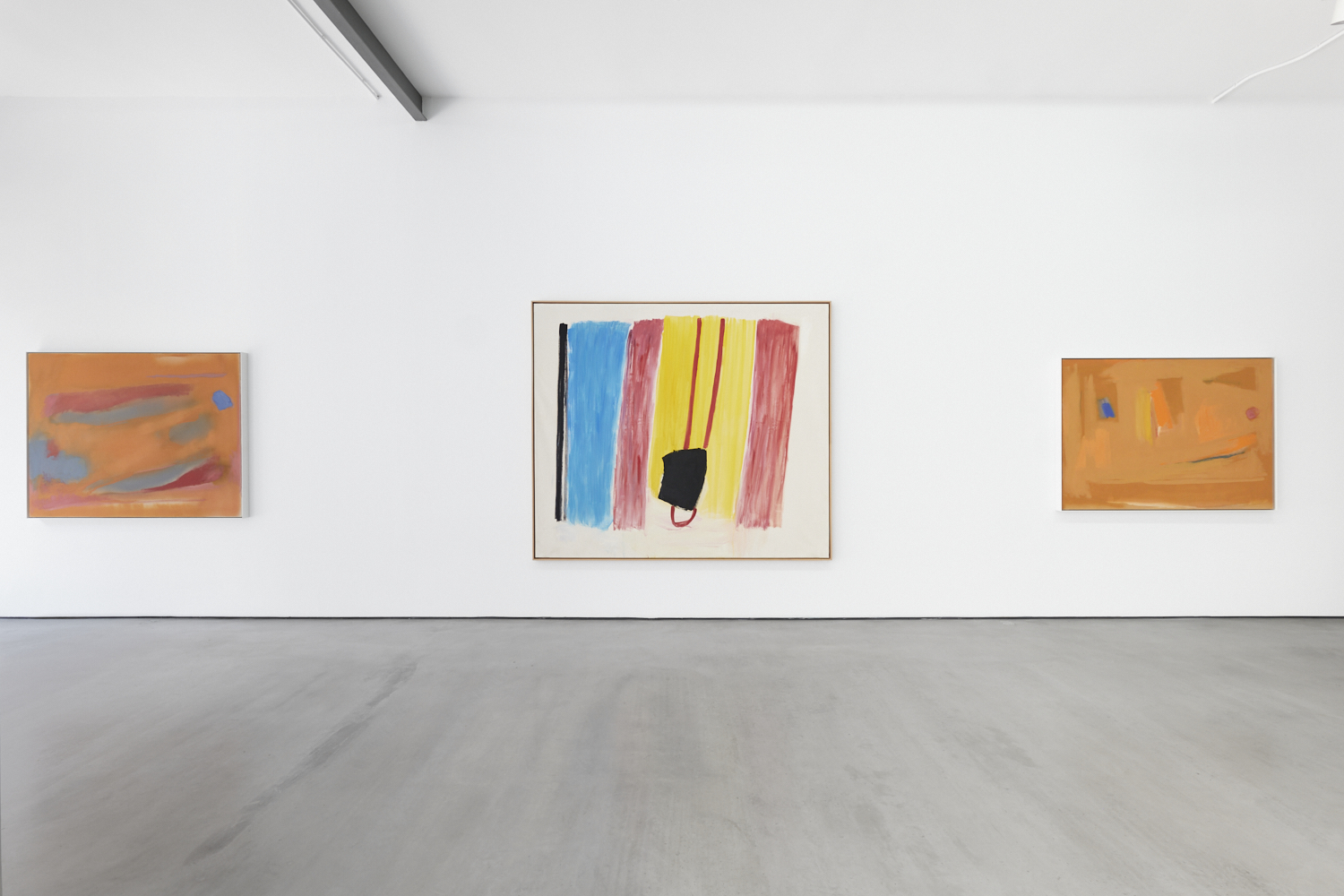
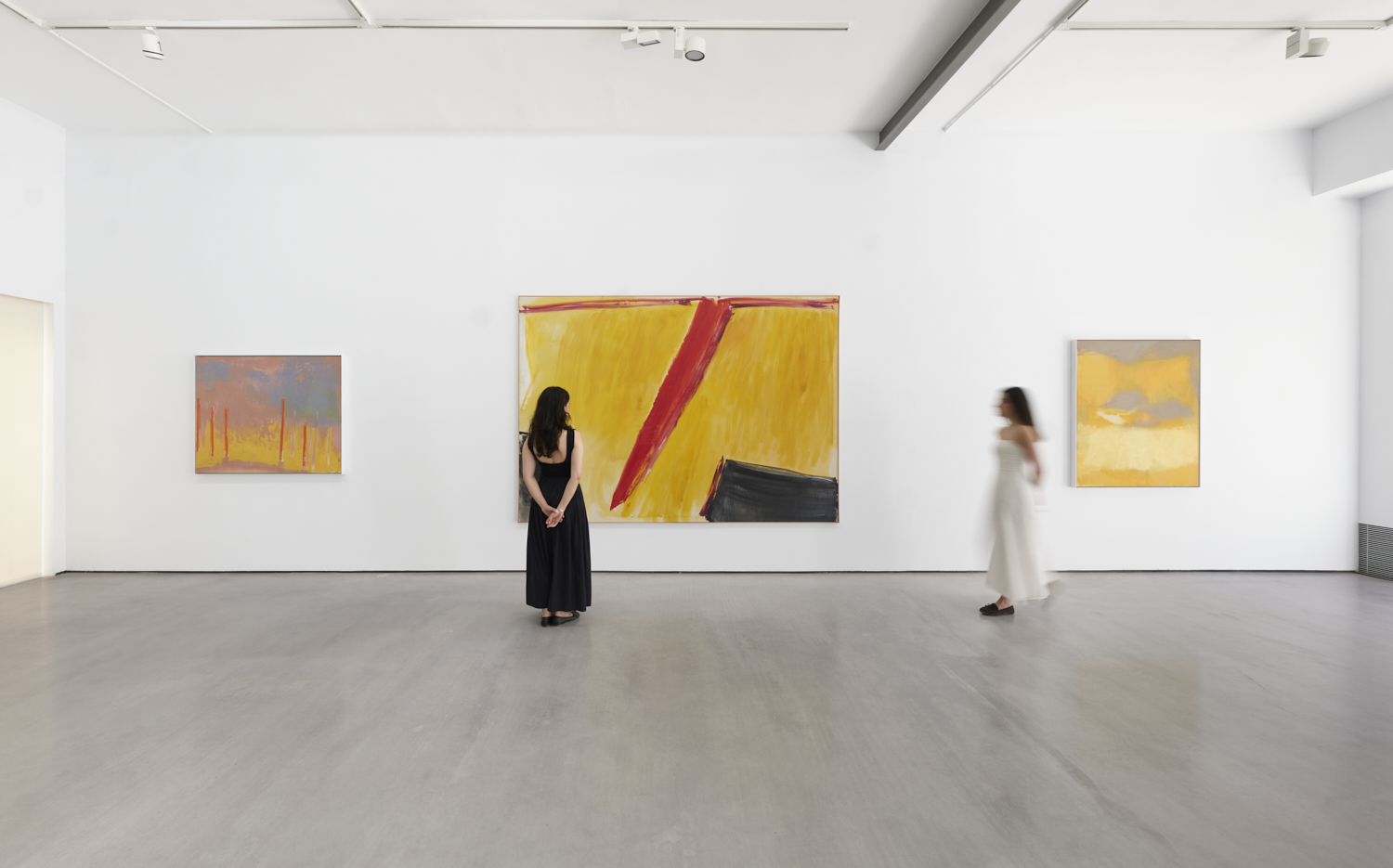
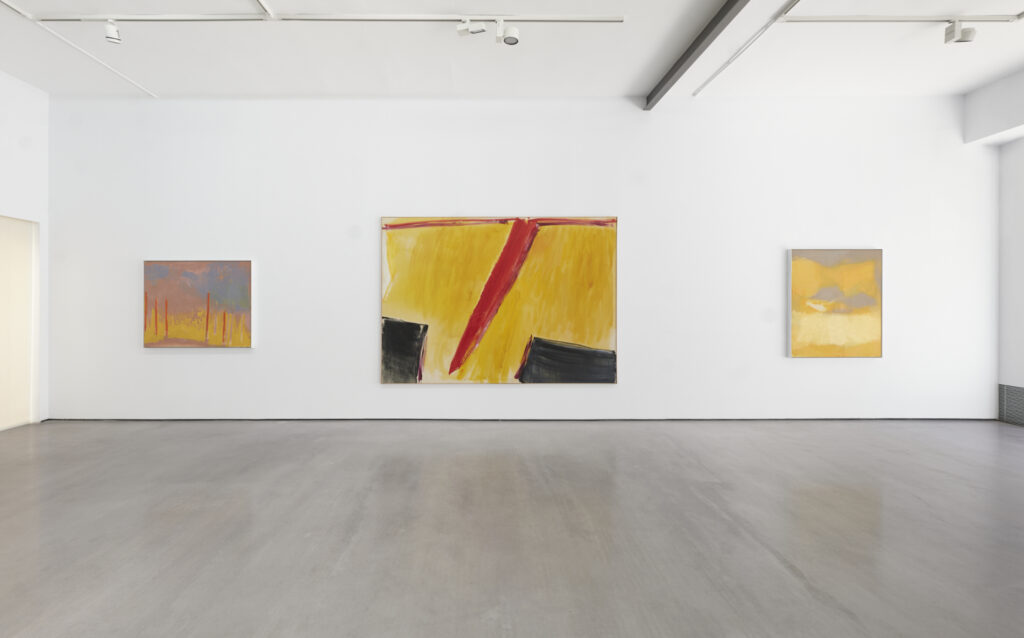
José Guerrero / Esteban Vicente opened on September 10 during Apertura Madrid Gallery Weekend and runs through November 15, 2026. The exhibition brings together eight works by José Guerrero and seven by Esteban Vicente and continues a project presented this summer at the Cayón venue in Menorca.
Esteban Vicente was born in Turégano, Segovia, in 1903 and settled permanently in the United States in 1936. José Guerrero, born in Granada in 1914, arrived in New York in 1950. Both were active in the American art scene during the development of Abstract Expressionism and subsequently maintained ties with Spain.
The exhibition in Madrid does not feature the same selection as the one presented in Menorca. Cayón has assembled a different group of works, including several large-format canvases and paintings by Guerrero that have not been shown publicly in decades.
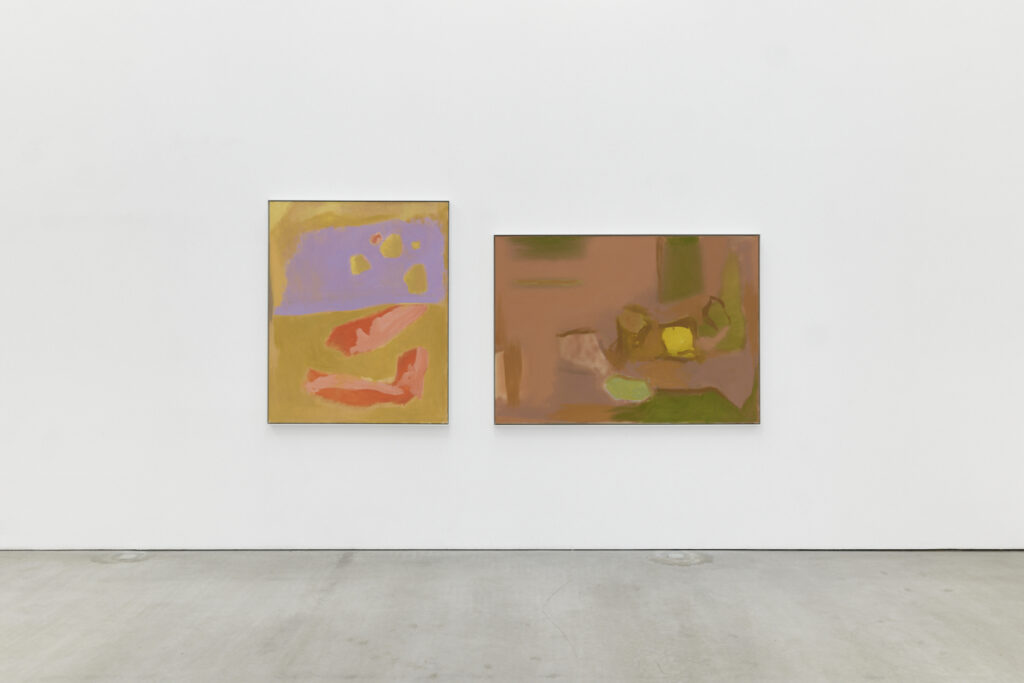
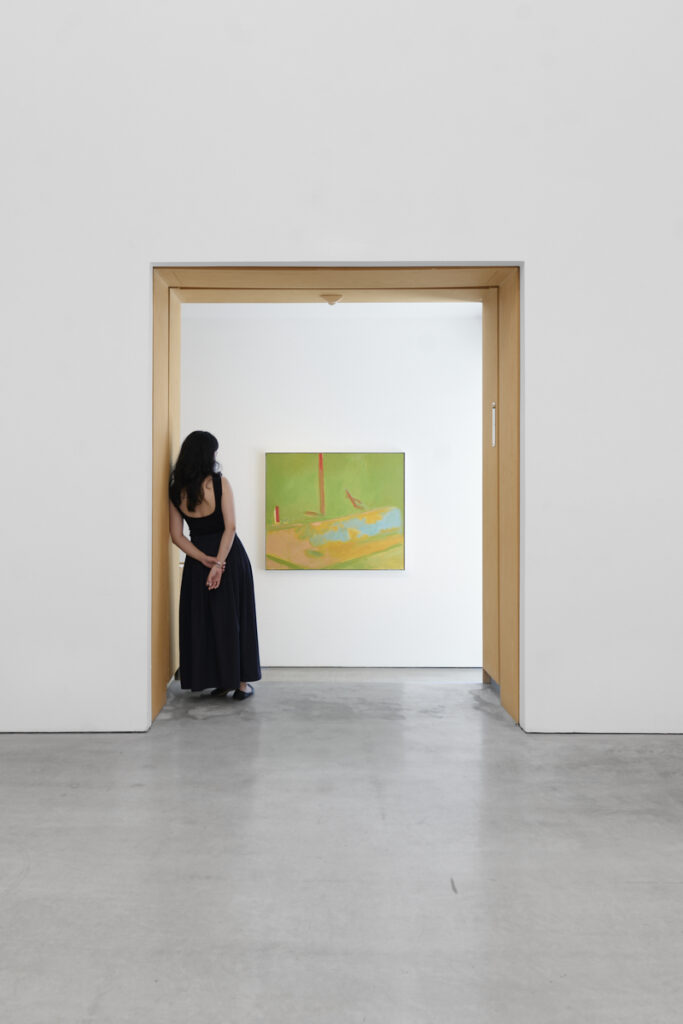
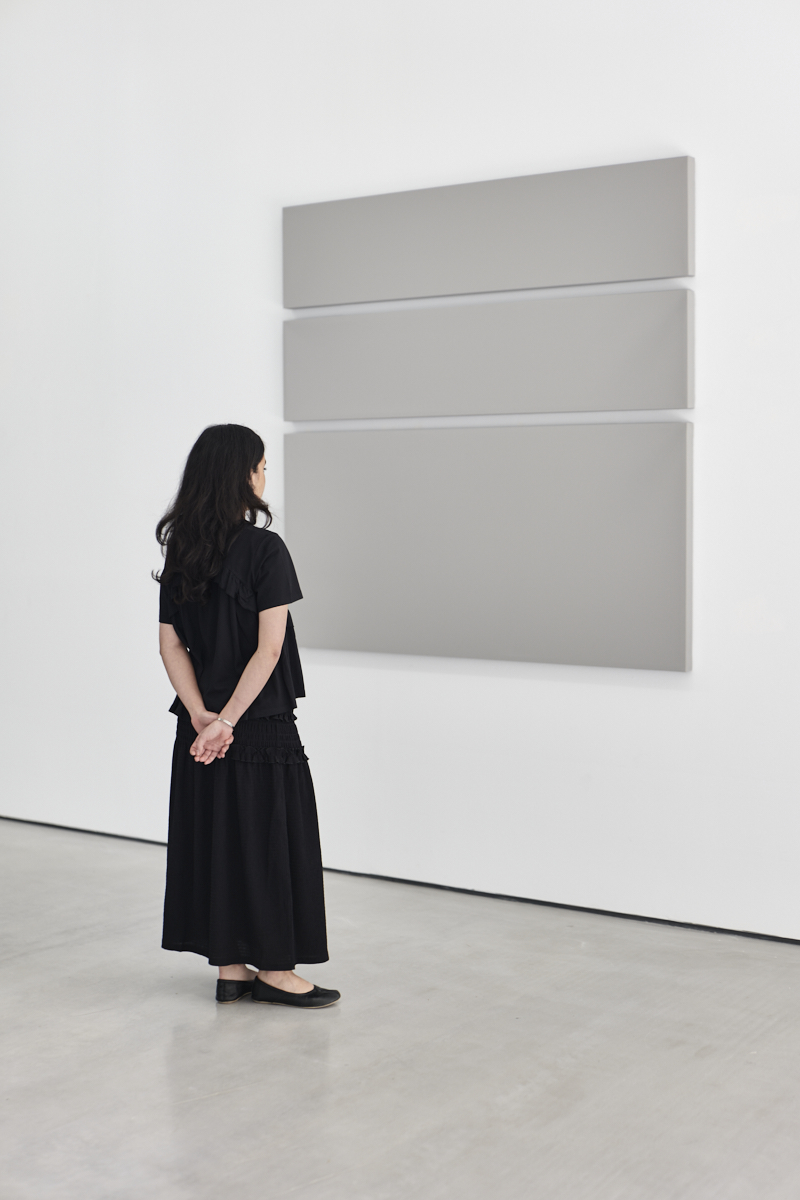
Color played a central role in the mature work of both artists. Vicente worked with areas of color with blurred edges and also used collage. In Guerrero’s work, chromatic masses define and organize different parts of the canvas. During the 1970s and 1980s, he developed compositions in which these areas expand toward the edges or reveal the white of the canvas between them.
The relationship between these two artists has previously been studied outside the commercial sphere. The José Guerrero Center in Granada and the Esteban Vicente Museum of Contemporary Art in Segovia organized a joint exhibition that traced their artistic careers from their early figurative work through to their mature decades.
What to Do Nearby
The Fundación MAPFRE Recoletos Gallery is located at Paseo de Recoletos, 23, just a short walk from Blanca de Navarra. This route allows visitors to extend their visit with a larger exhibition in a space dedicated to temporary art and photography programs. The address and exhibition schedule can be found on the foundation’s website. In the fall of 2026, MAPFRE has announced exhibitions dedicated to women’s trajectories in Pre-Raphaelite art, alternative interpretations of the avant-garde, and Minor White. Those who prefer to continue with photography can set aside time for this last exhibition. Combining it with the Cayón exhibition allows visitors to move from a small collection of paintings to a project with a different documentary focus.
Cayón is located at 7 and 9 Blanca de Navarra Street in Almagro. From the gallery, it’s just a few minutes’ walk to the Antonio Machado Bookstore on Plaza de las Salesas, which offers a wide selection of literature, philosophy, essays, social sciences, and art. Also nearby is the Gaudí Bookstore, at 13 Argensola Street, an independent bookstore that has been operating in the neighborhood for several decades.
For dining, Las Reses is located at Orfila 3. The restaurant opened in 1964 and offers a menu focused on Spanish cuisine, meats, and traditional dishes. It’s just a few minutes’ walk from Blanca de Navarra. At 11 Marqués del Riscal is Coque, the Sandoval brothers’ restaurant. It occupies a large space divided into different areas and offers a more extensive gastronomic journey. It’s practically right next to the gallery.