
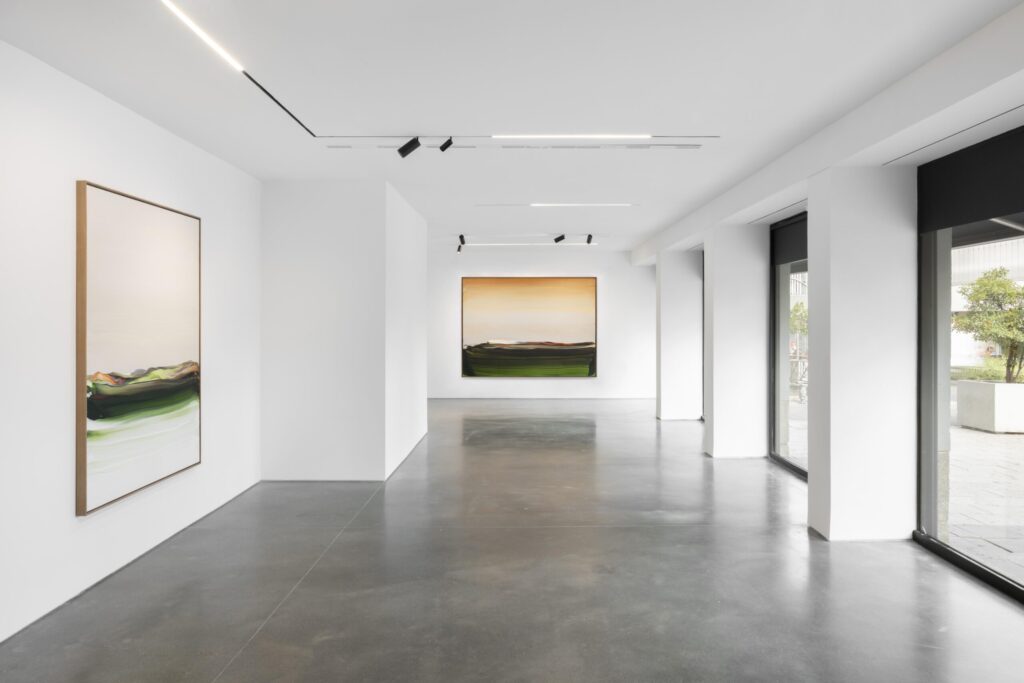
Pedro Cera arrived in Madrid twenty-five years after opening his gallery in Lisbon. The Barceló 13 location opened its doors in October 2023 and has since presented exhibitions by David Claerbout, Gil Heitor Cortesão, Manuel Chavajay, Oliver Laric, Mónica Mays, Miguel Branco, Tobias Rehberger, Bekhbaatar Enkhtur, Berlinde De Bruyckere, Ilê Sartuzi, and Nico Munuera. Painting, sculpture, video, installation, and digital works are featured in a space with a programming schedule independent of the Lisbon location.
Gallery Profile
Pedro Cera founded the gallery in Lisbon in 1998. Its Portuguese location is currently at Rua do Patrocínio 67 E, in Campo de Ourique. Over the following years, he added Portuguese and international artists to his roster and began participating regularly in international art fairs.
Madrid was the gallery’s first permanent expansion outside of Portugal. The Barceló 13 space opened in October 2023, coinciding with the project’s 25th anniversary. Pedro Cera runs the gallery alongside his partner, Mercedes Costa, while Rubén Blanco Hervés heads the Madrid location.
"Glow," by David Claerbout, opened in Madrid. The Belgian artist works with photography, video, and digital imagery, using editing and animation techniques to create sequences in which an image can unfold over several minutes.
Subsequent exhibitions have featured different media and scales. Gil Heitor Cortesão presented paintings on Plexiglas; Manuel Chavajay brought works to Madrid inspired by his experience as a Tz’utujil Maya artist from Guatemala; Oliver Laric works with scanning and three-dimensional reproduction. In 2025, Miguel Branco presented *Black Horse*, his first solo exhibition at the gallery’s Spanish location.
In 2026, the following works were presented: *Tinct* by Bekhbaatar Enkhtur; *Plunder* by Berlinde De Bruyckere; *To Vanish* by Ilê Sartuzi; and *Piedras sobre agua* by Nico Munuera.
Program
Why Go
The materials vary considerably from one exhibition to another. Bekhbaatar Enkhtur (Ulaanbaatar, 1994) uses beeswax, clay, and metal to create sculptures that often feature animals. Tinct brought together in Madrid works created specifically for the exhibition.
Berlinde De Bruyckere (Ghent, 1964) works with wax, wood, metal, textiles, and leather. Human bodies, animals, and plant forms appear fragmented or transformed in her sculptures. “Plunder,” presented in Madrid in 2026, was her first exhibition with Pedro Cera at the gallery’s Spanish location.
Miguel Branco (Castelo Branco, 1963) typically works in small-scale formats. Animals, figures, and objects have appeared in his sculptures, which are made of bronze, resin, wood, terracotta, and plaster.
Gil Heitor Cortesão (Lisbon, 1967) paints in oil on the back of transparent Plexiglas panels. He uses photographs of interiors, gardens, swimming pools, and buildings as a starting point, modifying them before transferring them to the canvas. This process reverses the usual order: the layers that would normally be painted last must be applied first.
In other projects, the transformation of the image is achieved using digital tools. Oliver Laric uses 3D scanning and modeling, while David Claerbout combines photography, video, and animation.
What to Expect
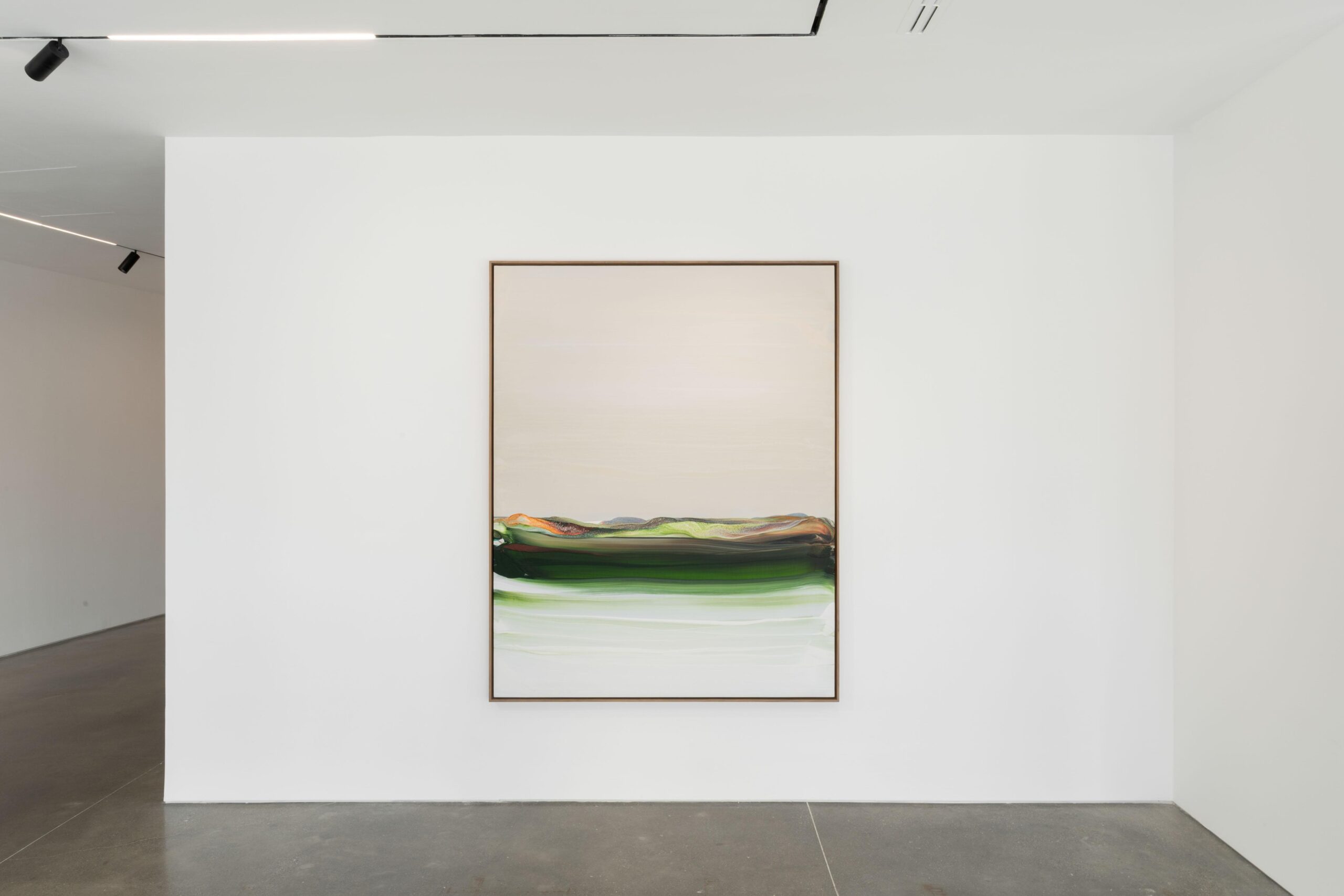
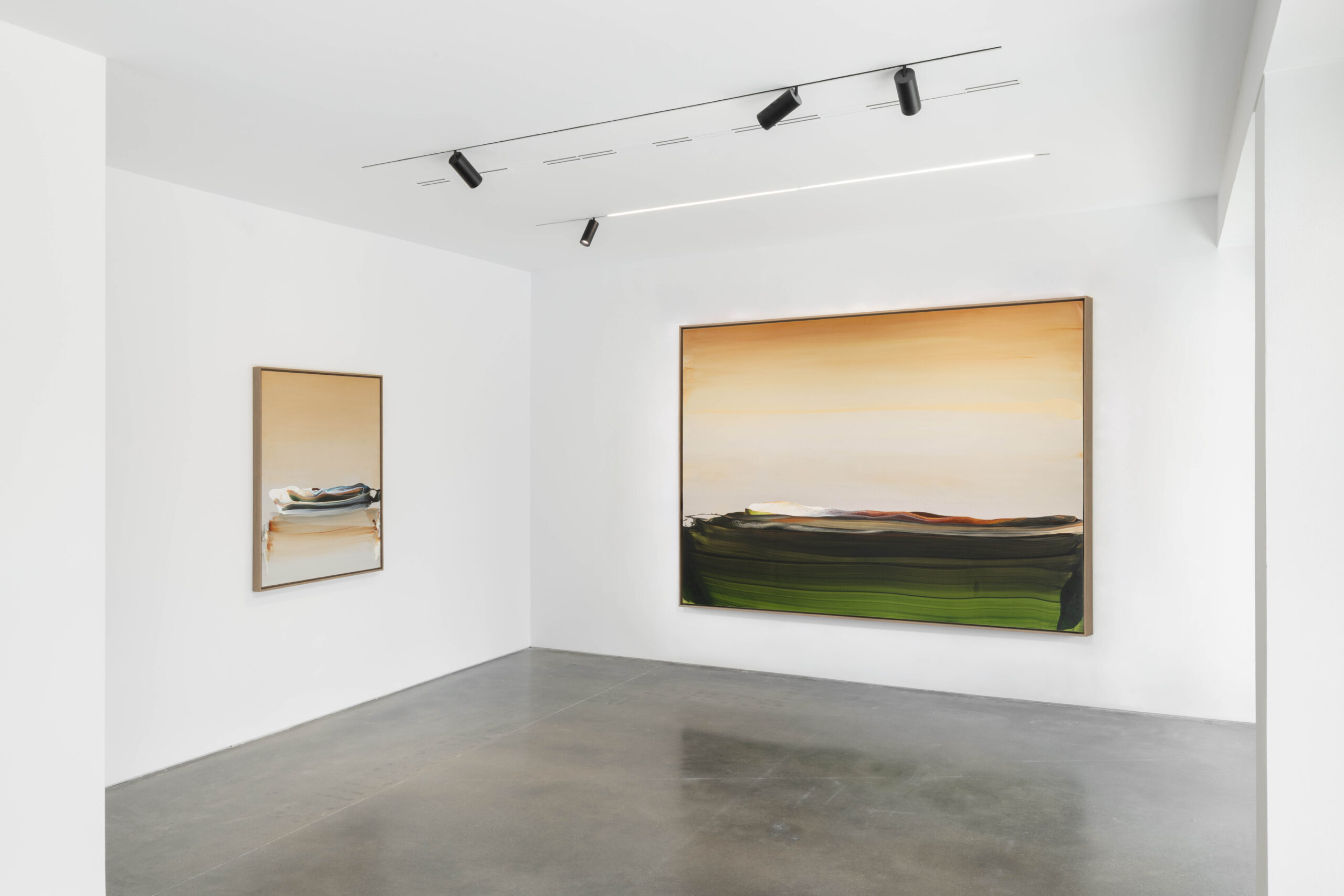
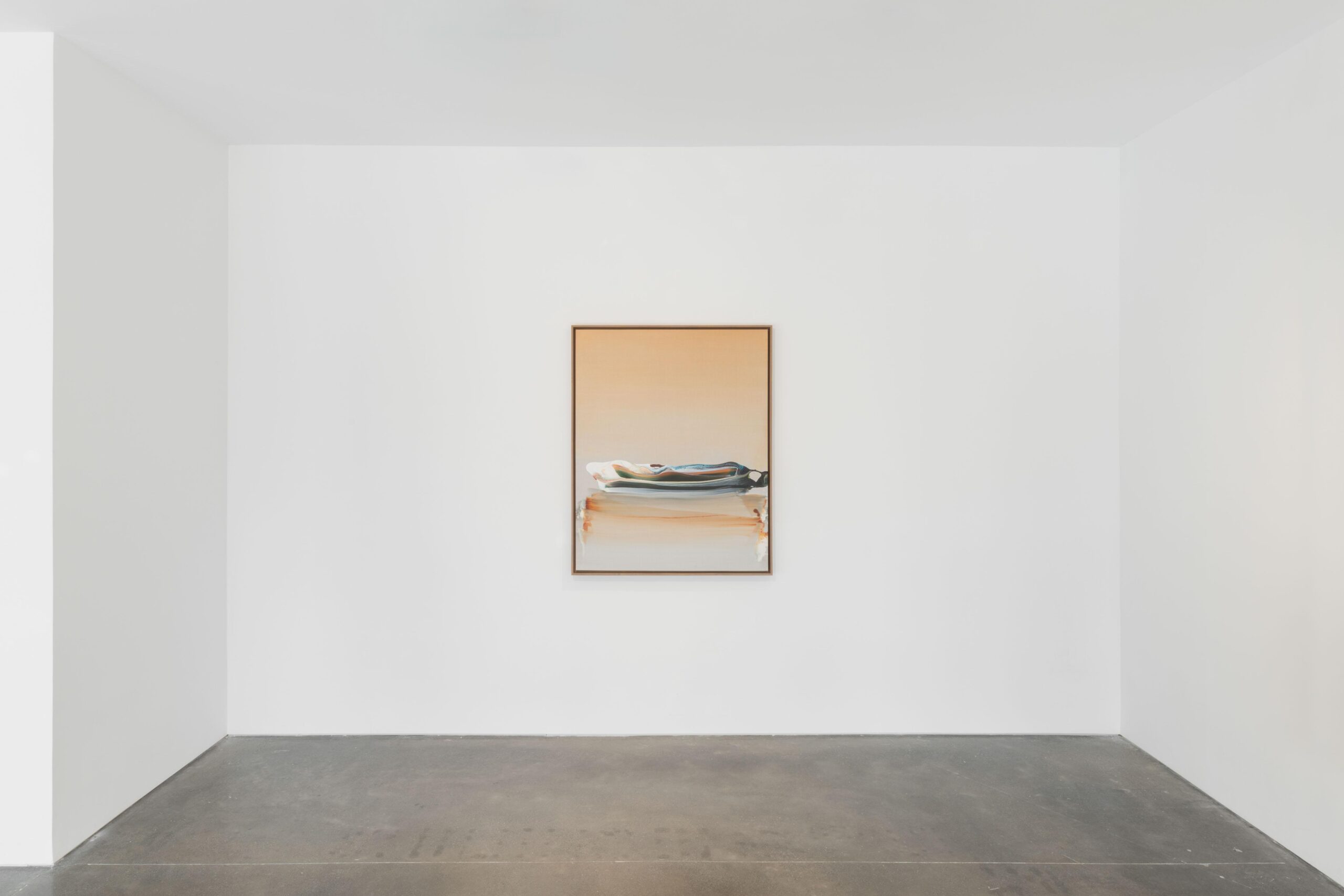
"Stones on Water," by Nico Munuera (Lorca, 1974), opened on September 10 during Apertura Madrid Gallery Weekend and will remain on view through November 14, 2026.
Munuera uses acrylic on linen and Japanese paper. The dimensions vary from one work to another. *Torii Ryoanji II* measures 200 by 270 centimeters, and *Behind Ryoanji IX* measures 190 by 150. Silex Surface II and III and Aqua Romí I and II are smaller in size, measuring 48 by 60 centimeters. The Claude series is created on Japanese paper.
Ryōan-ji, which appears in several titles, is the temple in Kyoto known for its dry rock garden. La Rambla de Romí, near Lorca, evokes a landscape that Munuera has known since childhood. Other titles include references to flint and water.
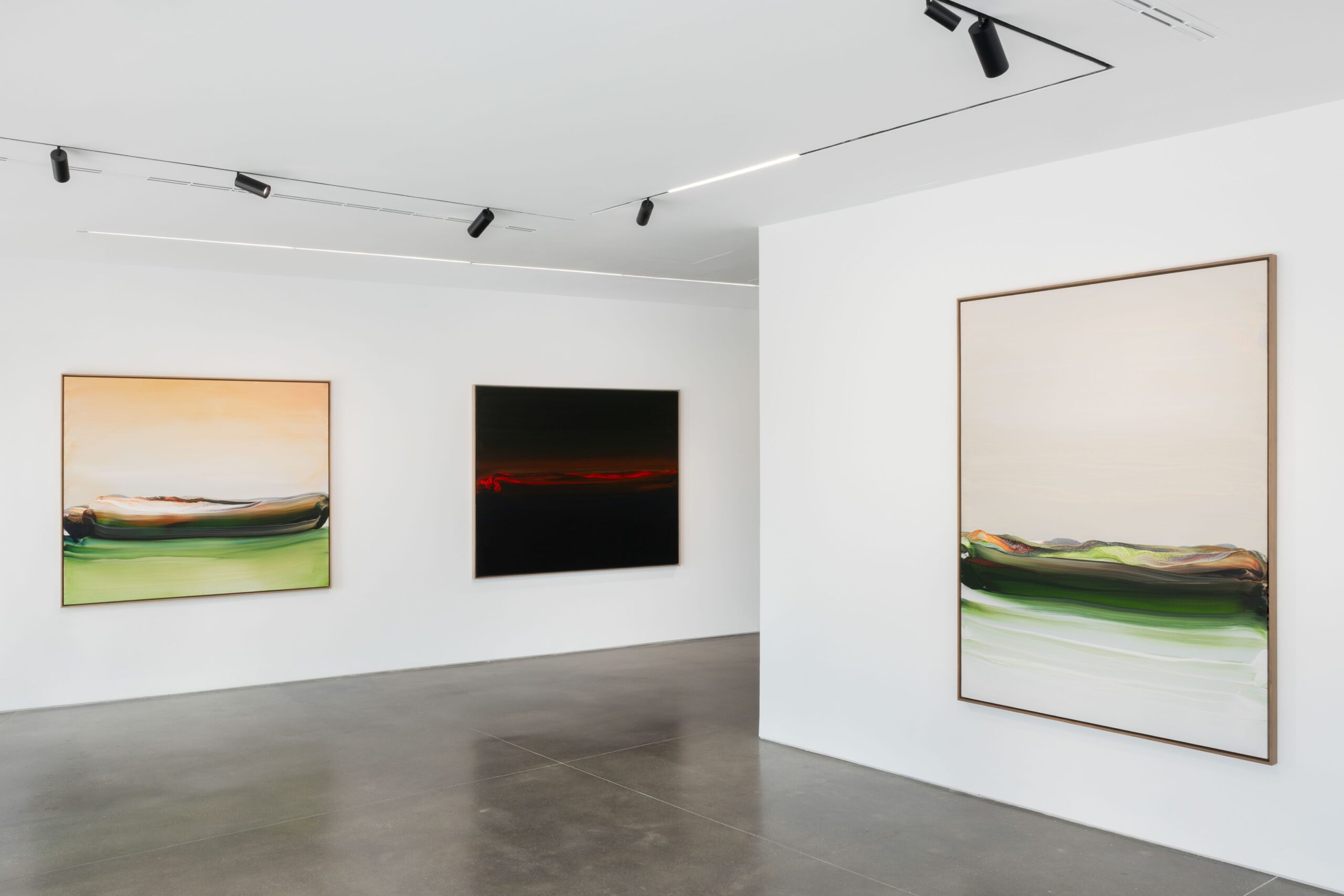
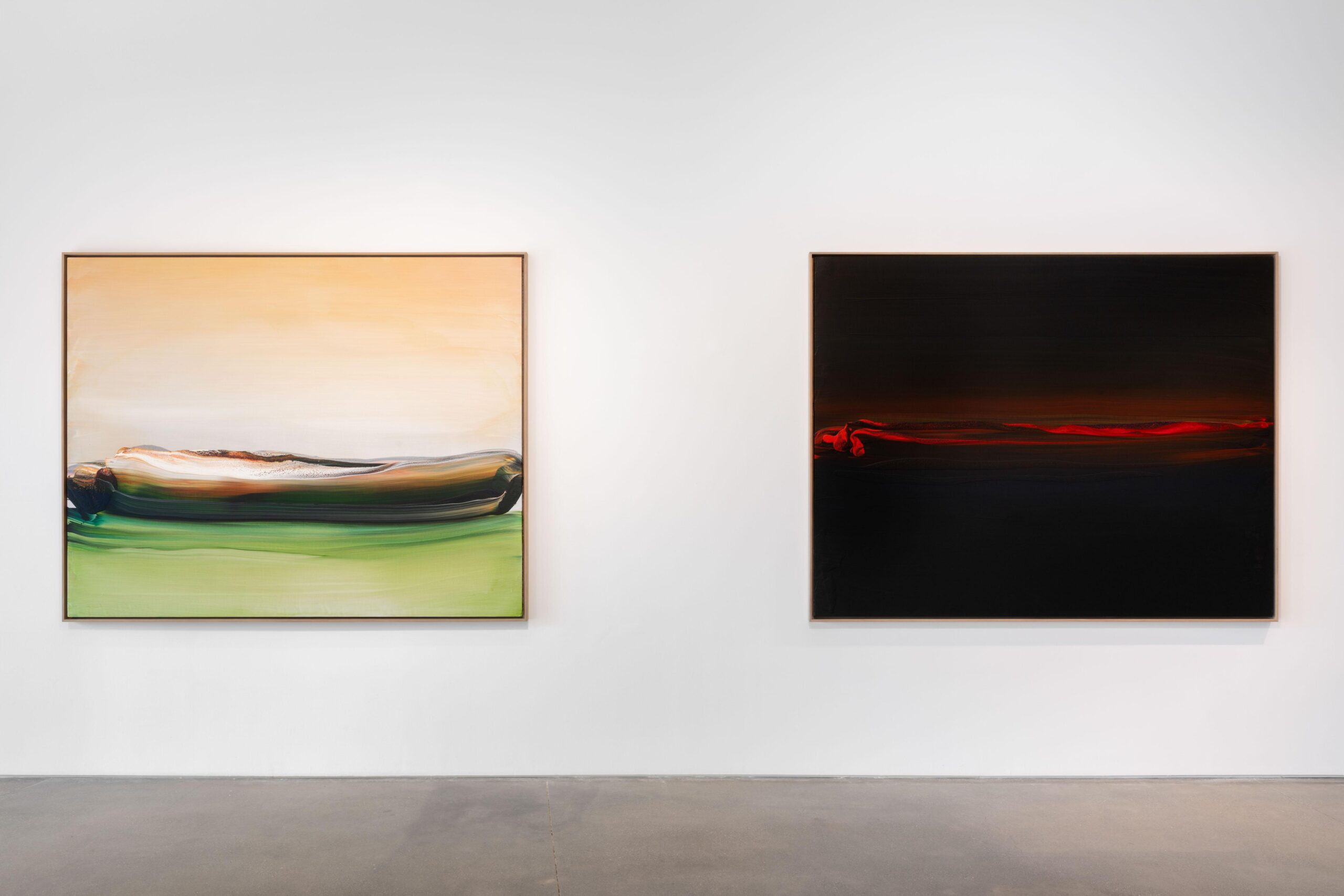
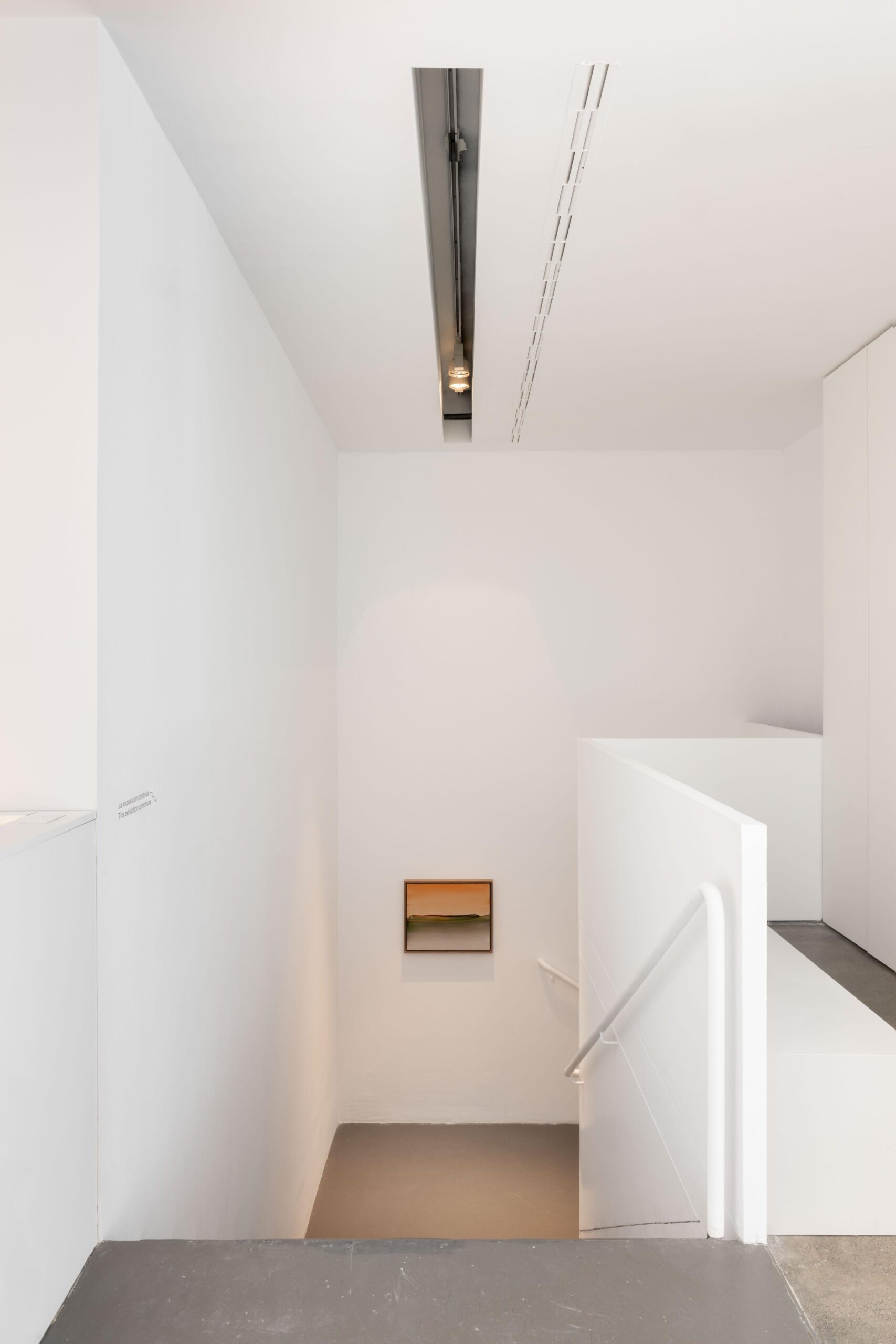
These places and materials are not reproduced literally. Munuera spreads, builds up, or lets the acrylic run across the support. As it dries, it preserves edges, variations in density, overlaps, and areas where the linen or paper remains visible. The Claude series replaces linen with Japanese paper. The absorbency of the support alters the way the acrylic settles and spreads, whereas the paintings on linen allow the artist to work with surfaces measuring up to several meters.
What to Do Nearby
Pedro Cera is located at Barceló 13, across from the Barceló Market and just a few minutes from Tribunal. At Hernán Cortés 7, you’ll find PANTA RHEI, a bookstore specializing in art, illustration, design, photography, and visual culture, featuring independent books and publications.
Toward San Mateo Street is the Museum of Romanticism, housed in the former palace of the Marquis of Matallana. It features 19th-century paintings, furniture, decorative arts, and artifacts displayed throughout the house’s original rooms.
For a meal, Bistro Barceló is located in the Barceló Market, right across from the gallery. The market occupies the block between Barceló, Mejía Lequerica, and Beneficencia streets and features food stalls alongside small restaurants.
.


